








Introduction:Want to dive deeper into the charm of Ethiopian Yirgacheffe washed coffee beans? This article starts with the origins of the washed processing method, detailing how its six standard steps create its bright acidity and clean taste, while also fully explaining practical pour over parameters such as grind size, water temperature, coffee-to-water ratio, and pouring techniques—guiding you step-by-step to recreate its layered, classic flavors.
How does the washed processing method shape a coffee bean’s fundamental character? Taking Ethiopia’s renowned Yirgacheffe region as an example, this processing technique not only gives the coffee bright acidity but also delivers a clear and clean taste profile. This article will systematically analyze the background of washed processing, its six key steps, and how it shapes Yirgacheffe’s unique citrus notes and tea-like qualities, while also providing practical pour over recommendations to help coffee enthusiasts accurately reproduce professional-grade flavors at home.
When it comes to washed processing, many people immediately think of Yirgacheffe. In the 1970s, the Ethiopian government introduced washed processing technology originating from Latin America. At that time, the small town of Yirgacheffe—which was still part of the Sidamo region—showcased highly distinctive bright acidity, white floral notes, and light tea-like body through this method, quickly becoming a favorite among specialty coffee lovers. Washed processing not only highlights the original terroir characteristics of the coffee beans but also serves as a key reference for evaluating green bean quality.
What is washed processing? Simply put, it involves using water to remove the skin, pulp, and mucilage layer, followed by controlled fermentation and drying, ultimately yielding green beans with high purity and low fermentation risk. Since coffee cherries are naturally rich in sugar, prolonged exposure to high temperatures in sun-drying methods can easily lead to over-fermentation of sugars, producing off-flavors—and the process is heavily affected by weather—humid seasons may cause uneven drying or even mold. Washed processing significantly reduces moisture content through early-stage preprocessing, shortens sun-drying time, and enhances stability.

The Six Steps of Washed Processing
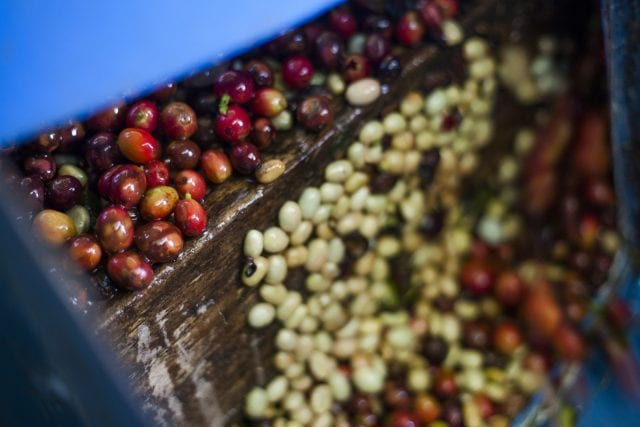
① Washing and Floating: Coffee cherries harvested must be delivered to the processing facility within 6 to 12 hours. After initial washing, the floating method is used to remove defective beans with insufficient density (i.e., the “bad ones” that float on the water), while also clearing away impurities such as branches and stones.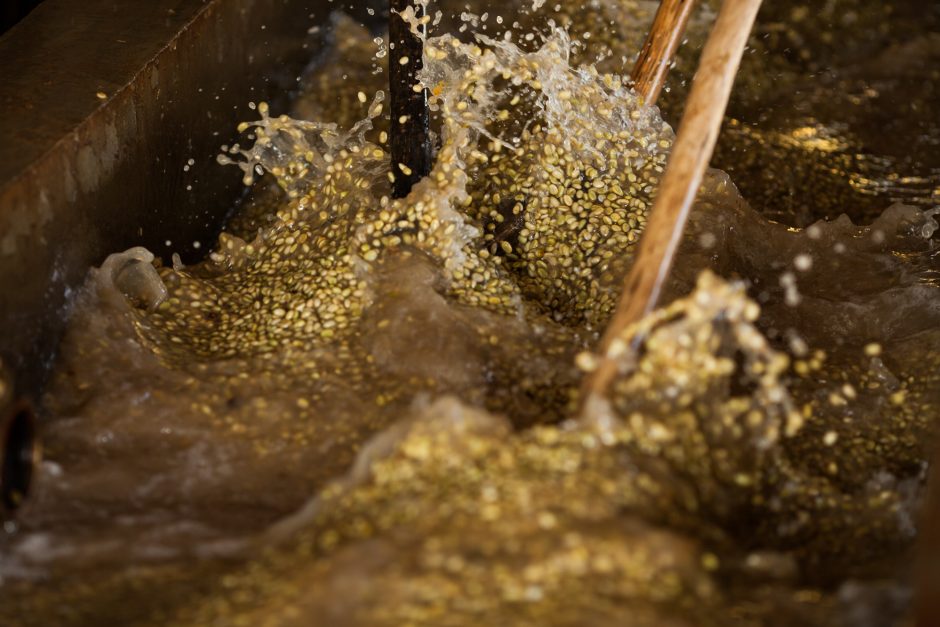
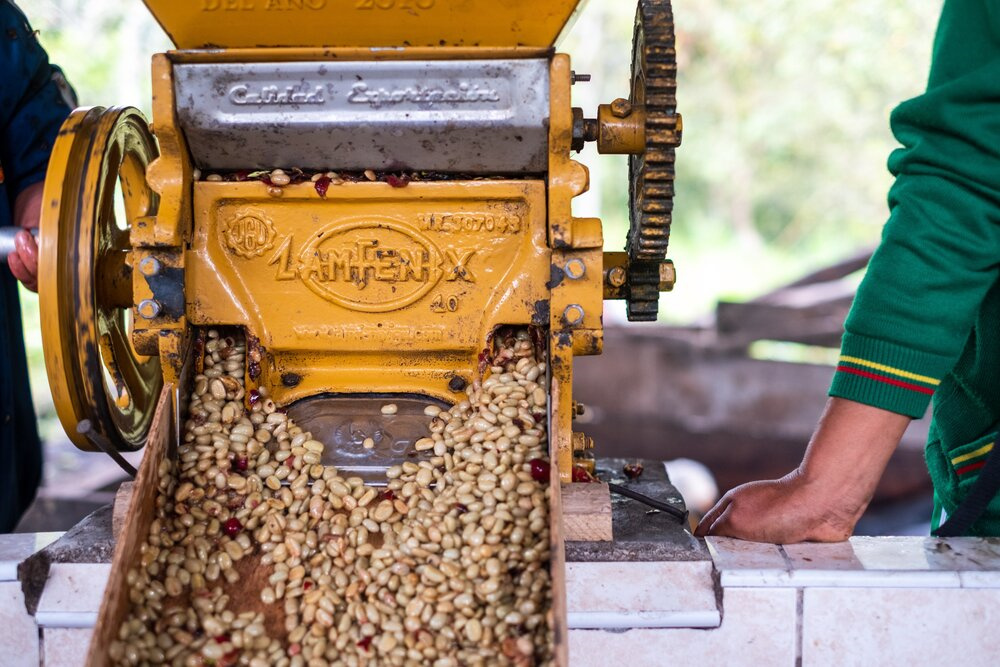
② Removing Skin and Pulp: The outer skin and pulp are mechanically stripped away. At this stage, the coffee beans are still encased in parchment, with a layer of mucilage remaining on the surface that needs to be broken down through fermentation.
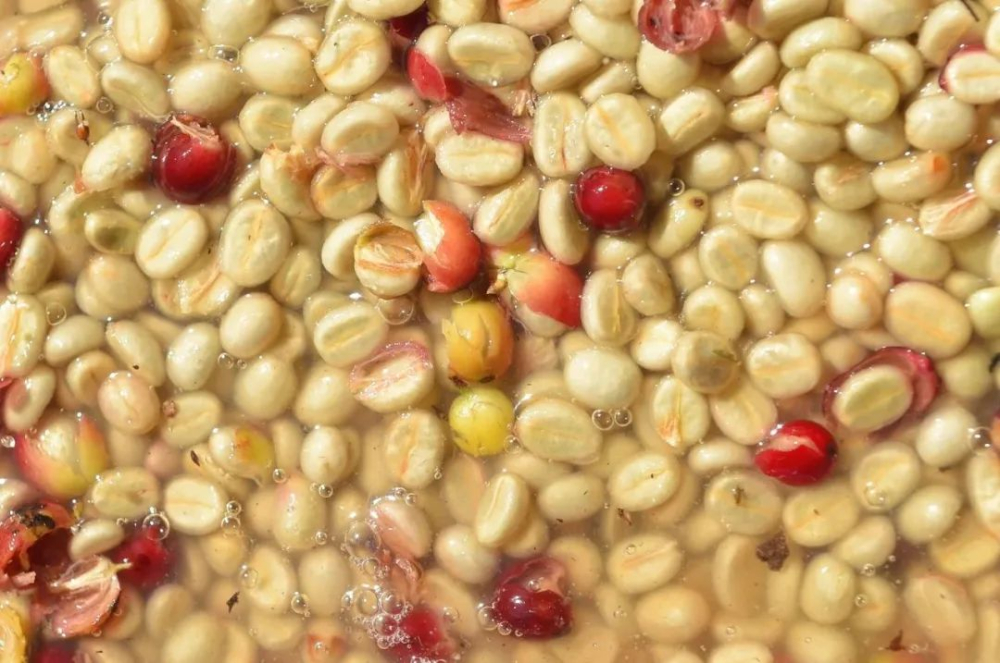
③ Fermentation and Mucilage Removal: The mucilage (i.e., the pulp layer) is highly adhesive. It is placed in a clean water tank and left to sit for 18 to 36 hours. Microbial fermentation produces acidic substances that soften and break down the sticky layer.
④ Washing Mucilage: After fermentation, clean water is added and gently agitated to separate the broken-down mucilage from the bean surface, ultimately leaving only parchment-covered coffee beans.
⑤ Sun Drying: After removing obviously defective beans, the parchment beans are evenly spread on cement floors, waterproof tarps, or drying beds and dried for 5 to 14 days depending on weather conditions, reducing moisture content from 55% to 11%.
⑥ Storage: The dried parchment beans are stored sealed until just before export, when the final parchment layer is removed.
Why try washed Yirgacheffe? This classic bean variety, after medium-light roasting, often presents a refreshing combination of jasmine, citrus, lemon, and green tea, making it especially suitable for pour over or cold brew—clearly showcasing bright acidity and a long aftertaste. If you prefer a richer, more balanced flavor, you can compare it with medium-dark roasted Blue Mountain No. 1—even though it’s also washed, its chocolate, cream, and caramel notes are more rounded, highlighting the adaptability of the processing method under different roast levels.
The flavor soul of washed coffee lies in its “cleanliness.” From the initial removal of defective beans to the fermentation stage that enhances acidity, the resulting layers and purity far surpass most other processing methods. This technique is particularly well-suited for showcasing the delicate flavors of high-altitude regions like Yirgacheffe—balanced sweet and sour notes with a refreshing aftertaste.
Practical Pour Over Parameters for Yirgacheffe
Recommended medium-fine grind (about 78% passing rate through a Chinese standard No. 20 sieve): Too coarse leads to under-extraction and thin flavors; too fine may cause over-extraction and bitterness due to high temperatures. Water temperature should be controlled at 90–91°C to better highlight the bright fruity acidity. The coffee-to-water ratio is suggested at 1:16, moderately diluting acidity to make the citrus tones and tea-like qualities stand out more.
Pulsed pouring is key: First, pour 30g of water for a 30-second bloom to help the coffee grounds fully expand. For the second pour, add 120g of water in small circles from the center (at a height of 5cm, gently pour to avoid disturbing the coffee bed). When the water level drops to half the coffee bed, start the third pour, circling from the center outward (at a flow rate of about 4g/s), stopping after the total water reaches 240g. Keep the total extraction time between 2 minutes 00 seconds and 2 minutes 10 seconds to ensure even release of flavor compounds.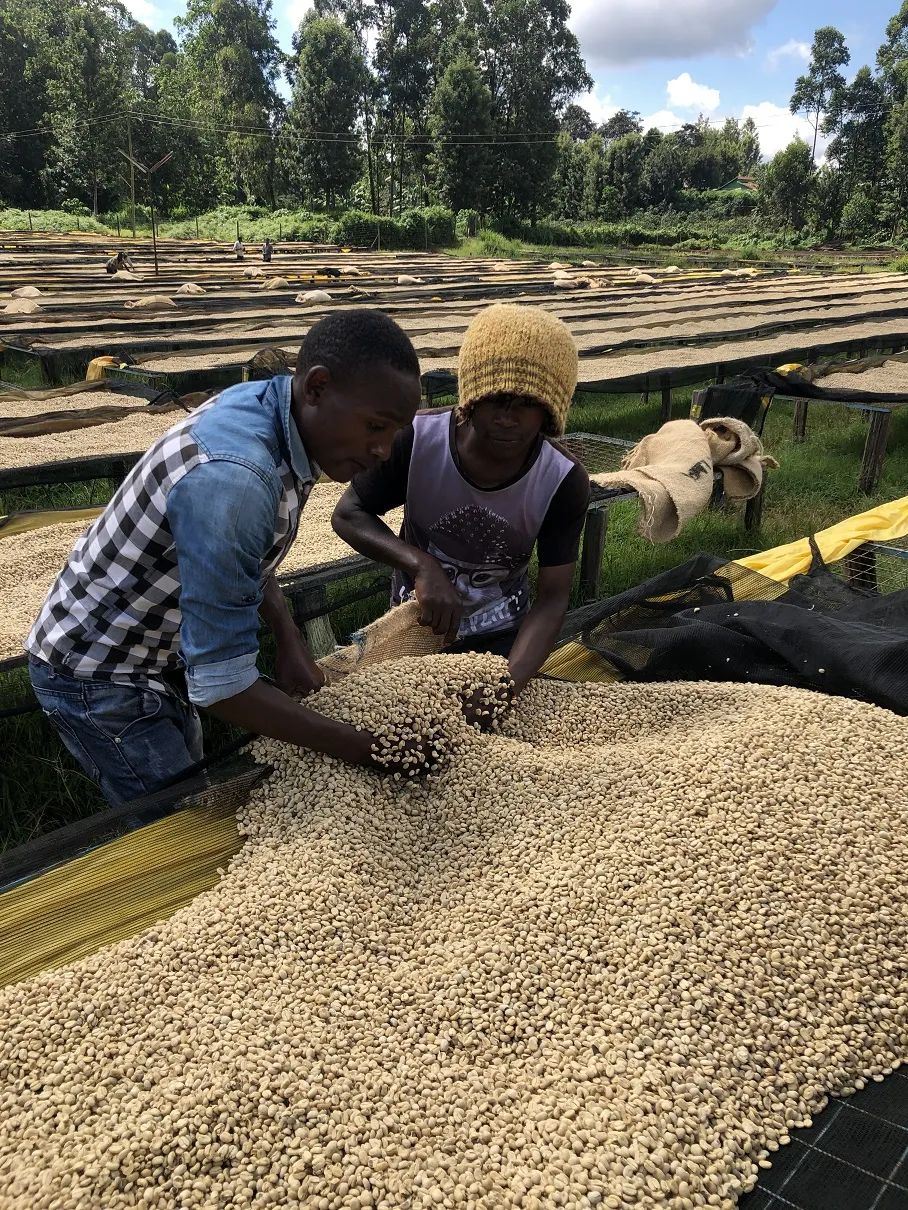
Tip: Use freshly roasted coffee beans (recommended within 7–21 days post-roast), and preheat the filter cone and server to improve overall extraction efficiency. For a lighter mouthfeel, you can slightly adjust the ratio to 1:17; for a stronger flavor, extend the bloom time to 40 seconds.
The above content is compiled by CoffeeHunters, a coffee news website.


