







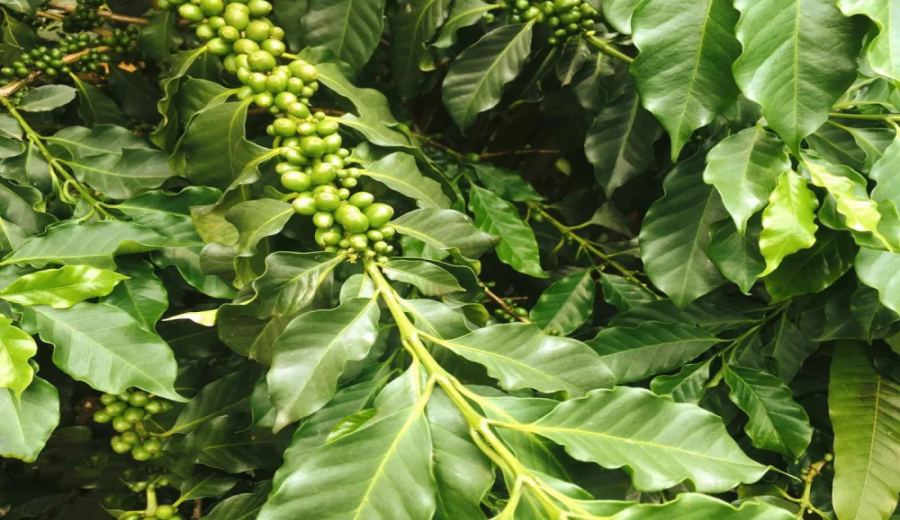
Introduction:Did you know that Yunnan’s small-grain coffee is actually part of the Arabica family? This article delves into the planting history and evolution of the main coffee varieties in Yunnan—from early Typica to today’s dominant Catimor—and explains their genetic makeup, washed processing methods, and flavor profiles. Learn why Catimor has become mainstream, yet is often perceived as having more ordinary flavors, and how appropriate processing methods can unlock the potential of Yunnan coffee.
Although called “small-grain” coffee, Yunnan’s small-grain coffee actually belongs to the Arabica species in botanical classification. The term “small-grain” is mainly used to distinguish it from the medium-grain Robusta grown in places like Hainan in China. Currently, the most widely planted variety in Yunnan is Catimor, which has become the farmers’ primary choice due to its strong disease resistance and high yield per unit. However, in some high-altitude areas such as Baoshan, small amounts of Typica and Bourbon varieties can still be found. These ancient varieties, though lower in yield, possess richer flavor complexity.
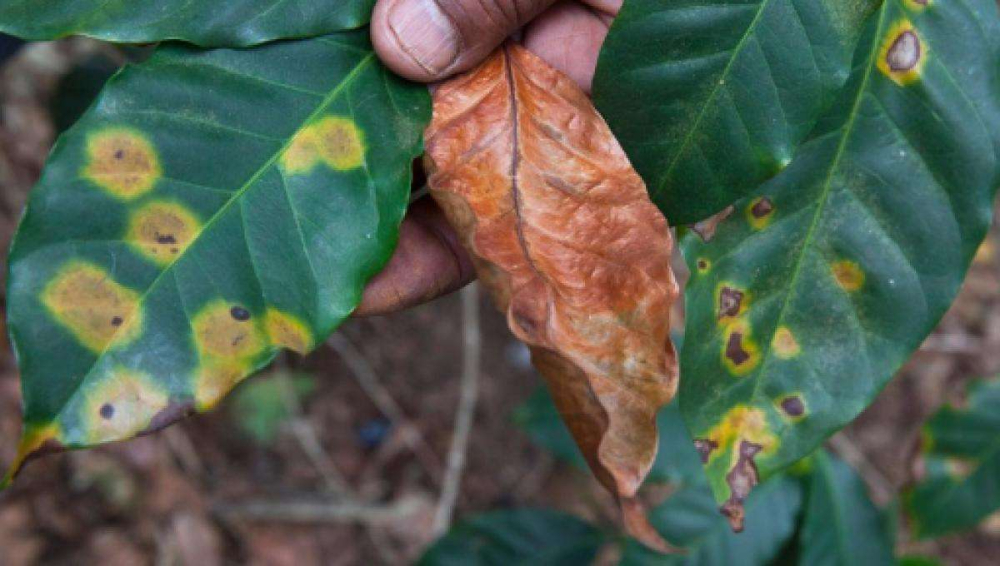
Going back to 1904, a French missionary planted the first coffee tree in Yunnan. It is verified that this tree was of the Typica variety from Yemen. However, over time—especially during the 1980s and 1990s—coffee leaf rust severely impacted global coffee-growing regions. Due to its weak disease resistance and low yield, Typica gradually fell out of favor with farmers. In the 1990s, under the guidance of international companies like Nestlé, Yunnan introduced the Catimor variety originating from Latin America. This is a hybrid of Caturra (Arabica) and Timor (a Robusta lineage), carrying about 25% Robusta genes.
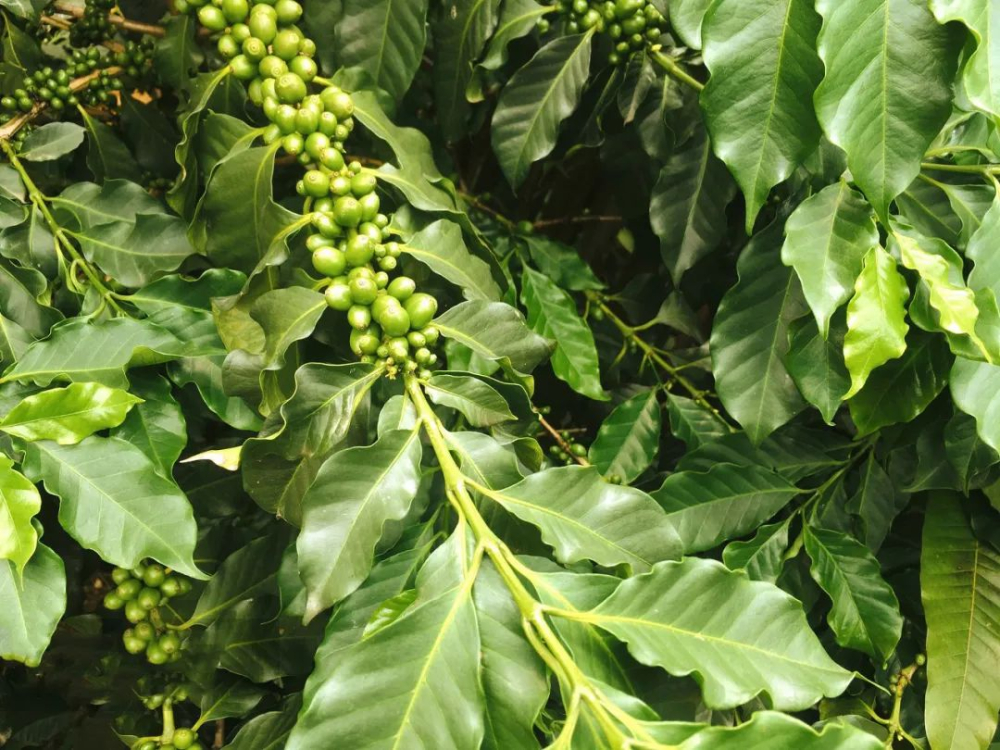
Catimor’s genetic makeup gives it the dual advantages of disease resistance and high yield, enabling it to adapt to Yunnan’s varied climate and geographical environment. Especially on slopes above 1,200 meters, combined with the region’s fertile red soil, abundant sunlight, and significant diurnal temperature variation, Catimor can thrive healthily. However, due to its Robusta lineage, Catimor generally does not perform as well in flavor compared to pure Arabica varieties such as Caturra or Catuaí. This is also one of the reasons why Catimor often scores lower in many specialty coffee cuppings.
When it comes to coffee processing methods, washed processing is one of the most common techniques used for Yunnan coffee. The basic process is as follows: first, the harvested coffee cherries are placed in a water tank, where unripe cherries and impurities are removed using buoyancy principles; next, a pulper removes the outer skin and most of the pulp; then, the beans with mucilage are soaked in clean water tanks for fermentation, where microbial action breaks down the pectin layer; after fermentation, the beans are thoroughly rinsed with clean water to remove residual pectin. At this stage, the beans are still covered by the parchment layer, known as parchment coffee; finally, depending on weather conditions, sun drying or mechanical drying is chosen to reduce the moisture content to around 12%, after which a hulling machine removes the parchment layer, yielding the green beans we commonly see.
It is worth noting that in recent years, many producing regions have experimented with special processing methods such as honey processing or anaerobic fermentation to enhance coffee aroma and flavor expression. However, some roasters and coffee enthusiasts believe that over-reliance on these techniques may mask the intrinsic regional characteristics of the coffee beans. Industry is one of them—they insist on using traditional washed and sun-dried methods to showcase the most authentic flavor profile of Yunnan’s small-grain coffee. For example, their regular bean series is processed using the washed method, presenting clear fruit acidity and a balanced neutral body; another highly praised offering, ‘2013’, is made from the Typica variety grown in their own farm in Lincang and processed via sun drying, which enhances sweetness and fruity notes, delivering a more delicate and layered profile.
In terms of flavor profile, Yunnan small-grain coffee is often described as neutral, with moderate acidity and a mellow bitterness, making it suitable for medium roasting to highlight its balanced characteristics. Take ‘2013 Yunnan Typica’ as an example—it is often cupped with a sweet-tart plum note, accompanied by aromas of dried fruit, chocolate, and nuts. The overall flavor structure is harmonious yet layered. Additionally, to allow consumers to more conveniently experience the charm of Yunnan coffee in daily brewing, a Black Cocoa-based blend designed specifically for moka pots and espresso machines has also been launched. It combines the creamy, nutty profile of Brazilian coffee with the soft fruit acidity of Yunnan small-grain coffee, creating the balanced mouthfeel and rich crema required for espresso.
Finally, a reminder to coffee lovers: no matter which Yunnan coffee beans you choose, freshness is a key factor affecting flavor performance. It is generally recommended that coffee beans undergo a 4 to 7-day resting period after roasting to reach their peak flavor. To ensure consumers receive beans at their best, Industry only ships products roasted within the last 5 days, allowing every cup of coffee to showcase the truest and most captivating flavor traits of Yunnan’s small-grain coffee.
The above content is compiled by CoffeeHunters, a coffee news website.


