








Introduction:Drip bags are the lifesaver of coffee in busy lives, allowing you to enjoy pour over flavors without professional equipment. This article selects ten premium drip bag beans from different regions, detailing the unique flavor profiles of varieties such as Yunnan Typica and Yirgacheffe Red Cherry, and provides expert-level brewing parameters and storage tips to help you quickly advance from a beginner to a drip bag coffee connoisseur.
In the fast-paced modern life, drip bags have become a daily choice for many coffee lovers due to their convenience and consistent quality. Whether at home, in the office, or while traveling, just add hot water and a cup, and you can easily brew a full-flavored black coffee.
The key to choosing a drip bag coffee that suits your taste lies in understanding the characteristics of different regions and processing methods. If you’re already accustomed to pour over brewing, you can directly choose your preferred single-origin bean; if you’re new to coffee, it’s recommended to start with varieties that have distinct yet balanced flavors.
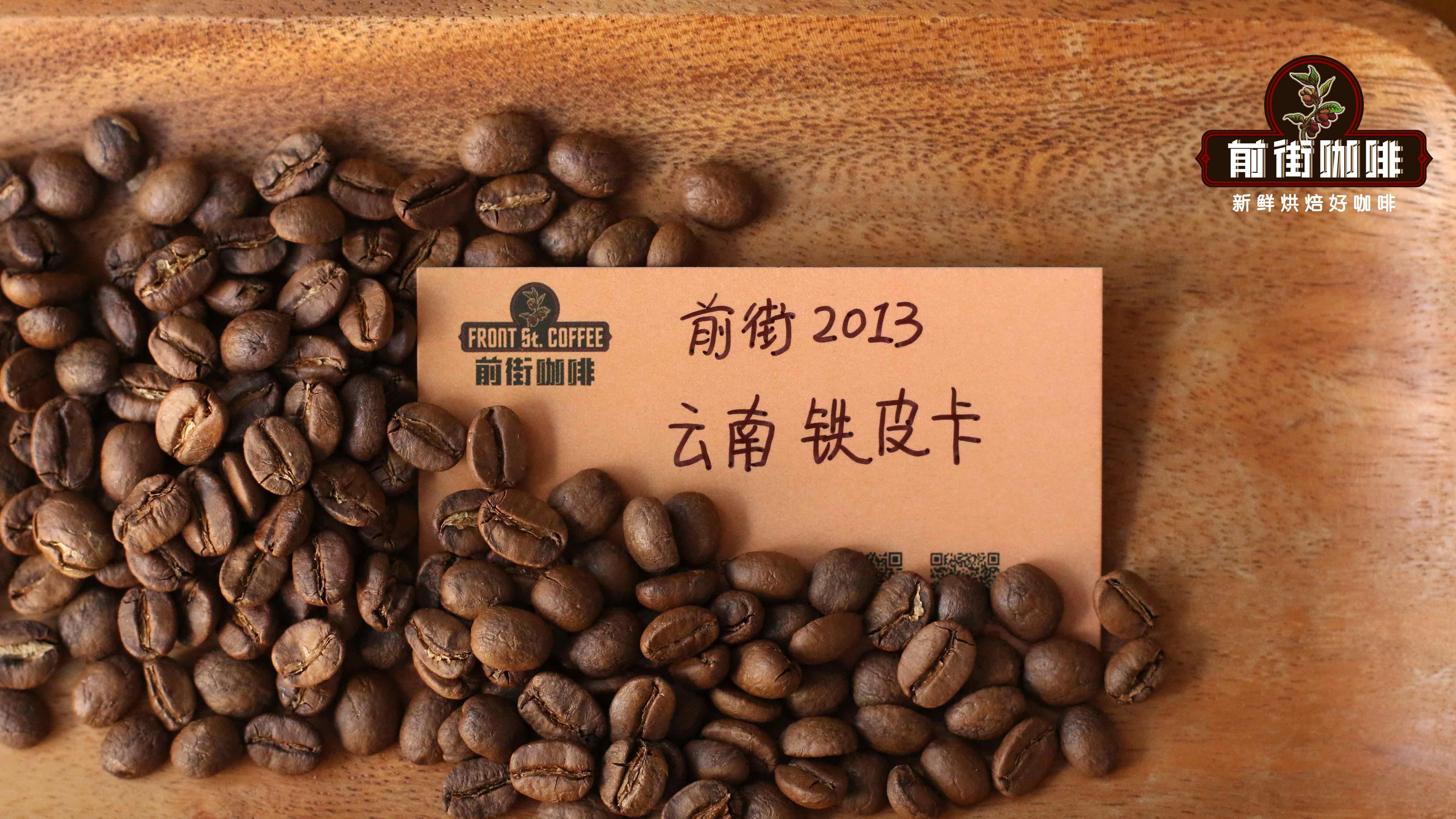
The Yunnan Baoshan Typica drip bag coffee is grown at an altitude of 1200 meters and processed using the traditional natural (sun-dried) method. After brewing, it showcases a rich fruity aroma profile, with notes of nuts and creamy chocolate in the mid-palate, and a lively plum acidity in the finish, making it ideal for those who enjoy fruity flavor profiles.
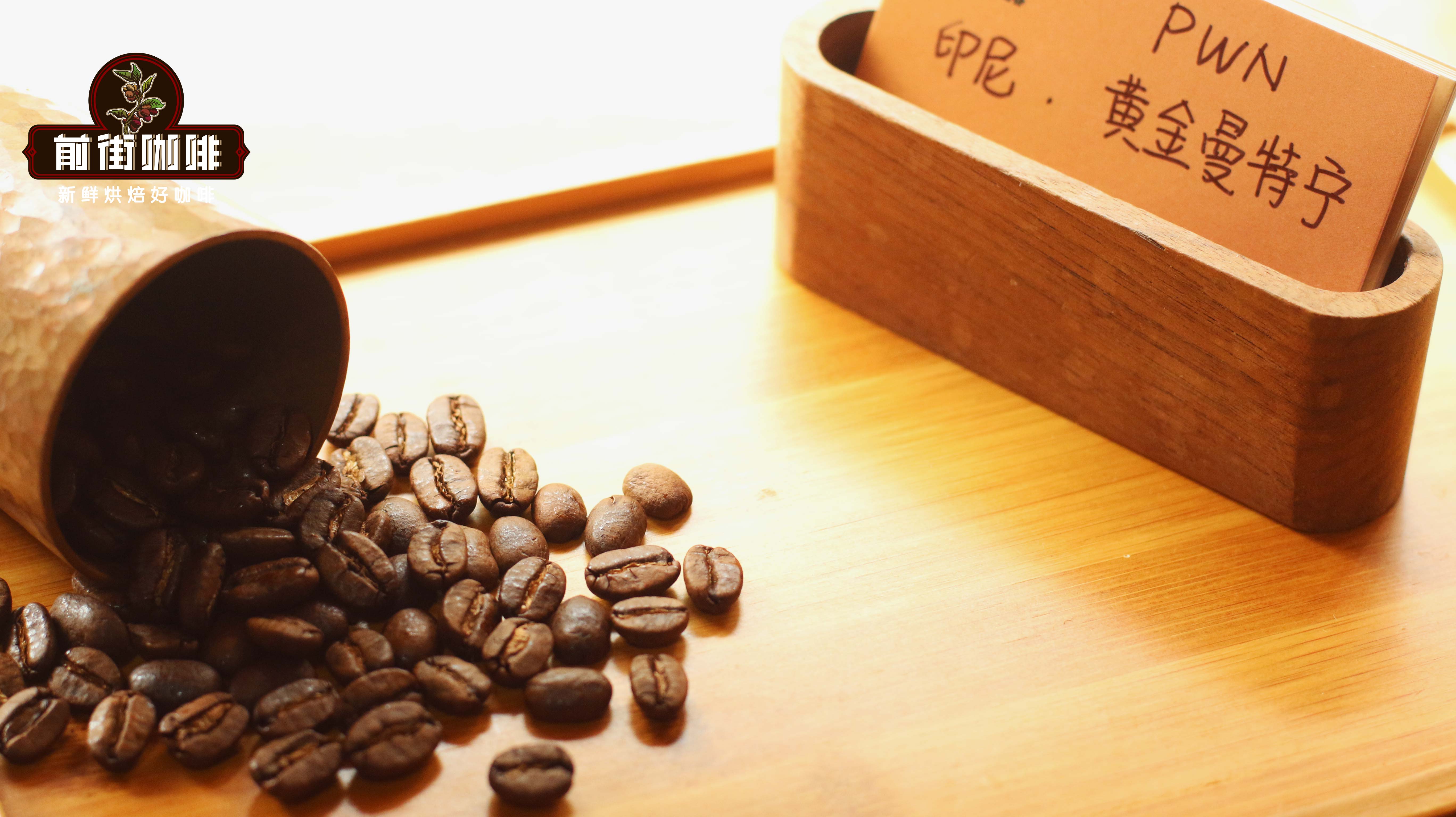
Indonesia’s Golden Mandheling presents a distinctly different flavor profile. Sourced from the Gayo highlands of Sumatra and processed using the region’s unique wet-hulling method, this bean delivers intense herbal and caramel aromas, with a full body and long-lasting aftertaste. Carefully selected through three rounds of manual sorting to ensure uniform bean size, it is especially suited for consumers who prefer low acidity and bold flavors.
Ethiopia’s Yirgacheffe Red Cherry drip bag is a classic example of sun-dried processing. Grown at altitudes of 1700–2200 meters in the Yirgacheffe region and using native Ethiopian coffee varieties, it exhibits bright berry and lemon acidity paired with fermented wine-like notes. This bean originates from the Red Cherry Project, which aims to improve coffee farmers’ incomes, and through careful hand selection and quality processing, it showcases the unique charm of Ethiopian coffee.
Brazil’s Queen Estate semi-washed Yellow Bourbon drip bag highlights the typical traits of South American coffee. Grown in the Mogiana highlands, this bean blends notes of nuts, roasted peanuts, and caramel, with a warm dark chocolate tone in the finish. Its overall flavor is round and balanced, making it an excellent choice for experiencing Brazilian coffee characteristics.
The greatest advantage of drip bag coffee is its balance of convenience and quality. Compared to instant coffee, drip bags use freshly ground coffee powder, contain no artificial additives, and deliver a pour over-like flavor with simple brewing. However, drip bags have a shorter best-before period, so it’s recommended to consume them within two weeks after opening to fully experience the coffee’s layered flavors.
Proper storage is crucial for maintaining coffee freshness. For long-term storage, unopened drip bags can be placed in a sealed container and refrigerated, or divided into smaller portions and frozen. It’s important to avoid repeated exposure of the coffee powder to air and light to minimize the risk of oxidation and spoilage.
When brewing drip bag coffee, it’s recommended to use water at 90°C, starting with about 10 seconds of blooming, followed by pouring an amount of water roughly equal to the coffee grounds. You may then use either a single or multiple pour method, adjusting the total water volume based on your cup’s capacity—typically filling a 300ml glass cup about seven-eighths full. Avoid multiple brew cycles to prevent significant flavor degradation.
The above content is compiled by CoffeeHunters, a coffee news website.


