







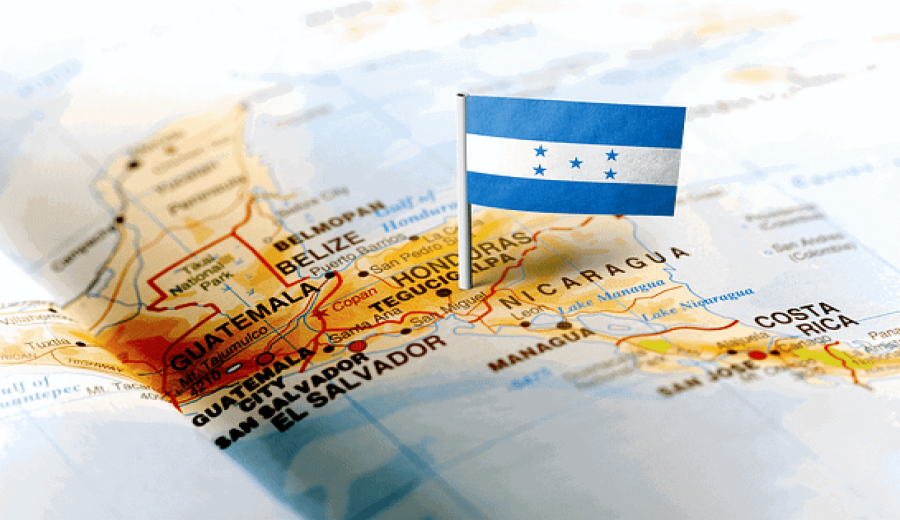
Introduction:As a rising star in Central America, Honduras is renowned for its washed Arabica beans that feature layered floral and fruity aromas with a nutty chocolate finish. This article delves into the microclimate differences across six core regions including San Juan, provides a comprehensive bean selection guide ranging from altitude classification to defect standards, and through practical testing of grind size, water temperature, and pulse pouring techniques, helps you master the key pour-over methods to bring out bright acidity and a rich body.
Though not the earliest country in Central America to develop a coffee industry, Honduras has risen to become the world’s second-largest exporter of washed Arabica in the early 21st century, thanks to its exceptional geographical conditions and large-scale cultivation. This mountainous nation not only nurtures microclimates where a single region can span an altitude difference of over two thousand meters, but also employs a rigorous grading system that allows coffee enthusiasts to make precise selections based on their preferences. This article will focus on the country’s most representative washed processed beans, systematically breaking down the technical essentials that deliver their unique flavors—from regional terroir to actual brewing methods.
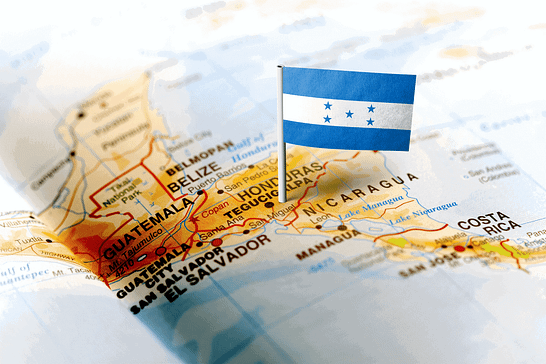
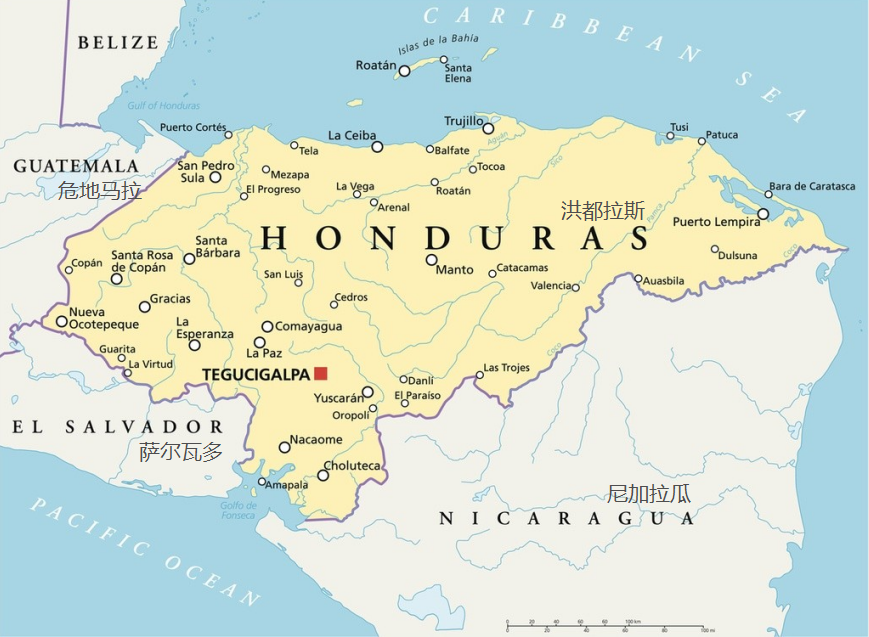
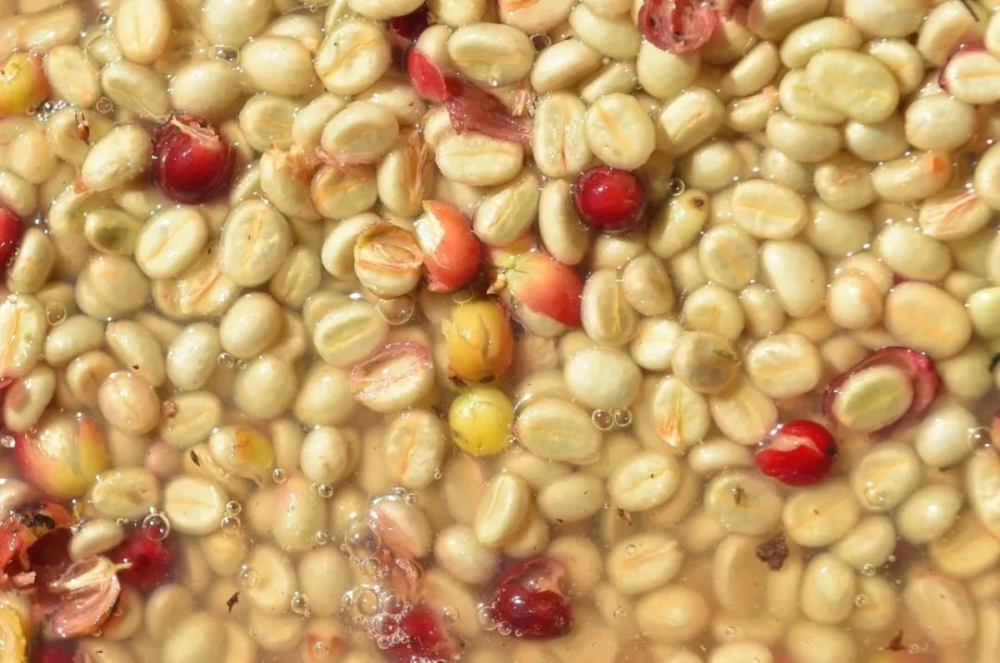
Over seventy percent of Honduras is mountainous, with the central mountain range stretching from west to east. The distance from the Caribbean Sea and the Pacific’s Fonseca Bay creates distinct regional climate variations. The country’s coffee plantations, spanning more than 280,000 hectares and mostly family-run, rely entirely on manual selection of ripe cherries during the harvest season from November to March each year. Notably, its washed processing techniques have significantly improved in quality control standards for mucilage removal and drying, especially after the challenges of dry and unstable conditions in the 1990s and the impetus from the first Cup of Excellence competition in 2004.
In terms of quality grading, Honduras adopts a dual-track evaluation system: the first is based on planting altitude, categorized as Strictly High Grown (SHG, above 1200 meters), High Grown (HG, 1000–1200 meters), and Central Standard (CS, 600–1000 meters); the second refers to the defect ratio standards of either USP (United States Premium) or EP (European Preparation). Common commercial labels such as Honduras SHG EP indicate top-tier specifications that meet high-altitude and stringent screening criteria. This transparent grading system helps consumers assess the potential flavor complexity of a bean lot.
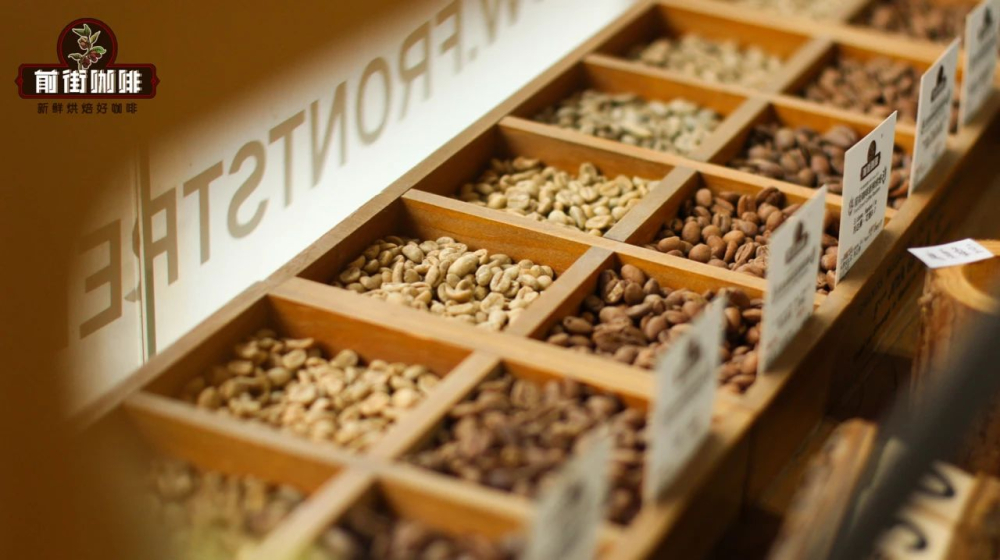
A closer look at the unique characteristics of the six major producing regions: located in the northwest, the Copán region, adjacent to Guatemala, produces Red Catuai at the Twin Flowers Estate at 1250 meters altitude. When processed via the natural method, it exhibits intense fermented wine-like aromas and berry notes. In the southwest, Montecillos, benefiting from its 1600-meter elevation and proximity to El Salvador, grows Bourbon and Typica varieties that deliver distinctive peach-like acidity and a velvety mouthfeel. Particularly noteworthy is the washed Parainema variety grown at 1400 meters in the El Paraíso region. Through strict SHG-grade selection, it showcases a vibrant citrus note akin to grapefruit peel along with a black cocoa aftertaste that emerges after cold brew.
For well-known sub-regions such as San Juan, a common trait is a temperature range between 11.5–22.5°C, coupled with regular annual rainfall of over 1300 mm, creating an ideal environment for the development of balanced sugar levels and acidity in Catuai and Pacas varieties. Among them, the Sweet Orange Estate (El Naranjo) in La Paz Province is particularly representative. Its cultivation model, using wild orange trees as shade vegetation, imparts a uniquely sweet citrus base to the Catuai variety. Paired with the clear fruity acidity structure brought by washed processing, it has become a popular entry choice for many pour-over enthusiasts.
For practical brewing, it is recommended to choose beans roasted to a medium level (bean inlet temp 200°C → yellowing at 154°C → first crack at 186.5°C), and use a V60 filter dripper for a multi-pour extraction. Specific parameters are set as follows: grind size passing 80% through a #20 sieve, 15g coffee dose, 90°C water temperature, and a total brew ratio of 1:15. Start with a 30-second bloom using 30g of water to activate enzymatic reactions, then pour in a small circular motion up to 125g for the first pour. When the water level is about to uncover the coffee bed, continue pouring to 225g to complete the extraction (total time around 2 minutes). This process effectively balances the initial release of fruity and floral notes with the lingering finish of nuts and chocolate.
Common pitfalls to avoid: over-extending the bloom time can lead to sharp, jarring acidity, while continuing to heat beyond the first crack for more than 2 minutes may cause oil oxidation and produce a cardboard-like taste. For extremely hard beans (SHG+) grown above 1400 meters, it is advised to slightly adjust the grind to a coarser setting (around 75% passing rate) to avoid over-extraction and bitterness. During brewing, pay special attention to the even collapse of the coffee bed; when the water level drops to about 0.5 cm above the coffee surface, stop pouring to ensure the flavor balance is not compromised by prolonged extraction.
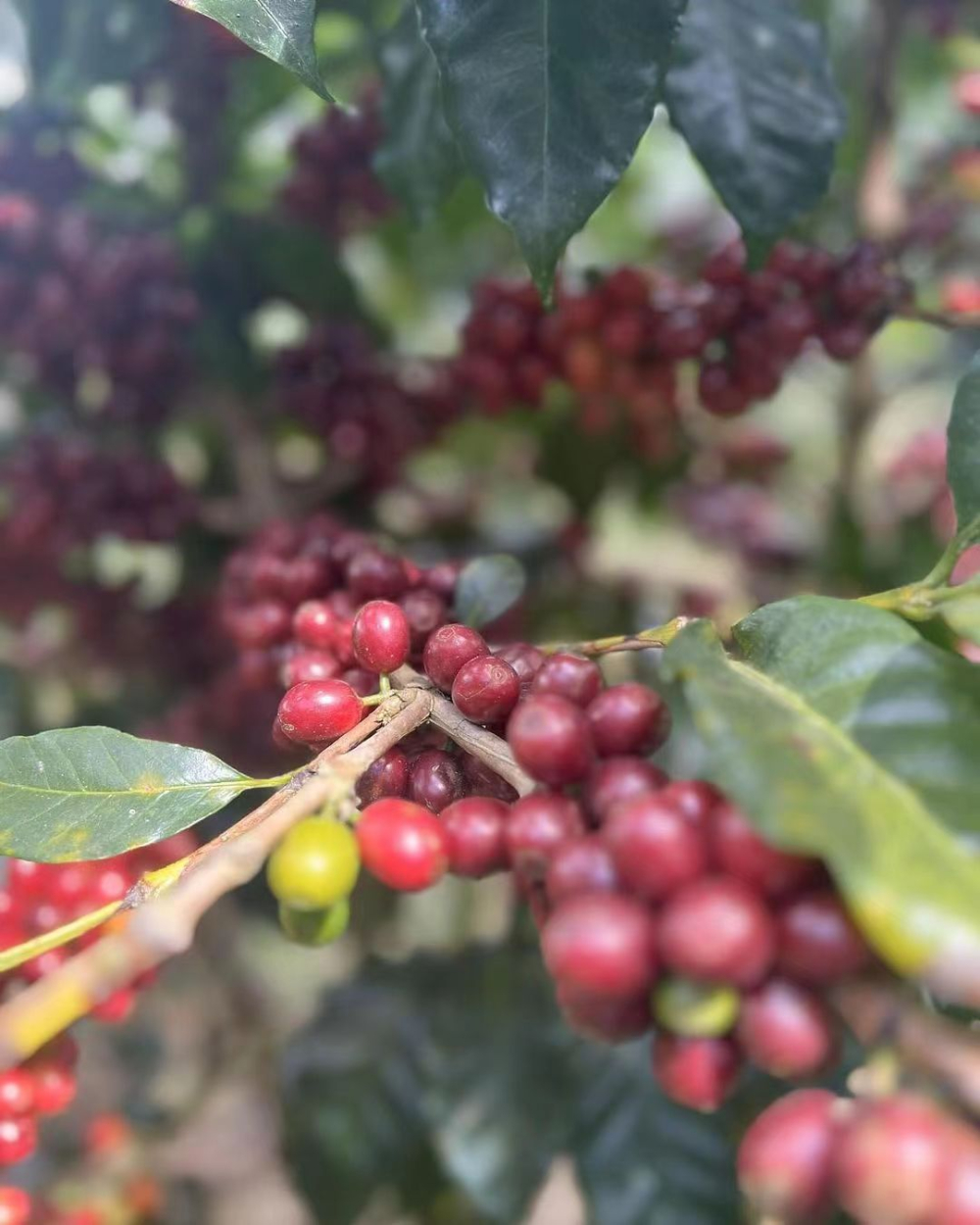
When tasting, look for the following characteristics: high-quality washed Honduran beans typically have a dry aroma with distinct spicy and chocolatey undertones, which transition into a fresh herbal scent in the wet aroma. The first sip should immediately capture the lively acidity of citrus, followed by layers of berries and melon, with the finish built upon the mellow sweetness of nuts and black cocoa. If a single flavor dominates excessively or lacks transitional smoothness, it may indicate issues with fermentation control or uneven drying during processing.
For extended applications, these beans pair particularly well with light cream or unsweetened oat milk, which further highlights their mid-palate floral notes and body richness. For storage, it is recommended to use single-serve aluminum foil packaging with a one-way degassing valve, kept in an environment of 18–22°C away from direct sunlight. After opening, try to consume within two weeks to maintain optimal flavor.
In summary, the charm of Honduras’ washed beans lies in its rigorous regional grading system and the predictable flavor profiles bestowed by its microclimates. From the intense fermented aromas of Copán to the crisp citrus notes of Paraiso, each region tells a unique terroir story. Mastering the correct brewing parameters and tasting points not only fully reveals the delicate balance of its floral, fruity, nutty, and chocolatey notes, but also provides deeper insight into the technological evolution of the Central American coffee industry.
The above content is compiled by CoffeeHunters, a coffee news website.


