








Introduction:Learn how to achieve the best harmonic blend of coffee beans from regions such as Colombia and Brazil through scientific blending. This article delves into the technical differences between pre-roast and post-roast blending, the application logic of single-origin and blended beans, and provides a hands-on breakdown of three classic espresso blend recipes — from ratio setting to roasting parameters — to help you master professional-grade flavor blending techniques.
Blended coffee is far more than just randomly mixing a few types of beans; it is an art that requires an in-depth understanding of the flavor characteristics of different regions and precise proportioning to achieve harmonious flavors and balanced mouthfeel. This article will focus on two major producing regions — Colombia and Brazil — analyzing their roles in blends, and taking you deep into the science and creativity behind blending through three practical recipes: premium blend, commercial blend, and dark cocoa blend.
First, let’s clarify the basic difference between single-origin beans and blended beans. Single-origin coffee beans emphasize showcasing the unique characteristics of a specific region or processing method, commonly used in single extraction methods such as pour over. Blended beans, or simply blends, combine beans from different regions and with different processing methods in specific proportions to pursue a more comprehensive and balanced flavor profile. Blends are often used in espresso-based drinks such as espresso and latte, providing a stable and layered taste experience.

The timing of blending can be divided into two types: pre-roast (生拼) and post-roast (熟拼). Pre-roast blending refers to mixing different beans in proportion before roasting, then roasting them together; post-roast blending means roasting each type of bean separately first, then blending them as needed. Both methods have their pros and cons — pre-roast blending helps unify the roasting curve, making it suitable for recipes requiring high flavor harmony; post-roast blending allows for fine-tuning the roast level of individual bean varieties to highlight specific flavor traits. In practice, the choice of method should be flexibly adjusted based on the recipe goals and bean characteristics.
The core objectives of coffee blending can be summarized into three points: first, ensuring flavor consistency to overcome the flavor fluctuations caused by climate or harvest year in a single origin; second, achieving balanced mouthfeel, especially when making espresso, where it’s important to avoid any single bean variety from overly dominating with acidity, bitterness, or astringency; third, maintaining long-term flavor stability so that consumers can enjoy a similar sensory experience with every cup.
Taking a deeper look at three classic blend recipes, the first is the premium blend, which uses a combination of beans from Colombia’s Huila region and Brazil’s Cerrado region in a 3:7 ratio. Colombian Huila is known for its Bourbon and Caturra varieties grown at high altitudes (1500–1800 meters), and its washed processing gives it aromas of nuts, chocolate, and caramel, with moderate acidity and a solid mouthfeel. Brazilian Cerrado, due to its lower altitude (1000–1300 meters) and lower bean density, is processed using the honey method, and medium roasting enhances its rich texture and nutty milk chocolate notes. This blend is presented with a medium-dark roast, suitable for making espresso, featuring medium body, soft mild acidity, and a sweet aftertaste.
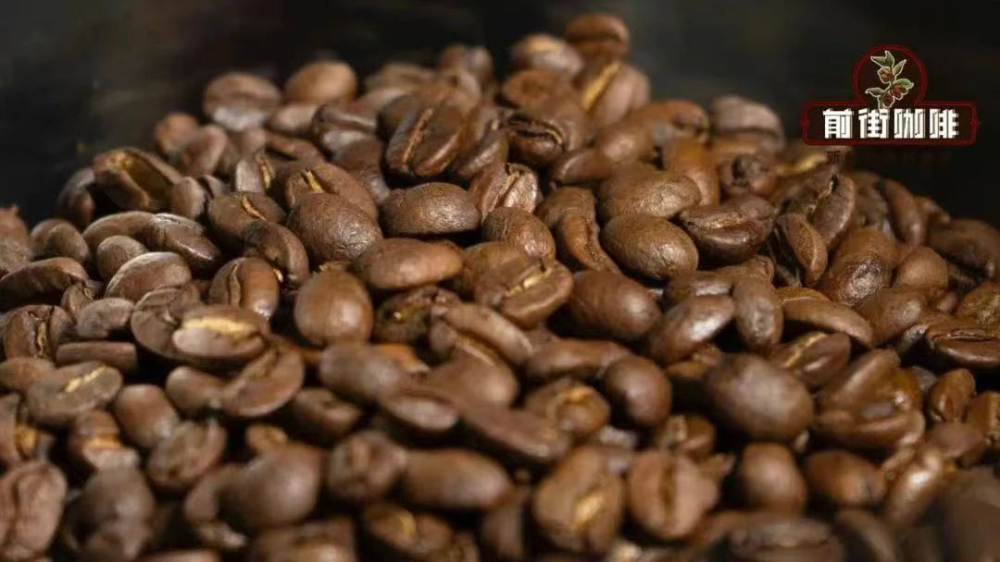
The commercial blend introduces Robusta beans, with a ratio of Colombian : Brazilian : Robusta at 3:6:1, using a pre-roast blending method. Although Robusta is often seen as suitable only for commercial use due to its high caffeine content (2.2%) and strong bitterness, its high disease resistance and low cost make it a stabilizing element in blends. This recipe, after moderate roasting, delivers an espresso with rich crema, combining caramel sweetness, nuttiness, and dark chocolate flavors, with balanced acidity and sweetness and a long-lasting finish, making it ideal for milk-based coffees such as latte and cappuccino.
Finally, there’s the highly praised dark cocoa blend, using Yunnan AA and Brazilian beans in a 3:7 ratio, processed via post-roast blending. Yunnan AA is of the Typica variety, grown at high altitudes, with flavors similar to Colombian beans, featuring fruity notes and a rich body. This blend achieves precise control over the roast levels of each bean through post-roast blending, presenting soft fruit acidity, caramel sweetness, and dark chocolate flavors. It has a smooth and viscous mouthfeel but relatively mild flavors, suitable for consumers who prefer low-acidity and gentle profiles.
Blending is a technique that fuses science and art. From bean selection and ratio setting to adjusting the roasting curve, every step influences the final flavor outcome. Mastering the characteristics of Colombian and Brazilian beans, and understanding the applicable scenarios for pre-roast and post-roast blending, will help you craft the perfect blended coffee tailored to your own taste.

The above content is compiled by CoffeeHunters, a coffee news website.


