







Introduction:Want to explore the unique floral and fruity flavors of Yirgacheffe but don’t know where to start with the beans? This article delves into the differences between the region’s most representative washed and natural processing methods, introduces the characteristics of the native Heirloom variety, and selects 3 high-value everyday drinking beans. It also provides practical pour over tips and parameter suggestions to help coffee beginners easily master the key brewing points for bright acidity and fresh fruit aromas.
As one of Ethiopia’s most iconic coffee-growing regions, Yirgacheffe is renowned worldwide for its delicate floral notes and bright fruity acidity. The evolution of its flavor profile is inseparable from advancements in processing techniques, particularly the introduction of washed processing from Central and South America in 1972. This shift helped the region’s coffee shed the off-flavors often associated with traditional natural processing, showcasing a clean and transparent citrus and lemon profile that established its reputation in the specialty coffee market.
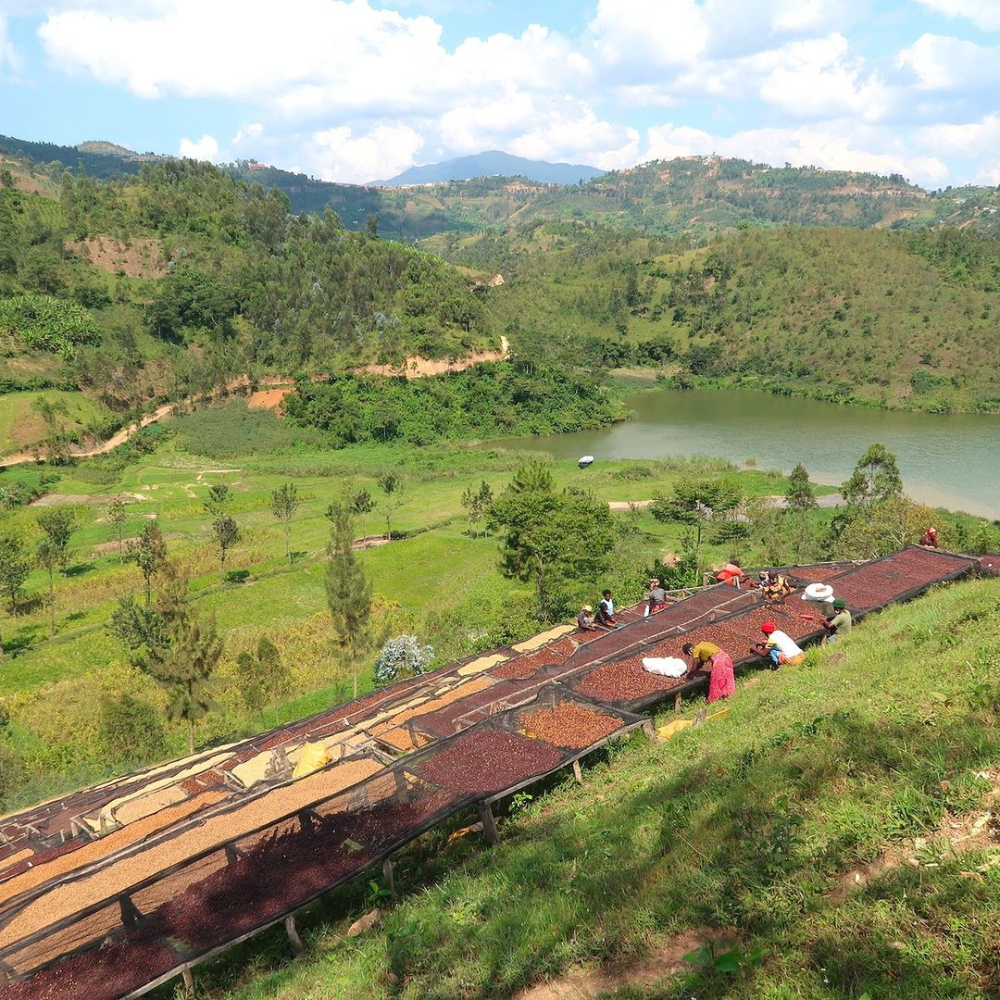
In the early days, Yirgacheffe’s coffee was mostly processed using traditional natural methods. However, due to immature techniques, harvested coffee cherries were often directly sun-dried in the open, making them prone to contamination by foreign objects and impurities. This also caused the beans to absorb the flavors of soil or overripe fruit pulp, resulting in an overall rough and inconsistent flavor. To improve quality, the Ethiopian government introduced washed processing equipment and modernized workflows in 1972, significantly enhancing cleanliness and flavor expression. This move propelled the region to become a “floral and fruity paradise” in the hearts of specialty coffee enthusiasts.
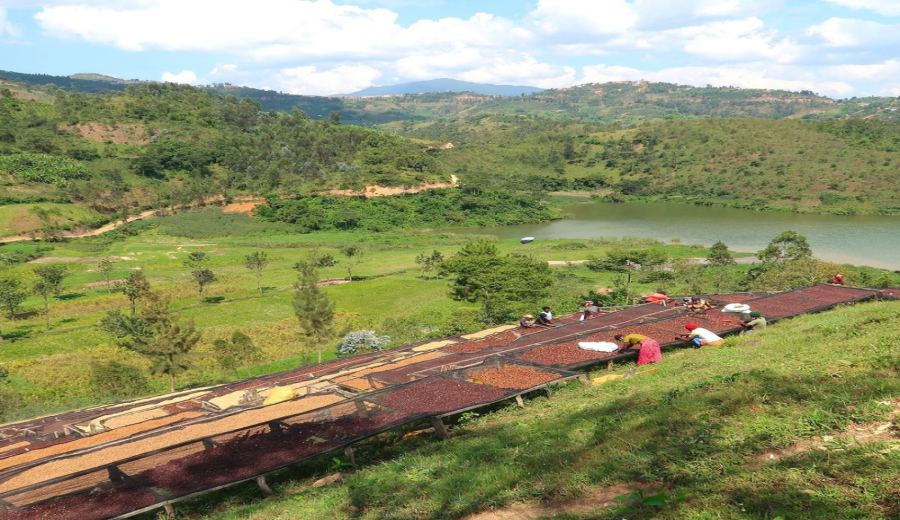
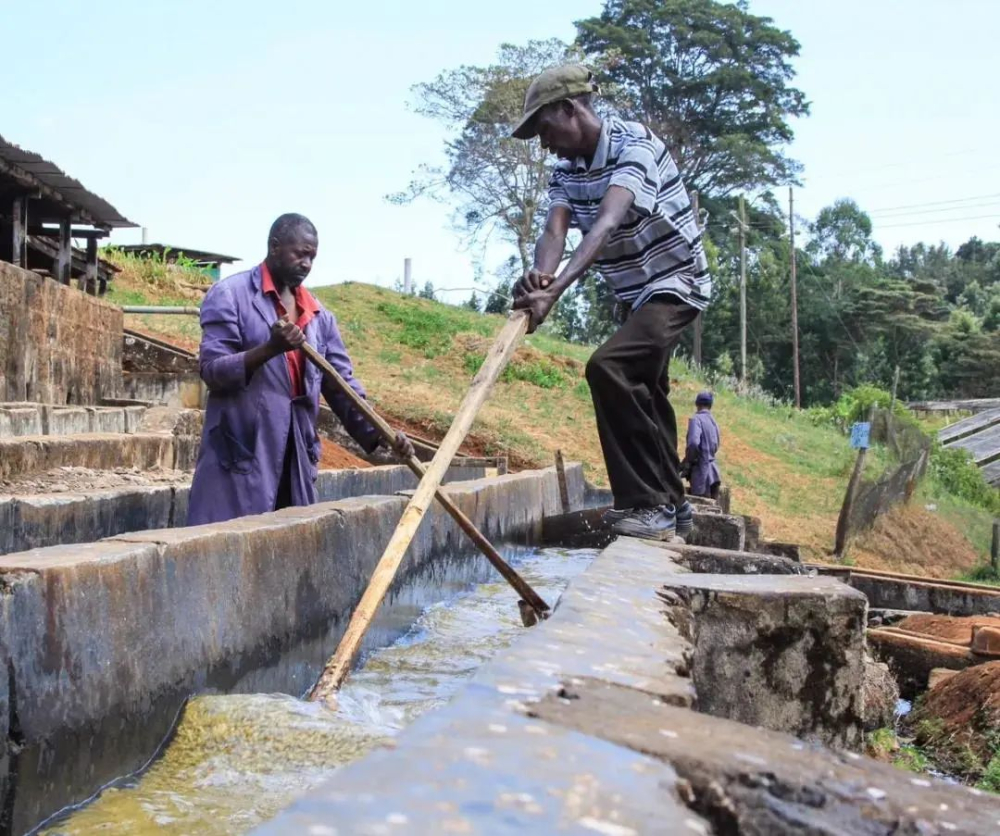
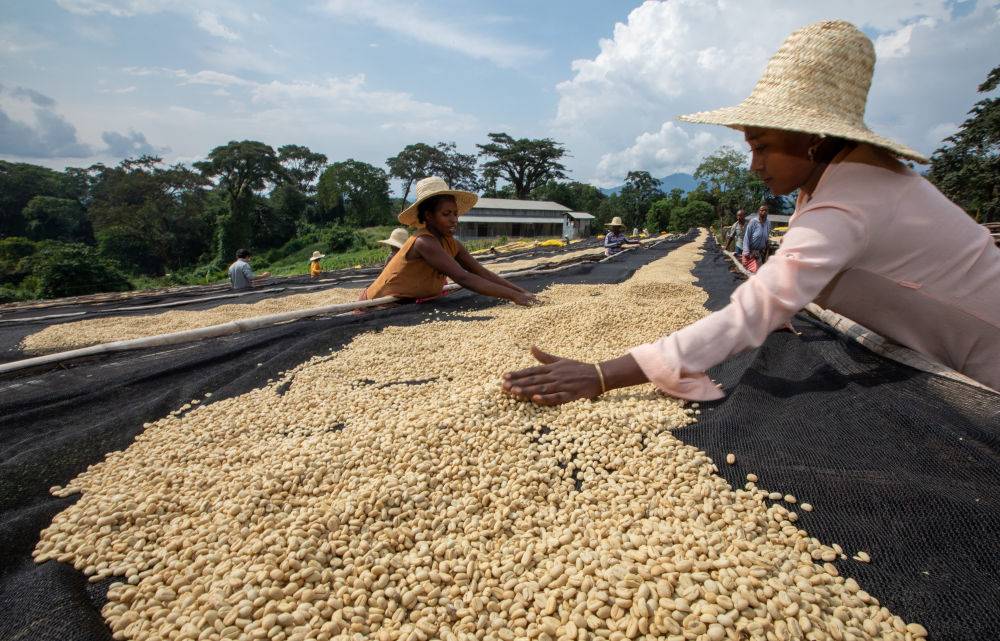
The main difference between washed and natural processing lies in the former’s use of multiple steps to rigorously sort and process green coffee beans. First, harvested coffee cherries are subjected to floatation to remove defective beans with insufficient density. Then, the fruit skin and pulp are removed, followed by placing the beans in fermentation tanks for 18 to 36 hours to break down the mucilage (the time is slightly adjusted based on ambient temperature and humidity). Next, water channels are used to separate lower-quality beans by density, and finally, the parchment-covered beans are dried on African-style raised beds for about 14 days until the moisture content stabilizes at the target level before being stored.
In terms of variety, Yirgacheffe mostly uses the local native Heirloom variety. Since Ethiopia is home to the world’s largest genetic repository of Arabica Coffea arabica, with tens of thousands of varieties—many of which have not yet undergone complete genetic identification—farmers often identify plants based on experience. To protect these precious genetic resources, the authorities uniformly refer to them as Heirloom (native variety) to prevent commercial misuse and genetic leakage.
If you’d like to try the classic flavors of Yirgacheffe, you might want to start with the following three everyday drinking beans: Washed Yirgacheffe, Natural Red Cherry, and Washed Guji Diding. These beans are not only affordable but also showcase the region’s most representative floral and fruity profiles, making them excellent choices for entering the world of specialty coffee.
Among them, Yirgacheffe processed via the washed method typically has a crisper acidity and cleaner mouthfeel, making it suitable for those who enjoy lemon, citrus, and tea-like flavors. In contrast, the natural process enhances berry, floral, and subtle fermentation layers, resulting in a richer and sweeter taste. Both have their unique characteristics, and it’s recommended to choose based on personal flavor preferences.
In terms of roast level, to highlight Yirgacheffe’s bright acidity and delicate aromas, a medium-light roast is generally recommended. For example, a light roast can preserve more white floral notes, lemon tones, and a green tea-like refreshing aftertaste. Since these extremely hard beans are grown at high altitudes and roasted lightly, it’s important to use higher water temperatures and finer grind sizes during extraction to fully release the flavors.
Here are some practical brewing parameter suggestions: Use a Hario V60 filter, control the water temperature at 91–93°C, use 15 grams of coffee, a 1:15 coffee-to-water ratio, and a medium-fine grind (approximately 80% through a Chinese standard No. 20 sieve). Employ a three-stage extraction method: start with a bloom using twice the amount of coffee (about 30 grams) for 30 seconds to allow the coffee grounds to fully expand. Then, pour water in small circles from the center outward to 125 grams, pause until the coffee bed descends to the middle of the filter, and then continue pouring to 225 grams to complete the extraction. The total time is about 2 minutes, helping to balance sweetness, acidity, and body.
Whether you prefer bright fruit acids or richer flavors, Yirgacheffe’s diverse processing methods can meet different needs. By understanding the differences between washed and natural processing, and pairing them with appropriate grind and extraction parameters, even beginners can easily brew layered specialty coffee and experience the unique charm of Ethiopia’s highlands.
The above content is compiled by CoffeeHunters, a coffee news website.


