







Introduction:Kenyan coffee is renowned for its distinctive berry acidity and sweet tomato-like notes, making it a highly sought-after bean among specialty coffee enthusiasts worldwide. This article delves into the variety origins of Kenyan coffee, the key techniques of the K72 washed process, and how the country maintains consistently high flavor standards nationwide through scientific grading and rigorous quality control. It also offers professional-grade pour over recommendations—including grind size, water temperature, brew ratio, dosage, and pulse pouring techniques—to help you easily extract Kenyan beans’ bright fruit acidity and sweet aftertaste.
In the world of specialty coffee, Kenyan coffee has carved out a unique position thanks to its vibrant berry acidity and unique tomato-like sweetness. These flavor characteristics are no accident but the result of a combination of variety, processing method, and grading system. This article will take you deep into the flavor code of Kenyan coffee—from the breeding background of the SL varieties, the unique craftsmanship of the K72 washed process, to how to achieve its optimal flavor expression through correct brewing methods.
With the growing popularity of specialty coffee, consumers are paying more attention to the origin stories and unique flavors behind their coffee. Especially under the influence of the third wave coffee movement, light roasts and origin traceability have become mainstream. Kenyan coffee, with its bright fruitiness and exceptional flavor consistency, has become the top choice for many coffee lovers. If you want to experience a coffee as clear and bright as juice, Kenyan beans are definitely worth a try.
However, to fully unlock the rich fruity aromas and the sweet taste of ripe tomatoes in Kenyan coffee, mastering the correct brewing techniques is crucial. First, we need to understand the basic characteristics and processing background of this coffee bean in order to adjust brewing parameters according to its traits and achieve the best extraction results.
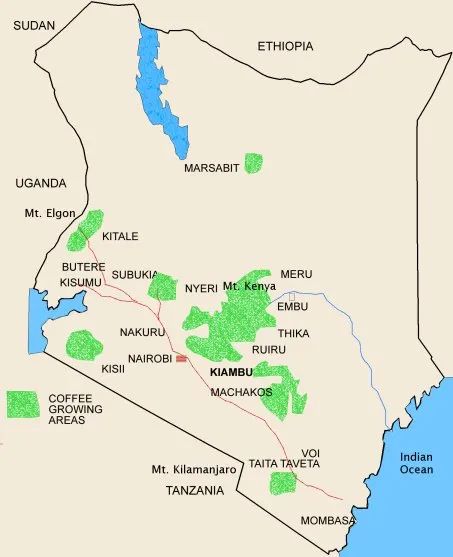
The flavor consistency of Kenyan coffee is rare among coffee-producing regions worldwide, thanks to its standardized variety selection and processing techniques. Looking at Kenya on the map, directly to its north lies Ethiopia, home to wild coffee trees—but Kenya did not directly inherit Ethiopia’s coffee genetics. Kenya’s coffee cultivation history spans about 120 years, roughly comparable to that of Yunnan, yet the development paths have been vastly different.
In the 1930s, through variety selection at the Scott Laboratories, Kenya successfully cultivated the two major varieties SL28 and SL34, which were then promoted for nationwide planting. These two varieties naturally possess outstanding berry-like acidity, forming the flavor foundation of Kenyan coffee. Interestingly, these varieties were later introduced to Central America, and even the champion bean of last year’s COE in Costa Rica was made using a blend of SL28 and Geisha. The characteristics of these varieties directly determine the bright acidity and rich complexity of Kenyan coffee.
To enhance the disease and pest resistance of coffee trees, the Kenya Coffee Research Institute introduced a new variety, Ruiru11, in 1985—a hybrid similar to Catimor. However, cupping Kenyan beans containing Ruiru11 revealed slightly weaker acidity and sweetness, along with mild off-flavors, proving that the impact of variety on flavor cannot be overlooked.
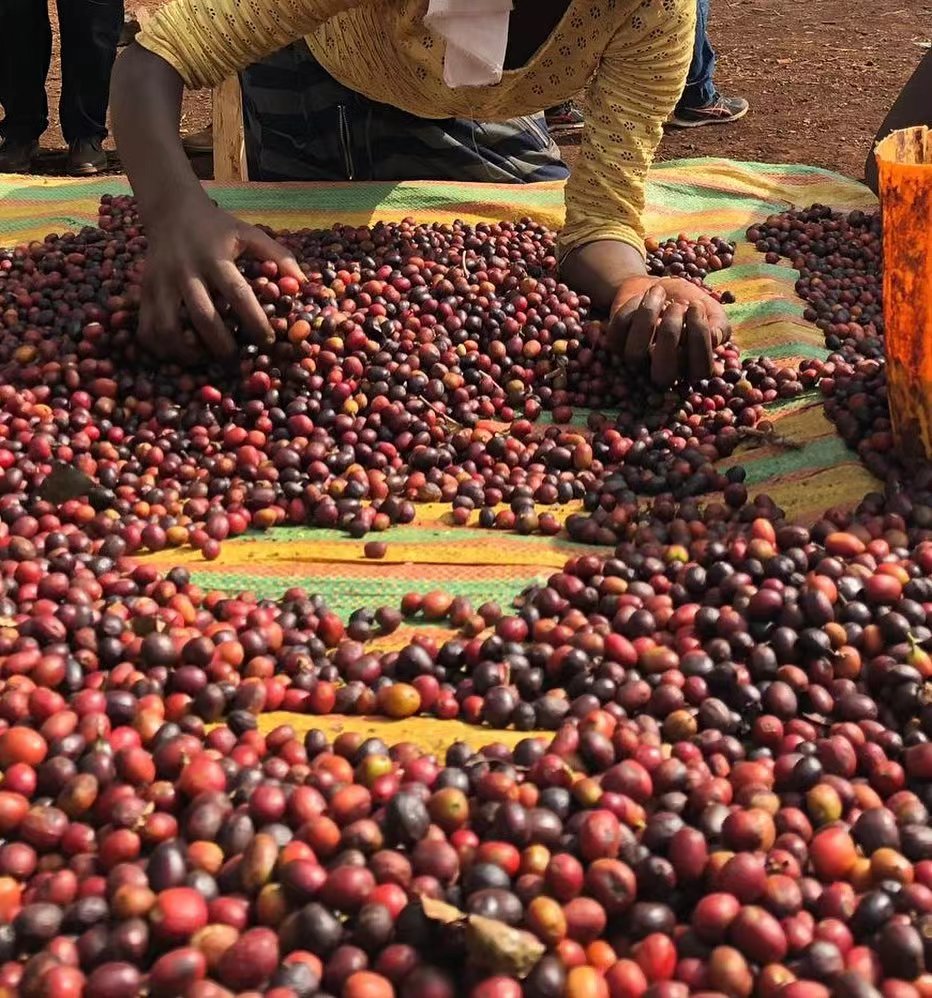
Kenya coffee’s unique bright acidity is closely related to its distinctive K72 washed process. Typical washed processing usually involves only 24 to 48 hours of fermentation, but Kenya employs a more refined three-stage fermentation: first a 24-hour washed fermentation, after which the loosened mucilage is rinsed off, then a second 24-hour fermentation in a clean water tank, followed by another rinse and a third 24-hour fermentation—totaling72 hoursof fermentation time. This deep-washed process ensures stable quality control while imparting a brighter acidity and cleaner sweetness to the coffee.
Kenya’s grading system is also noteworthy. The country grades coffee beans based on their physical size, whereAA gradeis the highest, followed byAB grade. This size-based grading helps ensure consistent quality: with well-established variety selection, larger beans are typically plumper, of higher quality, and more roast-friendly. As a result, although different regions such as Nyeri, Kirinyaga, and Kiambu still retain their own subtle flavor differences, overall they all exhibit Kenya’s signature bright acidity, tomato, and berry profiles.
After understanding the basic characteristics of Kenyan coffee, we can then plan a suitable brewing approach tailored to its traits. High altitude, volcanic soil, excellent varieties, and refined processing mean Kenyan coffee beans are usually plump, large, and relatively hard in texture. A common issue during actual brewing is channel clogging, so it’s recommended to choose a grinder with a medium grind setting or use a sieve to remove excess fines, aiming for a20-mesh sieve passage rate of around 75%.
For water temperature, Kenyan coffee benefits from93°Ca relatively high brewing temperature1:16, which helps fully highlight the fruit’s sweetness, especially the flavor characteristics of tomatoes. The recommended brew ratio is
, as this balance preserves richness while managing acidity and sweetness. Even at higher extraction ratios, it doesn’t easily turn overly bitter—instead, it presents soft yet bright plum-like acidity along with the tangy-sweet aroma of tomatoes.For coffee dosage, if using a small V60 filter, it’s advised to use15 gramsof coffee grounds; if switching to a large V60, then25 grams
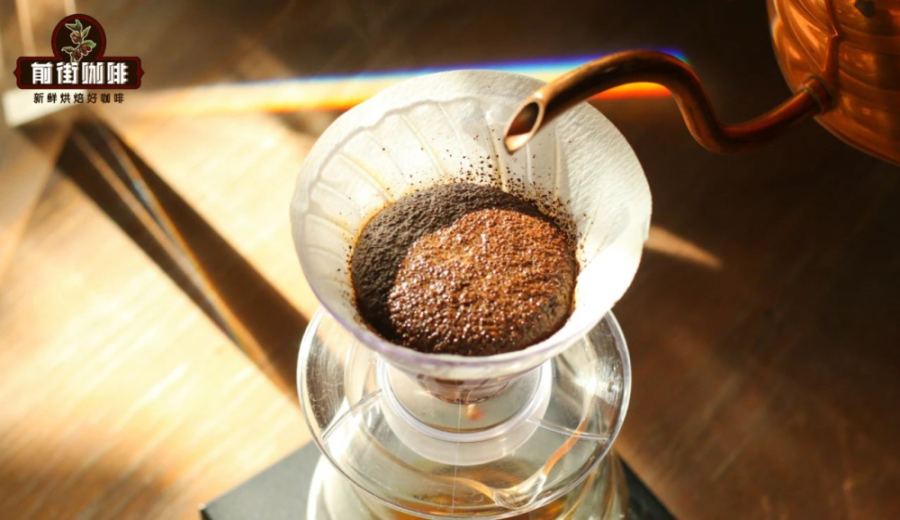
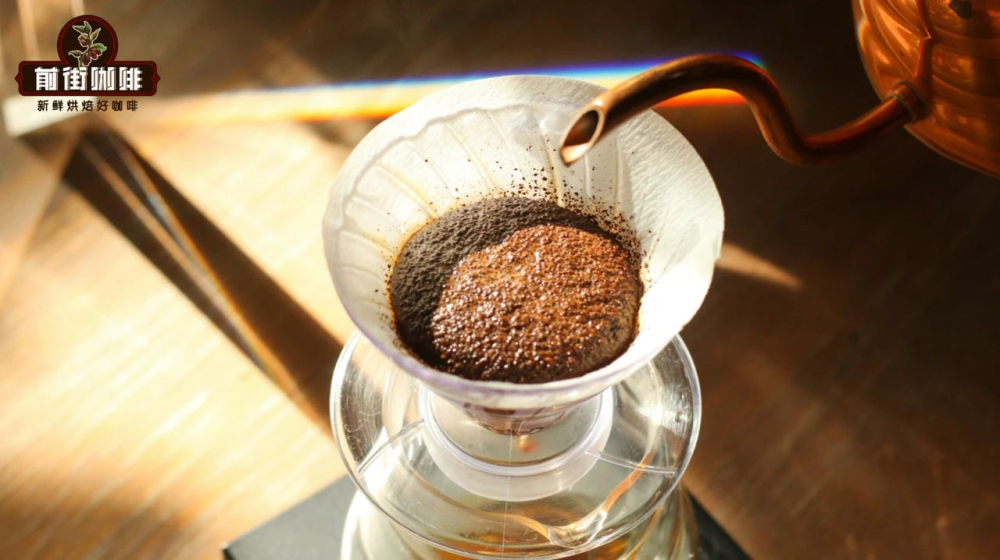
or more is recommended. During pouring, you may slightly raise the coffee bed and reduce wide circular movements to lower the risk of channeling and bottom clogging.The specific brewing steps are as follows: first pour30 ml of water for a 30-second bloom; in the second stage, pour120 ml of water, circling from the center outward. Once a golden crust forms on the surface, tighten the pour back to the center, keeping the coffee bed height at half the height of the shorter ribs; in the third stage, pour90 ml of waterwith a coin-sized circle, pouring slowly. End the extraction once all the coffee liquid has dripped into the server, keeping total brew time within2 minutes (allowing a 10-second margin)
.
The above content is compiled by CoffeeHunters, a coffee news website.


