







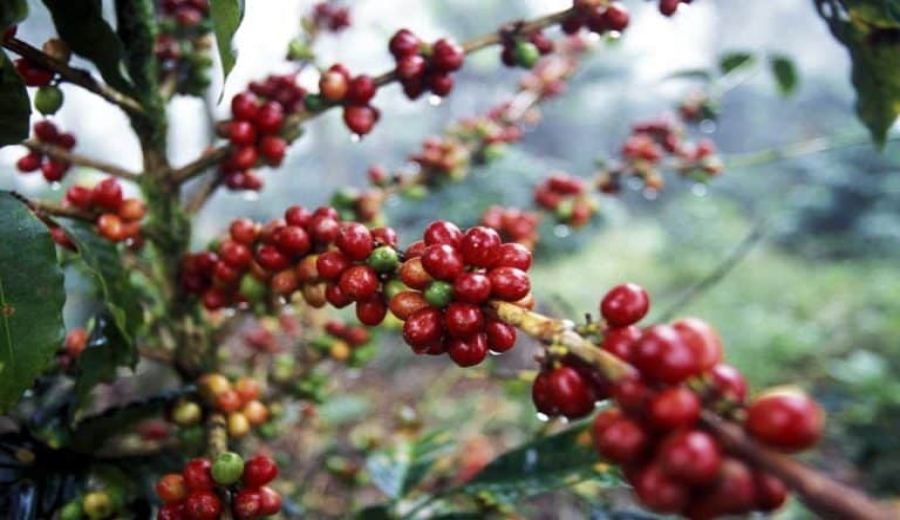
Introduction:Want to recreate a richly wine-aromatic pour over coffee at home? These coffee beans from Honduras' Mocha Estate, processed through fermentation in whiskey sherry casks, deliver unique fermented aromas and a creamy texture. This article delves into the characteristics of the Honduran coffee-growing region, the principles of cask fermentation, and provides professional-grade pour over parameters and flavor notes to help you precisely extract a specialty coffee that balances wine notes with sweetness.
Many coffee enthusiasts, when first trying a certain brand’s Americano, are often captivated by a hint of enchanting wine aroma. This Honduran coffee bean, featuring the distinctive character of whiskey sherry cask fermentation, is key to creating such a flavorful highlight. Sourced from Honduras’ Mocha Estate, this bean is given an intense fermented wine aroma and a smooth, creamy mouthfeel through a special processing method. This article will take you through the full picture of this uniquely flavored coffee bean—from regional background and processing techniques to practical pour over suggestions—and teach you how to perfectly present its wine notes and sweetness at home with above-standard technique.
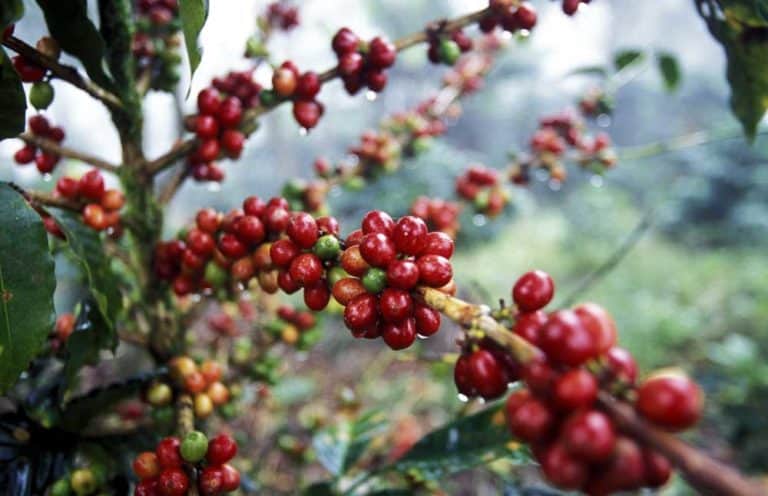
When it comes to Honduras, many may only associate it with its unique geography or tourist attractions. In fact, this Central American country has now become one of the world’s top ten coffee-exporting nations, with over one hundred thousand coffee farmers, more than 90% of whom operate small farms. Thanks to terrain and climate conditions similar to those of neighboring Costa Rica, Guatemala, and Nicaragua, Honduras offers an environment suitable for coffee cultivation. However, many farms are relatively small in scale, so the government has also introduced corresponding policies to help smallholder farmers tackle challenges such as poverty and weather, thereby stabilizing production quality.

In Honduras, coffee is typically classified into three grades based on altitude: Strictly High Grown (grown above 1350 meters, the highest grade known as “Premium Highland Coffee”), High Grown (1200 to 1350 meters, referred to as “Highland Coffee”), and Central Standard (from sea level to 1200 meters). This altitude-based grading method is similar to that of El Salvador and Guatemala, and although it can roughly reflect quality, it usually lacks complete traceability information about the producing region. The star of this article—a certain brand’s sherry coffee bean—is grown at Mocha Estate at altitudes between 1500 and 1700 meters, belonging to the high-altitude premium grade, and possesses richer flavor potential.
The varieties of these coffee beans include Caturra, Catuai, and Pacas, and the producing region is located in Masaguara. They are processed by Mocha Estate using a refined washed method combined with whiskey cask fermentation. Many consumers wonder why this coffee has such a distinct wine aroma. The answer lies in its unique post-harvest processing method. Unlike common washed or natural processes, Mocha Estate places the washed green beans into whiskey casks previously used to age sherry wine for fermentation. These casks were originally used to mature sherry wine produced in Spain’s Jerez region, a strong fortified wine renowned for its Solera system. During fermentation, the beans interact with the residual wine aroma compounds and oak notes inside the barrel. After approximately 30 to 40 days of slow fermentation with temperature controlled between 15 and 20 degrees Celsius, the coffee beans are finally endowed with a rich wine character and complex aromas.
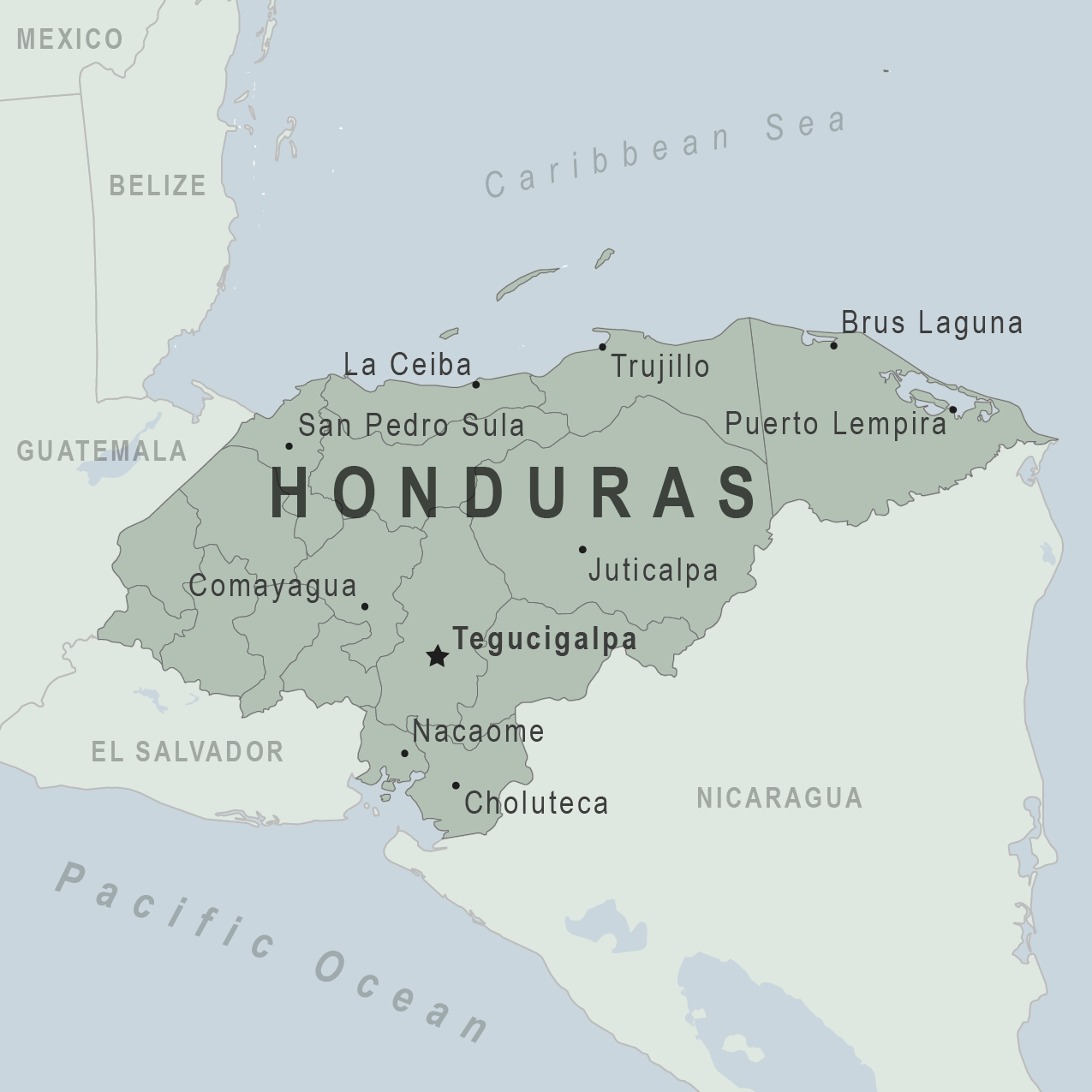
The green beans of this Honduran sherry coffee are large and uniform in size, with glossy color. As local coffee farmers typically prune the coffee trees to below 150 centimeters for easier harvesting and rely on handpicking each ripe fruit to ensure quality, careful selection is assured. Honduras has six major coffee-producing regions, and the area where Mocha Estate is located, due to its altitude and microclimate, is particularly suited for cultivating coffee with intense flavors.
This coffee performs exceptionally well with a medium roast, fully showcasing its sweetness and rich aromas while offering a full-bodied mouthfeel and smooth acidity. Within its flavor profile, the wine aroma is bold and captivating, the mid-palate presents a balanced sweetness and acidity, and the finish lingers with a creamy texture and chocolate aftertaste. Overall, it exhibits great layering and individuality.
If you want to recreate this uniquely flavored pour over coffee at home, here are professional-level extraction recommendations: Use a V60 dripper, set the water temperature to 91°C, and use a water-to-coffee ratio of 1:15. A coffee dose of 15 grams is recommended, with a grind size of around 75% passing through a Chinese No. 20 standard sieve. The specific pour over steps are as follows: First, perform a 30-second bloom with 30 grams of water. Then, pour in a small, circular motion until you reach 125 grams for the first pour. When the water level drops and is about to expose the coffee bed, continue pouring up to a total of 225 grams. Finally, when the water level drops again and is about to expose the coffee bed, remove the dripper. The overall extraction time is recommended to be controlled within exactly 2 minutes, helping to fully express the wine aroma and sweetness while avoiding over-extraction that could lead to bitterness.
In summary, these Honduran sherry whiskey cask fermented coffee beans, with their unique processing method and high-altitude cultivation background, exhibit intense wine aromas, a full-bodied mouthfeel, and captivating aftertastes. With the right extraction parameters and technique, you too can easily enjoy this specialty coffee with complex layers and distinctive charm at home.
The above content is compiled by CoffeeHunters, a coffee news website.


