







Introduction:Delve into the unique charm of Kenyan coffee, from the historical roots of the two classic varieties SL28 and SL34, to how the K72 washed processing method shapes its bright acidity and rich wine-like body. This article details Kenya’s coffee-growing regions, altitude advantages, auction system, and breaks down the key factors behind its signature flavor profile through scientific fermentation techniques. Finally, it provides practical pour over parameters and regional information to help you fully master the brewing secrets of this East African specialty bean.
As an important producer of specialty coffee in East Africa, Kenya has carved out a niche in the global coffee market with its distinctive layers of fruit acidity and rich wine-like body. The formation of its coffee flavors stems not only from its exceptional geographical environment but is also closely tied to variety selection and meticulous processing techniques. This article will systematically introduce the regional characteristics of Kenyan coffee, the traits of its main varieties, and the key processing technologies that create its vivid flavor profile.
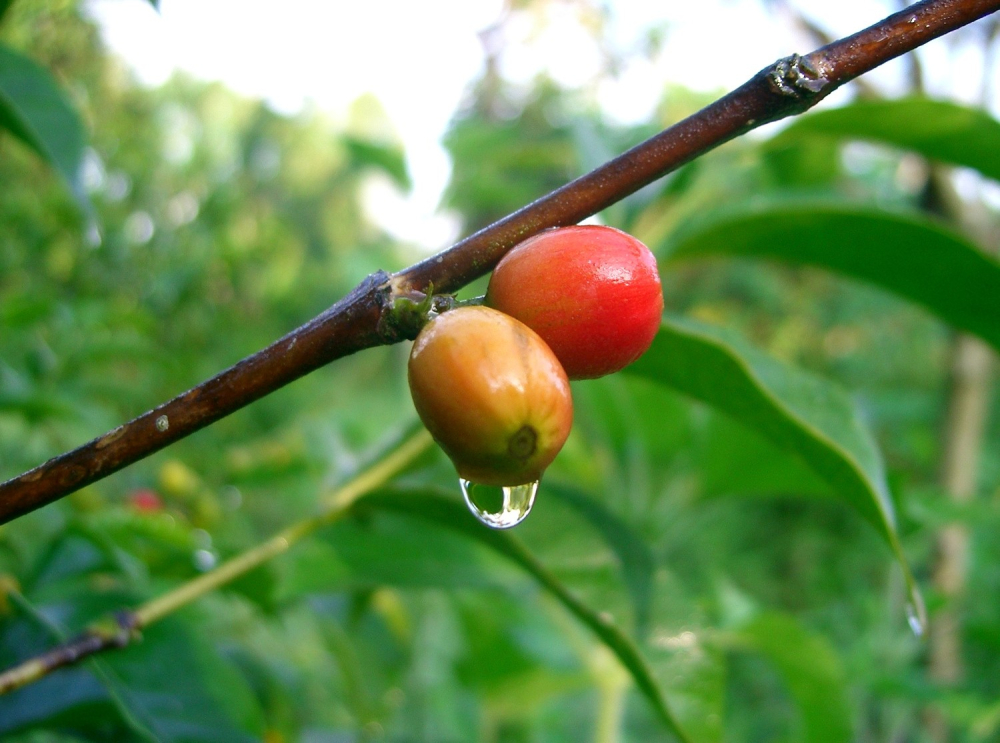
Located near the equator, Kenya enjoys a tropical highland climate ideal for coffee cultivation. With two rainy seasons each year, the coffee harvest is divided into two main periods: October to December and June to August, with about 60% of production concentrated in the latter half of the year. Coffee farms are primarily located around the capital Nairobi and in the Kenyan highlands, in volcanic soil regions at elevations between 1600 and 2100 meters. Such altitudes not only slow the growth rate of the coffee plants but also aid in the accumulation of aromatic compounds, resulting in more pronounced fruit acidity and firmer bean density.
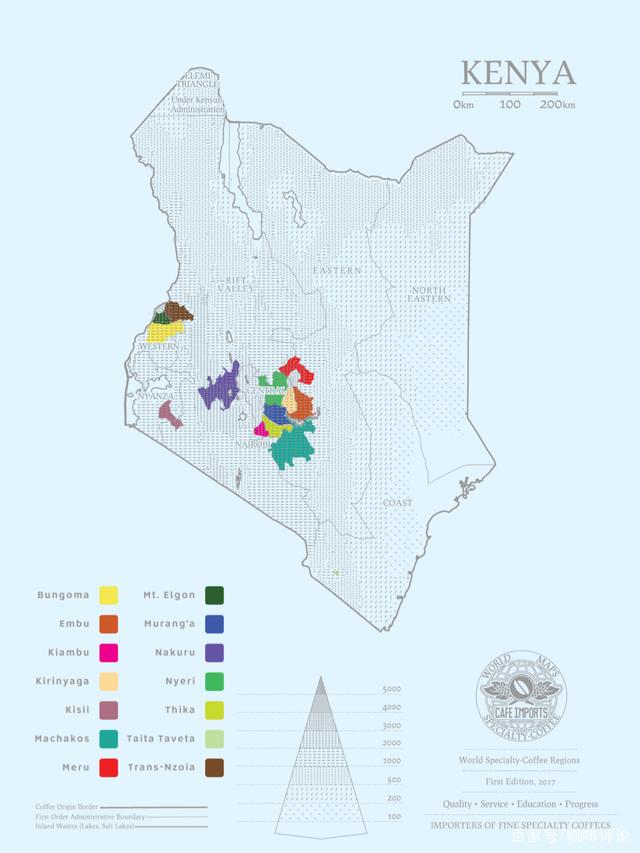
Kenya’s coffee-growing regions are distributed in a crescent shape, and this fertile land nurtures numerous high-quality coffees. The central region is the country’s largest coffee-producing area and also the source of its highest-quality beans. In addition to the central region, areas in the west such as Kisii, Trans-Nzoia, Keiyo, Marakwet, and southern regions like Thika have gradually gained market attention in recent years. Most of these regions lie at elevations between 1300 and 2000 meters, with average annual temperatures of about 15 to 24 degrees Celsius and annual rainfall of approximately 900 to 1200 millimeters, providing an ideal environment for coffee growth.
In the history of Kenyan coffee varieties, SL28 and SL34 are undoubtedly the two most representative. These two varieties were developed in the 1930s through careful selection and breeding by the Scott Laboratories and were quickly promoted nationwide. SL28 is renowned for its strong adaptability and outstanding berry-like acidity, maintaining stable yields and flavor performance even under suboptimal growing conditions. It’s worth noting that the genetic lineage of SL28 belongs to the Bourbon group, which explains the rich fruit notes in its flavor profile.
SL34 is another historically significant variety, initially selected from a tree known as the “French Mission” in the Kabete Loresho area of Kenya. Genetic testing shows that SL34 is closely related to the Typica variety, with slender oval-shaped beans that appear slightly flattened when viewed from the side. These two varieties perform exceptionally well in Kenya’s high-altitude regions, not only exhibiting bright acidity but also imparting a rich wine-like body and complex layers of flavor.
Another hallmark of Kenyan coffee is its rigorous processing technique, particularly the lengthy 72-hour K72 washed fermentation process. This process begins with 30 to 48 hours of fermentation to remove the mucilage from the beans, followed by 24 hours of clean water soaking. This extended fermentation time is the key factor behind the bright, clean, and layered flavor profile of Kenyan coffee. Compared to the typically 36-hour-or-less fermentation times in Central and South America, Kenya’s method is more meticulous and better highlights the coffee’s unique characteristics.
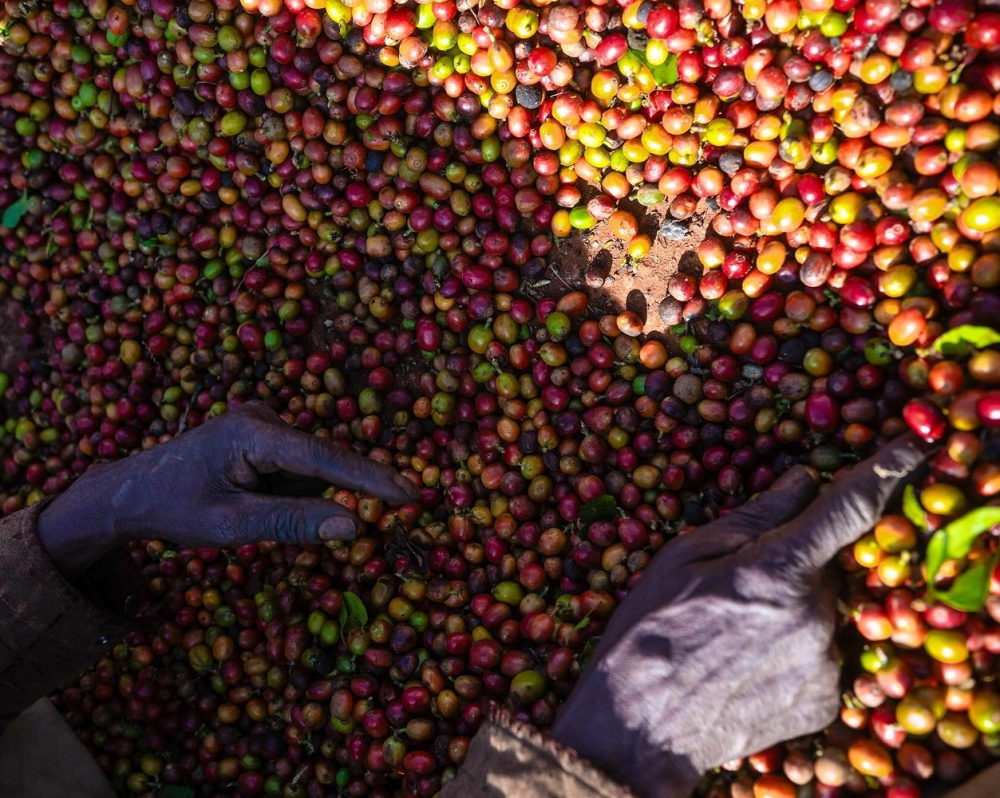
In terms of varieties, Kenyan coffee is most famous for SL28 and SL34, which account for about 90% of the nation’s planted area. SL28 is known for its outstanding drought resistance and rich fruit acidity, maintaining stable yields and flavors even when the trees reach 60 to 80 years of age. SL34 is favored in the market for its Typica-like bean appearance and excellent flavor performance. These two varieties, grown in Kenya’s high-altitude environment, showcase unique flavor traits that are difficult to replicate elsewhere.
Kenya’s coffee sales system is also distinctive, mainly divided into the centralized auction system of the Nairobi Coffee Exchange and the so-called “second window” direct trade. About 85% of coffee beans are traded through the central auction system, where the evaluation criteria for auction lots are primarily based on cupping flavor performance. This refined grading system helps maintain the consistently high auction prices of specialty Kenyan coffee.
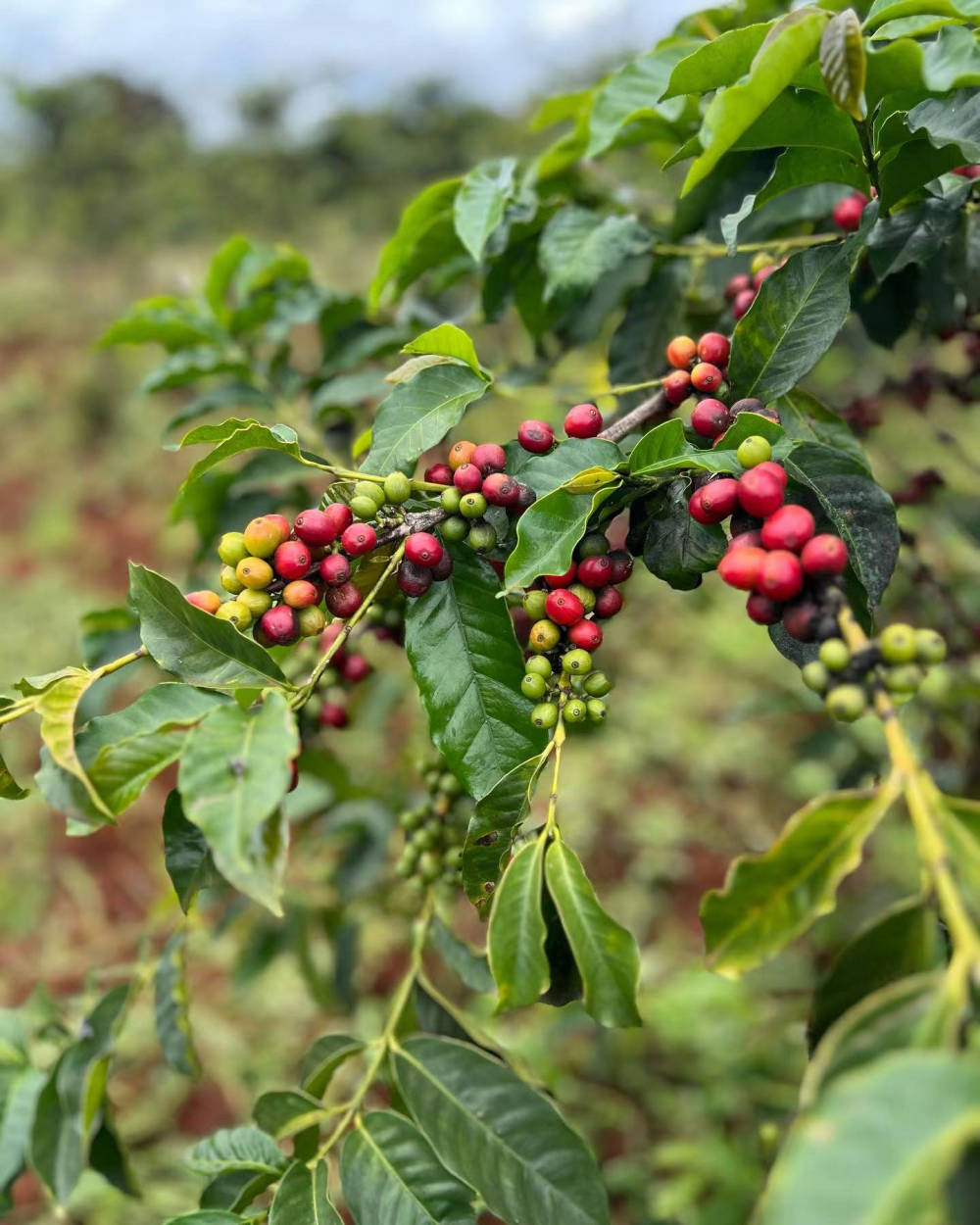
Take the Kenyan Cherry Tomato coffee bean as an example—this coffee from the Asali processing plant in the Thika region uses double-washed processing and medium-light roasting, showcasing intense floral aromas and juicy flavors. Its flavor notes include rich layers of dark plum, cherry tomato, Asian pear, brown sugar, and plum. Recommended pour over parameters: use a Hario V60 filter, 15 grams of coffee, a 1:15 coffee-to-water ratio, 90°C water temperature, and a grind size roughly equivalent to EK43s#10 (80% passing through a standard #20 sieve). Specific brewing steps: first pour 30 grams of water for a 30-second bloom, then pour up to 125 grams for the second pour, and when the water level is about to expose the coffee bed, pour up to 225 grams for the third pour, with a total extraction time of about 2 minutes.
The above content is compiled by CoffeeHunters, a coffee news website.


