







Introduction:Colombian coffee is renowned for its consistent flavor profiles and diverse growing regions, with the Supremo grade often mistakenly perceived as synonymous with specialty coffee. This article delves into the Colombian coffee grading system, clarifying the actual differences between Supremo and Excelso, while also exploring the unique terroirs of micro-regions such as Cauca, Huila, and Nariño. Whether you’re just beginning your single-origin coffee journey or searching for everyday drinking beans, you’ll gain practical knowledge to help with your selection.
Colombia is a globally recognized coffee-producing country, celebrated for its stable yet varied flavor profiles. In Colombia’s grading system, the term Supremo often leads consumers to believe it denotes specialty coffee, but in reality, it is merely a classification based on bean size. This article will take you deep into various aspects of Colombian coffee—from its cultivation history and regional characteristics to grading and processing methods—helping you select the right beans more precisely.
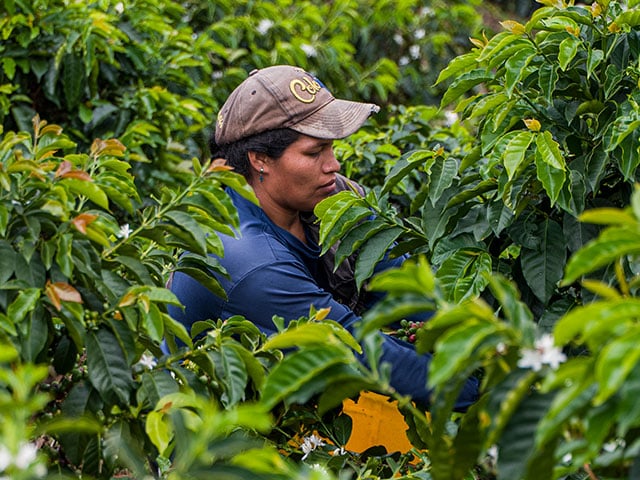
Coffee cultivation in Colombia dates back to the 1830s, and over time, it has gradually become the country’s most important export agricultural product. The Andes Mountains within the country provide diverse microclimates and complex terrains, giving rise to numerous distinctive growing regions. Currently, there are 14 major coffee-growing areas across the nation, with approximately 590 cities involved in coffee production, covering a total area of 875,000 hectares. Coffee exports account for 10% to 16% of the national agricultural GDP, and up to 75% of the production is sold to overseas markets. It is worth noting that much of Colombia’s coffee comes from small-scale farms, with over 60% of farms covering less than one hectare, while farms larger than 20 hectares make up only 0.5%.
Traditionally, Colombian coffee has mostly been processed using the fully washed method, but in recent years, water-saving ecological processing technologies developed by the coffee research institute Cenicafé have gradually gained popularity. This technology can reduce water pollution by 90% and save over 95% of water usage, while maintaining stable cup quality, making it environmentally friendly and sustainable.
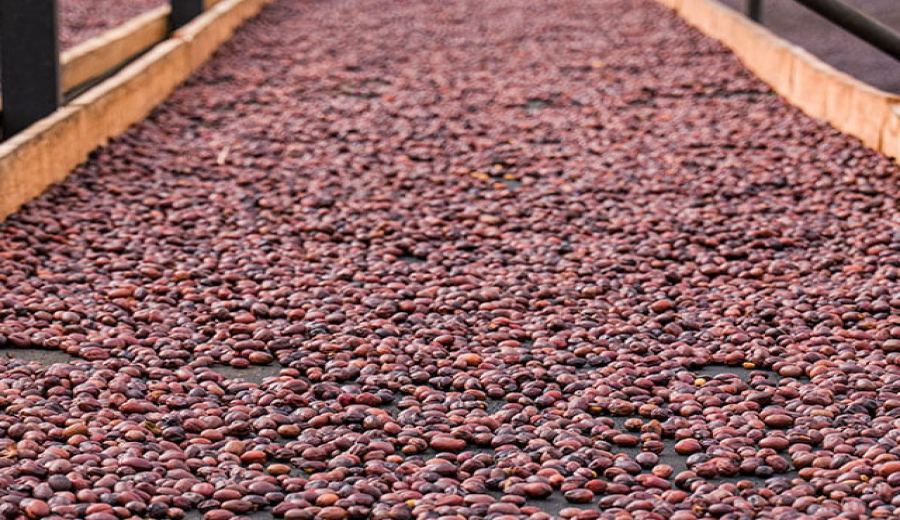
The Colombian coffee grading system is primarily based on the size of green beans, with both Supremo and Excelso falling under the large-bean category, although Supremo beans are larger. Generally, Supremo beans must be able to pass through a 17-mesh sieve, while Excelso beans range between 14 and 16.5 mesh. However, bean size alone does not comprehensively determine coffee quality; origin and processing methods are often the key factors influencing flavor.
Colombia’s coffee-growing regions can generally be divided into two main categories: commercial beans and specialty beans. Commercial bean regions are mostly concentrated in the central and northern parts, such as the “MAM” trio of Medellín, Américia, and Manizales, where flavors are characterized by bright acidity and classic Central American profiles. In contrast, the Bucaramanga region in Santander Province, located in the northeast, is known for its low acidity and rich, bold bitterness, with flavor profiles similar to Indonesia’s Mandheling. On the other hand, specialty coffee regions are mainly found in the higher-altitude southern areas, including the departments of Cauca, Huila, Nariño, Meta, and Tolima. These regions, with altitudes exceeding 1,500 meters and mostly volcanic soils, typically produce coffee with pronounced caramel sweetness, delicate berry notes, and vibrant acidity.
Cauca Department is a well-known specialty coffee region in southern Colombia, particularly in the highland areas near the cities of Inzá and Popayán. This region is part of the Meseta de Popayán plateau, with elevations ranging from 1,758 to 2,100 meters. The fertile volcanic soil, along with the terrain and climatic conditions, ensures stable weather year-round, with the rainy season concentrated between October and December. The main coffee harvest seasons are from March to June (main harvest) and from November to December (secondary harvest). The primary coffee varieties planted include 21% Typica, 64% Caturra, and 15% Castillo, which offer balanced flavor profiles, often featuring distinct apple acidity and caramel sweetness.
So what exactly is the Excelso grade? In fact, most sacks of green coffee beans exported from Colombia are labeled with the marking “Excelso-Café de Colombia.” Regardless of the actual mesh size of the beans, as long as they meet Colombian export standards, the sacks will be labeled as Excelso. Common markings also include UGQ, EP, and Supremo, all of which are actually sub-grades under the Excelso system. In short, Excelso is the most commonly used grade for Colombian coffee exports and is also the most widely seen grade of Colombian green beans in the international market.
According to regulations, Excelso-grade green beans must meet the following criteria: in a 500-gram sample, at least 50% of the beans must be larger than 15 mesh, and all beans must be larger than 14 mesh, with no more than 5% of beans allowed to be between 12 and 14 mesh. Additionally, the beans must be free of insect damage, have uniform color and no off-odors, exhibit clean flavors, have a moisture content not exceeding 12.5%, and the overall defect score must not exceed 24 points. Defects are categorized into primary and secondary, and their calculation method affects the final grading. For example, the common notation Supremo 12*60 (5%) means that in a 500-gram sample, there can be a maximum of 12 primary defects and 60 secondary defects.
Colombian green beans are also named in detail according to different regions, processing methods, and grades. For example, “Colombia Huila Supremo SC17/18 FNC” indicates green beans from Huila Department, Supremo grade, 17/18 mesh size, and certified by FNC (Colombian National Federation of Coffee Growers). Understanding this information helps consumers choose beans that best suit their taste preferences.
The above content is compiled by CoffeeHunters, a coffee news website.


