







Introduction:Panamanian Geisha is hailed as the finest coffee in the world, with its unique floral and fruity notes leaving an unforgettable impression. This article delves into the differences between Emerald Estate’s Red Label and Green Label Geishas, the geographical characteristics of the three main growing regions, and the flavor profile of Volcanic Rock Geisha. It also provides a detailed pour over brewing process and parameter recommendations to help coffee enthusiasts brew a layered specialty Geisha at home.
The Geisha (Geisha) coffee variety has long been regarded as one of the top-tier coffees in the world, and Panama is the premier destination to experience its most authentic flavors. This article will take you deep into the cultivation background of Panamanian Geisha, the grading system of Emerald Estate, and compare the differences between the Red Label and Green Label. It also analyzes the unique flavor characteristics of Volcanic Rock Geisha. In addition, we will demonstrate step by step how to use the pour over method to perfectly showcase the delicate aroma and sweet-acid balance of Emerald Red Label Natural Geisha.
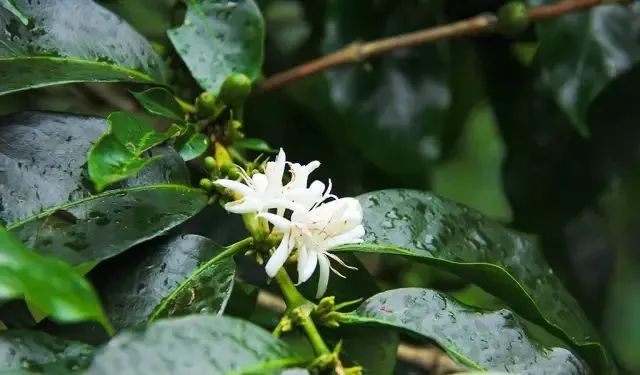
Panama’s high altitude and unique microclimate create the perfect conditions for Geisha coffee to thrive. Compared to other Arabica varieties, Geisha is more demanding in terms of environment, requiring cloud cover, fertile soil, and cool, stable climatic conditions. The higher the planting altitude, the slower the fruit ripens, resulting not only in lower yields but also in more intense and layered flavors. Especially in high-altitude regions, the large day-night temperature variation aids in the accumulation of flavor compounds, which is one of the reasons why Panamanian Geisha is so captivating.
The main coffee-growing areas in Panama are concentrated in the western highlands, particularly in Boquete, Volcán, and Renacimiento. Among these, the Boquete Valley and the areas surrounding the Barú Volcano are the most renowned. These regions not only boast volcanic soils rich in nutrients but are also located at the heart of the global coffee belt. Coupled with year-round cloud cover and abundant rainfall, they allow coffee cherries to develop highly distinctive floral and fruity aromas along with vibrant acidity.
When it comes to Panamanian Geisha, the contribution of Hacienda La Esmeralda (Emerald Estate) cannot be overlooked. In 2004, the estate won the Best of Panama competition with the Geisha variety, gaining international fame and repeatedly achieving record-breaking auction prices. Emerald Estate was also one of the first in the industry to implement strict grading and regional management for Geisha. Based on altitude, growing plots, and cupping scores, they classified Geisha into different grades and batches to ensure traceability of each lot.
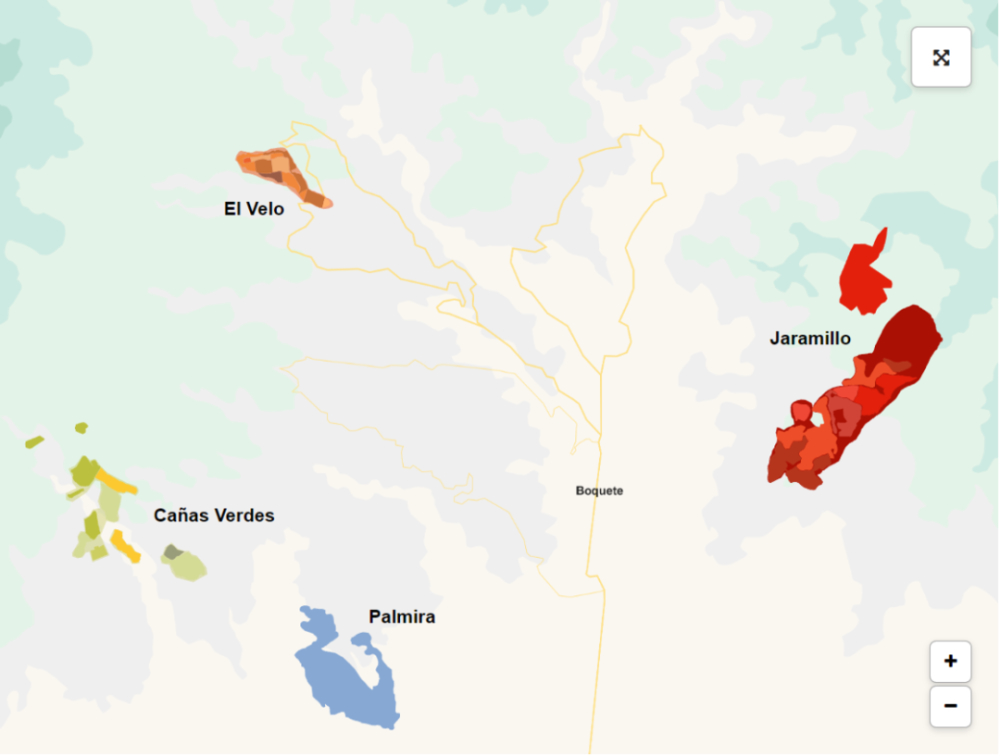
Emerald Estate divides its Geisha plantings into three main plots: Cañas Verdes, Jaramillo, and El Velo. Among them, Jaramillo is considered the birthplace of Geisha and the most celebrated plot. This area has an average altitude of over 1650 meters, with cool and humid mountainous weather that allows the Geisha grown here to develop rich aromas and complex acidity. Jaramillo is further divided into five smaller sub-plots, including Mario, Noria, Reina, Bosque, and Buenos Aires, among which Mario and Bosque have achieved notable success in international competitions.
The processing facility of Emerald Estate is located in Cañas Verdes, near the foothills of the Barú Volcano, about a twenty-minute drive from the town of Boquete. Every year when the coffee cherries ripen, harvesting is done entirely by hand, selecting only the best-ripened fruits to ensure consistency in post-harvest processing quality.
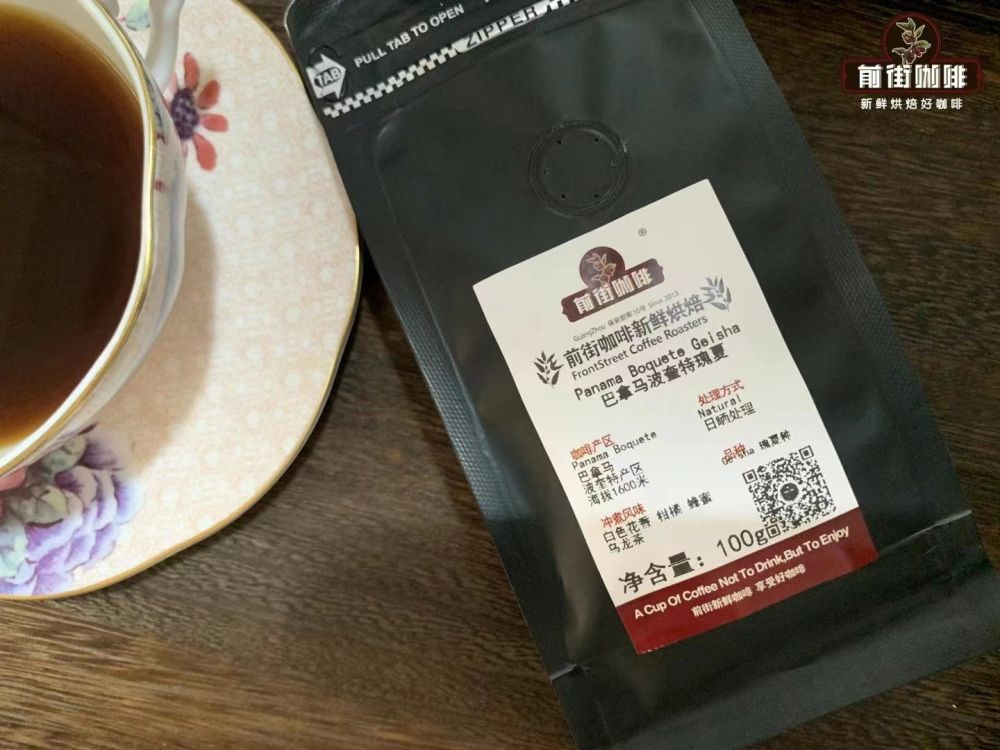
Among Emerald Estate’s product lines, the most talked-about are the Red Label and Green Label Geishas. The Red Label Geisha (ESMERALDA SPECIAL) is the highest grade, typically sourced from the Jaramillo and Cañas Verdes regions, grown at altitudes between 1600 and 1800 meters, with cupping scores of 90 or above. This grade of Geisha participates in independent auctions, with each participating lot assigned a specific number corresponding to the full harvest of a single plot, among which the Mario plot is the most famous. The Red Label Geisha used is from the Natural processed batch of the Mario plot, delivering exceptionally outstanding flavor performance.
The Green Label Geisha (PRIVATE COLLECTION) is positioned as a private collection grade, also grown at high altitudes but without specific plot information disclosed, and thus does not participate in auctions. Although slightly lower in grade than the Red Label, the Green Label still showcases the classic characteristics of Geisha, commonly processed using the washed method. Its flavor profile features bright notes of lemon, berries, pomelo, and a light tea-like quality, making it very suitable for drinkers who prefer a clean acidity.
Additionally, the former Blue Label Geisha has now been renamed “Volcanic Rock Geisha,” a blend of Geisha from three different plots grown at altitudes of approximately 1400 to 1500 meters. Based on cupping experiences, whether Natural or Washed processed, Volcanic Rock Geisha exhibits distinct citrus acidity. The Washed version has a clean profile, featuring oolong tea-like aromas and sugarcane sweetness, while the Natural batch adds tropical fruit and a hint of fermented wine-like notes, with a richer and more luscious sweetness.
To fully experience the complex flavors of Geisha, pour over is one of the brewing methods that best highlights its nuances. Since most Geishas are medium to light roasted, to avoid suppressing their lively acidity and aroma, it is recommended to use a V60 filter cone with a slightly higher water temperature and finer grind size. Here, a 1:16 coffee-to-water ratio is recommended, helping to enhance overall extraction efficiency and resulting in a clearer and more balanced flavor.
Below are the recommended pour over parameters for Emerald Red Label Natural Geisha: Use a V60 filter cone, control the water temperature at 92°C, use 15 grams of coffee grounds, with a grind size around the fine sugar level (approximately 80% passing through a #20 sieve), and set the coffee-to-water ratio at 1:16. First, wet the filter paper and attach it tightly to the filter cone, then add the coffee grounds and gently tap to level. The first stage involves pouring 30 grams of water for a 30-second bloom. The second stage continues pouring up to 125 grams, using a center-out circular pouring method. When the water level drops halfway, pour the final stage up to 240 grams, with a total brewing time of about 2 minutes.
The brewed Red Label Geisha coffee, upon first sip, reveals fresh jasmine, citrus, and tropical fruit aromas, with bright and layered acidity. As the temperature cools, the flavors gradually transition, leaving a subtle tea-like aftertaste. The overall mouthfeel is smooth and long-lasting, making it a premium coffee well-suited for slow savoring.
The above content is compiled by CoffeeHunters, a coffee news website.


