







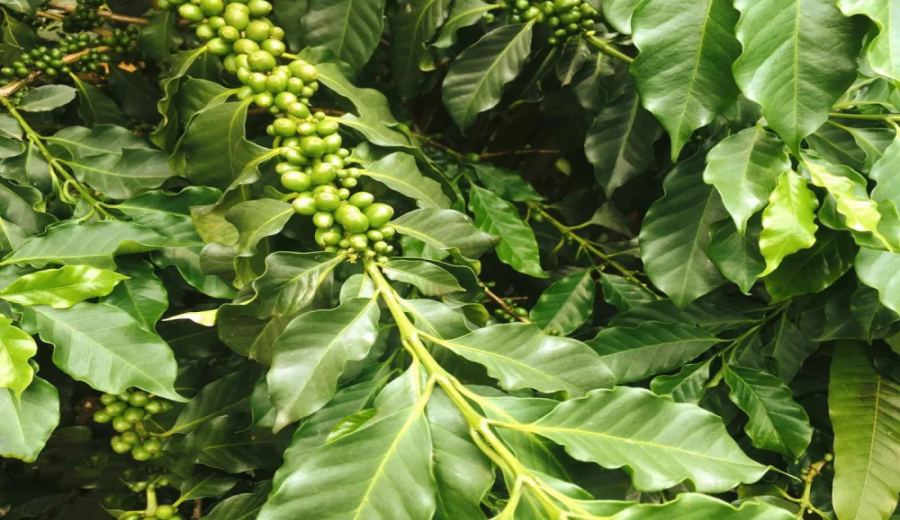
Introduction:Do you know which specific Arabica variety is primarily referred to as "Yunnan small-grain coffee"? This article takes you on an in-depth exploration of the differences between the mainstream Catimor variety widely planted in Yunnan and the less common but preserved Typica, examining everything from historical evolution, varietal genetics, processing methods to flavor profiles. It analyzes the actual differences between the two in cupping evaluations and shares practical advice on selecting Yunnan daily-drinking beans and specialty beans, helping you better understand the potential and unique characteristics of Yunnan coffee.
The so-called "Yunnan small-grain coffee" mostly refers to Arabica coffee grown in the Yunnan region, mainly used to distinguish it from the medium-grain Robusta produced in Hainan, China. Currently, the vast majority of coffee farms in Yunnan plant the disease-resistant and high-yield Catimor variety, with only a small number of high-altitude areas, such as Baoshan, still preserving limited amounts of Typica and Bourbon varieties. This article will start with the history of coffee cultivation in Yunnan, analyze the main differences between Catimor and Typica, discuss their respective pros and cons, explain how washed and natural processing methods affect the final flavor, and also provide insights into the bean selection and roasting philosophies of a certain brand.
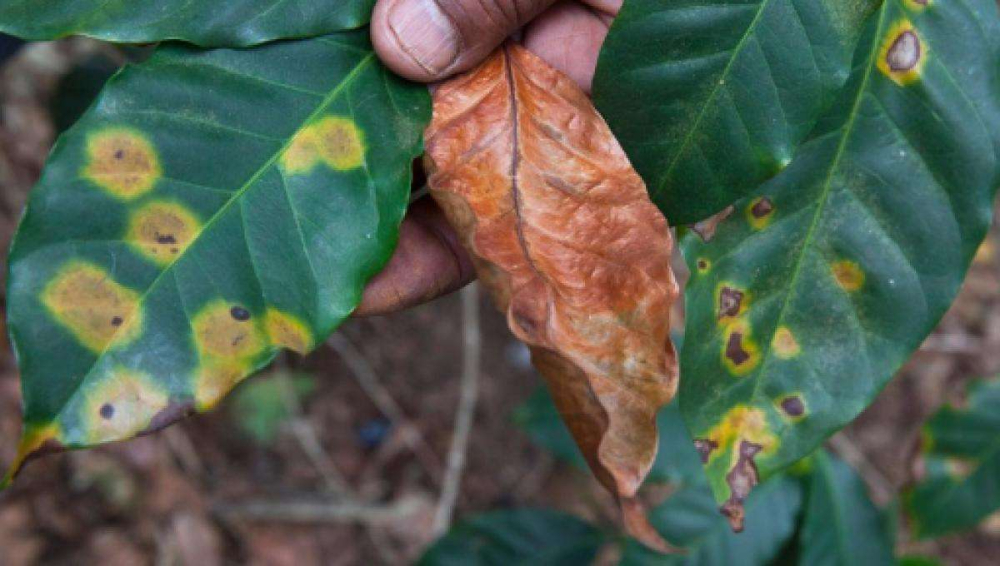
Dating back to 1904, when French missionaries planted the first coffee tree in the Yunnan region, it is believed to have been the Typica variety. This marked the beginning of Yunnan’s connection with coffee. However, over time, Typica gradually lost favor among farmers due to its weak disease resistance, susceptibility to leaf rust, and relatively low yield. By the 1990s, driven by international coffee companies such as Nestlé, Yunnan introduced the disease-resistant and high-yield Catimor variety, which gradually replaced the original Typica and became the dominant variety planted locally. While Catimor adapts well to the local environment and helps boost overall yields, its flavor profile is somewhat limited due to its Robusta genetic background.
Catimor is actually a hybrid variety, resulting from a cross between Caturra (an Arabica variety) and Timor (derived from Robusta), with approximately 25% of its genetics coming from Robusta. This gives Catimor strong disease resistance and the ability to adapt to high-yield cultivation, with a harder bean texture and rich surface oils. However, in terms of flavor complexity, it is often considered less refined than pure Arabica varieties. Especially in cupping scores, Catimor usually struggles to reach the high scores of varieties like Caturra or Catuai, though it still retains some of the acidity characteristics of Arabica. When grown at altitudes above 1200 meters, with a favorable microclimate and proper management, Catimor can still exhibit certain regional characteristics.
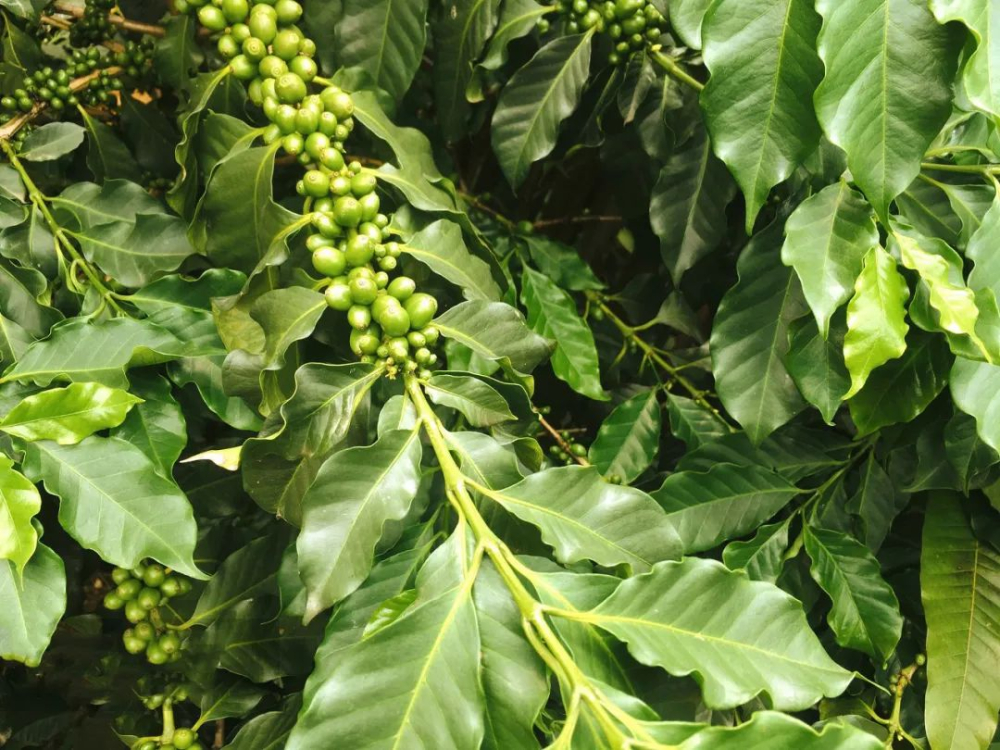
Many coffee farms in Yunnan plant Catimor on slopes at elevations above 1200 meters, where the soil is fertile, sunlight is abundant, rainfall is moderate, and the large diurnal temperature variation provides ideal growing conditions for coffee trees. However, due to its Robusta genetic lineage, Catimor often lacks the aromatic complexity and sweetness levels that are more prominent in traditional specialty Arabica varieties. This is why many consumers, when tasting Yunnan-grown Catimor for the first time, may not perceive the same level of complexity found in Central or South American or African specialty beans.
As for processing methods, washed processing is one of the most common and also the method that best highlights regional characteristics and varietal origin in Yunnan coffee. The general steps of washed processing are as follows: First, harvested coffee cherries are placed in a water tank, where buoyancy is used to remove unripe cherries and impurities; then, a pulper removes the outer skin and most of the fruit pulp, leaving the beans coated in mucilage, which are then fermented in water to break down the mucilage layer; afterward, the remaining mucilage is rinsed away with clean water, resulting in parchment coffee still enclosed in its inner husk; finally, the beans are dried in the sun or using mechanical dryers until their moisture content drops to around 12%, after which a hulling machine removes the inner husk, yielding the familiar green coffee beans. A certain brand uses this traditional washed method for processing its Yunnan daily-drinking beans, aiming to present the original flavor characteristics of the Yunnan growing region rather than relying excessively on special post-processing techniques.
As for Typica, this historically significant variety, although currently limited in planting area in Yunnan, still has many coffee enthusiasts who are particularly fond of it. A certain brand’s “Brand 2013” is made from Typica grown in its own plantation in Lincang and processed using the natural sun-dried method, which enhances the coffee’s sweetness and fruity aroma. The natural process preserves more sugars and pulp flavors, resulting in a rounder and fuller mouthfeel, making it suitable for those who prefer intense flavors. This bean is also one of the brand’s flagship offerings, with many consumers describing it as having a balanced plum-like acidity along with distinct dried fruit, chocolate, and nut aromas.
From a flavor profile perspective, Yunnan small-grain coffee is generally categorized as having a neutral tone, balancing acidity with a rich bitterness. Therefore, a certain brand often opts for medium roasting when roasting these beans, to balance acidity, sweetness, and body. When cupping the “Brand 2013 Yunnan Typica,” one can clearly perceive its bright fruit acidity, clear layers, and a moderate level of sweetness and aftertaste, making it an example of a specialty-grade coffee that showcases Yunnan’s potential. Additionally, the brand has also launched a black cocoa-based blend specifically designed for moka pots and espresso machines, combining the creamy, nutty base of Brazilian coffee with the soft fruit acidity of Yunnan small-grain coffee. It is suitable for making espresso, whether served with milk or as an iced Americano, both of which demonstrate good balance.
Finally, a reminder: no matter which Yunnan coffee bean you choose, freshness is key. Coffee beans typically require a 4 to 7-day resting period after roasting before entering their optimal flavor window. To ensure consumers enjoy coffee at its peak flavor, a certain brand only ships beans roasted within the last five days, ensuring that every cup showcases the true potential of Yunnan coffee.
The above content is compiled by CoffeeHunters, a coffee news website.


