







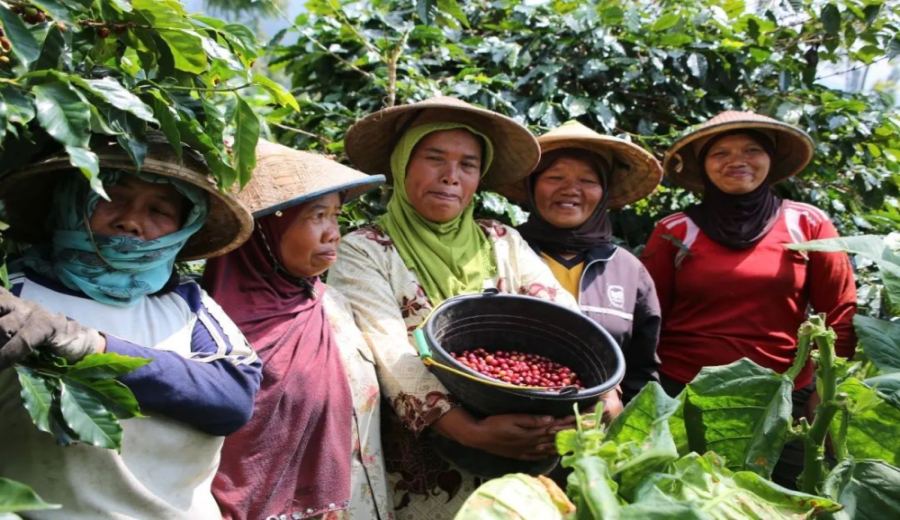
Introduction:As a globally significant coffee-producing country, Indonesia’s three major island regions—Java, Sumatra, and Sulawesi—each boast unique geographical environments and processing methods, resulting in distinctly flavored specialty coffees. This article delves into the variety selection, processing techniques, and flavor profiles of these three areas, helping you choose Indonesian coffees that suit your taste more precisely and understand the secrets behind the wet-hulled process of the classic Mandheling.
Located on the equator and composed of numerous volcanic islands, Indonesia is especially renowned for its coffees from Java, Sumatra, and Sulawesi. These regions not only produce many classic coffee beans but also showcase distinctly different flavor characteristics due to variations in geology and climate. Whether you prefer a mild and delicate taste or a rich and bold dark roast flavor, you can find your ideal choice among these three major islands.
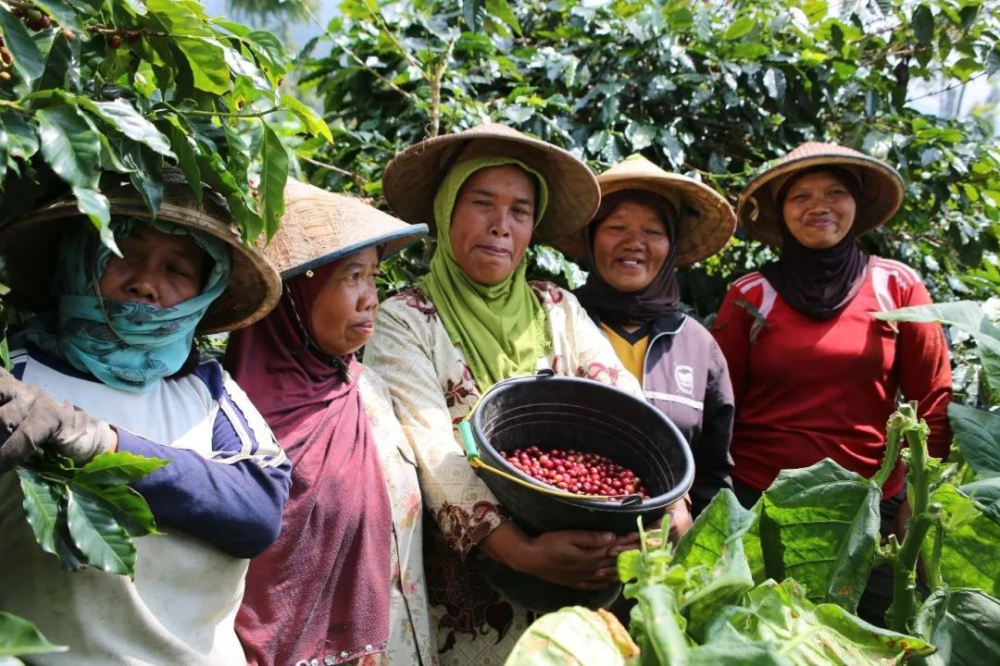
As an Indonesian coffee region with a long history, Java’s coffee development dates back to the late 17th century. Early Javanese coffee was exported in large quantities to Europe via the Dutch East India Company, establishing its global trade status. Today, the island’s coffee mostly comes from well-managed plantations, primarily using the washed processing method, with the main variety being S795, locally known as Jember, which is a high-quality, artificially bred cultivar. The main growing areas are distributed across West Java, Central Java, and East Java, at elevations of around 1,400 meters, where volcanic terrain provides fertile soil and a suitable microclimate.
Java coffee is known for its refined floral and fruity aromas and low acidity, featuring a balanced and delicate taste, often accompanied by gentle notes of caramel and spices. Well-known plantations such as Blawan, Jambit, Kayumas, and Pankur generally produce beans with stable quality and distinct regional characteristics.
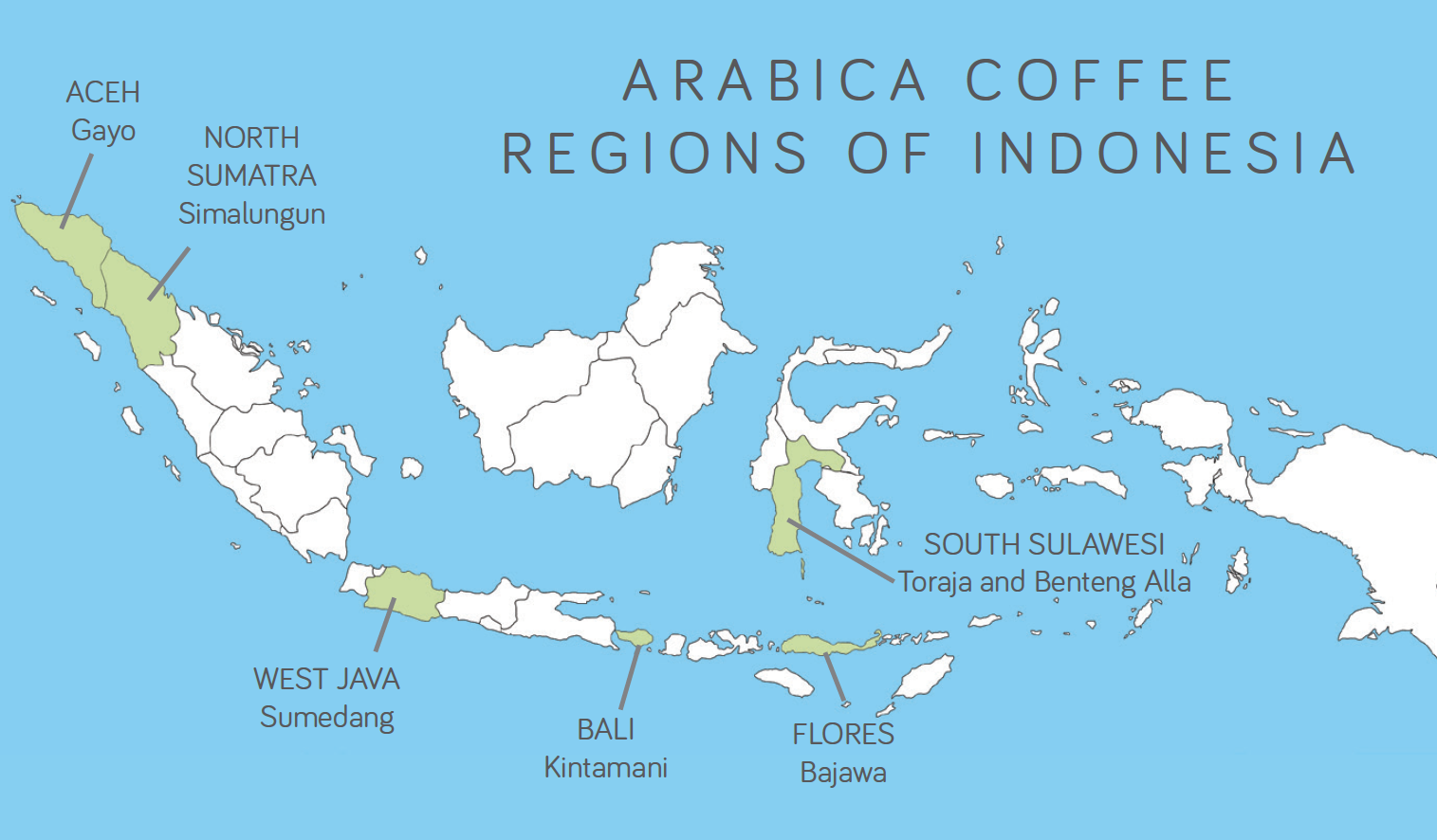
Turning to Sulawesi Island, this geologically ancient and topographically diverse island sees its coffee cultivation primarily concentrated in the highlands of South Sulawesi, especially in the Toraja region. Formerly known as Celebes, the island is widely covered with iron-rich reddish-brown laterite soil, coupled with cool mountainous climates, providing a special environment for coffee growth. The most common processing method here is semi-washed, though some farms retain traditional washed techniques and even grow small amounts of Robusta.
Sulawesi coffee typically exhibits a rich and bold taste with soft and subdued acidity, yet offers layered complexity and a long aftertaste. Many enthusiasts describe it as having a silky body along with unique earthy and spicy tones, making it suitable for those who enjoy medium-to-dark roasts and single-origin black coffee. Though less well-known than Sumatra, its distinctive semi-washed process and regional flavors hold considerable exploration value for consumers seeking emerging origin coffees.
When it comes to Indonesian coffee, one cannot overlook Sumatra, particularly the Aceh and North Sumatra provinces famous for Mandheling. The island lies within the tropical rainforest climate zone, remaining humid and rainy year-round, especially around the volcanic terrain areas of Lake Toba and Lake Tawar, forming an exceptionally suitable environment for Arabica cultivation. The two major producing areas of Lintong and Aceh, surrounded by volcanic lakes, possess fertile volcanic soils that bring intense spice, nut, chocolate, and herbal aromas to the coffee.
The most representative processing method of Sumatra is the wet-hulled process (Giling Basah), an efficient technique developed under special environmental and economic conditions. Due to the persistently humid climate, farmers often mechanically remove the outer parchment layer while the beans are still not fully dried, allowing the inner bean to directly contact air for subsequent drying. Although this method significantly shortens the processing time, it also imparts unique woody, herbal, and earthy tones to the coffee, creating a deep and robust flavor profile.
The steps of the wet-hulled process are roughly as follows: first, the outer skin and pulp of the coffee cherry are removed, then the beans with some mucilage are briefly fermented for several hours and washed before undergoing initial sun drying until the moisture content drops to 30–40%, at which point they are sold to buyers. The buyers then use specialized high-friction machinery to remove the bean husk and residual mucilage, followed by a second drying to achieve a moisture level of 12–13%. While this processing method accelerates the workflow, it also gives the coffee a strong "fermented" character in the end, becoming a key element of the Mandheling flavor.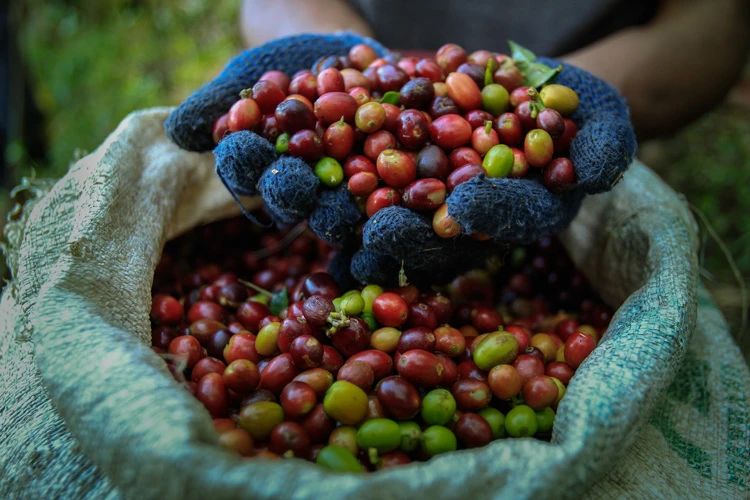
In summary, Indonesia’s three major regions—Java, Sulawesi, and Sumatra—showcase the crisp delicacy of washed coffee, the layered richness of semi-washed coffee, and the deep intensity of the wet-hulled process. Whether you are new to single-origin coffee or an advanced drinker seeking specific flavor profiles, these three regions are worth exploring and comparing in depth to find the one that best suits your palate.
The above content is compiled by CoffeeHunters, a coffee news website.


