








Introduction:Colombian coffee is often overshadowed by its innovative processing methods, which can mask its true flavor profile. This article takes you on a journey through carefully selected southern regions—including Huila, Cauca, Nariño, and Tolima—to explore their altitudes, microclimates, and variety characteristics. We also analyze how washed processing highlights clean acidity and pure fruitiness. Additionally, we provide cupping notes for a washed Caturra and V60 pour over recommendations to help you experience the true essence of these regions without breaking the bank.
In recent years, the specialty coffee market has been swept by waves of innovative processing trends, with Colombian beans often making headlines for their wine-like fermentation or intense floral aromas. Yet, behind these eye-catching flavors, the clear regional identity and inherent qualities of Colombian coffee are sometimes obscured. This article refocuses attention on Colombia’s core specialty regions in the south—Huila, Cauca, Nariño, and Tolima—to examine their terroir, variety traits, and how washed processing preserves the coffee’s original essence. We conclude with an in-depth look at a washed Caturra, including its cupping profile and V60 pour over suggestions, so you can easily grasp the fundamental flavor characteristics of these regions.
Colombia is located in the northwest of South America, bordering Panama, and spans from 3 to 8 degrees north latitude. Its climate varies greatly with altitude and terrain. The country boasts fertile volcanic soil, with annual rainfall typically ranging from 2000 to 3000 millimeters and average annual temperatures between 15.8 and 20.5°C. Coffee-growing regions generally maintain average temperatures of 18 to 22.5°C. This ideal environment allows Colombia to harvest coffee year-round and produce beans with bright acidity, solid body, and often hints of wine-like notes and delicate fruitiness. High altitudes and cool climates slow the ripening of coffee cherries, aiding in the accumulation of flavor compounds and contributing to the rich, layered profiles characteristic of Colombian coffee.
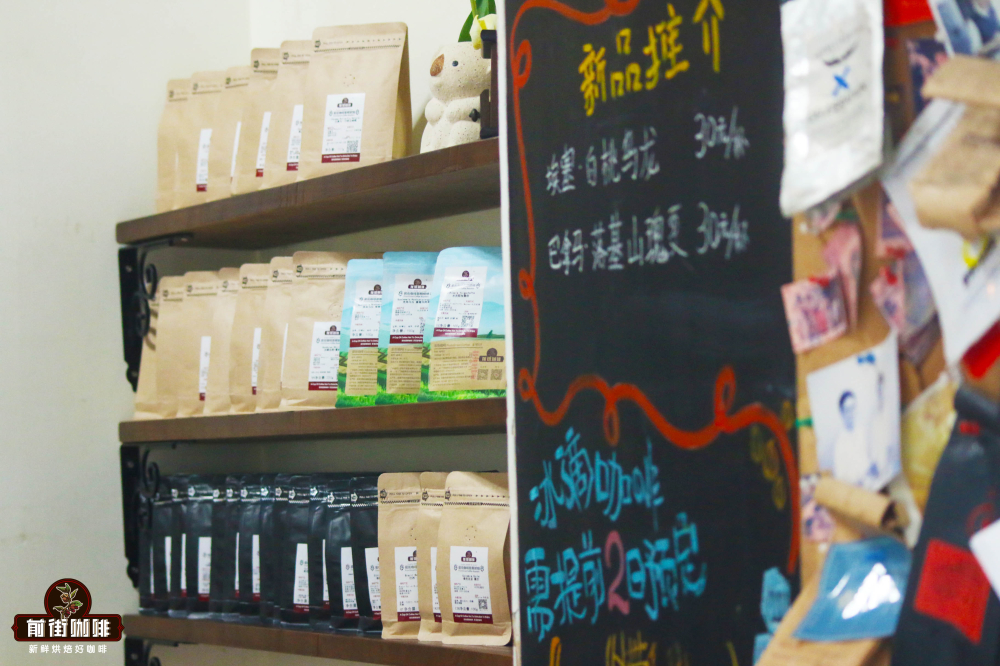
Colombia’s specialty coffee primarily comes from high-altitude regions in the south, especially areas above 1500 meters, encompassing the departments of Huila, Cauca, Nariño, and Tolima. These regions not only feature cool climates with significant day-night temperature variations but also have mineral-rich volcanic soils, providing optimal conditions for coffee cultivation. Generally, coffees from these areas exhibit clear berry sweetness, delicate acidity, and well-balanced sweetness.
Located in the central mountain range of southern Colombia, Huila is one of the country’s most representative specialty coffee regions. Surrounded by mountains and generally exceeding 1500 meters in elevation, the area is traversed by major rivers that provide a stable water supply and high humidity. Unlike the balanced and full-bodied Colombian beans commonly perceived, many Huila micro-lots showcase strong regional identities. Especially with the growing international emphasis on specialty micro-regions and smallholder lots, the region has gradually shifted from traditional grading by bean size to organized production based on micro-regional selections. Through smallholder cooperatives, the harvests of dozens of farms are consolidated into single lots, then cupped and selected batch by batch, highlighting many high-potential quality coffees.
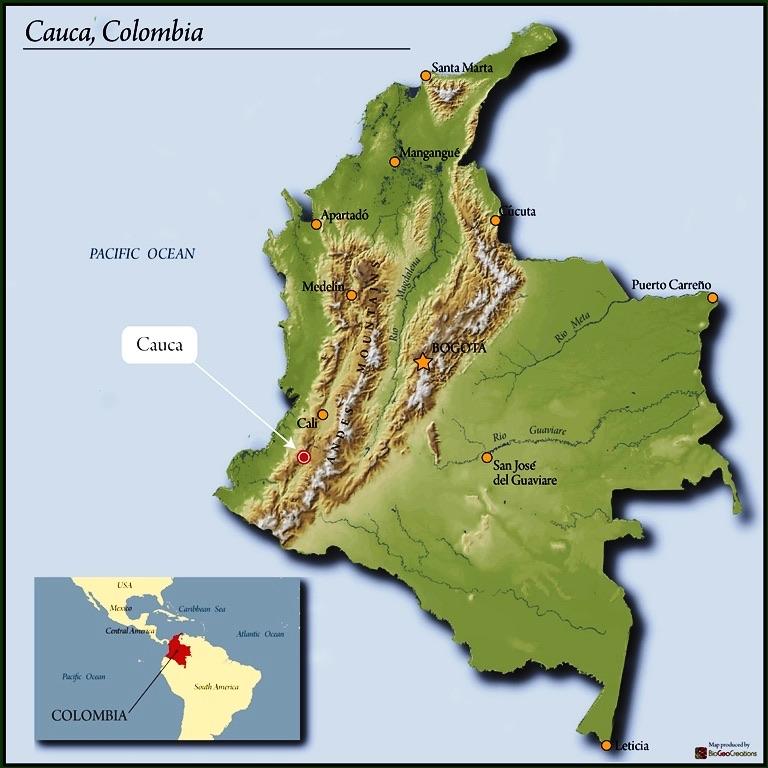
Cauca is an officially certified coffee origin of Colombia, with an average elevation of 1758 meters, and some areas even exceeding 2100 meters. The department is predominantly mountainous, home to two major volcanoes—Sotara and Petacas—and features a distinct bimodal rainfall pattern (with the dry season concentrated in August and September, and the rainy season bringing coffee flowering and harvest periods). These factors create an ideal coffee-growing environment. Notably, Cauca experiences significant day-night temperature differences, with daytime averages around 18°C and cooler nights, helping coffee cherries ripen slowly. This accumulation of richer flavor compounds and sugars results in superior acidity and unique sweetness profiles.
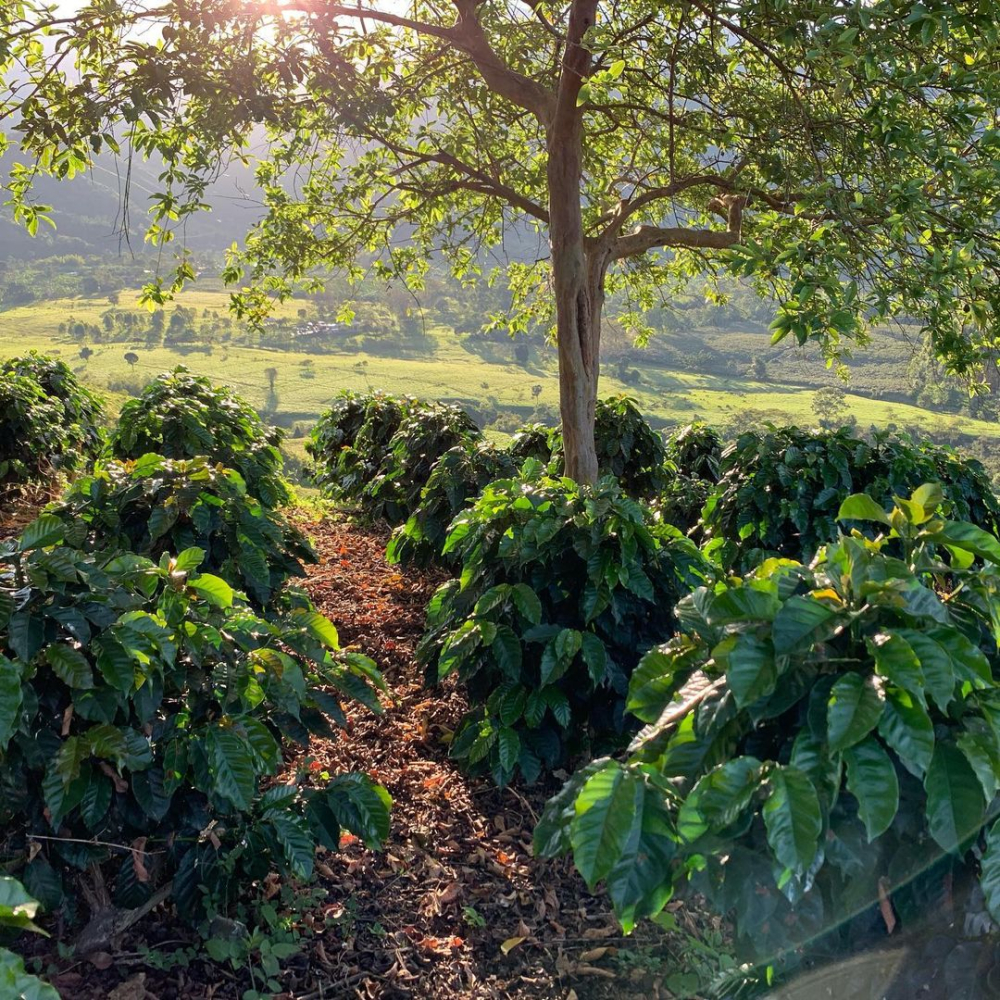
Nariño is situated in the southwest corner of Colombia, bordering the Pacific Ocean to the west and Ecuador to the south. The entire region is almost entirely traversed by the Andes Mountains, with coffee cultivation mainly concentrated in the high-altitude cloud zone at elevations of 1600 to 2300 meters. The volcanic soils here are fertile, and the climate is cool and humid. Though the beans are generally small but dense, they are vibrant green in color. Although Nariño’s annual coffee output is high, only a small portion of select beans enter the specialty market, with the majority purchased by large international traders. Nevertheless, smallholder farmers in the region remain committed to maintaining high-quality production, making it a choice worth exploring for coffee enthusiasts seeking delicate flavors and unique profiles.
Tolima is located in central-southern Colombia, adjacent to Huila and Cauca. The region features the north-south oriented Andes and Cordillera mountain ranges, as well as the north-south flowing Magdalena River. Coffee farms in Tolima are slightly larger, typically ranging from 10 to 15 hectares, and mostly operate under cooperative models. Farmers deliver freshly harvested coffee cherries to cooperative processing facilities for unified processing, although some choose to process the cherries themselves using small-scale equipment on the same day. Coffees from Tolima also demonstrate the clear acidity and solid body characteristic of high-altitude regions.
Looking back at the history of Colombian coffee cultivation, its origins can be traced to 1808, when a priest introduced coffee from the French Antilles via Venezuela. Today, Colombia is the world’s second-largest coffee producer, yielding 13 million bags annually (each bag weighing 60 kilograms), second only to Brazil. To ensure coffee quality, Colombia established the National Federation of Coffee Growers (FNC) in 1927. Though a private organization, it undertakes industry management tasks authorized by the government, including technical extension, marketing, quality control, and export operations—serving as a key pillar of the coffee industry.
To experience the true flavors of Colombian regions, washed Caturra is an excellent starting point. A natural mutation of the Bourbon variety, Caturra originated in Brazil in 1937. Though it didn’t gain popularity in Brazil due to adaptability issues, it has been widely planted in Central and South America, especially in Colombia. Compared to Bourbon, Caturra plants are shorter, with higher yields but slightly lower disease resistance. Washed processing, which involves removing the pulp and fermenting to eliminate the mucilage, effectively highlights the coffee’s clean acidity and pure flavors, making it an ideal choice for understanding a region’s intrinsic character.
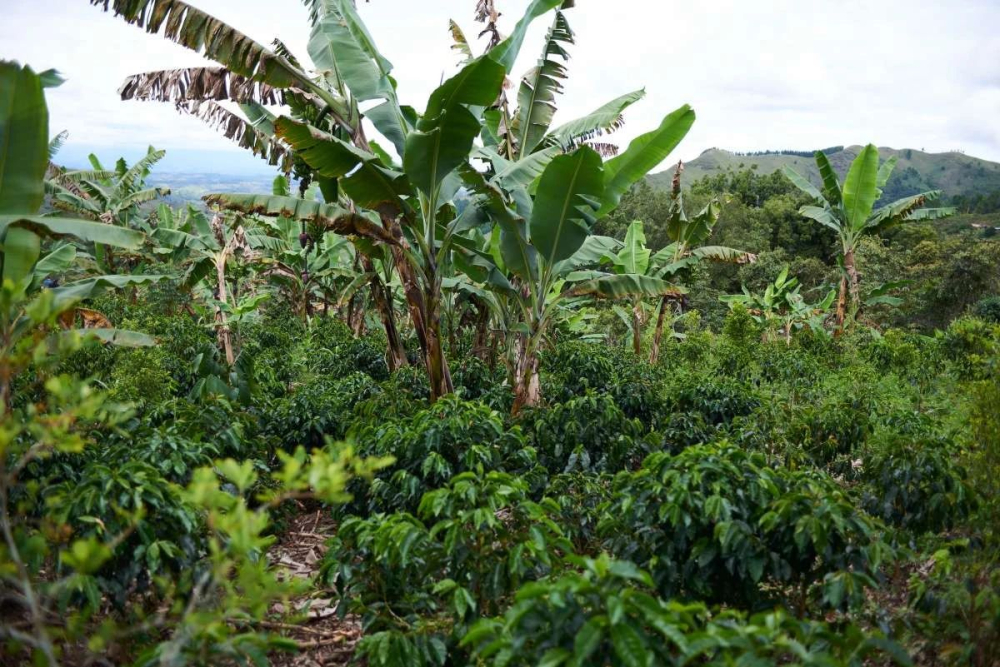
Take the washed Caturra from Huila as an example. Grown at altitudes between 1500 and 1800 meters, this bean features dominant notes of nuts, dark chocolate, and caramel, along with soft fruity acidity and sweetness. Considering its high density and full bean shape, the roast extends the development time after first crack, dropping at 202°C to enhance the nutty and chocolatey profiles while preserving moderate caramel sweetness.
For extraction, we recommend using a V60 filter cone, with 15 grams of coffee, a 1:15 coffee-to-water ratio, and water temperature controlled at 90–91°C. Grind size is approximately EK43s setting 10 (similar to granulated sugar or about 80% through a #20 sieve). Begin with a 30-second bloom using 30 grams of water, followed by pouring 95 grams (total ~125 grams) around the 1-minute mark, then adding the remaining 100 grams (total ~225 grams) by the 2-minute mark. Complete the drip within 2 minutes. These parameters highlight a nutty, dark chocolate base, with soft fruity acidity in the mid-palate and a pronounced caramel sweetness in the finish—perfectly capturing the authentic profile of the region.
The above content is compiled by CoffeeHunters, a coffee news website.


