







Category: Coffee Knowledge

How to Pair Coffee Beans with a French Press? Demonstration of Brewing Parameters and Steps Using Mandheling
The French press, known for its simple operation and rich flavor, has become the go-to brewing device for many coffee enthusiasts. However, to brew a balanced and flavorful cup of French press coffee, it is crucial to choose the right coffee beans and master the grind size and steeping time. This article takes a classic medium-dark roasted Mandheling as an example, providing an in-depth analysis of the characteristics of coffee beans suitable for the French press, recommended grind coarseness, ideal coffee-to-water ratio, water temperature control, and the complete brewing process—helping you get started easily and adjust to your preferred taste. [more…]
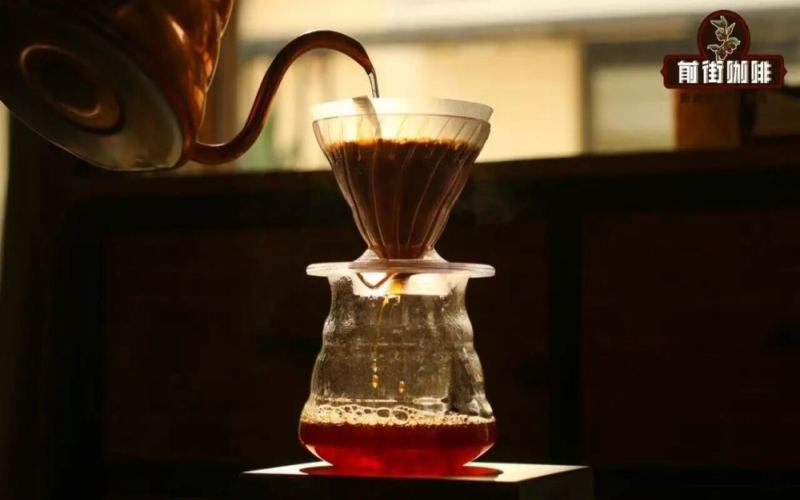
French Press Brewing Guide: A Complete Breakdown of Grind Size and Steps
The French press is an ideal choice for many coffee beginners, offering simple operation and the ability to fully showcase the original flavors of coffee beans. This guide will delve into the recommended grind size for the French press, ideal coffee-to-water ratio, and water temperature settings. Through five clear steps, it will help you easily master the extraction techniques. Whether you're using it for the first time or looking to optimize your brewing results, you’ll find practical guidance here. [more…]
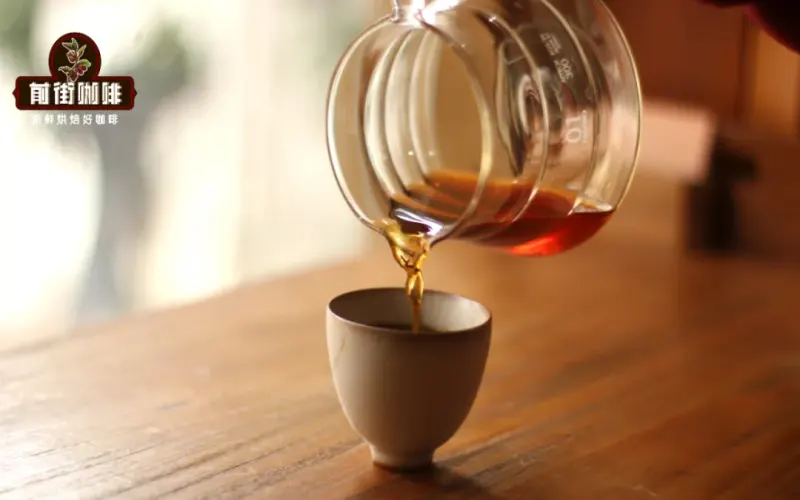
Complete Guide to Storing Coffee Beans in the Fridge or Freezer | Extending Freshness for Pour Over Coffee & Tips for Storing Ground Coffee
Once coffee beans are roasted, their aroma and flavor compounds gradually begin to dissipate. If you’ve purchased more beans than you can consume regularly, proper storage becomes crucial. This article provides an in-depth analysis of various storage methods, including room-temperature sealing, refrigeration, and freezing. It focuses particularly on the increasingly popular method of freezing coffee beans, explaining key details such as sealing to prevent odors, avoiding condensation and moisture absorption, and portioning for use. Practical advice is also offered to help you effectively extend the freshness of your coffee beans and brew more flavorful pour over coffee. [more…]
The Correct Way to Freeze Coffee Beans | Techniques for Sealing, Preventing Condensation, and Dividing Portions
Many coffee enthusiasts, faced with a large amount of unused coffee beans, often consider whether they should freeze them to extend freshness. Freezing can indeed slow down the loss of aroma, but improper handling may lead to moisture absorption or the absorption of odors. This article delves into the three key aspects of freezing coffee: strict sealing, avoiding condensation, and dividing portions to reduce repeated access. It also provides practical steps and precautions to help you effectively maintain the freshness of your coffee and enhance flavor performance during pour over or extraction. [more…]

Complete Guide to Siphon Brewing: From Principles, Coffee-to-Water Ratio to Flavor Tuning in One Go
Siphon brewers extract richly flavored and layered coffee through their unique heating and siphoning mechanism. This guide provides an in-depth analysis of how a siphon works, its structure, suitable coffee bean types, along with practical advice on coffee-to-water ratios, timing for adding grounds, stirring techniques, and knowing when to turn off the heat. It also includes a detailed eight-step operation process to help you consistently brew siphon coffee with nutty notes and a full body at home — ideal for both beginners and advanced enthusiasts. [more…]
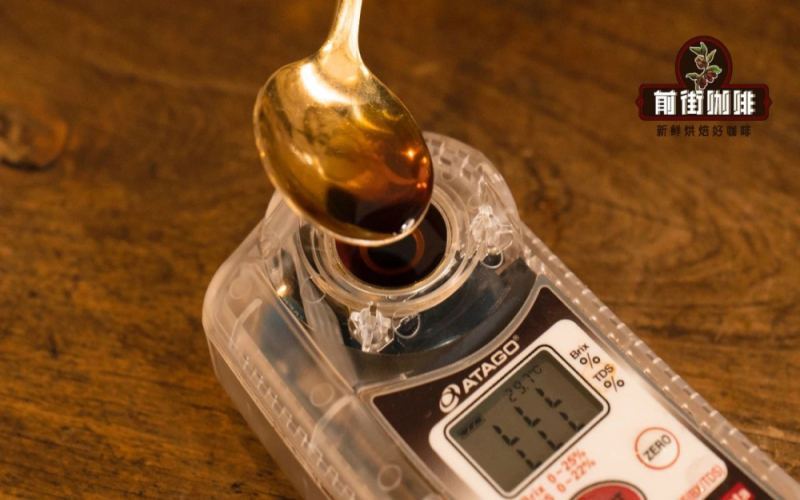
Complete Guide to the Golden Cup Standard for Pour Over Coffee: Calculating and Practically Adjusting Concentration and Extraction Rate
Mastering the SCA Golden Cup Extraction Standard and understanding the scientific relationship between concentration and extraction rate is key to improving the quality of your pour over coffee. This article provides an in-depth analysis of the origins of the Golden Cup extraction, differences in standards across countries, and takes you through practical examples to learn how to calculate coffee concentration and extraction rate, and adjust the coffee-to-water ratio to achieve ideal flavor. Whether you're a beginner or an advanced enthusiast, you'll gain actionable brewing references from this guide. [more…]
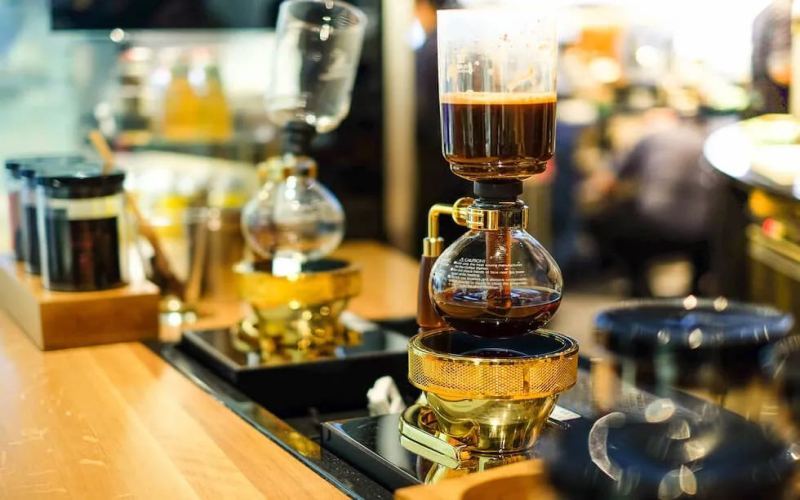
Complete Guide to Siphon Pot Origins and Operation: From Extraction Principles to Coffee Bean Selection
The siphon coffee maker, also known as the siphon pot or vacuum pot, is a classic brewing device that uses heat to create a pressure difference for coffee extraction. This article delves into the historical development, structure, and extraction principles of the siphon pot, thoroughly explains the selection of heat sources and filter materials, and takes you step-by-step through the brewing process with actual parameters. Finally, it recommends types of coffee beans suitable for siphon extraction, helping you fully master this scientifically engaging coffee brewing technique. [more…]

Complete Guide to Siphon Coffee Brewing: From Equipment Principles to Precise Extraction Parameters
Although siphon coffee is not as widely used as pour over, it offers a unique layered flavor with rich body. This article delves into the structural principles of the siphon, choices in heating methods, filter material pairing techniques, and provides detailed guidance on coffee-to-water ratio, grind size settings, and stirring methods. It breaks down each step from equipment assembly to when to turn off the heat, helping you master the key details of this classic extraction technique. [more…]
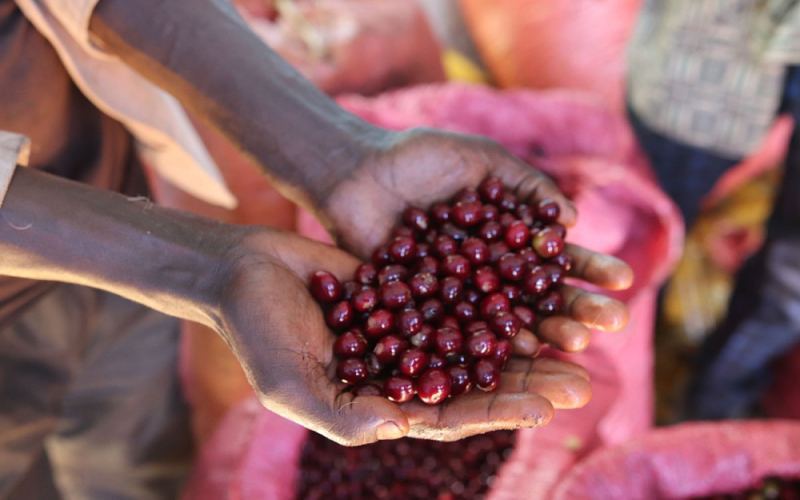
Ethiopia Huaku SOE Coffee Beans: A Complete Guide to Sun-Dried Flavors and Pour Over/Espresso Brewing
Grown in the Guji-Hambela region of Ethiopia’s Sidamo, Huaku coffee beans are processed using the natural (sun-dried) method to bring out intense berry and citrus notes. It has become one of the most talked-about single-origin beans in recent years. This article delves into its regional background and processing techniques, and provides a detailed guide on how to brew it at home using pour over or espresso methods—covering grind size, coffee-to-water ratio, and brewing time adjustments—to consistently highlight its unique flavor profile. Whether you’re making an SOE Americano or Latte, you’ll find it easy to master. [more…]
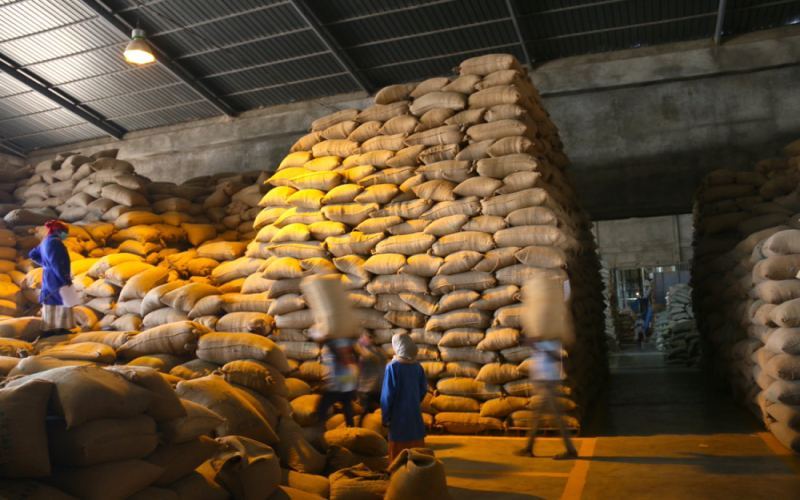
Analysis of Ethiopian Coffee Exports: The Three Major Channels — ECX, Cooperatives, and Single Farms
As the cradle of specialty coffee worldwide, Ethiopia’s coffee export system is highly distinctive and layered. From the mainstream ECX centralized trading system and direct sales by cooperatives to the increasingly prominent single-farm model, each channel has its own unique characteristics and challenges. This article takes you deep into how these three export models operate, the grading and warehousing logic of ECX, and how single estates like the Guji Hambela farm break tradition by directly exporting top-grade Hambela Geisha natural beans to overseas markets. [more…]

Complete Guide to Making Cold Drip and Cold Brew Coffee: Equipment Selection, Coffee-to-Water Ratio, and Flavor Adjustment Techniques
On a hot summer day, a refreshing cup of iced coffee can instantly invigorate your mind. As two major low-temperature extraction methods, cold drip and cold brew not only offer unique flavors but are also ideal for home brewing. This article delves into the differences in their principles, and step-by-step breaks down the practical operation process—from basic equipment, grind size, coffee-to-water ratio to optimal refrigeration time. It also recommends two coffee bean varieties that are well-suited for long low-temperature extractions, helping you easily master the art of making your own summer coffee. [more…]
Complete Guide to Espresso Extraction: From Coffee-to-Water Ratio to Parameter Settings and Extraction Steps
Espresso is the foundation of many coffee beverages such as lattes and cappuccinos. Understanding its extraction principles and key parameters is essential knowledge for advanced coffee enthusiasts. This article details the standard espresso extraction process, including coffee-to-water ratio, extraction time, TDS measurement, and extraction percentage calculation, and explains practical operational details from dosing and leveling, tamping, to cleaning the group head. Through practical parameters and step-by-step breakdowns, it helps you master the core of stable extraction. [more…]
The Ultimate Guide to Coffee Extraction: 8 Key Parameters and Techniques for Flavor Balance
To brew a cup of coffee with balanced flavors, the key lies in mastering the core principles and critical variables of extraction. This article delves into the science behind coffee extraction, helping you understand the golden extraction rate of 18% to 22%, how water quality and grind size affect flavor, and practical adjustment techniques for eight essential parameters — including temperature, time, and pre-infusion. Whether you’re a beginner in pour over or an espresso enthusiast, you’ll build a systematic approach to extraction and enhance the consistency and quality of every brew. [more…]
Complete Guide to International Barista Certifications: From SCAA to IIAC – Which Certification is Worth Pursuing?
Want to become a professional barista? International certifications are key to advancing your career. This article provides an in-depth analysis of the four major authoritative certification systems — SCAA, SCAE, City & Guilds, and IIAC — covering course levels, skill requirements, and ideal candidates. It helps practitioners choose the most suitable certification path based on their career goals and enhance their professional competitiveness. [more…]
Analysis of the Washed Process for Blue Mountain Coffee | How R.S.W Estate Creates Rich, Low-Acid Flavors
Blue Mountain coffee is world-renowned for its unique rich aroma and low-acid flavor, which is inseparable from its consistent use of the fully washed processing method. This article will delve into how Jamaica's Blue Mountain R.S.W Estate utilizes traditional washed and sun-drying processes to produce top-tier coffee beans with delicate flavors and rich layers, while analyzing the key processing details behind its consistent quality. [more…]
What are the sun-dried coffee processing methods? A comprehensive guide from traditional to modern techniques
Understanding the sun-dried processing method of coffee beans is an important step in exploring the world of coffee flavors. This article delves into the differences between sun-dried, semi-sun-dried, and other mainstream processing methods—from their origins and steps to flavor profiles—to help readers grasp the core characteristics of each technique. At the same time, by comparing common methods such as washed and honey processing, it provides a more comprehensive reference for selecting beans, beneficial for both beginners and advanced coffee enthusiasts. [more…]

The Complete Guide to Choosing Professional Espresso Beans: Blending Ratios, Robusta Content, and Key Extraction Parameters
To brew a well-balanced and intense espresso or a smooth and velvety milk coffee, selecting the right coffee beans is the first step—but certainly not the only key. From the origins of dark roasting and blending styles to the recent rise of the single-origin SOE trend, this article delves into the various elements that influence the flavor of espresso. It includes the logic behind the bean composition of mainstream blends, the recommended range for Robusta content (generally no more than 20%), and the details and flavor profiles of four classic Italian blend recipes. [more…]
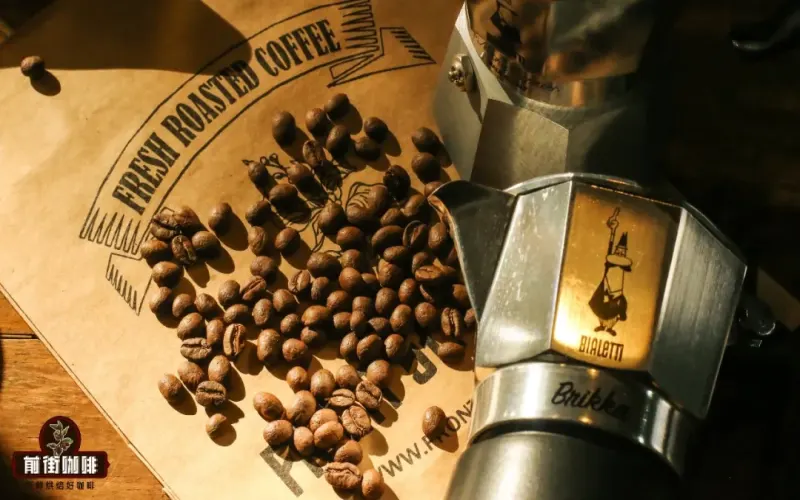
Which coffee beans are suitable for Bialetti moka pots? Blended bean selection and flavor test recommendations
The moka pot is the go-to choice for many coffee enthusiasts just starting out, but how do you choose the right coffee beans to brew a rich and balanced cup? This article provides an in-depth analysis of the brewing characteristics of a certain moka pot brand, explains the advantages of pairing medium-dark roasts with espresso blends, and introduces three blends that performed exceptionally well in testing, including a classic espresso blend, PWN Golden Mandheling, and Strawberry Sugar Blend. It also highlights the crucial impact of bean freshness on flavor, helping you brew a more ideal cup with your moka pot. [more…]

How to craft classic espresso with Arabica blends? A complete guide to three recipes and roasting strategies
The soul of an Italian-style blend lies in the precise ratio of Arabica beans and the artistry of roasting. This article delves into three classic Italian-style blend recipes—from specialty-grade to commercial-grade to entry-level basics—breaking down the flavor roles of Colombian Huila, Brazilian Cerrado, Robusta, and Yunnan AA. It also reveals the technical differences between green blending and roasted blending, and how roast levels influence the acidity-sweetness balance and crema performance of espresso, guiding you to master professional-level blending logic. [more…]
Are Italian-style blends suitable for drip brewing? A comprehensive analysis of the characteristics and usage of drip and espresso beans
Have you ever wondered if Italian-style blend beans can be used to make drip coffee? What are the differences in bean varieties, roasting styles, and brewing methods between American-style and Italian-style coffee? This article delves into the characteristics of both extraction methods, explores the practical operation of drip coffee makers, and provides specific parameters and bean recommendations to help you better understand how to choose the right coffee beans and equipment, making it easier to craft your ideal coffee experience. [more…]