







Introduction:Once coffee beans are roasted, their aroma and flavor compounds begin to gradually dissipate. If you purchase more than your daily consumption requires, how to store them properly becomes key. This article delves into various storage methods such as room-temperature sealing, refrigeration, and freezing. It particularly focuses on the increasingly popular method of freezing coffee beans, explaining in detail aspects such as sealing to prevent odors, avoiding condensation and moisture absorption, and portioning for use. Practical advice is also provided to help you effectively extend the flavor of your coffee beans and brew a more flavorful pour over experience.
After roasting, the sugars, acids, and aromatic compounds inside coffee beans are released in large amounts, forming the familiar aroma and flavor profile we know. However, these compounds do not continue to be produced; instead, they gradually diminish over time due to exposure to air, light, moisture, and high temperatures. Especially after opening the package, improper storage can cause the coffee beans not only to lose their aroma but also significantly reduce the complexity of flavors in the brewed cup.
Many coffee enthusiasts often buy coffee beans in larger quantities at once, only to find they cannot consume them all within the optimal freshness period. As a result, the brewing performance of the coffee tends to become increasingly mediocre over time. Therefore, understanding how to properly store coffee beans—especially methods to delay the loss of aroma—has become an important topic in improving everyday coffee quality.
Common storage recommendations include using airtight containers, storing in a cool and dry place, and avoiding direct sunlight and high-temperature environments. These methods can effectively slow down oxidation and help maintain the beans in better condition for several weeks after opening. However, if you purchase large bags of coffee beans or wish to preserve their original flavor for a longer time, further options such as refrigeration or freezing are worth exploring.
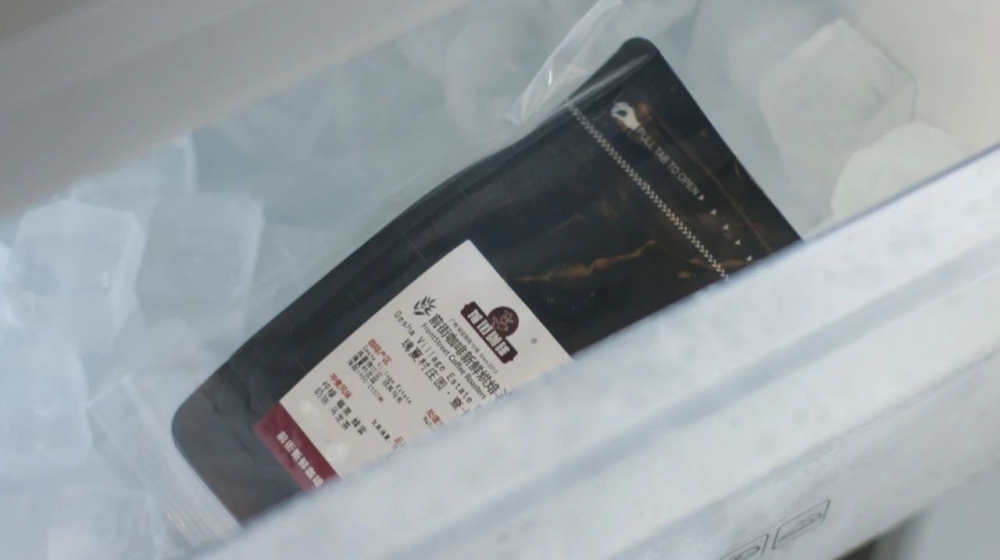
Among these, freezing has become a popular method tried by many coffee lovers in recent years. In theory, extremely low temperatures can greatly reduce the evaporation rate of aroma molecules, thereby slowing the loss of flavor. But in practice, freezing comes with special considerations. Improper handling may cause the beans to absorb moisture, develop off-flavors, or even affect the final extraction performance.
I. Sealing to Prevent Odor Transfer Is the Top Priority
If you choose to store coffee beans in the refrigerator or freezer, sealability is absolutely the top priority. A typical household refrigerator stores a variety of food items, from vegetables and fruits to seasonings, all of which may emit different odors. If the coffee bean packaging does not provide a high level of sealing, it will not only fail to effectively block air but may also absorb odors from surrounding food items. This so-called “fridge smell” can seep into the beans, severely affecting the purity of the flavor after brewing.
It is recommended to use vacuum-sealed containers, professional coffee seal bags, or high-quality packaging materials that have an aluminum foil layer and a one-way degassing valve to ensure optimal sealing before placing them in the freezer. If the original packaging does not offer good sealing, consider transferring the beans to a sealed container or reinforcing with a seal clip.
II. Condensation May Lead to Moisture Absorption Risks
When removing coffee beans from a frozen or refrigerated environment, the temperature difference with the warmer external room can quickly cause condensation on the bean surface. While these tiny water droplets may seem harmless, they can cause the beans to absorb moisture before grinding. This may disrupt the water-to-coffee ratio during extraction, affecting the release of aroma and the taste profile.
To avoid this issue, it is advised that if the beans are not used immediately after removal, allow them to return to room temperature (approximately 30 minutes to 1 hour) while ensuring the packaging remains tightly closed to prevent moisture ingress. Another approach is to pre-portion the required amount in the refrigerated or frozen environment, taking out only the portion needed for each use to minimize exposure of the entire bag to temperature fluctuations.
III. Avoid Frequent Retrieval; Recommended Portioned Storage
The biggest taboo for coffee beans stored in the freezer or refrigerator is frequent retrieval and re-placement. Each change in temperature accelerates the loss of aroma and also increases the risk of moisture absorption or condensation. Therefore, it is recommended to pre-portion the beans according to your regular brewing quantity before storage—for example, packing 15–20 grams per portion suitable for a single pour over—and sealing them well before placing them in the freezer.
This not only reduces the handling time for each use but also ensures that the unused beans remain in a stable storage environment, preventing the overall flavor preservation from being compromised by frequent opening and closing of the freezer.
Overall, refrigeration or freezing can indeed slow the loss of coffee bean aroma to some extent, but only if various factors are strictly controlled, including sealability, temperature management, and usage methods. For most consumers, planning based on actual consumption, purchasing an appropriate amount, and using room-temperature sealed storage along with a dark, cool, and dry environment can still deliver a high-quality pour over coffee experience.
No matter which storage method you choose, “freshness” is always the core of coffee flavor. Try to consume the beans within 2–4 weeks after roasting to fully appreciate their most complete and vibrant aromas and layers. Storage is just an auxiliary measure—enjoying coffee at the right time is the true way to savor its beauty.
The above content is compiled by CoffeeHunters, a coffee news website.


