








Introduction:The French press, with its simple operation and rich flavor, has become the go-to brewing device for many coffee enthusiasts. However, to brew a balanced and flavorful cup of French press coffee, selecting the right coffee beans, mastering grind size, and controlling steeping time are crucial. This article uses a classic medium-dark roasted Mandheling as an example to deeply analyze the characteristics of coffee beans suitable for the French press, recommended grind coarseness, ideal coffee-to-water ratio, water temperature control, and the complete brewing process—helping you get started easily and adjust to your preferred taste.
Thanks to its full immersion extraction principle and metal filter design, the French press effectively extracts coffee oils and a rich body, delivering a more intense drinking experience compared to drip or pour over methods. However, because the coffee grounds are in contact with hot water for a long time, choosing the wrong beans, grinding too finely, or steeping for too long can easily lead to over-extraction, resulting in off-flavors or excessive sediment.
To successfully brew a smooth and layered cup of French press coffee, the key lies in understanding how various parameters affect the final flavor, including coffee bean type, grind size, coffee-to-water ratio, water temperature, and steeping time. This article will use the widely praised medium-dark roasted Mandheling as an example, guiding you from bean selection to brewing to fully master the French press techniques.
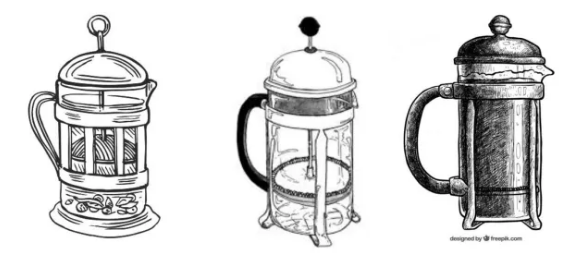
The structure of the French press is simple, primarily using a metal filter to separate coffee grounds, which allows the extraction process to retain more oils and delicate flavor compounds, resulting in a rounder and fuller mouthfeel. However, because the metal filter cannot completely filter out very fine particles, grinding the coffee too finely may cause sediment in the brewed coffee, affecting smoothness. Therefore, choosing the right coffee beans and grind size is the first step to success.
The French press is a full immersion brewing tool with a longer extraction time, making it less suitable for light roasted beans with pronounced acidity or delicate flavor profiles. On the contrary, medium-dark roasted beans, due to more pronounced caramelization reactions, can showcase warm notes such as vanilla, caramel, nuts, and chocolate during long steeping. When paired with the French press, their richness and smoothness are further highlighted.
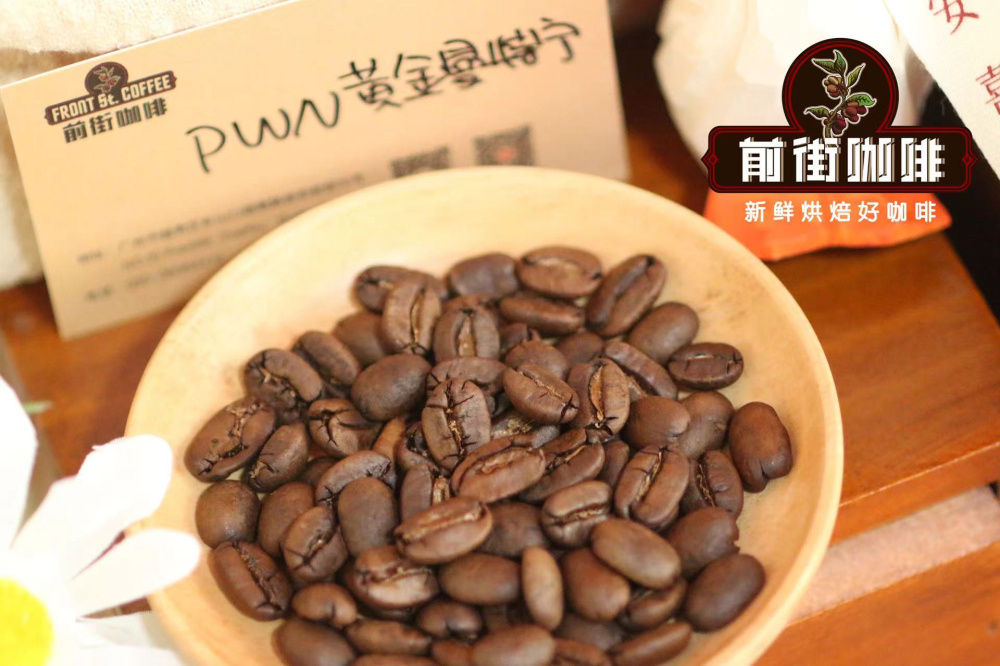
For beginners new to the French press, it is recommended to start with classic medium-dark roasted beans like Indonesian Golden Mandheling. These beans from Sumatra undergo strict screening during the green bean processing stage, resulting in uniform and intact beans. After medium-dark roasting, they emit rich aromas of spices, cedar, dark chocolate, and caramel. When brewed with a French press, they not only deliver a full body and rich mouthfeel but also exhibit excellent oil expression, making them ideal for those who prefer low acidity and bold flavor layers.
If you prefer coffee with bright floral and fruity notes, you might try a specialty blend made from Costa Rican honey-processed beans and Panamanian Geisha. Such blends often carry aromas of rose, citrus, raisin, and blueberry, and when milk is added, can even present a sweet sensation similar to strawberry taffy—an intriguing option worth exploring in the French press.
Before you start brewing, there are several key variables to clarify in advance: coffee bean selection, grind coarseness, coffee-to-water ratio, water temperature, and steeping time—each significantly impacts the final flavor. Let’s start with grind size—because the French press has a long brewing time, grinding too finely not only risks over-extraction but may also allow very fine particles to pass through the metal filter, leading to cloudy coffee and a rough mouthfeel. Therefore, it is recommended to use a relatively coarse grind, roughly similar to white sugar or small gravel, aiming for around a 70% extraction rate through a Chinese No. 20 standard sieve, about the size of coarse sugar. This not only reduces the risk of over-extraction but also allows smoother water flow, improving overall extraction stability.
As for the coffee-to-water ratio, the most commonly used and beginner-friendly recommendation is 1:15, meaning 15 grams of coffee grounds to 225 milliliters of hot water. This ratio usually yields coffee with a concentration of about 1.1% to 1.2%, offering a balanced taste suitable for most people. If you prefer a stronger flavor, you can try a 1:14 or even lower ratio, but remember to adjust the steeping time accordingly to avoid over-extraction.
Water temperature is also a critical factor affecting extraction efficiency. Generally, if you don’t have a professional thermometer, let boiled water sit for about 45 seconds to cool down to around 90°C before use. For medium-dark roasted beans, such as the Mandheling introduced here, it is recommended to keep the water temperature between 89°C and 90°C. This helps bring out flavors of vanilla, caramel, and chocolate while avoiding excessive bitterness from over-extraction. If you’re using medium-light roasted beans, the water temperature can be slightly higher, around 92°C to 94°C, to fully highlight floral, fruity, and acidic notes.
Regarding steeping time, since the French press does not involve additional stirring, extraction mainly relies on time and water temperature. The recommended steeping time range is 3 to 5 minutes. For medium-dark roasted beans like Mandheling, 4 minutes is a stable and beginner-friendly benchmark. If the time is too short, some flavors may not fully develop; if it exceeds 5 minutes, noticeable bitterness and off-flavors may emerge.
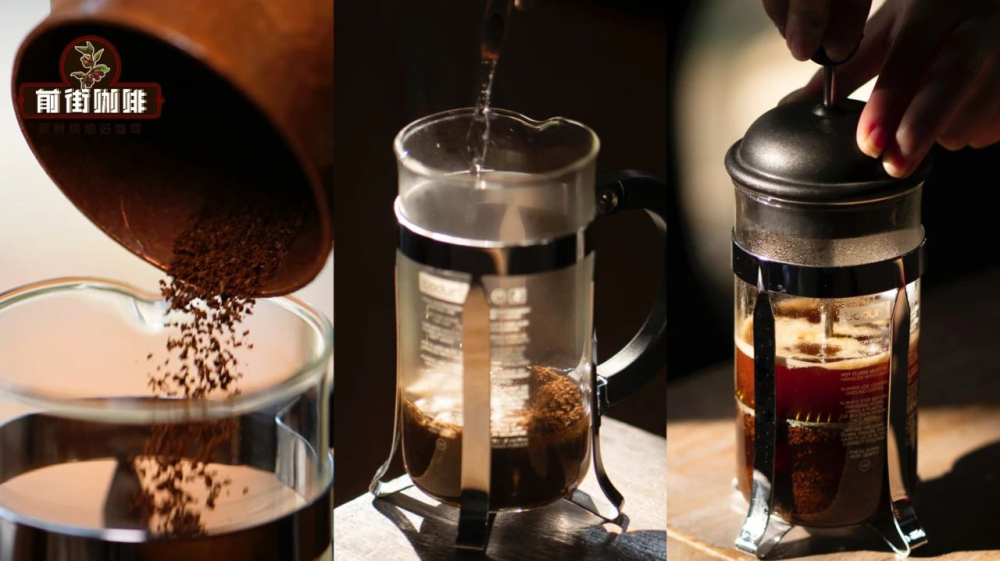
In terms of actual steps, first, give the preheated French press a quick internal rinse. Then, add the ground coffee into the press—preferably using a flat or conical burr grinder to ensure consistent grind size, rather than a blade grinder. Next, slowly pour a small amount of hot water (about twice the weight of the coffee grounds, e.g., 30 grams of water for 15 grams of coffee) to allow all the grounds to bloom evenly for about 30 seconds. This step awakens the coffee grounds and improves overall extraction efficiency.
After blooming, pour the remaining hot water into the press, adjusting the total water volume according to your chosen coffee-to-water ratio. Once poured, gently place the filter plunger into the press but do not press down yet. Let it steep for about 4 minutes. When time is up, slowly and steadily press the plunger all the way down, keeping it vertical to avoid disturbing the coffee grounds. Finally, carefully pour the coffee into your cup—try to avoid excessive movement that might mix the settled sediment at the bottom.
If you feel significant resistance when pressing down, it likely means the coffee is ground too finely—adjust the grind setting next time. Conversely, if the plunger moves down too easily, or the coffee grounds haven’t fully settled yet, the grind may be too coarse and should be adjusted slightly finer. By continually fine-tuning these parameters, you’ll gradually find the French press brewing method that best suits your taste.

The above content is compiled by CoffeeHunters, a coffee news website.


