







Category: Coffee Knowledge

A Big Showdown: Siphon, V60 & Moka Pot – How Brewing Equipment Affects Coffee Flavor?
The same coffee beans can taste completely different when brewed with different tools. This article puts three popular brewing methods — siphon, V60 pour over, and moka pot — to the test, offering an in-depth look at their flavor profiles and who they’re best suited for. Whether you prefer bright and refreshing, bold and rich, or balanced flavors, you’ll find the perfect tool for your taste. The article also includes real cupping experiences with Colombian and Mandheling beans, plus key tips on choosing a moka pot to help you avoid common pitfalls. [more…]

What’s the difference between a caramel macchiato and a latte? A complete guide to preparation principles, flavor profiles, and home brewing
Although both caramel macchiatos and caramel lattes feature caramel flavors and layers of milk foam, they actually have significant differences in their formula structure and taste profiles. Many coffee enthusiasts often confuse these two classic drinks, even mistakenly thinking they both originate from the Italian macchiato tradition. This article delves into the origin of the English name “caramel macchiato,” breaks down how it differs from caramel lattes and Italian macchiatos, and provides a detailed preparation process, including coffee bean selection, extraction ratios, and milk steaming. [more…]
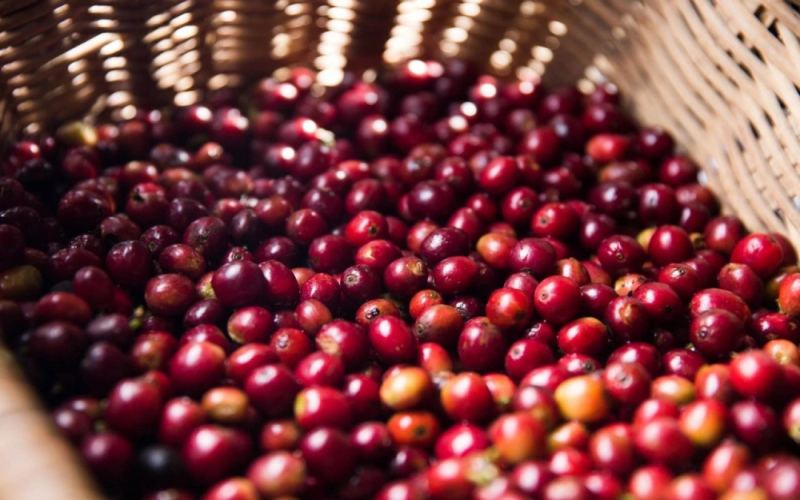
In-depth Analysis of Yirgacheffe Coffee: Regional Terroir, Processing Methods, and Pour Over Bean Recommendations
As Ethiopia’s most iconic specialty coffee region, Yirgacheffe is renowned for its distinctive citrus and floral flavor profiles. This article delves into the region’s garden-style cultivation, microclimatic conditions, and how washed and natural processing methods shape distinct flavor characteristics. We’ll also introduce several representative Yirgacheffe beans and detail the rigorous screening process for natural beans, helping you find the coffee that best suits your taste. [more…]
Homemade Iced Caramel Macchiato Guide | 8 Steps from Bean Selection to Latte Art
The Iced Caramel Macchiato is widely loved for its smooth texture and sweet caramel aroma, but did you know you can recreate it at home with simple tools and steps? This guide takes you through the entire process: starting with selecting a suitable dark roast blend, then breaking down the iced milk base, espresso extraction ratio, milk foam texture control, all the way to caramel drizzle and creative latte art techniques. Master all 8 key steps in one go — no professional equipment needed to make this high-style, delicious iced dessert coffee. [more…]

Complete Guide to Making Starbucks Caramel Macchiato at Home: From Ingredient Selection to Caramel Torching
Caramel Macchiato is beloved for its velvety milk foam and sweet caramel flavor, but many struggle to replicate the Starbucks-level taste at home. This guide will take you from scratch, detailing how to choose the right coffee beans, correctly extract espresso, whip the ideal milk foam, and the crucial technique of torched sugar. Whether you're a beginner or already have some coffee knowledge, by following the steps below, you can easily make a beautifully presented and deliciously flavored Caramel Macchiato. [more…]
How to Choose the Water Temperature for Pour Over Coffee? A 5-Temperature Test on Flavor Variations
When making pour over coffee at home, many people adjust the water temperature by feel, resulting in significant taste differences each time and even doubting the quality of the beans. In fact, water temperature has a huge impact on pour over extraction, with different temperatures noticeably altering the flavor profile of the coffee. This article uses an Ethiopian Yirgacheffe washed coffee as an example, testing the extraction performance across five temperature ranges from 80°C to 96°C, analyzing how temperature affects the balance of acidity, sweetness, bitterness, and aroma release, and providing practical recommendations suitable for different roast levels. [more…]

In-depth Analysis of Ethiopia's Guji Hambella Huikaui Beans: Natural Processing, Roasting Curve & Pour Over Guide
The Hambella sub-region in Ethiopia’s Guji zone, blessed with high altitude and unique microclimates, produces specialty coffees with vibrant and diverse flavors. Among them, the "Huikaui" natural-processed beans gained widespread fame after winning the TOH championship in 2017. Its rich fruity aroma and bright acidity have made it a top choice for many coffee enthusiasts just starting out. This article provides a detailed breakdown of Huikaui’s regional background, competition history, along with expert roasting parameters, cupping flavor notes, and practical V60 pour over ratios and techniques to help you fully unlock the potential of this exceptional bean. [more…]

What is the best water temperature for pour over coffee? Unveiling the ideal temperatures for dark and light roasts with practical tips
Water temperature is a critical yet often misunderstood parameter in pour over brewing. The suitable water temperature varies significantly depending on the roast level of the coffee beans, affecting not just extraction efficiency but also the final flavor profile. This article delves into how temperature influences extraction outcomes, explores the optimal temperature ranges for dark and light roast beans, and provides practical adjustment methods to help you precisely control brewing conditions and achieve your desired flavors. [more…]

Flavor Analysis of Yirgacheffe Guddina G1 Pour Over: Taste Evolution and Brewing Parameters from High to Low Temperature
Yirgacheffe Guddina G1 is a high-altitude Ethiopian washed coffee bean, renowned for its bright acidity and dynamic flavor profile across temperatures. This article delves into the flavor transitions of this G1-grade bean at different temperatures — from the freshness of berries and citrus to the lingering notes of cream and honey. It also provides practical V60 pour over parameters to help you master extraction techniques from high to low temperature, enhancing your coffee tasting experience. [more…]
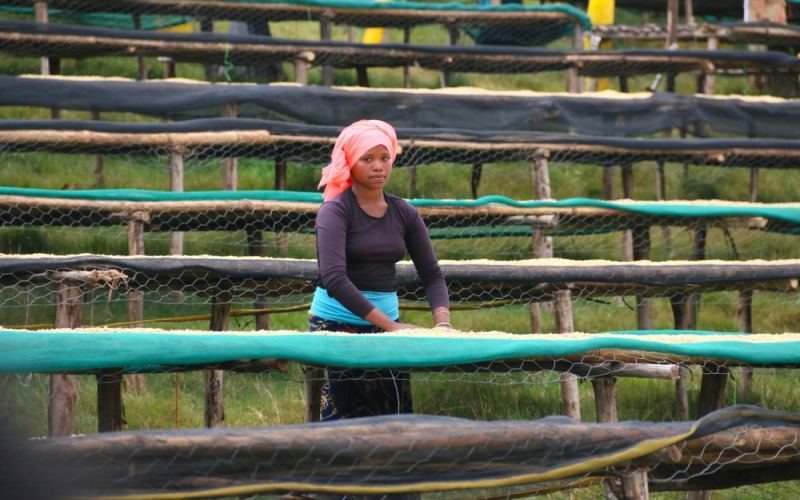
A Comprehensive Analysis of the Differences Between Ethiopian Yirgacheffe Aricha and Idido Washed Beans and the Evolution of Their Processing Factories
Want to dive deep into the differences between two renowned Ethiopian Yirgacheffe regions—Aricha and Idido? This article takes you through the historical background of their processing factories and the differences in washed and natural processing techniques, exploring the origins and evolution of Aricha and Idido. It also provides a detailed breakdown of the actual flavor profiles, processing details, and roasting recommendations for two representative beans from a certain brand: Washed Aricha and Natural Red Cherry, helping you choose your ideal coffee beans more precisely. [more…]
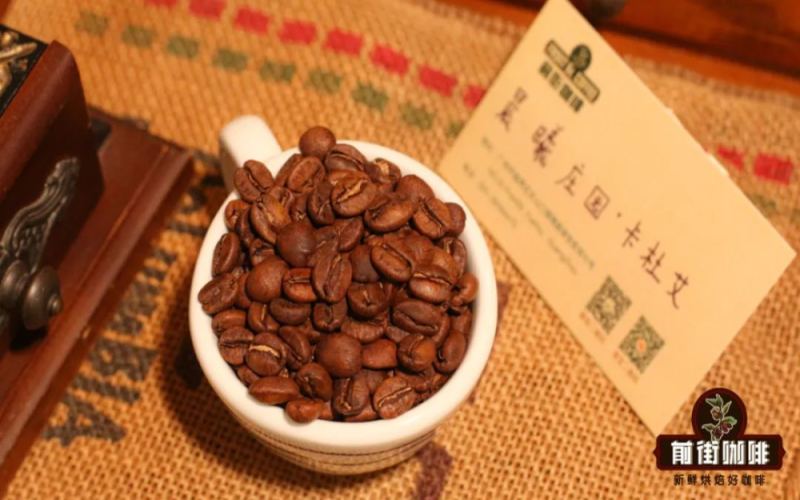
Costa Rica Red Honey Catuai Pour Over Tutorial | Flavor Profile & Brewing Parameters of Dawn Estate
Dawn Estate in Costa Rica’s Tarrazú region is renowned for its refined honey processing. Its Red Honey Catuai, grown at an altitude of 1750 meters, boasts captivating flavors such as sweet orange, grapefruit, and honey. This article delves into the estate’s geographical environment, varietal characteristics, and red honey processing method, and provides professional pour over recommendations—including water temperature, grind size, and a three-stage extraction process—to help you fully showcase the layered and sweet profile of this medium-light roasted coffee. [more…]
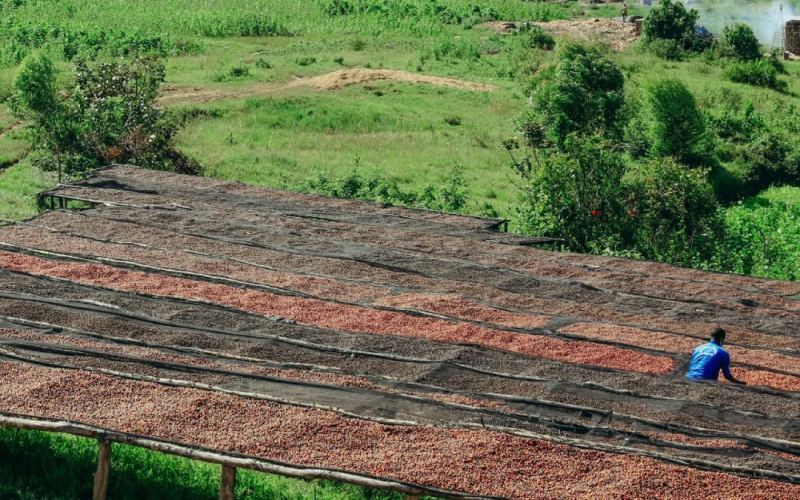
How to Roast Rwandan Coffee? Light-to-Medium Roast Comparison + Pour Over Parameters Reveal Fruit Flavor Secrets
Rwandan coffee is renowned for its washed processing and Bourbon variety, often associated with bright, fruity acidity that leads many to assume it should only be light roasted. But in reality, by mastering the right roast level and brewing method, you can unlock its distinctive layers of berry, nut, and citrus notes. This article takes you step-by-step—from regional characteristics and processing methods, to varietal flavors, cupping results, and staged pour over settings—to help you find the perfect Rwandan brew. [more…]
How does the smoky flavor in dark roasted coffee beans come about? A complete analysis of sweetness changes and smoke control techniques
Many people mistakenly believe that the darker the roast, the more pronounced the coffee’s aftertaste. However, the formation of sweetness and smokiness is closely related to roasting temperature and time. This article will delve into the sweetness development curve at each stage from green beans to roasted beans, explain the causes of smoky flavors, and provide practical methods to effectively reduce smoke, helping you better understand the science behind coffee roasting and improve brewing quality. [more…]
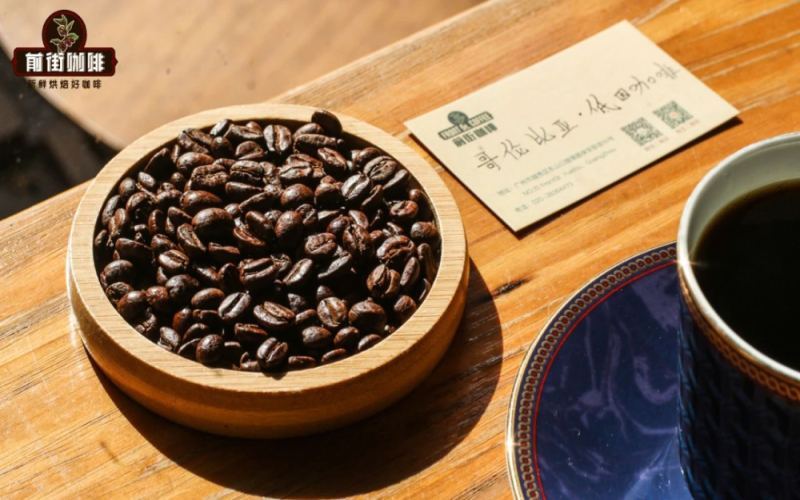
How to Brew Decaf Coffee from Colombia? A Complete Guide to Swiss Water Process Flavors and Pour Over Parameters
For those sensitive to caffeine or looking to reduce intake, decaf coffee is an excellent alternative. This article delves into a Colombian Typica decaf bean processed using the Swiss Water method. From the decaffeination principle and roast characteristics to practical pour over recommendations, it explores how to fully bring out its delicate flavors of berries, citrus, and nuts through proper brewing techniques. It also provides complete parameter settings and step-by-step instructions. [more…]
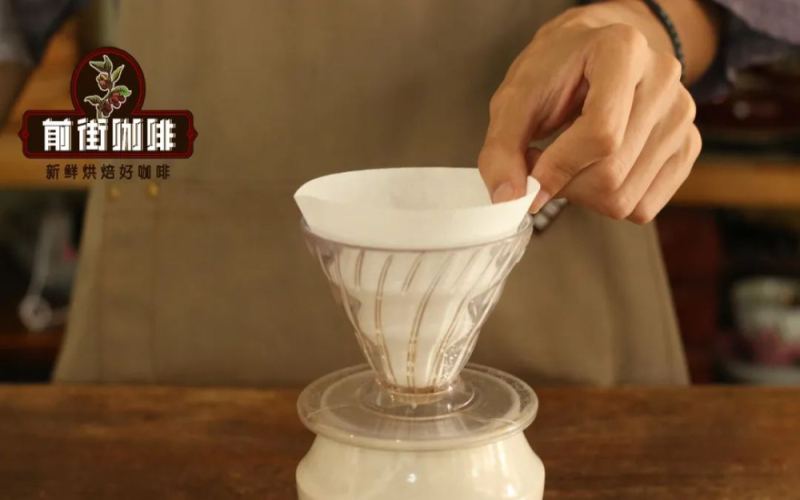
The Complete Guide to Using Pour Over Coffee Filters: Understanding Wetting, Bleached, and Unbleached Differences
When making pour over coffee, the filter paper is not just an extraction tool—it also affects flavor and overall experience. From why you should pre-wet the filter before pouring water, to how to choose between bleached and unbleached types, and how filter size and craftsmanship impact flow rate, this article will deeply explore these key aspects to help you master filter usage techniques and brew purer, more stable coffee. [more…]
A Complete Guide to Guatemala Huehuetenango Coffee: Region Terroir, Tierra Nueva Estate Beans & Pour Over Techniques
Want to understand the unique charm and specialty coffee potential of Guatemala’s Huehuetenango region? This article takes an in-depth look at how the area’s high-altitude microclimates produce coffee beans with bright acidity, nutty and mineral notes. Using the well-received Tierra Nueva Estate SHB washed beans as an example, we’ll guide you from regional background, processing methods, cupping flavors, to practical pour over parameters and steps — covering all the essentials for brewing a high-quality Guatemala pour over coffee. [more…]
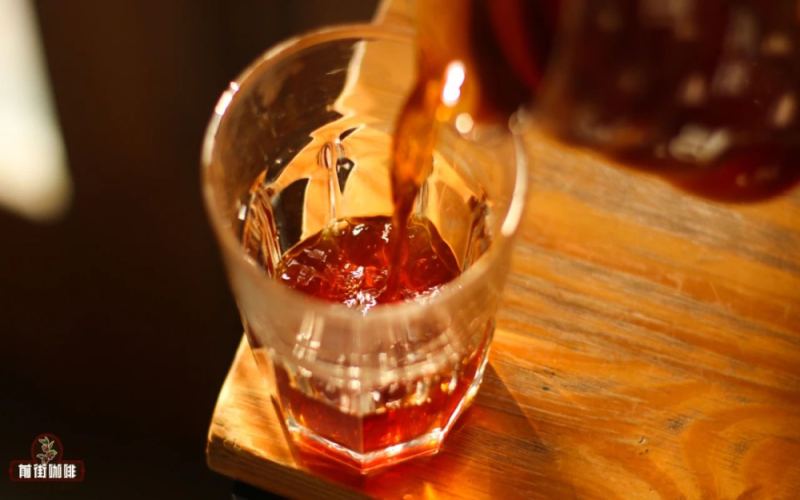
How to Choose Between Rwandan and Tanzanian Coffee Beans? A Complete Analysis of Flavor Profiles and Brewing Parameters
African coffee is not limited to Ethiopia and Kenya—Rwanda and Tanzania are also renowned for their high-quality beans. These two regions produce distinctive washed coffee beans thanks to their unique geographic conditions and processing techniques. This article delves into the origin background, coffee variety characteristics, and processing methods of both countries, and provides detailed cupping flavor profiles and pour over recommendations to help you find your preferred African coffee flavor. [more…]
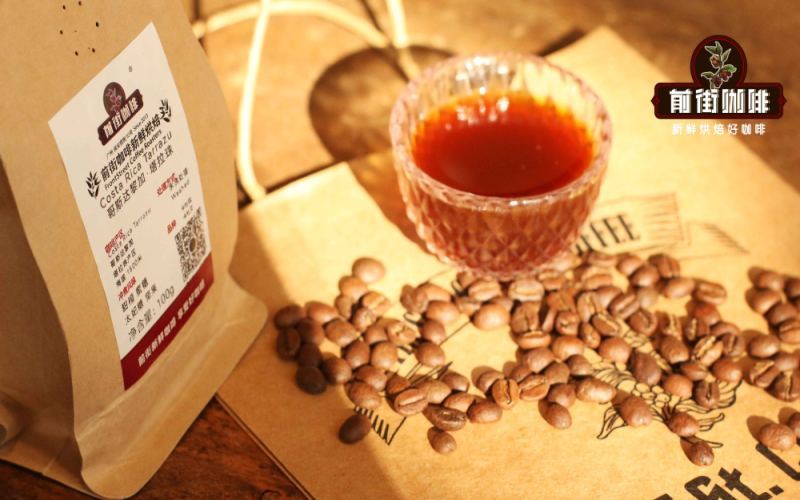
How to Brew Costa Rican Red Honey Coffee? A Complete Guide to the Flavors of Las Lajas Estate in the Central Valley & Pour Over Parameters
Las Lajas Estate in the Central Valley of Costa Rica is renowned for its refined red honey processing method, producing premium coffee with a balanced acidity and sweetness, along with a rich chocolatey profile. This article delves into this high-altitude red honey coffee grown at elevations of 1,250–1,500 meters. It covers the regional terroir, details of the honey processing technique, comparisons between yellow, red, and black honey processes, and provides expert roasting profiles and pour over parameters — guiding you from bean to cup for a comprehensive understanding of this popular hand-brewed coffee. [more…]

The Perfect Secret to Latte Art Milk Foam: Milk Selection & 6 Key Foaming Techniques
To create delicate and stable latte art milk foam, it's not just about mastering the correct frothing technique — the choice of milk is key. This article delves into how to achieve professional-grade, fine-textured milk foam by using the right milk composition and six practical techniques, including steam wand angle, frothing depth, and temperature control. It also explores how different roast levels of coffee beans affect the overall performance of the foam and latte art. Whether you're a beginner or an advanced coffee enthusiast, you'll find useful operational insights here. [more…]
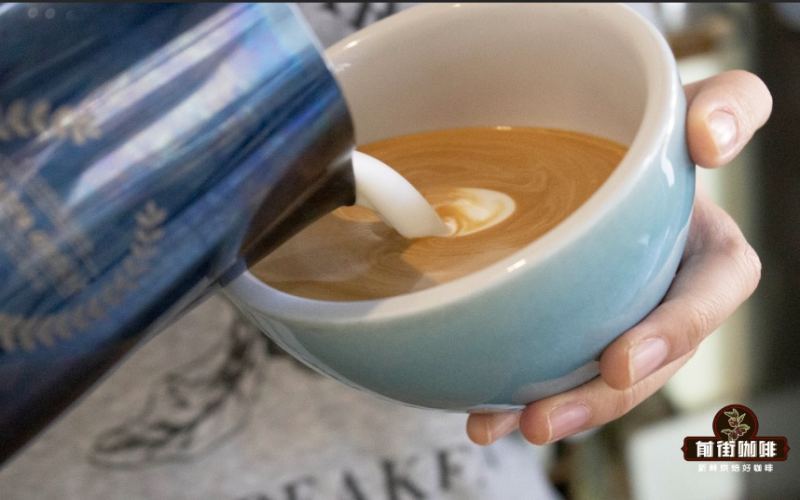
Why Your Coffee Latte Art Never Centers? Analyzing 3 Common Mistakes and Practical Correction Tips
Many coffee enthusiasts often encounter issues such as misaligned patterns or an inability to center their latte art during practice. Beyond just lack of technique, this is closely related to the condition of the milk foam, the cup-returning rhythm, and the initial pouring point. This article delves into the three main reasons why latte art patterns fail to center — including overly thin milk foam, returning the cup too quickly, and choosing the wrong pouring starting point — and provides specific adjustment suggestions to help you accurately master latte art positioning and enhance overall visual presentation. [more…]