







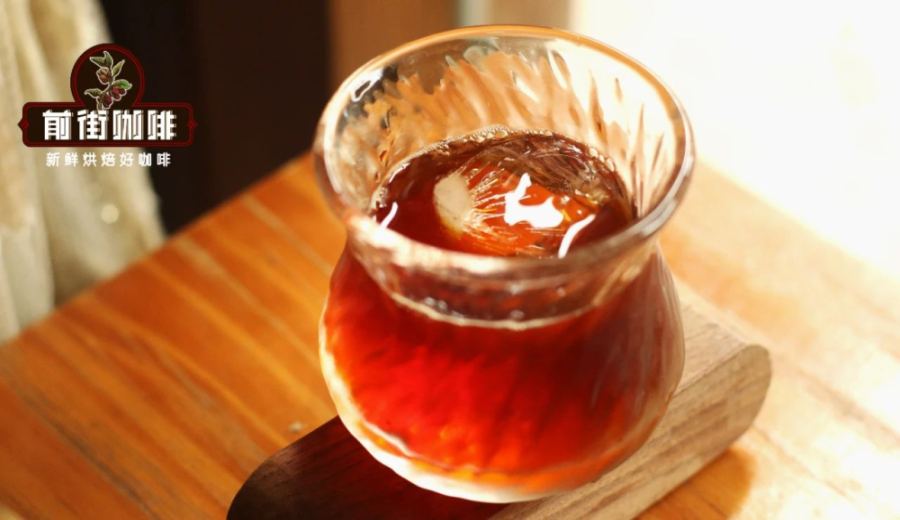
Introduction:On a hot summer day, a cool and refreshing cup of coffee can instantly perk you up. Both ice drip and cold brew are two popular low-temperature extraction methods that not only deliver unique flavors but are also ideal for making at home. This article delves into the differences in their principles, and step-by-step breaks down the practical process—from basic equipment, grind size, coffee-to-water ratio to optimal refrigeration time—and recommends two bean varieties well-suited for long, low-temperature extraction, helping you easily master the art of homemade summer coffee.
Enjoying a chilled cup of coffee in the summer heat is undoubtedly a treat. But what exactly is the difference between ice drip coffee and cold brew? And can you still make an elegant-tasting iced coffee at home without professional equipment? This article will detail these two cold extraction methods—from the components of the gear, step-by-step operation, to the crucial coffee-to-water ratio, grind size, and coffee bean selection—guiding you through how to brew a clear and sweet iced coffee at home.
As the name suggests, ice drip coffee involves slowly dripping a mixture of ice and water through a bed of coffee grounds, drop by drop, relying on gravity for an ultra-slow extraction process. The entire procedure typically takes6 to 12 hours, resulting in a flavor that is often cleaner, lower in acidity, and with a unique sweetness. This extraction method requires specific equipment. Common ice drip setups mainly include a water reservoir, a drip rate regulator, a coffee grounds chamber, a serpentine funnel, and a coffee liquid collection bottle. Each component plays its role to ensure the ice water uniformly seeps through the coffee grounds, gradually releasing flavor compounds.

In practice, it is recommended to use60 grams of coffee grounds, with acoffee-to-water ratio of 1:10—that is, 600 milliliters of ice water mixture. For grind size, it is suggested to use a medium-fine grind, approximately passing85%through a Chinese standard No. 20 sieveat a rate of about five drops per 10 seconds, allowing the ice water to slowly drip through. After several hours of extraction, the resulting coffee liquid can be bottled and refrigerated overnight, which will make the flavor rounder.
In contrast, cold brew is a simpler and more beginner-friendly method, achievable without complicated tools. Its basic principle is also soaking coffee grounds in room temperature or cold water over an extended period to achieve extraction. It is generally advised to use60 grams of coffee grounds, while maintaining the samecoffee-to-water ratio of 1:10, with an extraction time of8 to 12 hours, simply steeping in the fridge. After completion, a simple filtration followed by about 12 more hours of refrigeration allows the flavors to meld better, resulting in a smoother mouthfeel.
Whether it’s ice drip or cold brew, the lower water temperature—compared to the near 90°C used in typical pour over—significantly slows down the extraction rate. Therefore,the grind size of the coffee should be slightly finer than usualto increase the contact area between water and coffee grounds, aiding the release of flavor compounds. However, be cautious: grinding too finely may lead to over-extraction, resulting in unpleasant bitterness and astringency. Through repeated experimentation,a grind that passes 85% through a Chinese standard No. 20 sievehas been proven to be an ideal balance point, extracting fully while retaining a clean taste.
Regarding the adjustment of coffee-to-water ratio, beginners are generally advised to start with1:10a baseline of 1:10, that is, 1000 milliliters of water per 100 grams of coffee. This ratio yields a coffee of moderate strength, suitable for most palates. If you prefer a stronger cup, reduce the water volume; if you like a lighter taste, you can moderately increase the water. Additionally, because ice drip and cold brew are often served with ice cubes, which naturally dilute the concentration as they melt, there is considerable flexibility in adjusting the ratio.

When it comes to selecting coffee beans, due to the characteristics of low-temperature, long-duration extraction, beans with bright acidity and complex flavor profiles are usually better able to showcase their qualities. Small molecules such as floral notes, fruity acidity, and caramel sweetness are more easily released, whereas larger, bitter tannin molecules are less likely to dissolve. Therefore, it is recommended to choose beans such asKenyan or Ethiopian natural-process beansthat have distinct flavor profiles and can exhibit unique fruitiness and sweetness during cold brewing.
Among them, Kenyan coffee beans often feature varieties such as SL28 and SL34, and when processed with the K72 method, they tend to deliver layers of black plum, cherry tomato, and caramel, with a balanced acidity and sweetness, and a refreshing mouthfeel—especially well-suited for ice drip, producing an intense fruit jam-like experience. Another option is the Ethiopian Yirgacheffe natural, which showcases gentle citrus, grapefruit, and black tea aromas. Under the dual influence of low-temperature extraction and subsequent cold fermentation, the overall flavor becomes as smooth as a tea drink, with a long-lasting aftertaste, perfect for those who enjoy a fruit-tea profile.
In summary, whether you choose the more equipment-intensive ice drip coffee or the easy-to-handle cold brew, as long as you get the grind size, coffee-to-water ratio, extraction time, and suitable bean variety right, you can enjoy an excellent cup of iced coffee at home. With careful adjustments and multiple trials, you can find your personal ideal cold brew flavor combination, turning this summer into a refreshing season filled with the aroma of coffee.

The above content is compiled by CoffeeHunters, a coffee news website.


