








Introduction:The soul of an Italian-style espresso blend lies in the precise ratio of Arabica beans and the roasting craftsmanship. This article delves into three classic Italian blend recipes—from specialty-grade to commercial-grade and even entry-level basics—breaking down the flavor roles of Colombian Huila, Brazilian Cerrado, Robusta, and Yunnan AA. It also reveals the technical differences between green blending (mixing green beans before roasting) and roasted blending (blending beans after individual roasting), how roast levels affect the acidity-sweetness balance and crema performance of espresso, and guides you through mastering professional-grade blending logic.
The unique flavor profile of Italian coffee hinges on the combination ratio of Arabica varieties within the blend and the roasting strategy. Blending is not random mixing but a technique—either green blending (blending green beans before roasting) or roasted blending (roasting each bean separately before blending)—that allows beans from different origins—such as those with bright acidity, prominent sweetness, or high body—to complement each other, ultimately forming a balanced and stable taste structure. This article uses three representative Italian blend recipes as examples: specialty blend (Colombian + Brazilian), commercial Italian blend (Colombian + Brazilian + Robusta), and basic Italian blend (Yunnan AA + Brazilian). It dissects the flavor characteristics, roasting parameters, and blending logic of beans from each origin, and shares practical tips to enhance the performance of espresso.

The core of blending coffee is "complementing strengths and compensating for weaknesses." Combining multiple single-origin beans in specific proportions aims to maximize the advantages of each bean—for example, pairing a bean with prominent aroma but thin body with another that has high body to achieve balance; or adding a sweet bean to neutralize excessive acidity. Operationally, it is divided into green blending and roasted blending: green blending is suitable for beans with high flavor compatibility, allowing unified flavor development; roasted blending allows setting independent roast levels for different beans, enabling each component to perform at its best. Which method to choose depends on the characteristics of the beans in the recipe.
Before designing a blend, it is essential to understand the flavor differences of coffees from various regions—origin, altitude, and variety directly impact the expression of acidity, bitterness, sweetness, aroma, and body. Single-origin beans emphasize uniqueness, while blends are specifically designed for Italian-style coffee (such as espresso, latte, cappuccino), aiming for balanced, smooth, and stable flavors that better meet mainstream taste preferences.
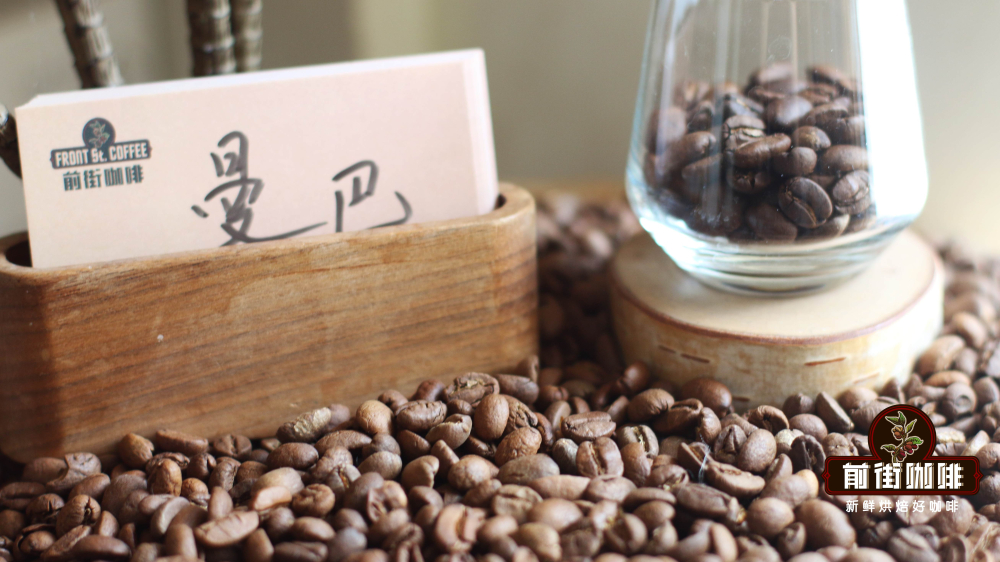
Specialty Blend Coffee Beans: Colombian Huila × Brazilian Cerrado
The Colombian Huila region is located in the southwestern part of the country and is one of the main coffee-growing areas. The altitude here ranges from 1500–1800 meters, with main varieties being Bourbon and Caturra, processed using the washed method. The beans are dense, with uniform bean size and full shape (thicker from core to surface). Huila has many renowned micro-regions, some of which have even become branded names, though infrastructure (such as drying equipment) still has room for improvement. The coffee from this region has a strong taste, thick texture, and distinct aromas of nuts, chocolate, and caramel, with moderate acidity, placing it in the premium specialty category.
Flavor Characteristics: Rich and full-bodied mouthfeel, pleasant acidity, mellow aroma, long-lasting and layered sweetness. Due to its smaller bean size and high cost-performance ratio, it is very suitable as a base for blends.
Brazilian Cerrado Region: Altitude ranges from 1000–1300 meters, with lower bean density, mainly the Bourbon variety, processed via semi-washed (pulped natural) methods. The beans are softer, with thinner thickness from surface to core, requiring attention to temperature control during roasting (avoiding high temperatures that scorch the surface and cause bitter notes). It is recommended to use medium heat when dropping the beans, maintaining stable firepower during the drying phase, slightly adjusting upward after the first crack begins to promote caramelization, and dropping the beans close to the second crack.
Flavor Characteristics: Smooth on the palate, balanced bitterness and sweetness, with a hint of grassy notes, and a comfortable aftertaste.
Blended Flavor: Roasted to a medium-dark level, the espresso presents soft mild acidity, clean sweetness, and nutty aftertaste, with medium crema, suitable for daily use in coffee shops.
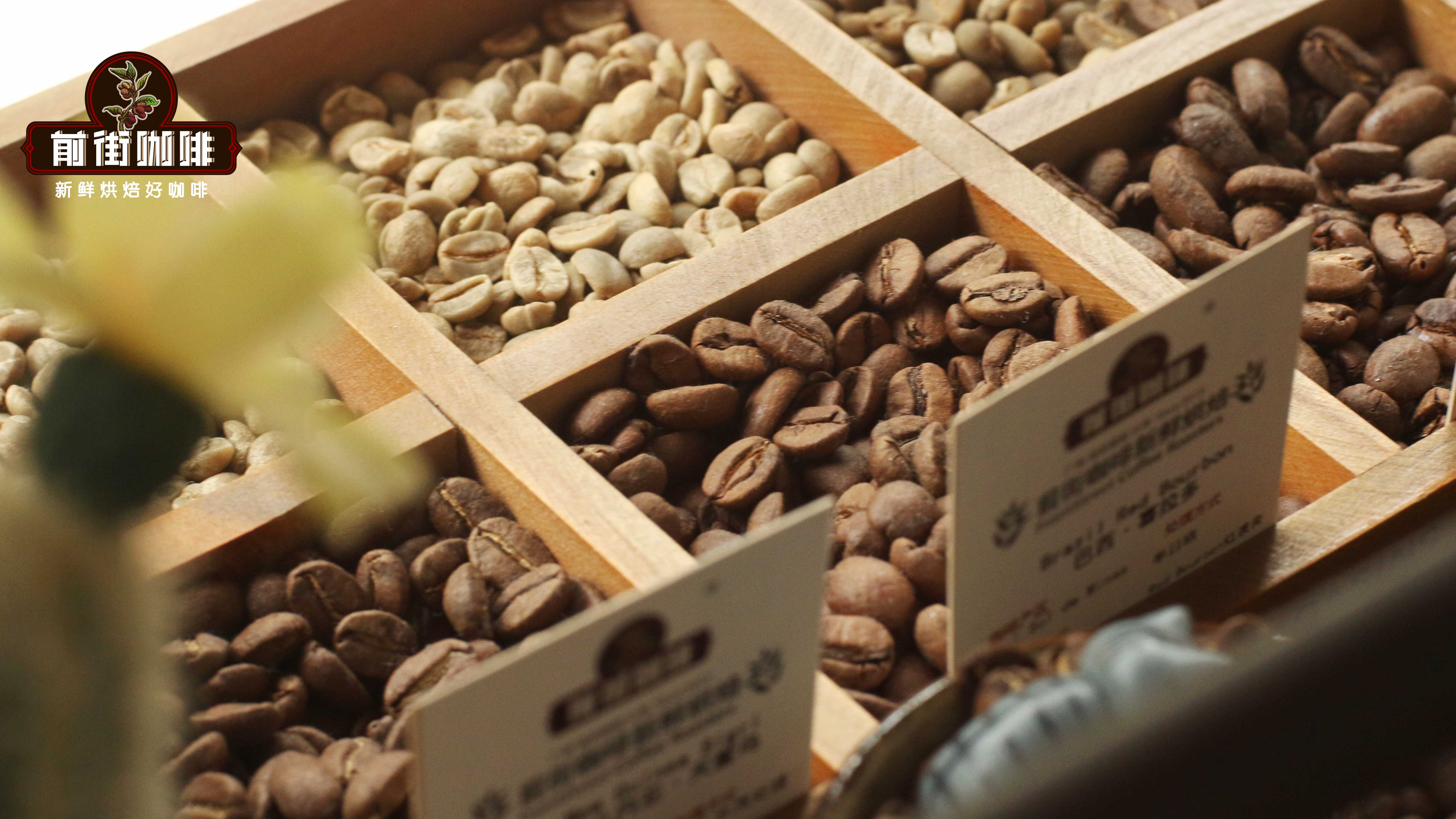
Commercial Italian Blend Beans: Colombian × Brazilian × Robusta
Robusta beans have strong resistance to pests and diseases, high yield, low acidity, and often carry woody aromas. Their caffeine content (2.2%) is much higher than that of Arabica (1.2%), as is their chlorogenic acid content, resulting in a bitter taste—but at a low cost. Though the flavor of a single Robusta bean may not match that of specialty beans, adding it to a blend can enhance crema richness and sweetness. This commercial blend's espresso has noticeable crema, with a classic flavor—caramel sweetness, nuttiness, and dark chocolate notes, with balanced acidity and sweetness, slight bitterness, and a long-lasting aftertaste, suitable for home or shop preparation of classic drinks like lattes, cappuccinos, and flat whites.
Basic Italian Blend Coffee Beans: Yunnan AA × Brazilian
Yunnan AA uses the Typica variety (the oldest original Arabica species, originating from Ethiopia). The local environment—high altitude and large diurnal temperature variations (main planting areas include Lincang, Baoshan, etc.)—imparts a mellow aromatic flavor: moderate acidity, rich and thick aroma, uniform grains with high oil content, and a texture similar to Colombian beans. Typica has slender leaves, requires significant shade, and is harvested approximately every two years, resulting in lower yield but stable quality.
Flavor Characteristics: A dark cocoa blend with soft fruity acidity, caramel sweetness, and flavors of nuts and dark chocolate, smooth and viscous in mouthfeel but relatively mild in taste. This cost-effective blend is suitable for shop owners or home users with limited budgets or less demanding flavor preferences.
When blending, it is necessary to define the "primary-secondary relationship"—determine the main flavor direction (such as body, acidity-sweetness, or balance), then select complementary beans to enhance or harmonize. It is recommended to first plan the bean combination logic, adjust through test roasts and cuppings, and finally determine the optimal roast level and ratio to create a blended flavor that outperforms single-origin coffee.

The above content is compiled by CoffeeHunters, a coffee news website.


