







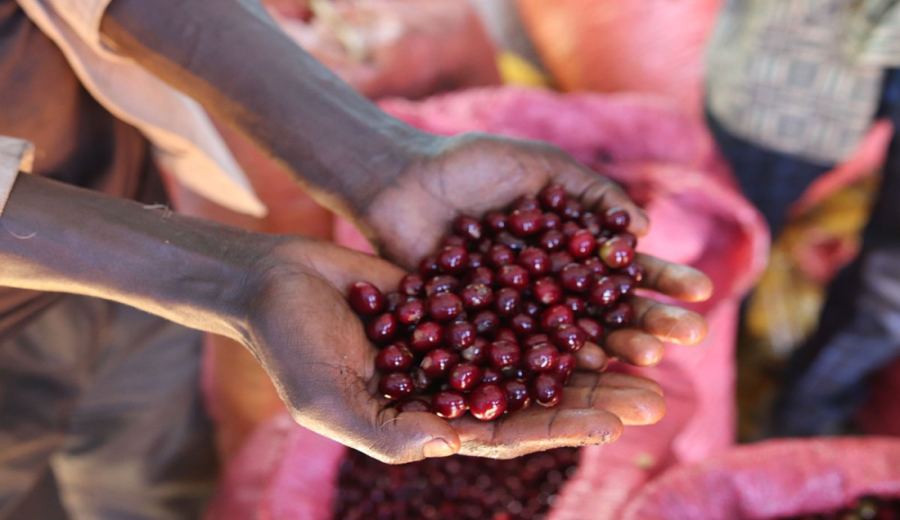
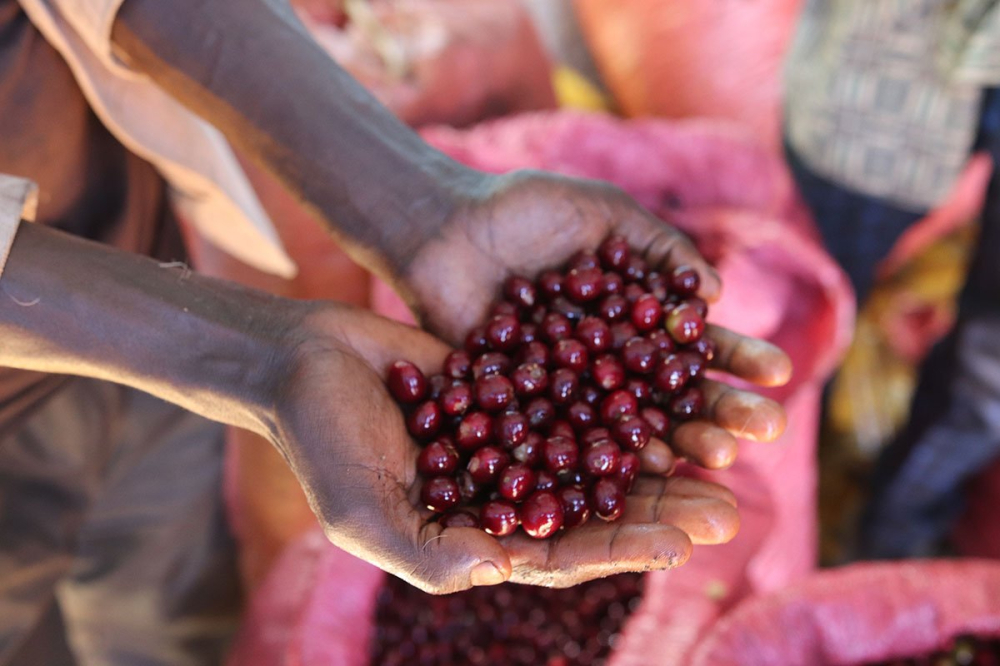
Introduction:The Hua Kui coffee beans produced in the Hambella region of Ethiopia’s Sidamo zone are sun-dried, highlighting rich berry and citrus notes, and have become one of the most talked-about single-origin beans in recent years. This article delves into the background of the producing region, the processing methods, and provides a detailed guide on how to brew it at home using pour over or espresso methods. It covers how to adjust grind size, coffee-to-water ratio, and extraction time to consistently bring out its unique flavor profile. Whether you're making an SOE Americano or a latte, it's easy to get started.
As the birthplace of coffee, Ethiopia boasts the world’s richest coffee genetic diversity. Due to variations in terrain, altitude, and microclimates, each producing area yields beans with distinct flavor profiles. Both Sidamo and Yirgacheffe are key regions for specialty coffee in the country. Sidamo is known for its expertise in sun-dried processing, and Hambella, a high-altitude sub-region under Sidamo, produces many uniquely flavored coffees. Among them, “Hua Kui” stands out as one of the most representative sun-dried single-origin beans.
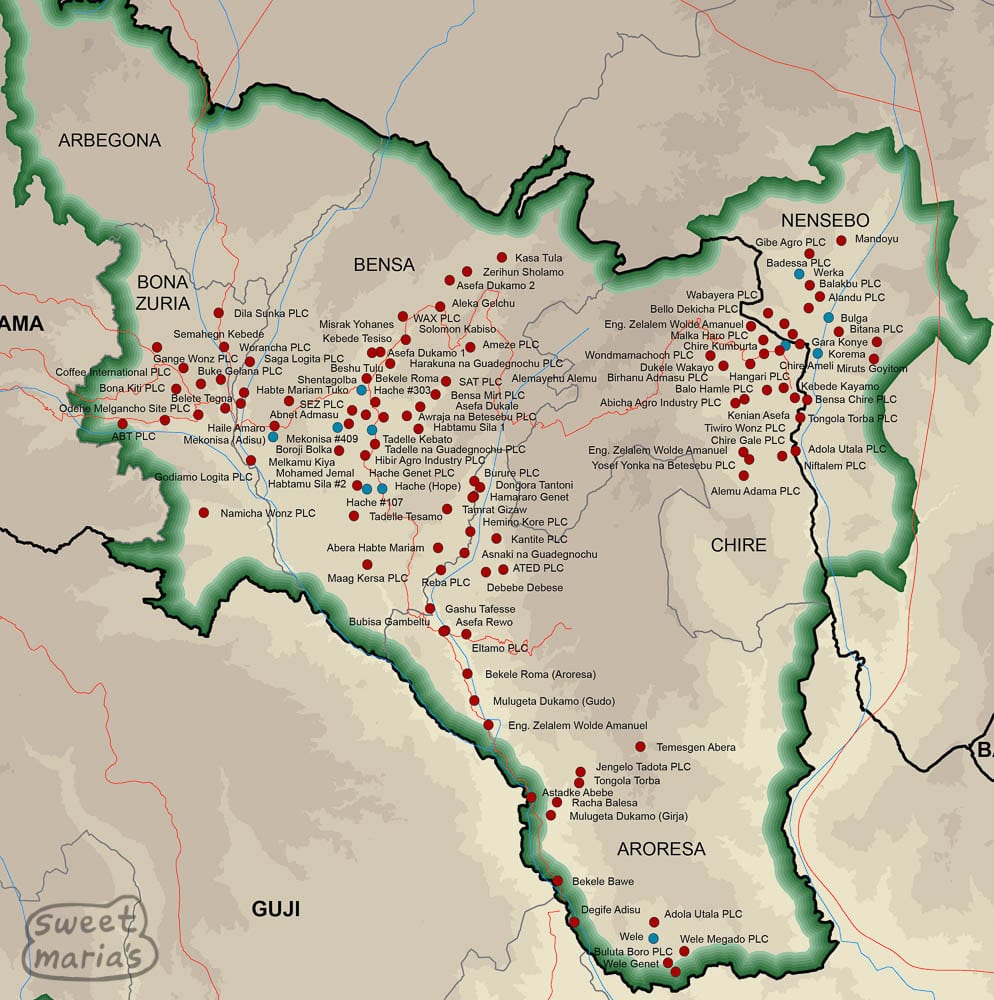
Hambella is located in the Guji zone of southern Ethiopia. It was previously part of the Sidamo region but now falls under the administrative region of Oromia State. The area borders Kochere of Yirgacheffe to the west, separated by a highland ridge at around 3,200 meters above sea level, forming a natural geographical barrier. To the east, south, and north, it neighbors other well-known sub-regions of Guji such as Shakiso, Uraga, and Kercha. The overall high altitude provides ideal microclimatic conditions for coffee cultivation.
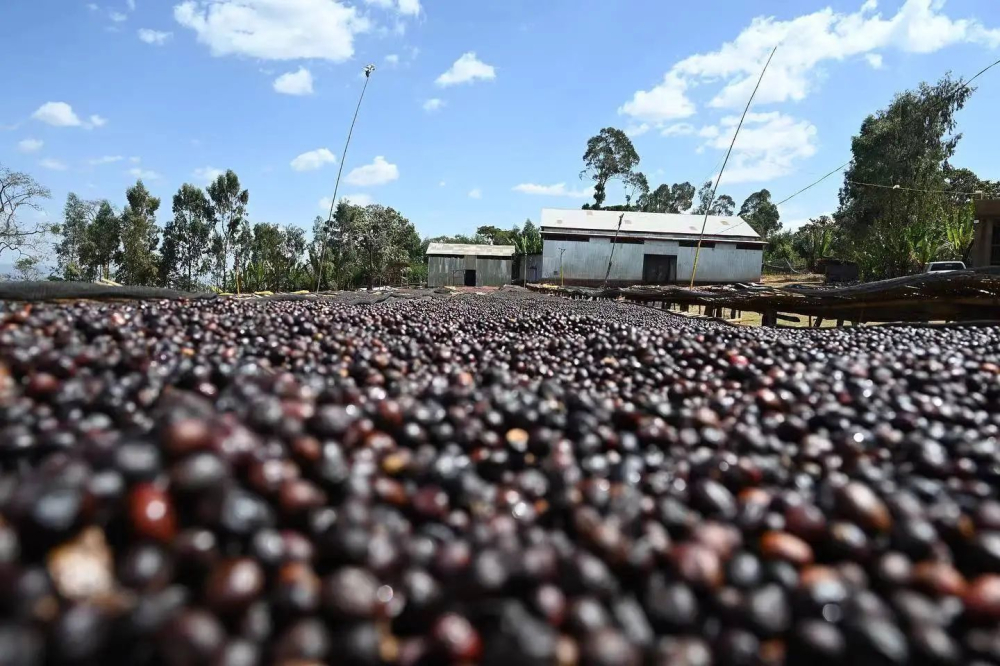
In the Guji region, coffee is primarily processed using either washed or sun-dried methods. Washed processing removes the pulp and involves fermentation, enhancing the bean’s bright citrus and floral notes. Sun-dried processing, on the other hand, allows the coffee fruit to slowly dry under the sun, preserving more of the pulp’s sugars and thus yielding a richer sweetness and complex aromatic layers. Hua Kui coffee beans are processed using the sun-dried method and are grown in the high-altitude areas of Hambella. This results in a flavor profile that is both full-bodied and layered, often featuring a blend of berries, citrus, spices, and floral notes, with a distinct sweetness and aftertaste.
In recent years, Hua Kui coffee beans have also been commonly used to make espresso — the so-called “Hua Kui SOE” (Single Origin Espresso). Many coffee enthusiasts wonder if they can replicate a similar flavor profile at home using an espresso machine. The answer is yes. By mastering the correct extraction parameters and details, it’s easy to create a Hua Kui SOE Americano with berry characteristics or a smooth latte at home.
First, it is recommended to choose Hua Kui SOE coffee beans with a medium-dark roast level, and to use the beans within their optimal freshness window. Freshly roasted beans better express their fruity and floral qualities. It is generally advised to use the beans within one week of purchase to achieve the best flavor. When extracting espresso, it is recommended to use the "1:2 coffee-to-water ratio" — the golden standard — which means extracting 40 grams of coffee liquid from 20 grams of coffee grounds, with an extraction time controlled between 25 and 35 seconds. This approach fully extracts the essence of the coffee without over-extracting and causing bitterness.
In practice, you can fine-tune the grind size based on your grinder, aiming for the coffee liquid to drip out within the target time. For example, if using 20 grams of Hua Kui SOE coffee grounds and extracting about 40 grams of coffee liquid in around 30 seconds, it usually indicates an appropriate grind size. If the flow rate is too fast, and extraction completes in under 25 seconds, you should adjust the grind to be finer. Conversely, if it takes more than 35 seconds, consider adjusting the grind to be coarser.
Additionally, if you find that the crema is thin or the aroma is lacking, you can try increasing the coffee dose by 0.3 to 0.5 grams, which can help enhance aroma intensity and overall flavor expression.
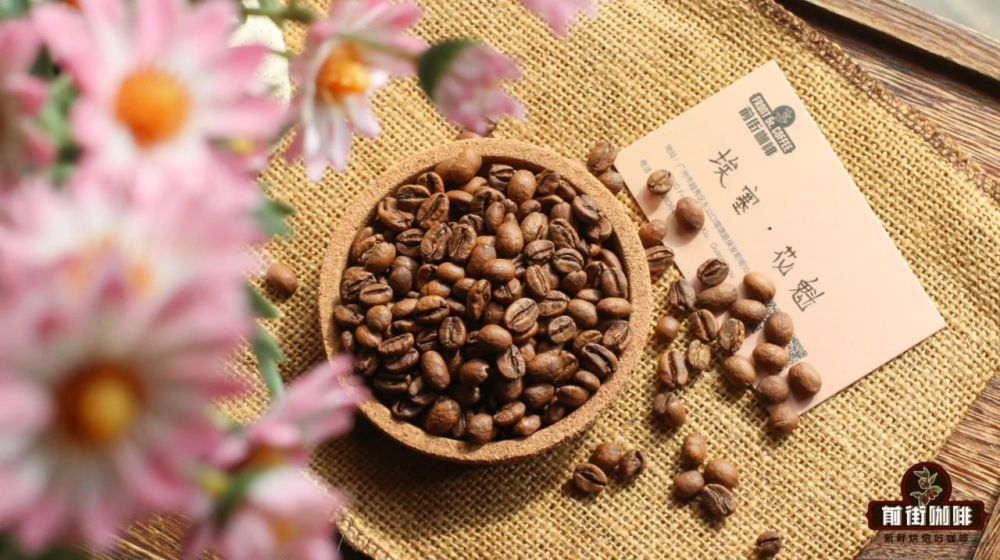
Once you’ve successfully extracted an ideal Hua Kui SOE espresso, you can create different styles of coffee drinks based on your personal preferences. For instance, adding hot water to the Hua Kui SOE espresso will produce a refreshing SOE Americano with pronounced acidity and sweetness, highlighting distinct berry and citrus aromas — perfect for those who enjoy a bright acidity. Adding an appropriate amount of milk will result in a smooth, fruity SOE latte. The combination of strawberry notes and milk flavor is especially popular among those who prefer less bitterness, making it an excellent choice for beginners trying single-origin espresso lattes.
The above content is compiled by CoffeeHunters, a coffee news website.


