







Introduction:Espresso is the base for many coffee beverages such as lattes and cappuccinos. Understanding its extraction principles and key parameters is essential knowledge for advanced coffee enthusiasts. This article details the standard espresso extraction process, including brew ratio, extraction time, TDS measurement, and extraction percentage calculation, and explains practical operational details from dosing and tamping to cleaning the group head. Through practical parameters and step-by-step breakdowns, it helps you master the core techniques of stable extraction.
Espresso is the core foundation of most espresso-based drinks, whether it's a latte, cappuccino, flat white, or mocha — all are derived from it. Its production principle relies on high pressure (typically around 9 bar), allowing hot water at about 92°C to pass through a layer of finely ground and tightly packed coffee grounds, quickly extracting its flavor compounds to form a rich and highly concentrated liquid.
The key to extraction lies in the precise control of multiple parameters, among which "brew ratio" is one of the most important indicators. A common standard ratio is 1:2, meaning that for every 1 gram of coffee grounds, 2 grams of espresso are extracted. For example, if using 18 to 22 grams of coffee grounds (depending on portafilter basket size), the ideal extraction yield is about 36 to 44 grams of espresso. Going beyond this range, especially exceeding a 1:3 ratio, can easily lead to over-extraction, resulting in noticeable burnt bitterness and off-flavors.
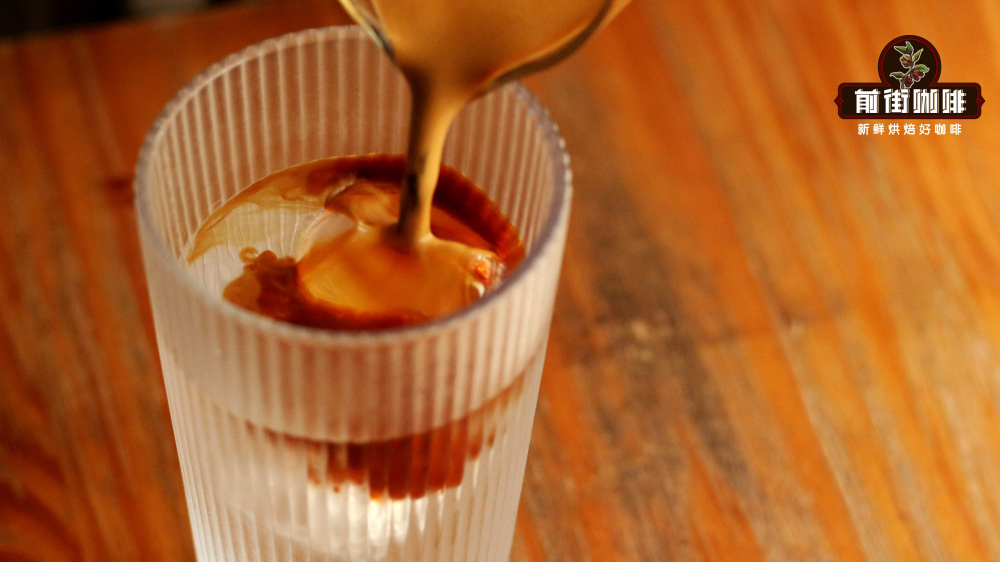
Extraction time is equally crucial, typically recommended to fall between 25 to 35 seconds. Within this time frame, the high pressure applied by the espresso machine can effectively draw out the aromatic compounds and achieve a balanced acidity and sweetness. If the extraction time is too short, it may indicate overly coarse grinding or insufficient tamping, causing the water to flow too quickly, leading to under-extraction with flavors that are sour and thin; conversely, if the time is too long, it may be due to overly fine grinding or excessive tamping, restricting water flow and extracting too many bitter and astringent impurities.
Beyond rule-of-thumb guidelines, many professional baristas also use a TDS (total dissolved solids) refractometer to measure the concentration of substances in the espresso, and further calculate the extraction percentage to assess extraction quality in a more scientific way. The calculation formula is: (%TDS × weight of extracted espresso) ÷ weight of coffee grounds used = extraction percentage. Generally speaking, an ideal extraction percentage falls between 18% and 22%, which delivers the best flavor balance.
In practice, although the steps of making espresso may seem simple, each one affects the final extraction result. The first step iscleaning the portafilter basket, ensuring there is no leftover coffee grounds or moisture residue; thenaccurately weighing the coffee grounds, it is recommended to use an electronic scale with an error control within ±0.1 gram; next comesdosing, distributing the coffee grounds evenly in the basket; then using a tamper toevenly tamp, maintaining consistent puck density; after gentlytapping the handleto remove loose grounds, the handle can then be attached to the machine forextraction. After completion, remember toremove the handle and immediately clean the group head, to prevent residue from affecting the flavor of the next shot.
Different cafés or home machines may have slightly different extraction settings. Taking the practice of some shops as an example, using 20 grams of coffee grounds with a target yield of 40 grams of espresso, and controlling the extraction time around 30 seconds, this setting helps achieve a more focused and full-bodied flavor profile, particularly suitable for later use in blending lattes or cappuccinos, delivering better integration.
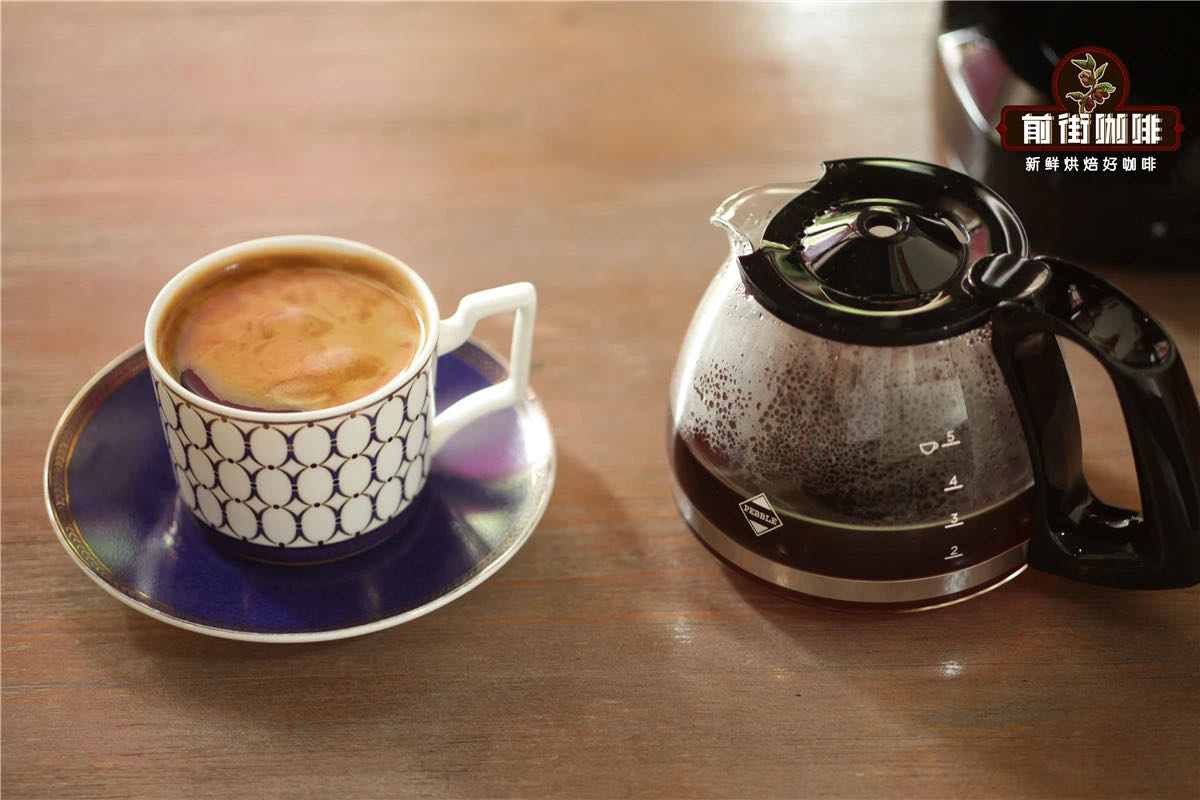
In addition, the difference between espresso and Americano is not just about concentration. Americano can be consumed directly after brewing with a drip coffee maker, or made by adding hot water to espresso. The latter originated in Europe when American soldiers, accustomed to milder coffee, would dilute espresso with water — eventually becoming what we now know as "Americano." This name even carried a hint of irony at first, reflecting differing cultural preferences for coffee flavor.
If broken down further by extraction parameters, factors such as coffee grind size, tamping pressure, espresso machine pressure stability, and water temperature control will also affect the final extraction flavor. Common mistakes include overlooking the limitations that basket size places on dose amount, failing to regularly clean internal coffee machine residues, or uneven tamping that leads to channeling, where only part of the coffee is properly extracted, affecting overall flavor balance.
Overall, mastering espresso extraction techniques not only improves the quality of self-brewed coffee but is also an important entry point into understanding the science of coffee flavor. From precise brew ratios, perfectly timed extractions, to the auxiliary judgment of TDS values, every step is filled with expertise and detail. Only through continuous practice and adjustment can you find the extraction method that best suits your taste and equipment.
The above content is compiled by CoffeeHunters, a coffee news website.


