







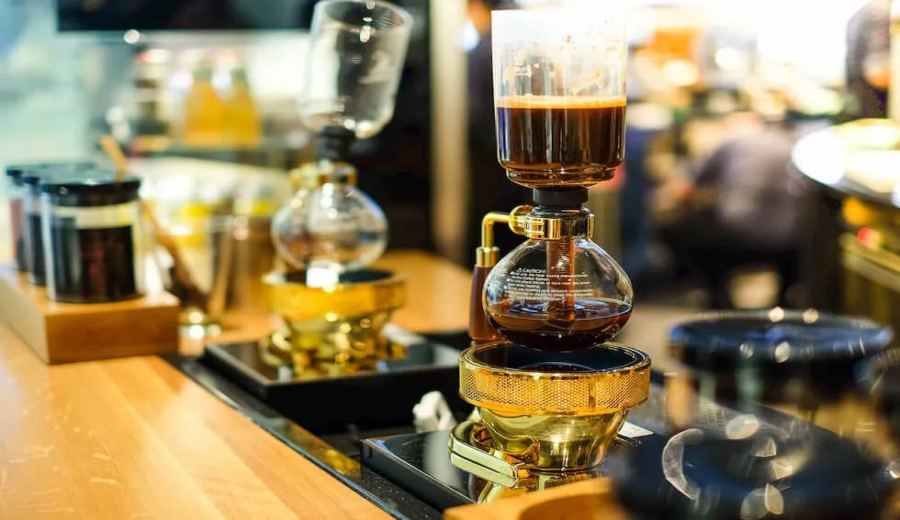
Introduction:The siphon coffee maker, also known as the siphon or vacuum pot, is a classic brewing device that uses heat-induced pressure differences to extract coffee. This article explores the origins, structure, and brewing principles of the siphon, delves into the selection of heat sources and filters, provides step-by-step operation guidance with practical parameters, and recommends coffee bean types well-suited for siphon brewing — helping you fully master this science-infused coffee-making technique.
The siphon coffee maker, also called the siphon or vacuum pot, originated in Germany. It works by heating the lower chamber to evaporate water, creating pressure that pushes the water up into the upper chamber where it mixes with ground coffee for extraction. This brewing method has appeared in many nostalgic films, and its distinctive design carries an air of scientific experimentation, adding to its mystique. It enjoys widespread popularity in Japan and is increasingly being tried by coffee enthusiasts in Taiwan and other Chinese-speaking regions.
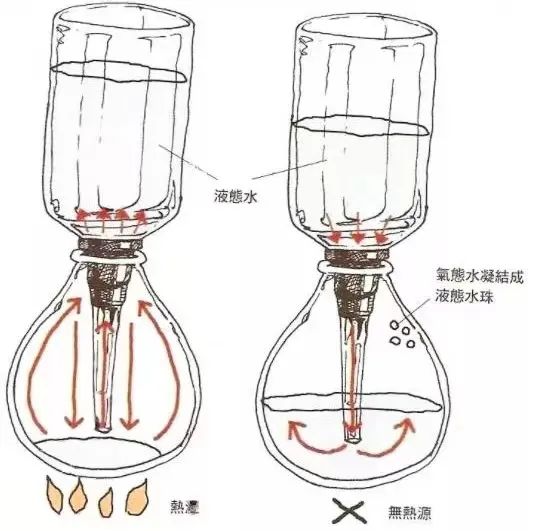
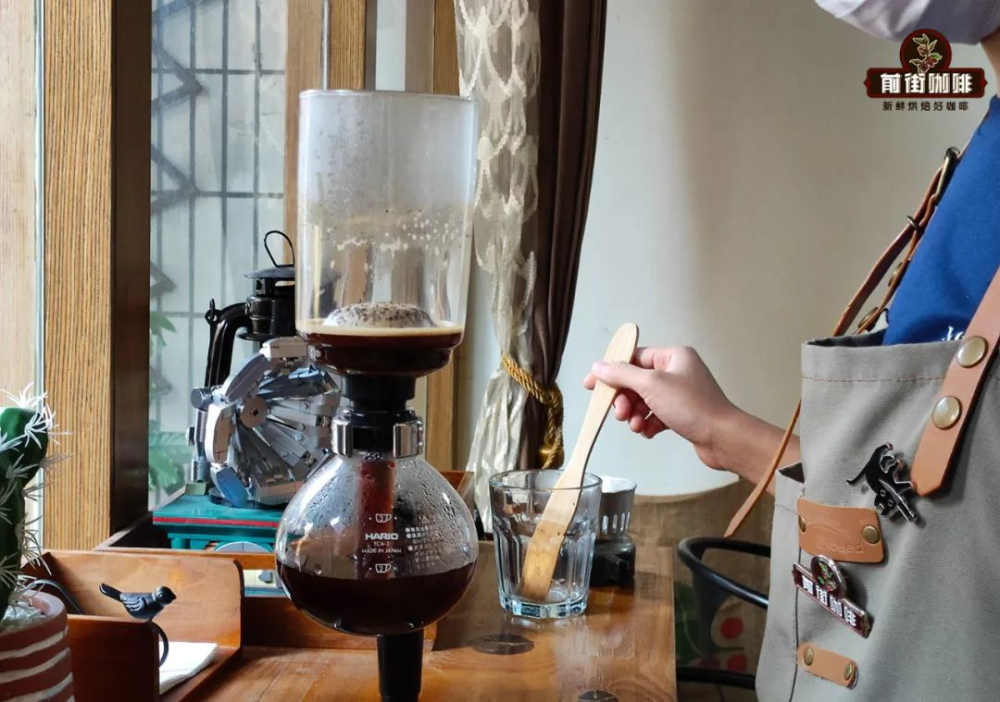
The siphon pot mainly consists of three parts: the upper chamber, the lower chamber, and the stand. The lower chamber is typically spherical, allowing for even heating; the upper chamber is cylindrical, narrowing at the bottom and connecting to a slender tube with a rubber gasket at its base. When the two chambers are joined, the gasket ensures a seal. Heating the lower chamber turns the water into steam, generating pressure that forces the water up through the tube into the upper chamber, where it contacts and extracts flavors from the coffee grounds. After removing the heat source, the pressure drops, and the brewed coffee flows back down into the lower chamber due to gravity and pressure difference, completing the brewing process.
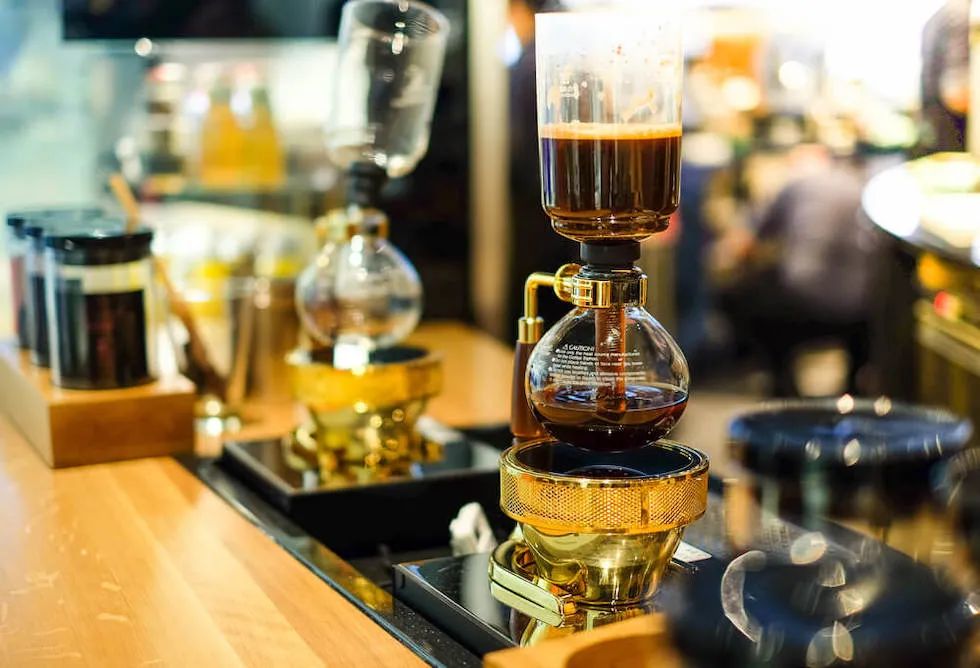
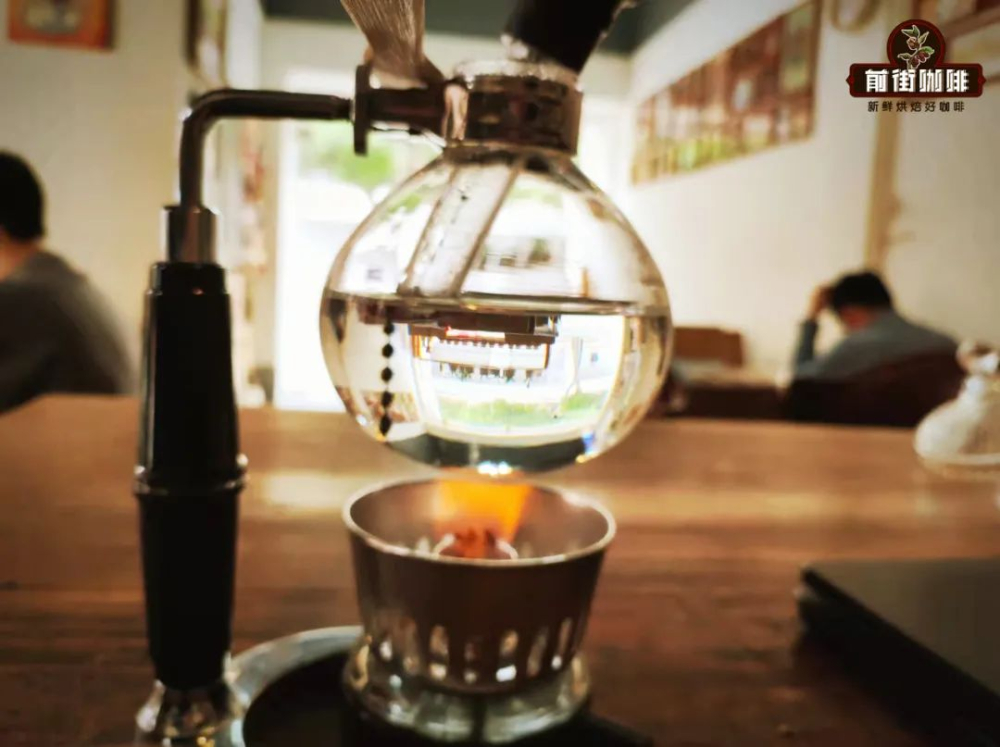
Common heat sources include alcohol burners, gas stoves, and halogen lamps. Among these, the alcohol burner is a favorite among many siphon users due to its stability and ease of control. As for filtration, there are two main types: cloth filters (such as flannel) and paper filters. Flannel is a more traditional choice, preserving more coffee oils for a smoother mouthfeel, but it requires more effort to clean and maintain. Paper filters, on the other hand, can trap more fine particles and oils, resulting in a cleaner, crisper flavor profile, ideal for those who prefer a lighter taste. Additionally, siphon pots often come with a filter bead that not only prevents bumping but also allows you to observe temperature changes through bubble formation, helping you time the extraction perfectly.
The entire brewing principle of the siphon is based on the use of pressure differences. When the water in the lower chamber is heated to boiling, steam builds up, increasing the pressure and pushing the water up the tube into the upper chamber to mix with the coffee grounds, beginning the extraction process. Once the heat source is removed, the pressure in the lower chamber rapidly drops, and the brewed coffee in the upper chamber naturally flows back down due to the pressure difference, completing the extraction. To speed up the return flow, you can wrap the lower chamber with a damp cloth to lower its temperature, further reducing the pressure difference and accelerating the coffee’s descent.
To successfully brew a balanced-flavor siphon coffee, it's important to pay attention to several detailed parameters. Here’s an example based on actual operation: it is recommended to control the water temperature at around 88°C, with a grind size of 90% passing through a #20 sieve , a coffee dosage of about 18 grams, and a 1:10 coffee-to-water ratio(i.e., a total water volume of about 180ml). In practice, first pour about 180ml of warm water into the lower chamber, and wipe the outer wall with a dry cloth to prevent cracking due to steam during heating. Then light the alcohol burner and place it under the lower chamber to begin heating.
Remove the upper chamber, first install the cloth filter and hook the fixing hook onto the upper chamber’s tube, then insert the upper chamber diagonally into the lower one. When you see continuous small bubbles rising in the lower chamber, straighten and vertically insert the upper chamber to ensure a tight seal with no leaks. The water will then gradually rise into the upper chamber. At this point, add the coffee grounds and use a stirring stick to stir clockwise from the outside in for about 10 secondsto ensure all coffee grounds are in contact with the water. Then start timing; after about 40 seconds , stir again for 5 seconds. Quickly remove the heat source and extinguish the flame. The coffee will begin to flow back down. You can speed up the return by wiping the lower chamber with a damp cloth. The total brewing time is approximately 1 minute and 10 seconds. Finally, remove the upper chamber and pour the coffee from the lower chamber into your cup to enjoy.
What kind of coffee beans are suitable for siphon brewing? In the past, many people preferred medium to dark roasts, as they highlight rich, bold aromas and flavors — such as classic Sumatran or Brazilian beans. The siphon can bring out their sweetness and low acidity, resulting in a full-bodied, rounded taste. But with the rise of specialty coffee, lighter to medium roasts can also shine through the siphon, showcasing unique fruitiness and floral notes. By adjusting grind size and water temperature accordingly, different flavor layers can be revealed.
If you’re looking to try classic flavors, you might choose beans with pronounced nuttiness or options that offer fruity and caramel sweetness — both complement the characteristics of the siphon well. Whether you prefer a heavier body or a refreshing fruitiness, the siphon can deliver a coffee experience distinct from other brewing methods.
The above content is compiled by CoffeeHunters, a coffee news website.


