







Introduction:Although siphon coffee is not as popular as pour over, it boasts unique layers and a rich, full-bodied flavor. This article delves into the structural principles of the siphon brewer, heating method options, filter material pairing techniques, and provides detailed explanations on coffee-to-water ratios, grind size settings, and stirring methods. It breaks down the entire process—from assembling the equipment to knowing when to turn off the heat—to help you master the key details of this classic extraction technique.
In today’s specialty coffee trend, siphon brewers are no longer the mainstream choice, and many cafés no longer offer such drinks, keeping them only as specialty items. However, for enthusiasts who love siphon coffee, making it at home remains the best way to experience its unique charm. This article will guide readers through the entire siphon coffee-making process in a clear and easy-to-understand manner, starting with the basic structure and operating principles of the equipment, then diving into an analysis of the characteristics and applicable scenarios of different filter materials, as well as a comparative evaluation of common heating methods. Additionally, it covers key parameter settings such as coffee dosing timing, grind coarseness, and coffee-to-water ratios, along with practical stirring techniques, and finally provides a detailed step-by-step operation guide suitable for beginners to follow.
From a modern perspective, siphon brewers undoubtedly carry a strong historical charm. Nowadays, many coffee shops no longer regularly serve siphon coffee, or only offer it as a special option. However, for those passionate about this brewing method, if external options don’t meet their needs, they might as well try making it themselves. This article aims to comprehensively introduce the essence of siphon coffee brewing in simple language.
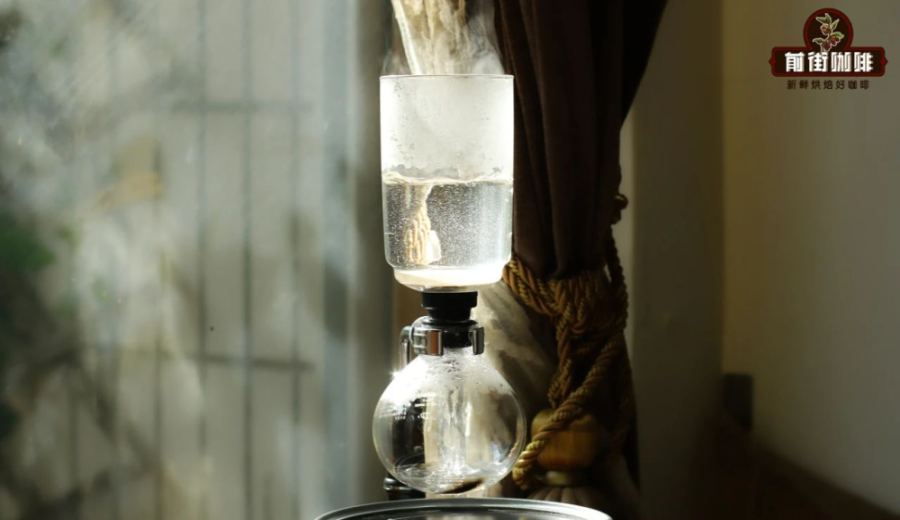
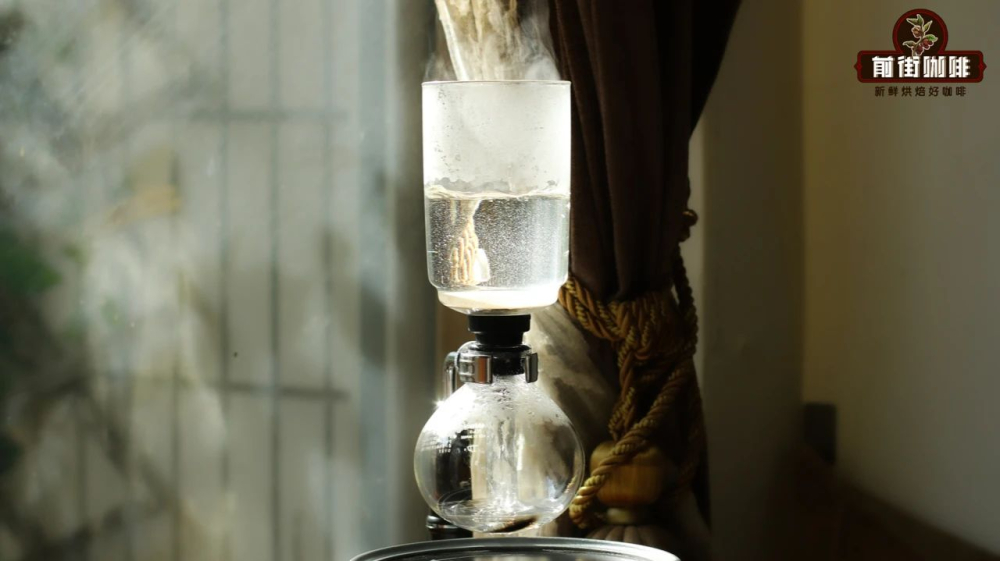
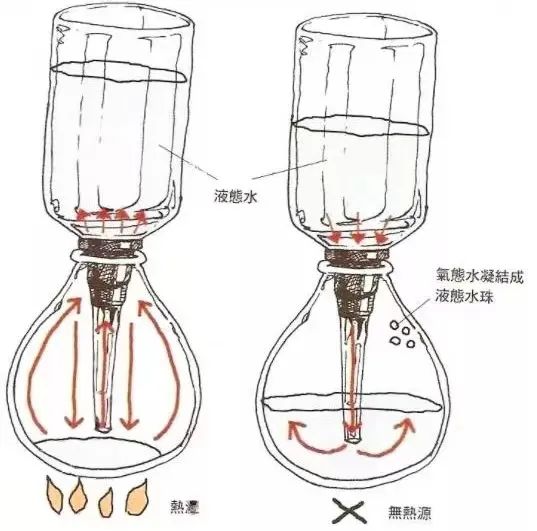
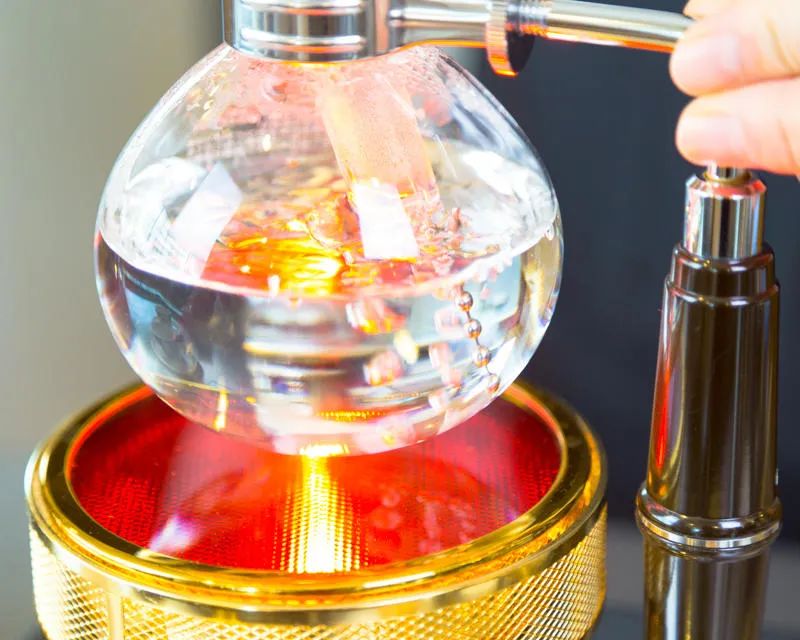
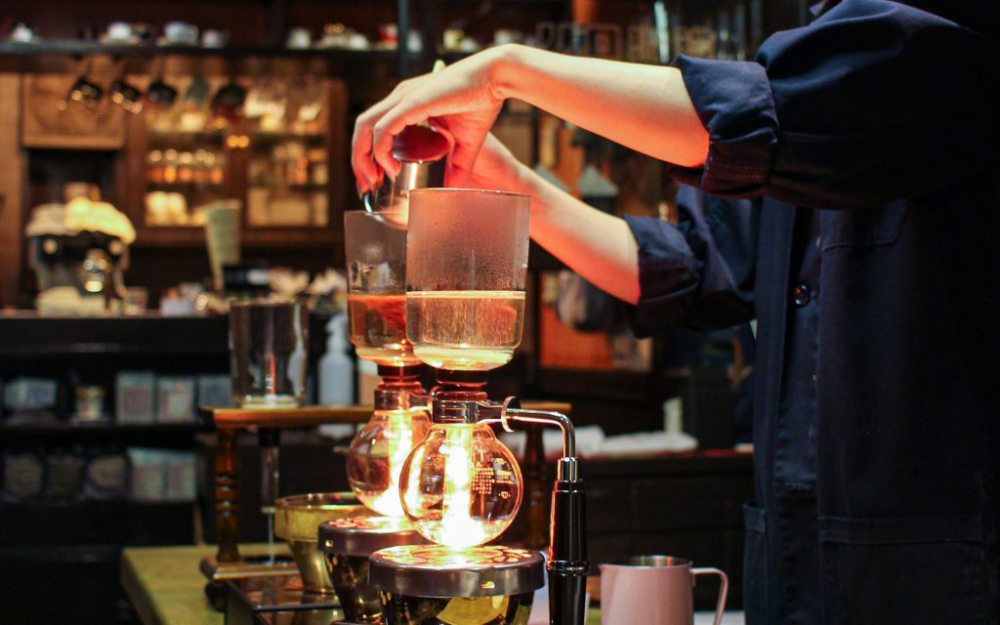
The siphon brewer mainly consists of three components: the upper chamber, the lower chamber, and the stand. The stand stabilizes the lower chamber, which is designed in an approximately spherical shape to facilitate even heat conduction during heating. The upper chamber is cylindrical, with a narrowed bottom that extends into a slender tube, and a leak-proof rubber gasket is positioned at the narrowed section. When the upper and lower chambers are assembled, the gasket ensures a tight seal. Heating the lower chamber causes the water to evaporate and generate pressure, pushing the water up into the upper chamber where it mixes with the coffee grounds. Once the heat source is removed, the coffee liquid naturally flows back down into the lower chamber, completing the entire extraction process.

To obtain a clean coffee liquid, it is essential to rely on appropriate filter materials to intercept coffee grounds. Common choices include cloth filters (such as flannel) and circular paper filters. Flannel is a traditional filter material that can effectively retain coffee oils, giving the beverage a richer mouthfeel, but it requires more cumbersome cleaning and maintenance. In contrast, paper filters can trap even smaller particles, including oils, ensuring the clarity of the coffee liquid. If you don’t use the brewer frequently, it is recommended to prioritize flannel to fully experience the complete flavor layers of siphon coffee.
In terms of heating source options, the main mainstream methods currently are gas stoves, microwave ovens, and alcohol lamps. Both gas stoves and microwave ovens allow for precise flame control, featuring quick and stable heating properties, but their initial investment cost is higher. Alcohol lamps are more affordable, but their heat output is less stable and the heating time is longer. In reality, all three methods can produce high-quality siphon coffee—the key lies in adjusting the operation techniques according to their respective characteristics. If conditions allow, it is recommended to prioritize using a gas stove or microwave oven for better extraction results.
Regarding the timing of adding coffee grounds, there are two main approaches: “pre-add” and “post-add.” The traditional method tends to involve adding the coffee grounds to the upper chamber first, but this may cause some of the grounds to come into contact with hot water prematurely as the water rises, leading to uneven extraction. In contrast, the post-add method involves adding the coffee grounds only after the water has fully entered the upper chamber, which helps maintain consistency in extraction. This debate is similar to the discussion in pour over coffee about whether to start pouring water first or begin timing simultaneously. For beginners, it is recommended to use the post-add method to reduce the risk of operational errors.
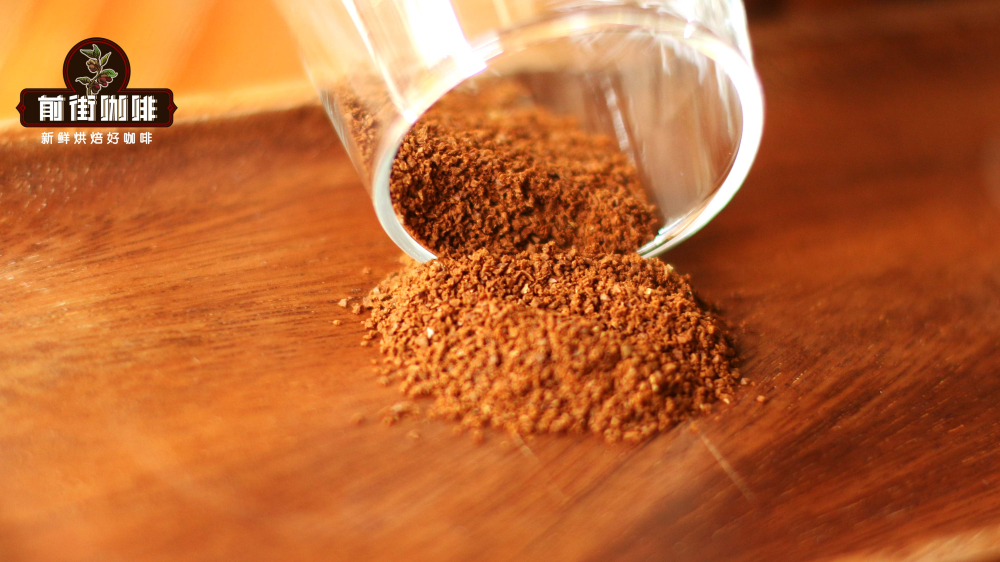
The grind size required for siphon coffee is slightly finer than that for pour over. According to practical test data, the ideal grind size is approximately 90% passing through a #20 sieve. If using an EK43s electric grinder, the corresponding setting is around 9; if using a hand grinder like the C40, it is around 20. This grind size ensures an appropriate balance between extraction rate and flavor release.
For coffee-to-water ratio, the common range for siphon coffee is 1:10 to 1:12, with 1:12 being the more commonly used ratio. For home preparation serving one person, a combination of 18 grams of coffee powder with 200 milliliters of water can be referenced—this parameter is easy to control and can deliver good flavor performance.
There are various stirring techniques, including circular, cross, Z-shaped, infinity (∞), and tapping methods. Beginners are advised to start practicing with the tapping method, which involves using the center of the stirring rod as the axis and alternately tapping at both ends in a regular motion to evenly saturate the coffee grounds. This method is relatively simple to learn and can reduce the difficulty of initial operations.
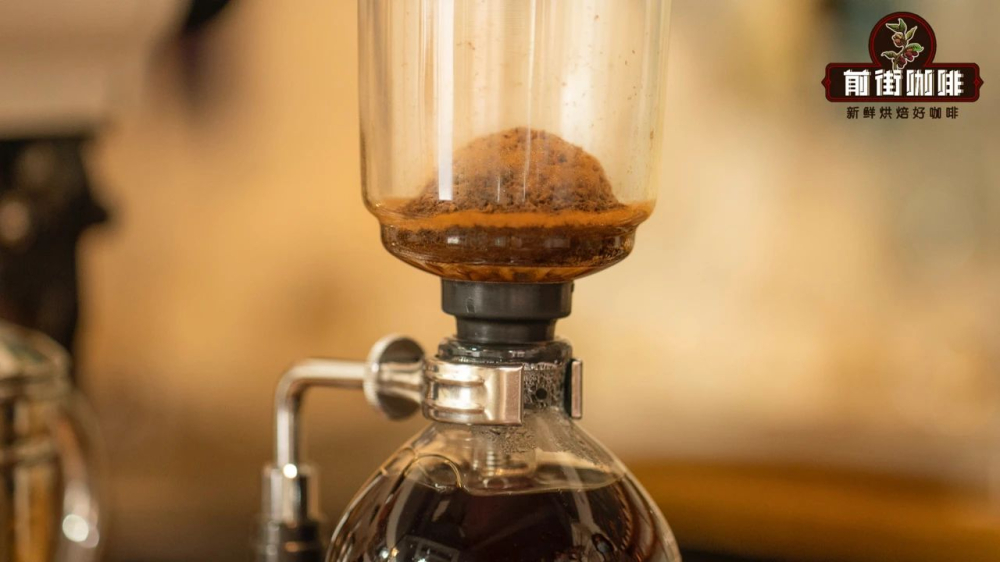
Judging the completion of extraction can rely on changes in aroma, but this requires a higher level of experience. Therefore, it is recommended that beginners use a timing method to control the process. If using the post-add method, timing starts from the moment the coffee grounds are added; if using the pre-add method, timing starts from the first stirring action. The timing to turn off the heat is generally controlled within the 50 to 70-second range, which can effectively balance extraction efficiency and flavor performance.
Below is a practical step-by-step operation process example: First, pour about 200 milliliters of hot water into the lower chamber, and make sure the outer wall of the lower chamber is dry before starting the heating source. Next, insert the upper chamber diagonally into the lower chamber so that the anti-explosion bead touches the bottom of the lower chamber. When continuous water droplets appear on the surface of the lower chamber, straighten the upper chamber and press it down firmly, then wait for the water to naturally rise into the upper chamber. Then add the coffee grounds and immediately start the timer. In the first stage, use the tapping method to evenly press the coffee grounds into the water to ensure sufficient absorption. At around 25 seconds, perform a second stir to create a distinct three-layer structure in the coffee liquid. Finally, at 50 seconds, perform a same-direction stir, and at 60 seconds, remove the heat source, then wait quietly as the coffee liquid slowly flows back into the lower chamber.
The siphon coffee produced through the above steps may not be as clear and bright as pour over coffee, but it has a unique rich mouthfeel and abundant oil layers, showcasing a distinctly different flavor charm. Compared to the pour over method, the siphon brewer’s process is more complicated—not only does it require ready heating equipment, the whole process demands full attention, and post-brewing cleanup should not be overlooked, especially the maintenance of flannel filters. For cafés with high customer traffic, the siphon coffee brewing procedure is clearly more challenging.
The above content is compiled by CoffeeHunters, a coffee news website.


