







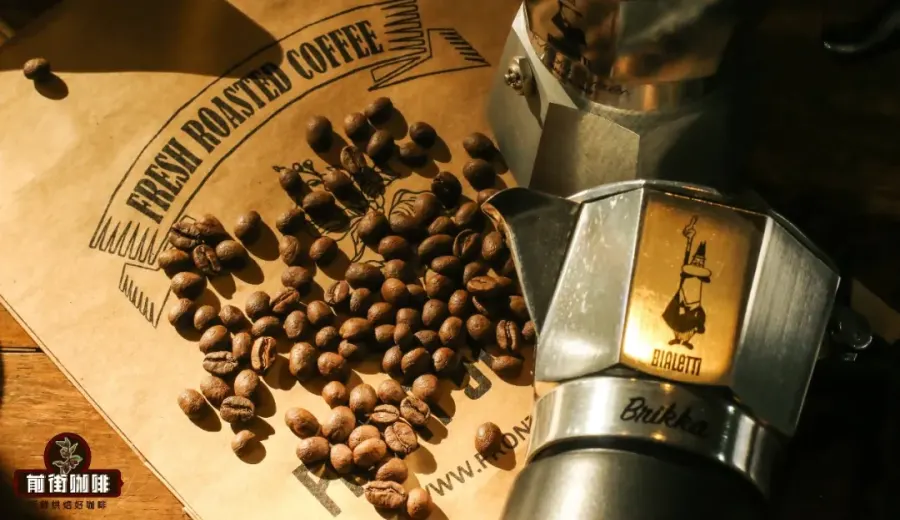
Introduction:The Moka pot is the go-to brewing method for many coffee enthusiasts just starting out. But how do you choose the right coffee beans to extract rich and balanced flavors? This article takes an in-depth look at the extraction characteristics of a particular Moka pot brand, explains the advantages of pairing medium-dark roasts with Italian-style blends, and introduces three coffee beans that have performed exceptionally well in testing—including a classic Italian blend, PWN Golden Mandheling, and Strawberry Candy blend. It also highlights the critical impact of bean freshness on flavor, helping you brew the ideal Moka pot coffee.
The Bialetti Moka pot, as a classic home tool for making espresso-like coffee, has long been beloved by coffee lovers around the world for its simple operation and rich extraction. However, many beginners often ask: “What kind of coffee beans are suitable for a Moka pot?” Especially whether common Italian-style blends really work? This article will thoroughly analyze the working principle of the Moka pot, the suitable roast levels, and emphasize the decisive impact of coffee bean freshness on flavor. Finally, it recommends three coffee beans that have performed outstandingly in practical tests, allowing you to easily brew Moka pot coffee with rich flavor layers.
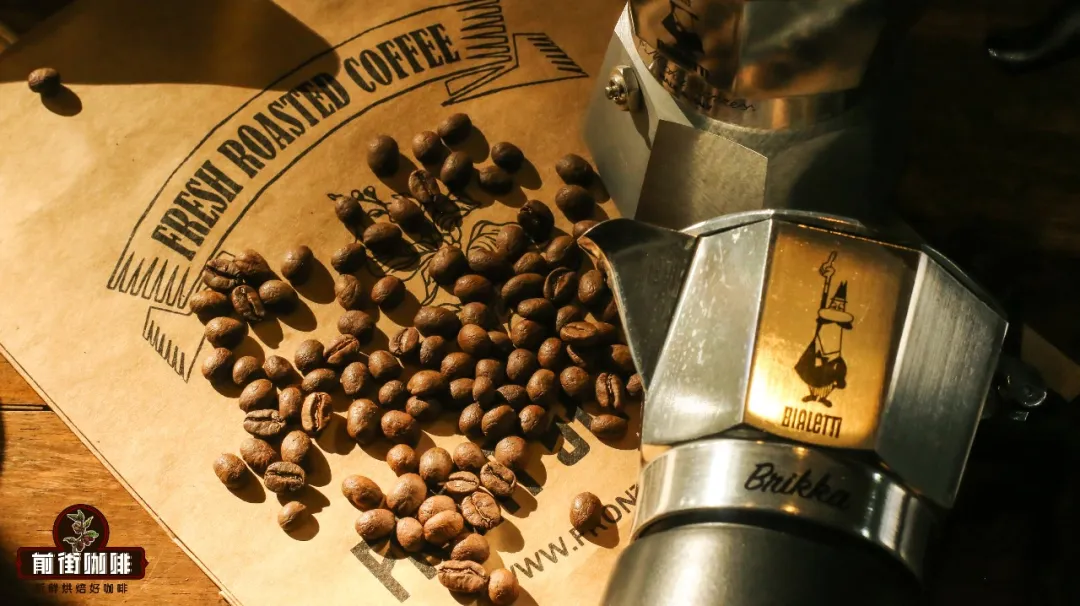
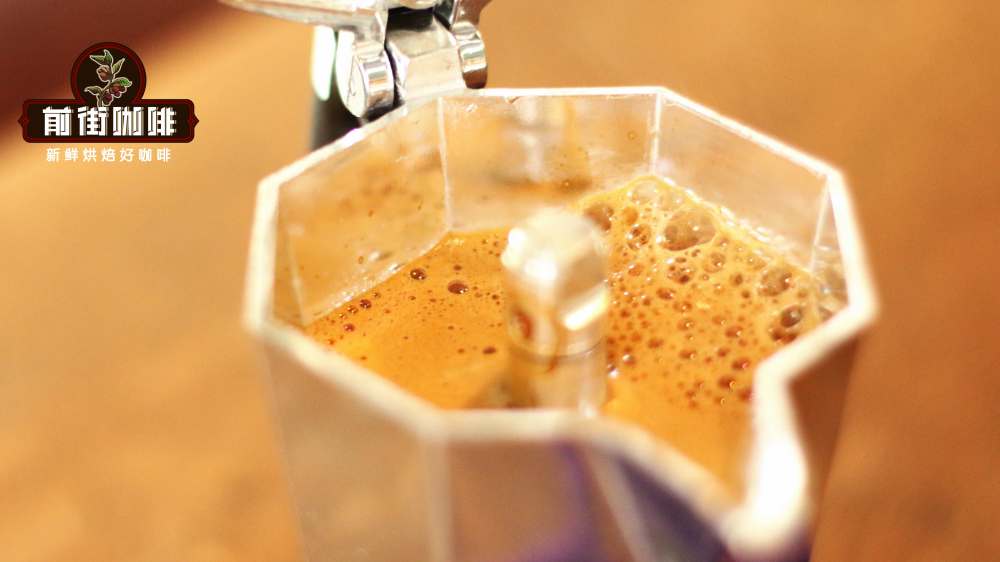
The Moka pot was invented by Alfonso Bialetti, the founder of the Italian brand Bialetti. Though not complex in design, it effectively uses steam pressure to extract coffee similar to espresso. The entire structure consists of three parts: the lower part is the water chamber, the middle holds the coffee grounds in a filter basket, and the upper part collects the brewed coffee. When heated, the water in the lower chamber boils, generating steam pressure that pushes the hot water up through a central metal tube, passing through the coffee grounds and into the upper chamber, resulting in a cup of concentrated coffee.
It’s worth noting that coffee brewed with a Moka pot is usually high in concentration and strong in taste. Drinking it straight may be too intense, so it’s recommended to add hot water to make a “Moka pot Americano” or mix with fresh milk to create a “Moka pot latte,” depending on personal taste. This not only mellows the strong flavor but also helps highlight the aroma and subtle details of the coffee beans.
For the characteristics of the Moka pot, it is recommended to prioritizemedium-dark roastedcoffee beans. If you’re not sure where to start, simply choosing an “Italian-style blend” is a relatively safe and practical option. These beans are often specifically blended for use in espresso machines or Moka pots, typically medium-dark roasted, and can showcase a balanced acidity and bitterness with moderate body. They offer rich flavor layers and also reduce the likelihood of failure for first-time Moka pot users.
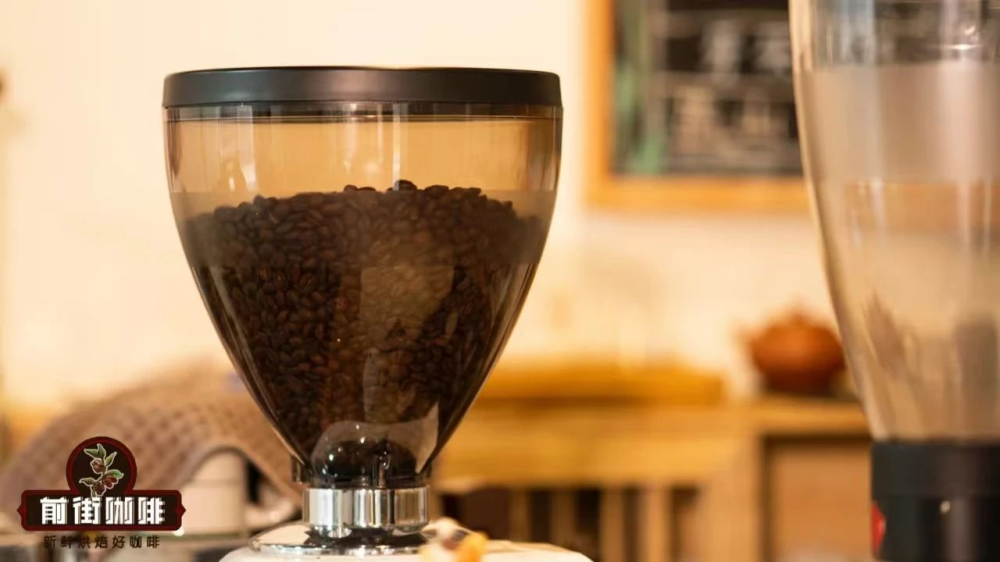
When selecting coffee beans, “freshness” is a crucial factor that cannot be overlooked. Freshly roasted coffee beans still contain a significant amount of carbon dioxide, which helps preserve their aroma and flavor compounds. Over time, these volatile substances gradually dissipate, causing the coffee to lose its intended complexity and aroma, resulting in a thin and dull taste.
Generally speaking, although freshly roasted coffee beans can maintain their quality for up to a year when unopened, their “optimal flavor window” typically falls within40 to 50 daysafter roasting. Especially once the beans are ground, the rate of aroma loss accelerates significantly—usually within about20 days,the flavor will noticeably decline. Therefore, if you want to brew the best-flavored coffee with a Moka pot, it is recommended to choose beans roasted within10 daysand try to avoid those roasted more than 50 days ago.
Based on market popularity and user testing feedback, the following three coffee beans are highly suitable for use with the Bialetti Moka pot. They not only deliver stable flavor performance but also fully showcase the extraction characteristics of the Moka pot:
Recommended Moka Pot Coffee Bean #1: Classic Italian Blend
This blend features hazelnut and malt as its main flavor notes, with a rich and full-bodied taste and extremely low acidity. It is highly compatible with the high-pressure extraction of the Moka pot, easily bringing out a generous layer of coffee crema and delivering a smooth and robust drinking experience.
Recommended Moka Pot Coffee Bean #2: PWN Golden Mandheling
Made from coffee beans sourced from Indonesia’s Golden Mandheling region, this blend exhibits distinct notes of pine, dark chocolate, and herbs, with a caramel-like sweetness in the aftertaste. It has fine and smooth crema, extremely low acidity, and an overall mellow and stable taste, making it perfect for those who enjoy dark roast profiles.
Recommended Moka Pot Coffee Bean #3: Strawberry Candy Italian Blend
This is a uniquely fruity blend with prominent notes of rose, strawberry soft candy, and dried blueberry. The balance between sweet and sour is just right, featuring a grape-like bright acidity, and the aftertaste even reveals a hint of almond. It’s ideal for coffee lovers who prefer fruit-forward flavors and unique flavor layers.
In summary, when using the Bialetti Moka pot, in addition to mastering the appropriate heat level and coffee-to-water ratio, choosing the right coffee beans is key. It’s recommended to prioritize medium-dark roasted Italian-style blends and pay close attention to the roast date, ensuring the beans are used within their optimal flavor window to fully experience the rich and aromatic charm of the Moka pot. If you’re looking for a reliable and fresh source of coffee beans, consider well-reviewed brands to ensure each brew delivers the best possible flavor.
The above content is compiled by CoffeeHunters, a coffee news website.


