







Introduction:As the cradle of specialty coffee worldwide, Ethiopia’s coffee export system is highly distinctive and multi-layered. From the mainstream ECX centralized trading and cooperative direct exports to the increasingly prominent single-farm system, each model has its own unique features and challenges. This article takes you deep into how these three export models operate, the ECX grading and warehousing logic, and how single-estate farms like Guji Hambella are breaking tradition by directly exporting top-tier washed and natural Geisha beans to overseas markets.
In the world of specialty coffee, Ethiopia has long been regarded as the spiritual home. However, the country’s coffee export channels are not as straightforward as they may seem. Based on regulations and regional characteristics, they are divided into three main systems: auction-based exports through the ECX (Ethiopia Commodity Exchange), exports operated by various farmer cooperatives, and the increasingly popular single-farm (Single Farm) direct export model.
Among these three systems, cooperatives and single farms can bypass the ECX auction process and trade directly with international buyers, thus offering higher traceability and quality transparency. Among them, the single-farm model represents the future trend of specialty coffee, allowing beans like the washed and natural Geisha from the Guji Hambella region to gain international recognition based on their unique flavors and origin identity.
According to Ethiopian official regulations, coffee export channels can generally be divided into three categories: the first is exports handled by private processing plants via the ECX, which is currently the most common model; the second is exports conducted under the collective name of farmer cooperatives across different regions; and the third is the direct export system from named single farms that maintain complete records from cultivation to roasting. The latter two do not require going through the ECX, thus preserving more comprehensive origin information and processing details.
However, while cooperatives integrate resources from numerous smallholder farmers, improving bargaining power and export efficiency, tracing coffee back to a specific plot or variety remains challenging due to the berries being supplied by many scattered farmers. In contrast, single farms can clearly indicate planting altitude, variety, processing method, and harvest date, making them the most valued source in the specialty coffee market.
When it comes to the ECX, one must mention its founder, Eleni Gabre-Madhin. She was a senior economist at the World Bank and also the head of the International Food Policy Research Institute (IFPRI). In 2008, she established the Ethiopia Commodity Exchange, aiming to create a modern agricultural product trading platform that could stabilize prices, ensure transparent transactions, and reduce risks—not only for coffee but also for other key food and cash crops.
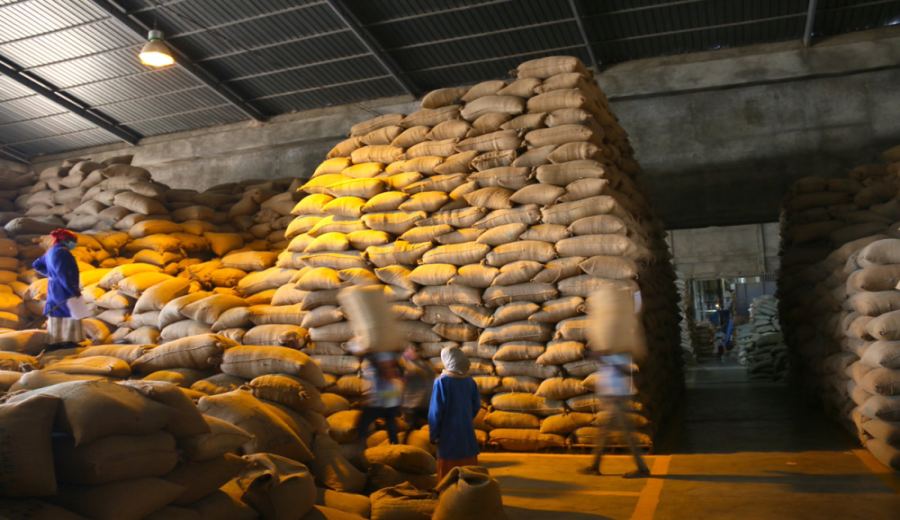
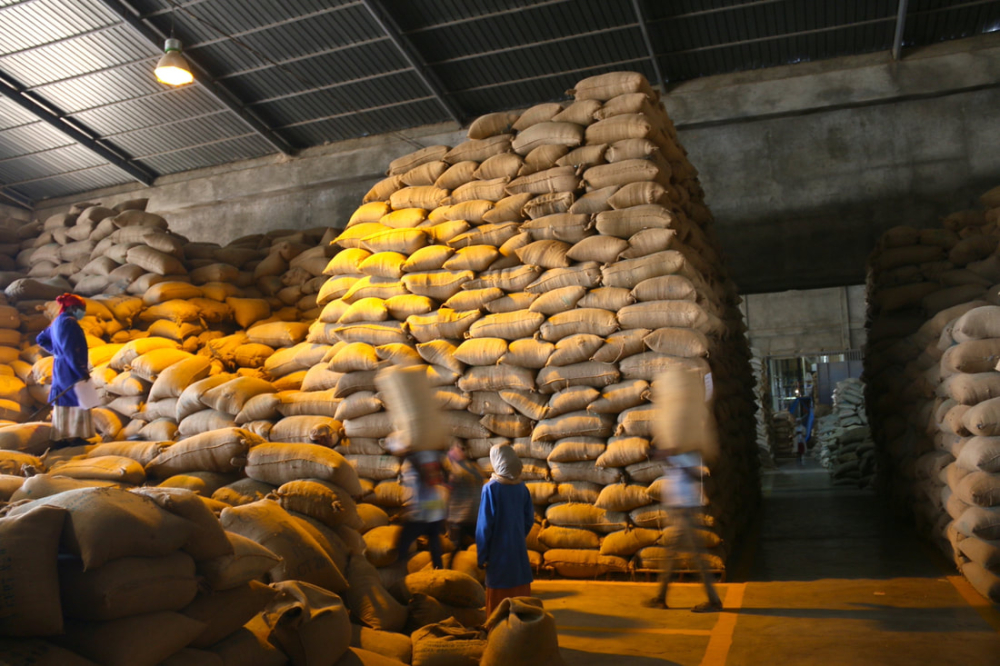
The ECX’s greatest contribution to the coffee industry lies in establishing a grading system, centralized warehousing system, and real-time market information network. Farmers first send their harvested coffee cherries to local washed or natural processing sites, and the processed green beans are then delivered to designated delivery warehouses. The ECX plays the role of a “centralized market,” uniformly purchasing, grading, and selling the beans, significantly improving the issues of information asymmetry and severe price fluctuations that smallholders previously faced when dealing directly with the market.
For example, once green beans enter the ECX process, they are graded based on origin and cupping results, with higher quality fetching better prices. After the transaction, these green beans are usually labeled on export packaging only with the major origin and village names, such as “Yirgacheffe: Konga” or “Yirgacheffe: Kochere,” without revealing more detailed farm or processing plant information.
In addition to the ECX, Ethiopia has six officially recognized farmer cooperative unions: Oromia Coffee Farmers Cooperative Union (OCFCU), Sidama Coffee Farmers Cooperative Union (SCFCU), Yirgacheffe Coffee Farmers Cooperative Union (YCFCU), Kafa Forest Coffee Farmers Cooperative Union (KFCFCU), Bench Maji Coffee Farmers Cooperative Union (BMCFCU), and Tepi Coffee Farmers Cooperative Union (TCFCU). These unions bring together thousands of small cooperatives and farmers, forming a unified export window that can effectively connect with international buyers and the specialty coffee market.
These cooperatives not only enhance the income stability of smallholder farmers but also often obtain international certifications such as Fair Trade, Organic, and UTZ, further increasing the added value of their products. For instance, the Biloya cooperative located in the Gedeo-Kochere area holds both Fair Trade and Organic certifications, producing hundreds of thousands of kilograms of coffee beans annually and serving as one of the important sources of specialty beans locally.
In recent years, the specialty coffee market has placed increasing emphasis on “traceability,” which has allowed the single-farm system to gradually emerge. In the past, the proportion of single-farm exports from Ethiopia was relatively low, mostly consisting of commercial-grade beans. However, with the rise of the third wave of coffee, many returning youth and international returnees have entered agriculture, driving the establishment and refinement of single-farm brands and processing methods.
A single farm refers to a coffee plantation with clearly defined land boundaries, cultivation records, processing procedures, and variety management, enabling clear traceability of each batch of coffee. For example, the renowned washed and natural Geisha beans come from a single farm in the Guji Hambella region, whose unique berry and floral profiles have repeatedly fetched high prices in international auctions.
In 2017, the Ethiopian government further amended relevant regulations, allowing coffee farmers to choose to sell their beans to processing plants or other buyers up to three days before the beans enter ECX warehouses, thereby enhancing market flexibility and smallholder autonomy. This reform also provides greater development potential for future single-farm and cooperative direct export models.
The above content is compiled by CoffeeHunters, a coffee news website.


