







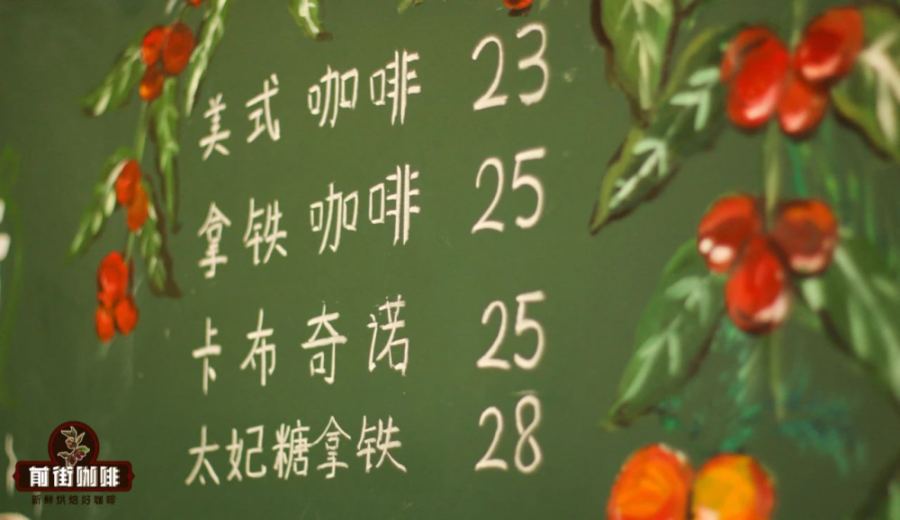
Introduction:Have you ever wondered if espresso blends can be used to make pour over coffee? What are the differences between American and espresso coffee in terms of bean variety, roast level, and brewing methods? This article delves into the characteristics of the two extraction styles, explores the practical operation of drip coffee makers, and provides specific parameters and bean recommendations to help you better understand how to choose the right coffee beans and equipment to easily create your ideal flavor experience.
Many beginner coffee enthusiasts often have one question: can espresso blends used to make espresso also be used for pour over coffee? In fact, this question involves the close relationship between the roast level, flavor profile, and brewing method of coffee beans. Before diving deeper, let’s first clarify the basic definitions and differences between pour over and espresso coffee.
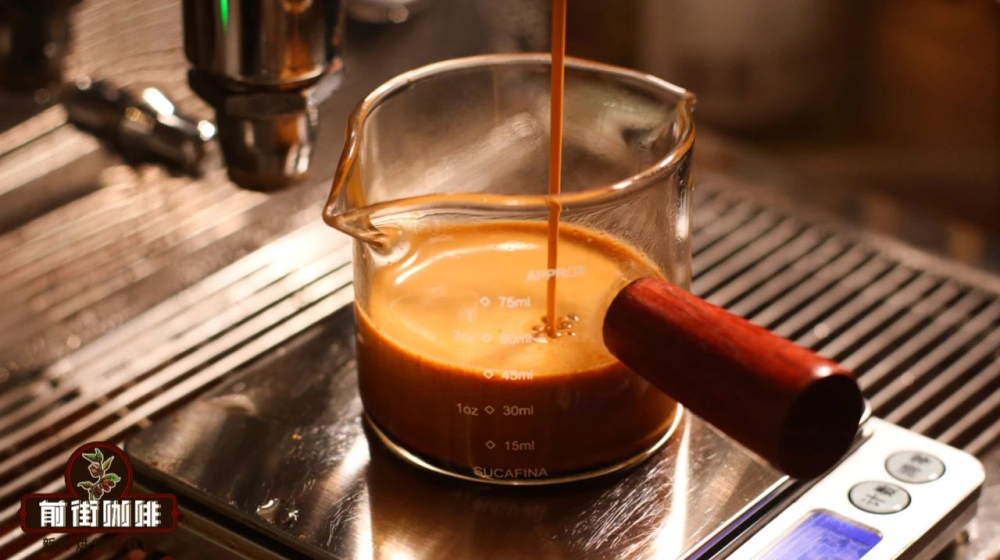
Pour over coffee, also known as American coffee, is typically made by allowing hot water to evenly penetrate coffee grounds through a paper filter and gravity, extracting the flavor compounds. This type of extraction usually uses medium-light to medium roast coffee beans, emphasizing the beans’ inherent flavors, such as fruity acidity, floral notes, and fruitiness. On the other hand, espresso coffee generally uses dark roast blends, emphasizing a rich, bold taste and a thick crema layer, making it suitable for making espresso shots as well as milk-based drinks like lattes and cappuccinos based on espresso.
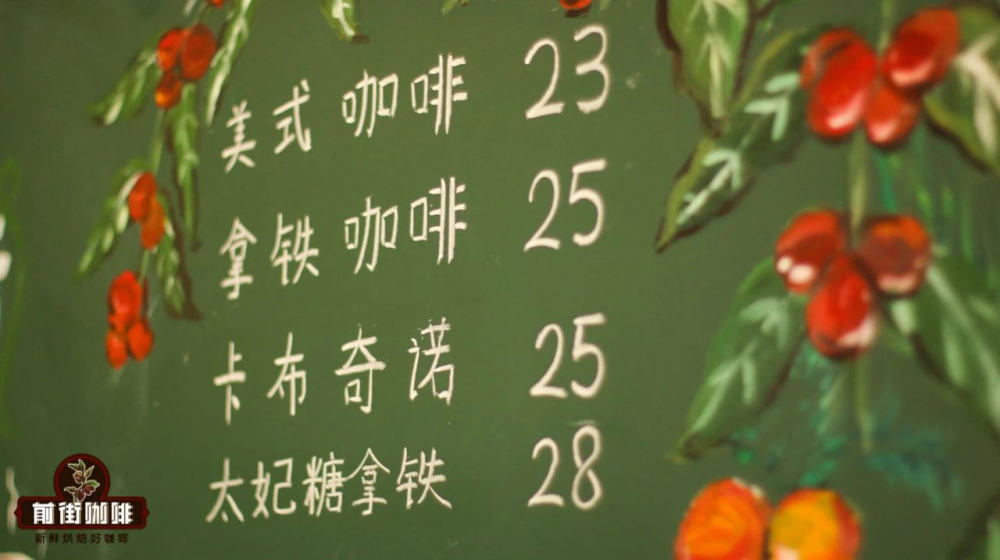
So, can espresso blends be used for pour over coffee? The answer is yes, but the results may not be as expected. Espresso blends are usually dark roasted, featuring intense caramel, chocolate, and nutty tones, and may even have a smoky note. These flavors may not fully express themselves during the pour over process and can easily become over-extracted due to prolonged brewing time, resulting in bitterness and off-flavors. However, if you prefer a bold taste, you can also try adjusting the grind size and coffee-to-water ratio to find your own balance.
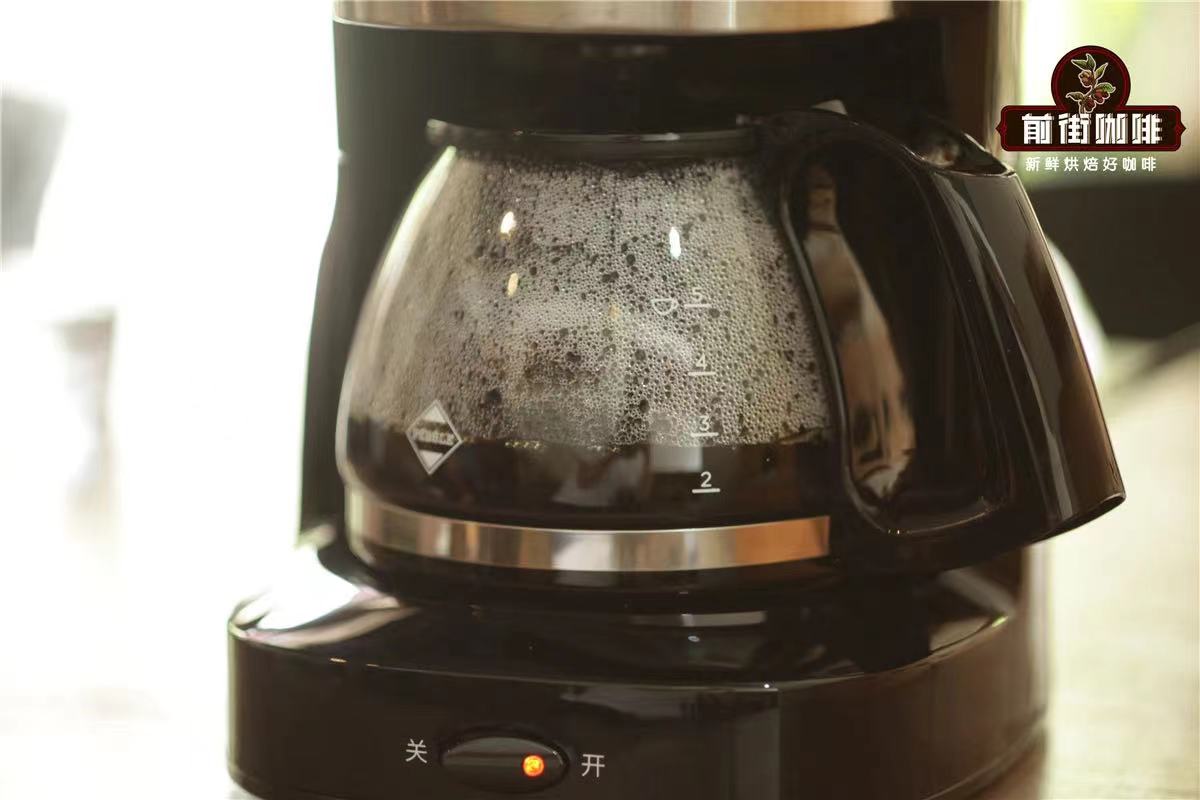
Common drip coffee makers can generally be divided into two capacity specifications: 5-cup and 12-cup, suitable for families of 1–2 people or larger groups. For example, a 5-cup machine typically has a water tank and glass carafe capacity of about 550 to 650 milliliters, yielding approximately 400 to 500 milliliters of coffee per brew; a 12-cup machine can hold about 1.2 to 1.3 liters of water, suitable for making around 800 to 1000 milliliters of coffee. It is recommended to brew at least 2 cups at a time to ensure extraction stability and flavor performance.
In terms of coffee-to-water ratio, it is generally recommended to use 5 to 7 grams of coffee grounds per 100 to 120 milliliters of water, which is also the design basis for the measuring spoons that come with most drip coffee makers. For example, if you are preparing to brew a cup of about 110 milliliters of coffee, you can use one flat spoon (about 6 grams) of coffee grounds and add 110 milliliters of hot water. If you want to adjust the strength, you can fine-tune the amount of coffee grounds according to personal taste, but it is recommended to maintain an appropriate brewing time to avoid over-extraction or under-extraction.
The grind size for pour over coffee and espresso coffee differs significantly. Pour over coffee typically uses a medium-coarse grind, similar in size to white sugar or sea salt, to ensure smooth water flow and even extraction. If using espresso blends, it is recommended to adjust the originally very fine espresso grind (close to powder) to a medium-coarse grind to prolong the brewing time and reduce the risk of over-extraction. If you don’t have a grinder at home, consider asking the shop to grind the beans for you when purchasing, and specify it is for “pour over” or “hand pour over” use.
Operating a drip coffee maker is actually very simple, and can be roughly divided into the following steps: first, grind the coffee beans into a medium-coarse powder, or use pre-ground coffee directly; next, place the filter paper in the filter basket and add an appropriate amount of coffee grounds (usually one spoon per cup, about 5 to 7 grams); then, pour the corresponding proportion of hot water into the water tank (about 100 to 120 milliliters per cup); place the glass carafe, start the coffee maker, and wait for 5 to 8 minutes to enjoy a freshly brewed cup of pour over coffee.
If you want to try making iced Americano, there are two common methods: one is to directly reduce the proportion of hot water and add ice cubes after brewing, but be aware that the coffee may become diluted as a result; the other method is to use espresso shot liquid mixed with cold water in a 1:1 ratio, which can preserve the bold flavor while offering a cool drinking experience.
Finally, regarding the choice of coffee beans, pour over coffee is actually quite adaptable to various bean varieties. Light roast beans often exhibit bright fruity acidity and floral-fruity aromas, suitable for those who prefer a refreshing taste; medium roast beans carry nutty, caramel, and balanced flavors, and are the preferred choice for most pour over enthusiasts; dark roast beans are known for their intense chocolate, smoky, and bold characteristics. Although they may not be as outstanding in pour over as in espresso, they can still showcase their unique layers. If you happen to have espresso blends on hand, feel free to experiment with adjusting the grind and ratio to explore different flavor possibilities.
The above content is compiled by CoffeeHunters, a coffee news website.


