







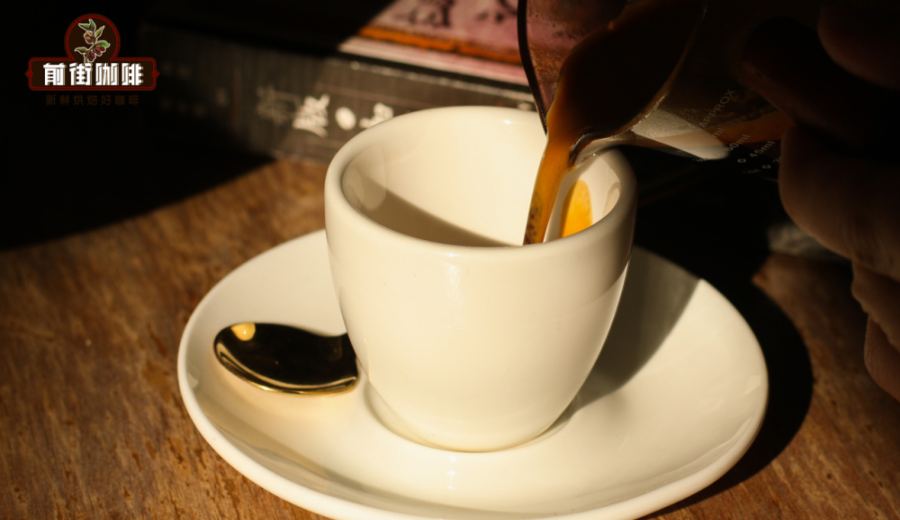
Introduction:To brew a well-balanced and rich espresso or a smooth, velvety milk coffee, selecting the right coffee beans is the first step—but by no means the only key. From the origins of dark roasts and blends to the rising trend of single-origin SOEs in recent years, this article delves into the various factors that influence the flavor of espresso. It covers the bean composition logic of mainstream blends, the recommended ratio range for Robusta (generally no more than 20%), the details and flavor profiles of four classic espresso blend recipes, and further analyzes eight core parameters including water pressure, grind size, dose, and extraction time—to help you create a stable and personalized espresso base.
So-called espresso beans, as the name suggests, are coffee beans specifically designed for espresso extraction (such as espresso). Compared to commonly used pour-over or filtered coffee beans, they differ significantly in roast level, bean variety composition, and flavor expression. So, how exactly do they differ? Let’s break it down from several key aspects.
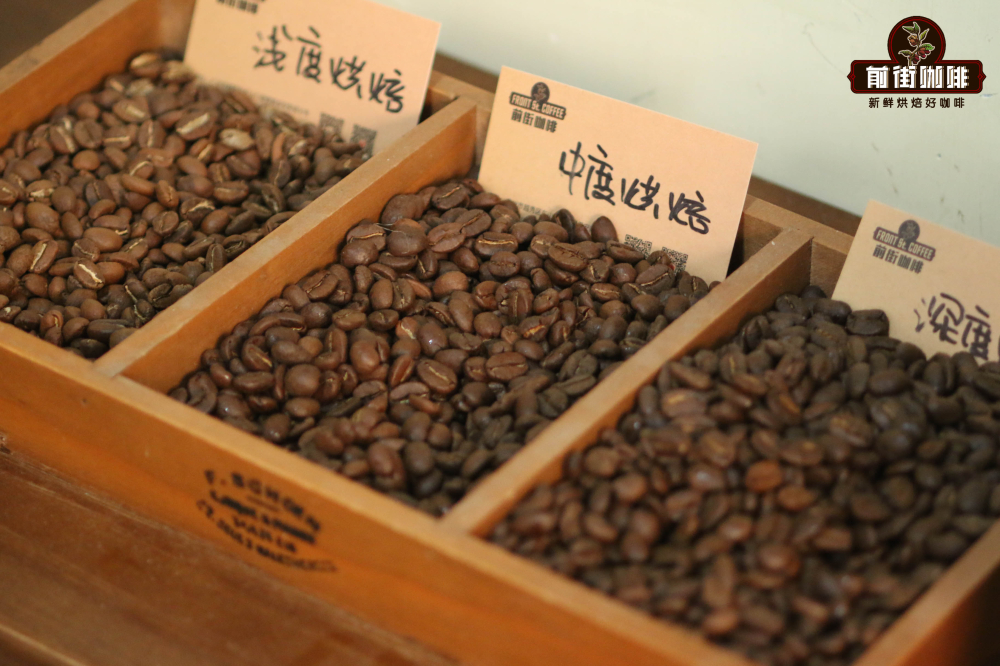
First is the roast depth. Generally speaking, pour-over coffee, which emphasizes flavor layers, often uses light to medium roasted beans to highlight bright acidity and fruity or floral aromas. But for espresso, which is meant to be consumed with milk or directly, espresso beans are typically roasted to the late second crack—falling into the medium-dark to dark roast range. This ensures that even after adding liquid, there's enough body and a balanced bitterness and sweetness to support the overall flavor expression.

Next is the choice between single-origin and blends. Although single-origin (Single Origin) coffees are becoming increasingly popular in the market, espresso beans still predominantly come in blends. This doesn’t mean single-origin beans aren’t suitable for espresso—it’s just that blends strike a better balance between stable output and cost control, while also combining the characteristics of beans from different regions to create a more three-dimensional and consistent flavor profile.
So, which coffee beans are suitable for making espresso? The foremost task is understanding the flavor traits of beans from various regions. Coffees from different origins, altitudes, and processing methods exhibit varying levels of acidity, sweetness, bitterness, body, and aroma. Single-origin beans often emphasize regional characteristics, while blends focus on overall harmony. Therefore, getting familiar with the personality of beans from different regions becomes the foundation for roasters to adjust roast curves and blend recipes.
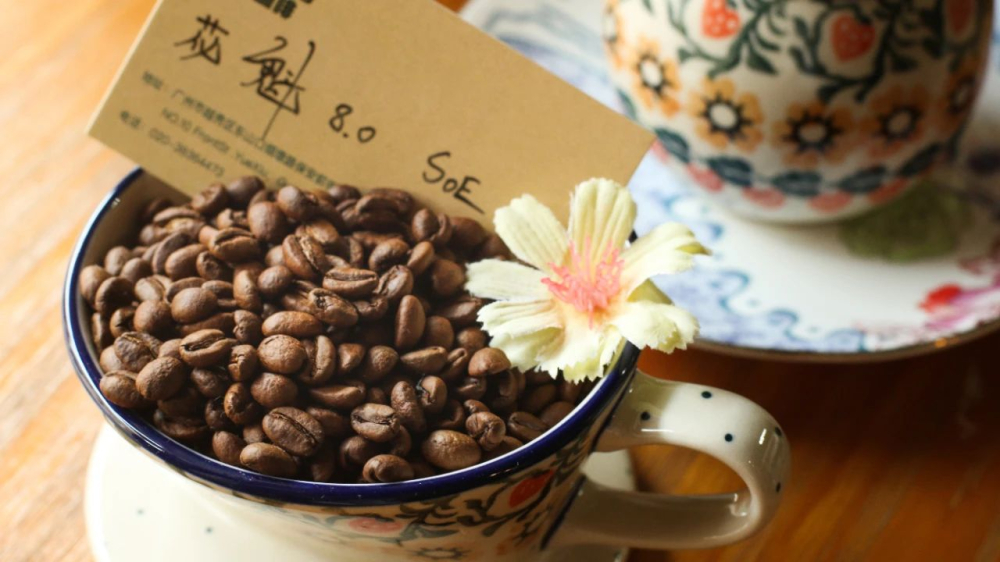
The recent rise of the single-origin espresso (SOE) trend, while highlighting the unique flavor characteristics of specific origins—such as the citrus notes of Yirgacheffe or the pronounced fruitiness of Kenyan beans—can also more easily amplify its strengths and weaknesses due to the lack of complementary beans. If roasting or grinding parameters deviate slightly, the flavor performance may fall short of expectations. Therefore, SOE is not always superior to carefully crafted blends.
So, how are professional espresso blends composed? They generally use two main types of coffee beans—Robusta and Arabica. Common blending methods include mixing Robusta with Arabica, or combining different Arabicas.
Robusta:These beans are often used to enhance the body and crema performance of espresso. The beans are oval or nearly spherical in shape, with a straight central crack. Their flavor is more intense, often carrying heavy notes such as nuts, earth, and spices. However, if the proportion is too high (commonly believed to exceed 20%), it can easily produce unpleasant rubbery or burnt flavors.
Arabica:Arabica beans from different regions, altitudes, and climates each exhibit unique personalities. Before roasting, they carry a fresh grassy aroma, and with moderate roasting, they can release fruity notes (light to medium roast) or complex layers such as caramel and chocolate (dark roast). The beans are long-oval or flat in shape, with a central crack that is mostly S-shaped or C-shaped. They are suitable for all types of brewing methods and can also showcase a more delicate spectrum of flavors.
So,how much Robusta is appropriate to add to an espresso blend?The generally recommended ratio is controlled within10% to 20%. Once exceeded, it can easily result in discordant off-flavors that affect the overall taste.
Next, we’ve compiled four common and representative espresso blend flavor combinations for readers’ reference:
(1) 100% Arabica blend (Colombia : Brazil = 3:7): A purely Arabica combination, medium-dark roasted to deliver comfortable bitterness and sweetness with a smooth mouthfeel. Flavor characteristics include grassy notes, nuttiness, and moderate slight acidity. The crema is medium-bodied, suitable for daily café service, with a soft and balanced espresso profile.
(2) Blend with Robusta (Colombia : Brazil : Robusta = 3:6:1): Adding a small amount of Robusta enhances crema richness and flavor fullness, presenting caramel sweetness, dark chocolate, and nutty notes. It has balanced acidity and sweetness with a long finish, suitable for making milk-based drinks like lattes and cappuccinos.
(3) Economical blend (Yunnan : Brazil = 3:7): Emphasizes cost-effectiveness, with a lighter flavor profile featuring soft fruity acidity, caramel sweetness, and a dark chocolate base. Suitable for cost-focused shops or home users with simpler flavor needs.
(4) Fruity-toned blend (Honduras Sherry : Yirgacheffe Red Cherry = 7:3): Features a distinctive flavor, rich in berry aromas, wine-like notes, and a strong chocolate character. It has bright acidity and a comfortable aftertaste, suitable for consumers who enjoy a more individualized flavor profile.
It’s worth mentioning,that adding an appropriate amount of Robusta not only increases caffeine content but also strengthens the crema layer and overall richness, making it an indispensable element in many professional blends.
Moving to the actual extraction phase, the outcome of espresso brewing depends on the following eight key variables:
(1) Water pressure: Modern coffee machines mostly control water pressure via pumps. The ideal extraction pressure is9 BAR, which is the industry-recognized standard water pressure best suited for espresso.
(2) Boiler pressure: Affects water temperature and steam strength, generally around1 BAR, but the actual value varies depending on the machine model and settings, and needs adjustment as needed.
(3) Water temperature: Typically recommended range is90°C to 92°C, but the actual temperature should be fine-tuned based on bean characteristics and machine capabilities.
(4) Tamping pressure: Generally recommended to be stable and consistent, often controlled using a calibrated tamper to ensure identical extraction conditions for each shot.
(5) Grind size: Espresso requires an extremely fine grind. Grind size affects flow rate and extraction time—too coarse may lead to under-extraction, too fine may cause over-extraction. Adjustments must be made according to actual extraction results.
(6) Dose: A single espresso shot is recommended to use12–14 gramsof coffee grounds, while a double shot uses20–22 grams.
(7) Extraction time: The ideal range is25–28 seconds, but the actual time is influenced by tamping, dose, and grind size, and must be flexibly adjusted.
(8) Yield: The target liquid volume for a single shot is20–21 grams, and for a double shot is40 grams. This parameter is closely related to the brew ratio and is key to adjusting concentration and flavor balance.
Finally, here’s a standard espresso base preparation process: First, dry the portafilter, load20 grams of coffee grounds, distribute the grounds evenly using a distribution tool, then tamp the puck firmly with a tamper. Attach the portafilter to the machine’s group head, start extraction, and stop when the liquid reaches40 grams. The ideal extraction time is28–32 seconds.
A successful espresso should achieve an excellent balance between acidity, sweetness, bitterness, and body, with rich and lingering aromas, as well as a delicate crema layer. The aftertaste should be clean and free of any harshness. By deeply understanding blend logic and extraction parameters, you too can craft your own perfect shot of espresso.
The above content is compiled by CoffeeHunters, a coffee news website.


