







Category: Coffee Knowledge
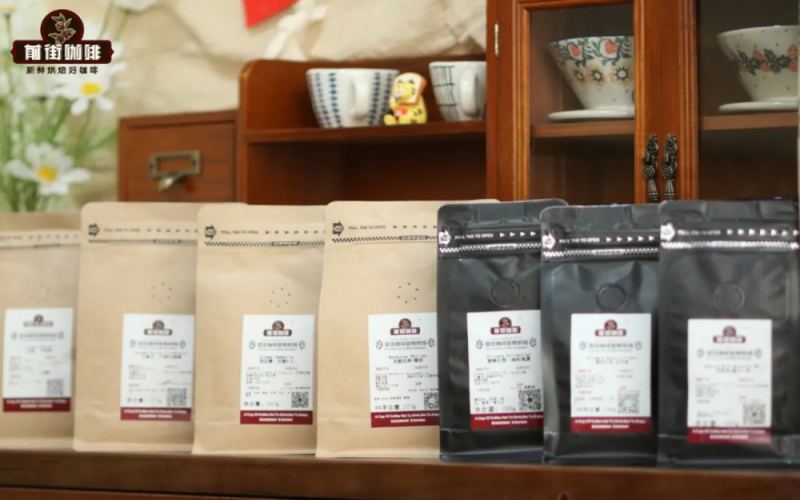
How long should coffee beans rest before they taste good? Essential brewing timing and storage tips for beginners
Although freshly roasted coffee beans are highly aromatic, brewing them immediately often fails to bring out their optimal flavors. Understanding the principles and practical applications of coffee bean resting—specifically the relationship between carbon dioxide release and flavor development—can help you more accurately enjoy the layered profiles of pour over or espresso. This article delves into the ideal resting periods for different roast levels, key storage considerations, and common misconceptions about preservation, assisting you in brewing ideal coffee from beginner to advanced levels. [more…]
Complete Guide to Resting & Blooming Italian Blend Coffee: Timing & Pour Over Flavor Enhancement Tips
Freshly roasted coffee beans are full of vitality, but may also suffer from poor extraction and muted flavors due to excessive carbon dioxide. Understanding the principles of resting and blooming for Italian blends, and mastering the golden time window, not only unlocks optimal flavor but also avoids harshness and off-notes. This article delves into the resting period and blooming steps, using classic Indonesian Mandheling as an example, and provides practical pour over parameters and precautions to help you brew a rich and balanced cup. [more…]
The Ultimate Guide to Resting & Degassing Espresso Blends: Understanding Mandheling’s Gas Release & Optimal Extraction Parameters
Resting and degassing are critical steps that influence how coffee flavors are released—especially for dark-roasted espresso blends or single-origin beans like Indonesian Mandheling. This article delves into the post-roast carbon dioxide degassing process of coffee beans, explaining why a 4 to 7-day resting period is necessary and why dark roasts require even longer. Using Sumatran Mandheling as an example, it also explores how the wet-hulled process impacts flavor and provides practical pour-over parameters to help readers master the process from resting... [more…]
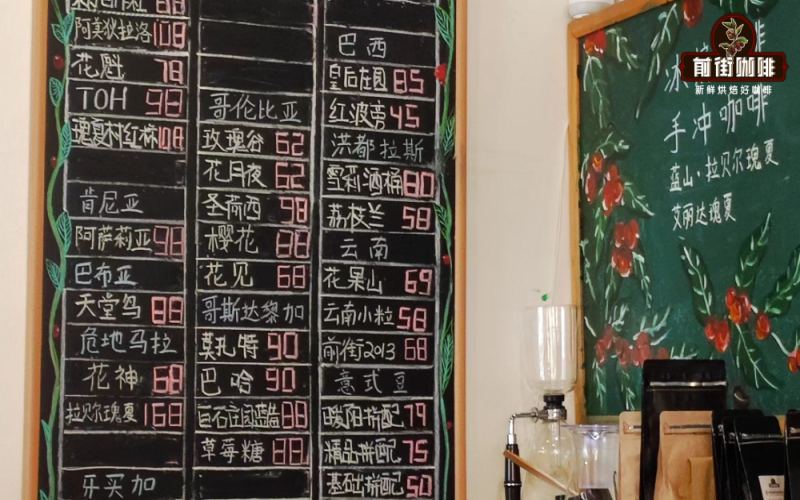
Brazilian Queen Estate Yellow Bourbon Pour Over Tutorial: A Comprehensive Guide from Origin to Brewing Parameters
Delve into how Queen Estate in Brazil's Mogiana region crafts a specialty coffee with outstanding sweetness and layered complexity through meticulous natural processing and the Yellow Bourbon variety. This article will take you through the growing environment, varietal characteristics, processing methods, roasting strategy, and all the way to practical pour over techniques — helping you master the key flavor profile and brewing essentials of this coffee. [more…]

Starbucks Flat White vs Americano Cappuccino | Complete Guide to Bitterness Analysis and Milk Foam Differences
For regular coffee drinkers, Starbucks' Flat White has quickly risen to become a popular beverage since its launch in 2020. But do you understand the differences between it, an americano, and a cappuccino? This article provides an in-depth analysis of the origins of the Flat White, its core distinctions from other types of coffee—from the ratio of espresso, the texture of the milk foam, to the intensity of bitterness—helping you grasp the unique charm of this Australian-style milk coffee. It also offers practical extraction parameters and a flavor breakdown of the blend beans used. [more…]

Can Starbucks Flat White be served over ice? A breakdown of the Flat White recipe, milk frothing techniques, and flavor profile
Flat White, as a classic milk coffee originating from Australia and New Zealand, is renowned for its intense coffee flavor and delicate microfoam. But do you know why it tastes more authentic when served hot? This article provides a comprehensive breakdown of this beloved coffee among Hong Kong and Taiwan consumers — from pronunciation and historical origins, to espresso extraction techniques, milk foam thickness control, and the differences between hot and iced versions. Whether you’re new to it or looking to refine your brewing skills, you’ll find practical insights here. [more…]
Can you add ice to Starbucks Flat White? A complete guide to its origin, preparation, and coffee flavor
Flat White, as a popular milk coffee originating from Australia and New Zealand, is renowned for its rich coffee aroma and fine microfoam. Can this coffee be served as a cold drink? How does it differ from a latte? This article explains the authentic pronunciation of Flat White, its development background, the characteristics of its espresso shots, and provides professional-grade milk coffee preparation parameters and flavor experience analysis to help you better understand this classic beverage with its silky texture. [more…]
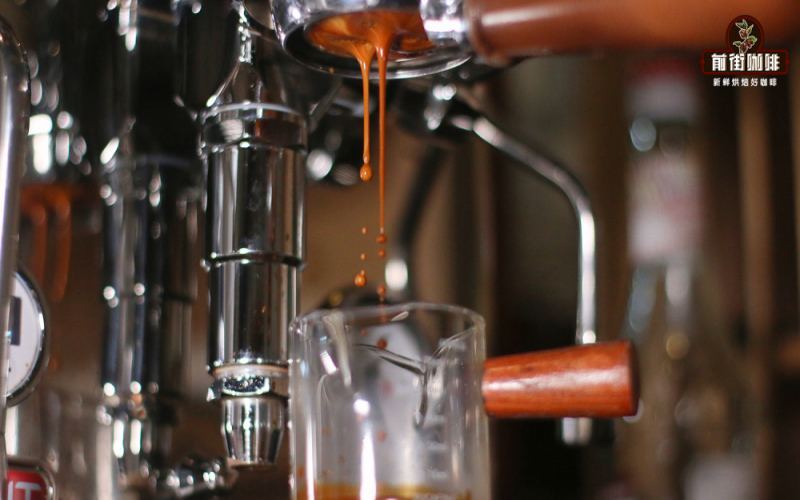
Analysis of the Differences Between Starbucks Flat White, Latte, and Caffè Misto | A Complete Guide to Coffee Ratios and Milk Frothing Techniques
Have you ever wondered how Starbucks Flat White, Latte, and the recently popular Caffè Misto differ? Although all three are combinations of espresso and milk, they vary in milk volume, coffee intensity, and milk froth handling. This article delves into the definition of Flat White, its core differences from the Latte, explores its origin story, and offers professional recommendations on brewing parameters, milk temperature, and ratios—helping you master everything from flavor to preparation. [more…]
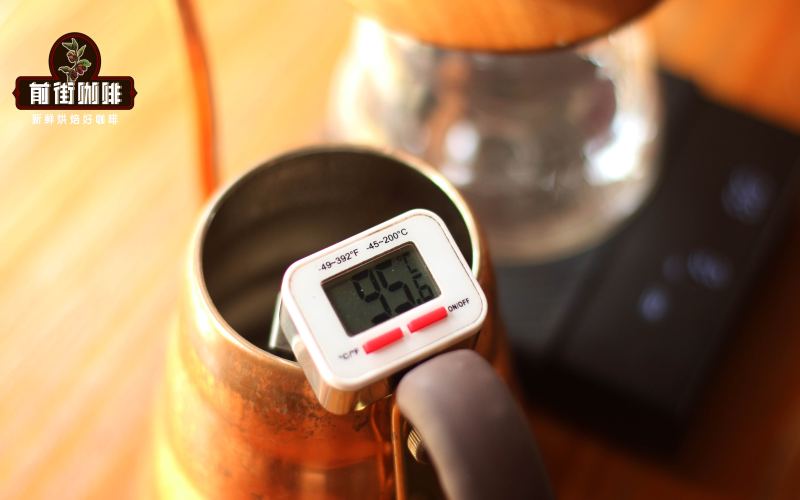
How to Choose the Water Temperature for Pour Over Coffee? Exploring Flavor Changes and Practical Tips Through Extraction Temperature Differences
Setting the water temperature for pour over coffee has always been a popular topic among coffee enthusiasts, but did you know? There is actually a noticeable difference between the temperature of the water in the kettle and the actual extraction temperature. This article, through practical test data, deeply analyzes the optimal water temperature ranges for beans of different roast levels, reveals the relationship between water temperature and flavor, and shares practical methods for controlling extraction temperature by adjusting pouring height, helping you brew your ideal flavors more precisely. [more…]

Poor extraction when pour over brewing in winter? Practical tips to enhance flavor by adjusting water temperature
After winter arrives, many pour over enthusiasts find that even when using their familiar brewing parameters, the resulting coffee has a duller flavor and less satisfying mouthfeel. This is not due to a change in the quality of the coffee beans, but rather because the drop in ambient temperature causes the actual brewing water temperature to decrease, which in turn affects extraction efficiency. This article will delve into how cold air impacts water temperature during the pour over process, and offers a simple yet effective solution — slightly increasing the water temperature by 1–2°C — to help you enjoy better brews even in the cold. [more…]
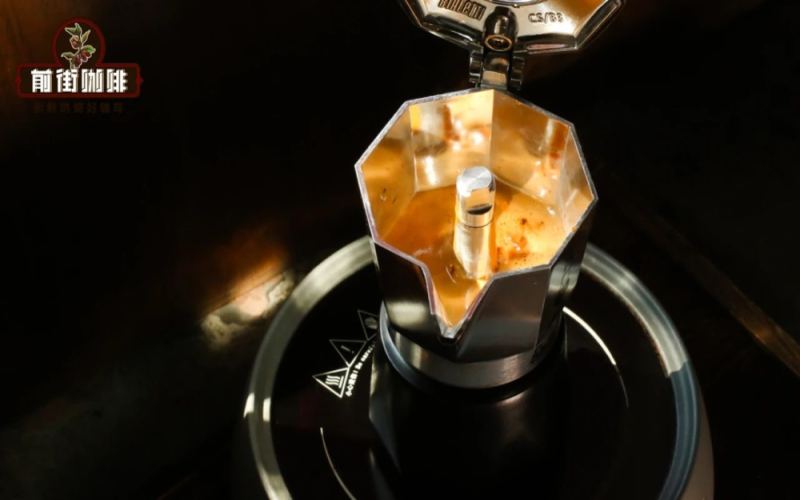
Complete Guide to Moka Pot Grind Size and Coffee Ground Filling: Understand Grind Coarseness, Dosage, and Tamping Techniques All in One Go
To brew a rich and balanced cup of coffee with a moka pot, grind coarseness, the amount of coffee filled in the basket, and tamping technique are all key factors. This article dives deep into the ideal coffee ground texture for a moka pot (between fine salt and espresso-fine), the best way to fill the coffee chamber, and how to tamp correctly to avoid channeling and over-extraction. Whether you're a beginner or a frequent brewer, you’ll learn practical tips to elevate your coffee’s flavor. [more…]
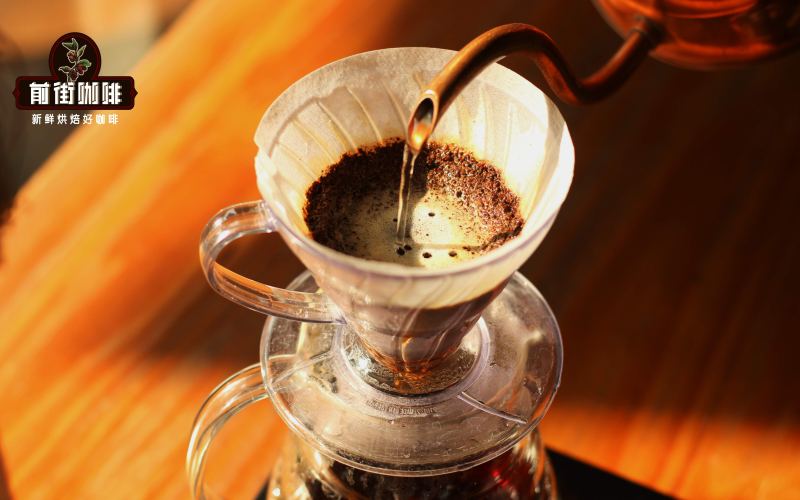
Analysis of 7 Key Pour Over Techniques and Practical Brewing Recommendations
The charm of pour over coffee lies in the delicate layers of flavor it presents, but to consistently extract an ideal taste, the key lies in mastering the details of water pouring and technique. This article provides an in-depth analysis of seven core elements that influence flavor during the pour over process, including water distribution, blooming methods, swirling techniques, and flow rate control. It also includes practical brewing parameters for three classic single-origin beans to help coffee enthusiasts build their own extraction logic and flavor profiles through hands-on practice. [more…]
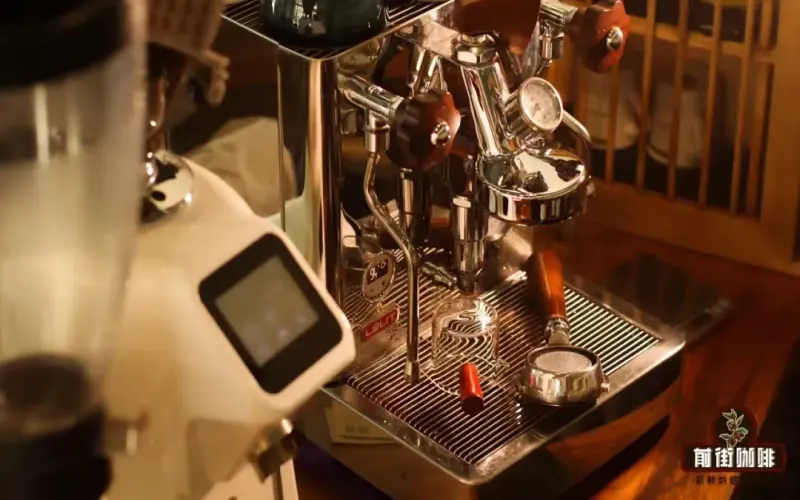
Essential for Coffee Shops: A Complete Guide to Espresso Extraction Parameters and Bean Pairings
To brew a balanced and layered espresso, the key lies in mastering four major extraction parameters: dose, grind size, extraction time, and coffee-to-water ratio. This article delves into how these parameters influence the flavor of your espresso and recommends four blends suitable for both shop and home use. It will help you choose the most appropriate beans and settings based on different needs to achieve your ideal coffee taste. [more…]
Key to Espresso Extraction: Adjusting Four Major Parameters & A Beginner’s Guide to Home Brewing
To perfectly brew a well-balanced shot of espresso at home, the key lies in mastering four essential parameters: grind size, coffee dosage, extraction time, and brew ratio. This article will take an in-depth look at these core variables that influence extraction. Based on practical experience, it will guide you from theory to practice—helping you understand how each factor affects the taste and strength of your coffee. It also shares tips on achieving ideal extraction through adjustments, while emphasizing the importance of selecting a stable blend. [more…]
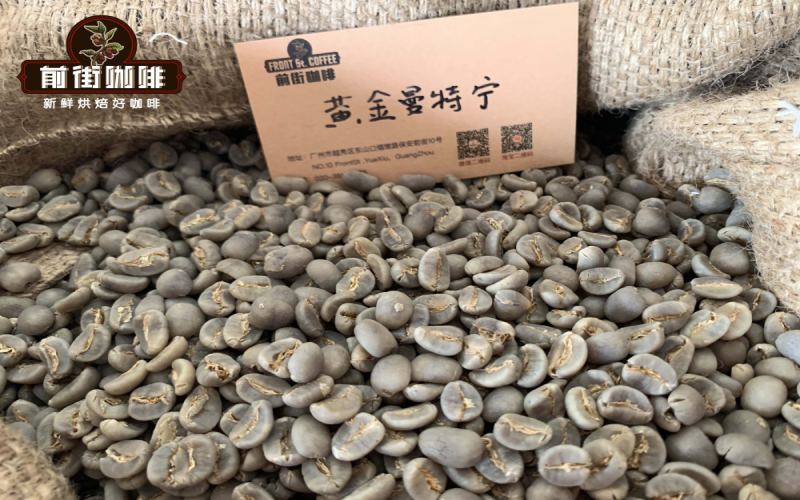
Differences in Flavor Between Indonesian Golden Mandheling and Lintong Mandheling | Brewing Tips and Buying Guide
Indonesian Mandheling coffee is renowned for its rich and full-bodied profile, with PWN’s Golden Mandheling hailed as the top-tier representative. This article delves into the regional characteristics of Golden Mandheling and Lintong Mandheling, the genetic traits of the Ateng variety, the impact of the wet-hulled processing method, and compares the two in terms of flavor expression and suitable brewing methods. It also provides practical recommendations for medium-dark roasting and three-stage brewing parameters using the KONO filter, helping coffee enthusiasts grasp the essence of Sumatran coffee. [more…]
How to Determine the Coffee-to-Water Ratio for Pour Over? A Complete Guide to the Golden Cup Standard, Practical Parameters, and Flavor Adjustments
Beginners in pour over coffee often struggle with the coffee-to-water ratio—how much coffee grounds should be used with how much water? Starting from the scientific foundation of the Golden Cup extraction, this article analyzes the logic behind the golden range of 1:12 to 1:15, explores seven key factors such as grind size, water temperature, and filter choice, and provides practical calibration methods and classic bean parameter suggestions to help you precisely control brewing variables and extract balanced, rich coffee flavors. [more…]

From Barista to District Manager: A Complete Guide to Starbucks' Career Development and Salary Structure
Want to understand the promotion paths and actual salary levels within Starbucks? This article provides an in-depth breakdown of the full hierarchy from entry-level baristas to district managers, covering key positions such as trainers, shift supervisors, and store managers. It also analyzes operational details like IPLH staffing metrics and ordering formulas. Additionally, it shares real compensation experiences from current and former employees to help you fully grasp Starbucks’ operational system and career development possibilities. [more…]
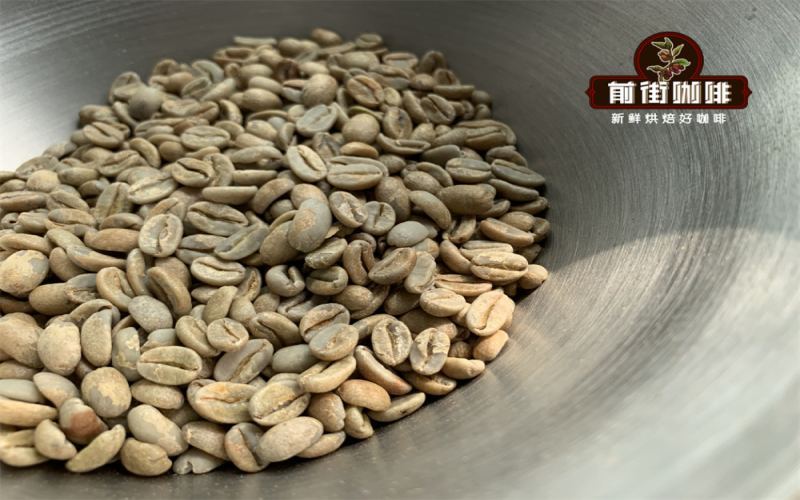
Complete Guide to Ethiopian Gesha Village Red Label Coffee: Variety, Processing, and Pour Over Parameters Explained
Want to brew Ethiopian Gesha Village Red Label coffee at home with notes of citrus, floral, and tea? This article starts with the origin of the Gesha variety, takes an in-depth look at the founding history of Gesha Village Estate, and explores what makes the Red Label grade unique. It also details its natural processing method, roast profile, and professional cupping results, and finally provides practical pour over parameters and flavor guidance to help you master the charm of this top-tier coffee step by step. [more…]

How to Choose Between Ethiopia Gesha Village Red Label and Gold Label? Understand Everything from the Region to Pour Over Parameters
Gesha coffee originated from wild Ethiopian varieties, rose to fame in Panama, and has now become one of the top-tier varieties in the specialty coffee world. This article takes you through the historical roots of Gesha, delves into the grading system and plot differences of the Gesha Village estate, and focuses on comparing the regional characteristics and flavor profiles of the two top-tier Gesha offerings: Gold Label and Red Label. We also demonstrate the pour over steps for Red Label Gesha, providing practical brewing parameters such as filter type, water temperature, and grind size to help you master high-quality Gesha brewing. [more…]
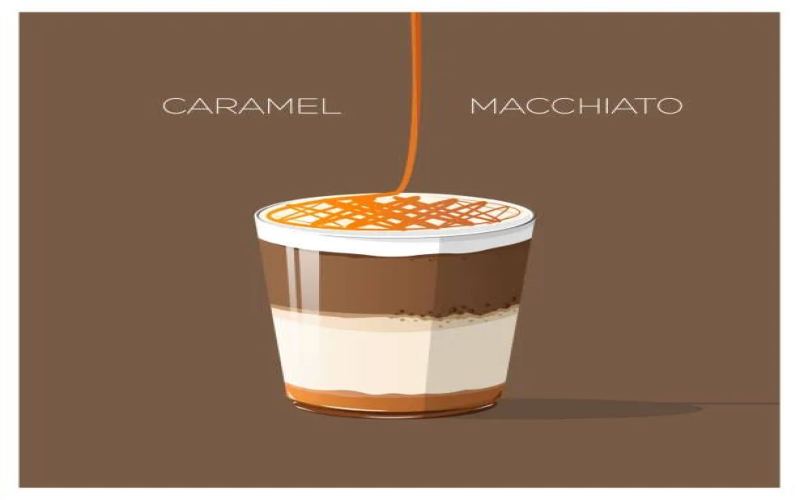
Calorie Breakdown of Starbucks Caramel Macchiato & Full Guide to Making It at Home as an Iced Drink
The Caramel Macchiato, with its rich caramel aroma and balanced harmony with coffee, has become a favorite for many. But do you know the actual calorie content of a standard Starbucks Caramel Macchiato? Would you like to recreate that captivating flavor at home? This article will take you in-depth into the latest calorie information for the Starbucks Caramel Macchiato, and break down the full process of making the iced version step by step — from preparing the ice cup, frothing milk with a French press, using caramel syrup, to layering the milk foam and mastering caramel drizzle art. Let’s go step by step. [more…]