







Category: Coffee Knowledge

What’s the difference between drip bags and pour over? A complete guide to extraction parameters, bean variety selection, and flavor analysis
Both drip bag coffee and pour over coffee use the drip filtration brewing method, but they differ in operation, applicable scenarios, and handling details. This article deeply explores the production process, grind size, and ideal water temperature for drip bag coffee, compares the similarities and differences with pour over, and introduces the characteristics of common drip bag coffee varieties along with practical brewing tips—helping you brew richly layered single-origin coffee even with simple tools. [more…]
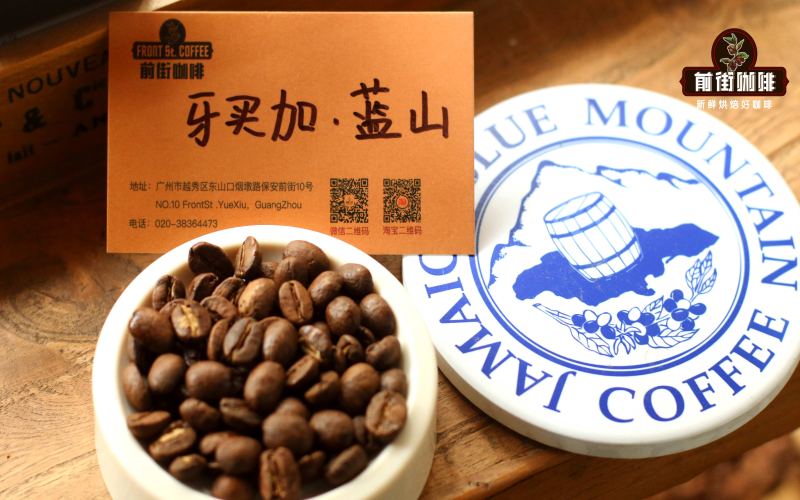
A Complete Guide to Jamaican Blue Mountain No.1 Coffee Beans: Washed vs. Natural Differences and Pour Over Parameters
Jamaican Blue Mountain No.1 coffee is hailed as the pinnacle of the coffee world, yet the market is flooded with imitations. This article provides an in-depth analysis of the authentic Blue Mountain No.1 certified by the Jamaica Coffee Industry Board. It covers the growing region’s environment, the background of the Clifton Estate, the characteristics of the Typica variety, as well as the flavor differences between washed and natural processing methods. It also offers professional pour over recommendations, including the use of the KONO filter, optimal water temperature, grind size, and brew ratio, helping you master the essence of this legendary coffee. [more…]
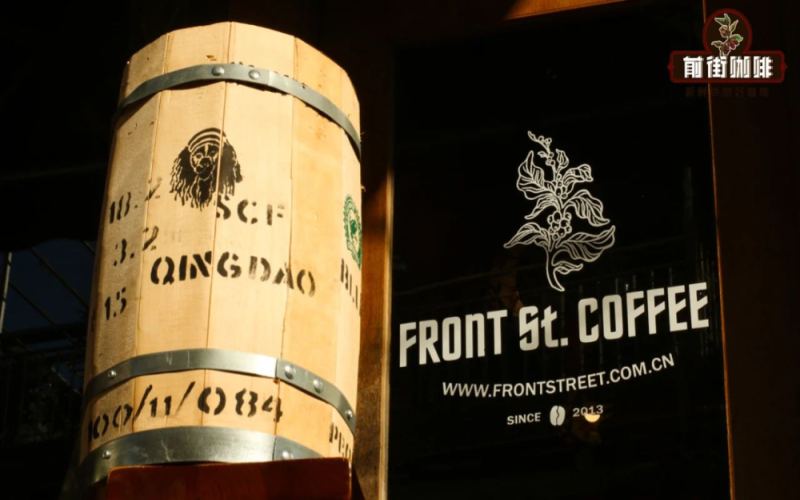
The Complete Guide to Jamaican Blue Mountain No. 1 Coffee: From Origin to Brewing — Learn How to Identify Authenticity and Savor Its Flavors
Jamaican Blue Mountain No. 1 coffee is hailed as one of the world’s finest coffees, yet the market is rife with counterfeits and misconceptions. This article delves into the legally defined growing regions, grading system, and techniques for distinguishing authentic beans. It also explores the distinct characteristics and flavor profiles of both washed and natural processing methods, along with expert pour over recommendations and parameters to help you truly understand and enjoy genuine Blue Mountain flavors. [more…]
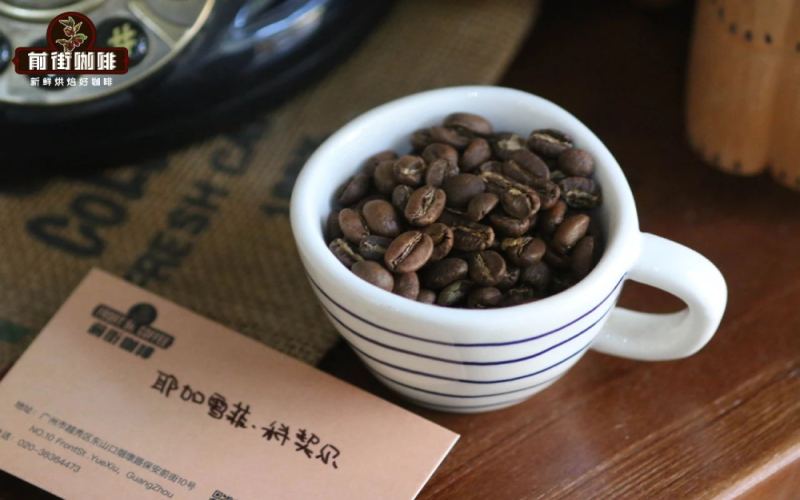
Ethiopia Yirgacheffe Kochere G1 Washed Beans: A Complete Guide to Flavor, Processing, and Brewing Recommendations
Yirgacheffe Kochere G1 washed beans are a classic representation of Ethiopia’s high-altitude heirloom coffee varieties, renowned for their distinct floral and fruity notes and clean acidity. This article provides an in-depth exploration of this popular specialty coffee bean—from the regional background, production model, washed processing technique, to green bean packaging and storage—along with practical flavor profiles and brewing references. Whether you’re a beginner or an experienced coffee enthusiast, you’ll find inspiration for selecting beans and dialing in your extraction. [more…]
Review of Yirgacheffe Kochere G1 Washed Beans: Flavor Analysis and Best Brewing Recommendations
The G1 washed coffee beans produced in the Kochere region of Yirgacheffe are widely praised for their bright floral notes and citrusy character. This article delves into the growing environment, processing methods, and flavor characteristics of these beans, while also providing practical brewing tips to help you fully unlock their potential. Whether you're using a pour over or cold brew method, these beans are easy to work with. [more…]
Why Is Jamaican Blue Mountain Coffee So Expensive? A Complete Guide to Authenticity & Flavor Characteristics
Renowned worldwide for its unique flavor and high price, Jamaican Blue Mountain coffee is often misrepresented by many so-called "Blue Mountain-style" coffees on the market. This article delves into the origins, grading system, and barrel-packaging identification points of authentic Blue Mountain coffee. It also covers everything from processing methods and roast profiles to pour over parameters, helping you fully understand its flavor profile and how to choose it correctly—avoiding paying a premium for an imitation. [more…]
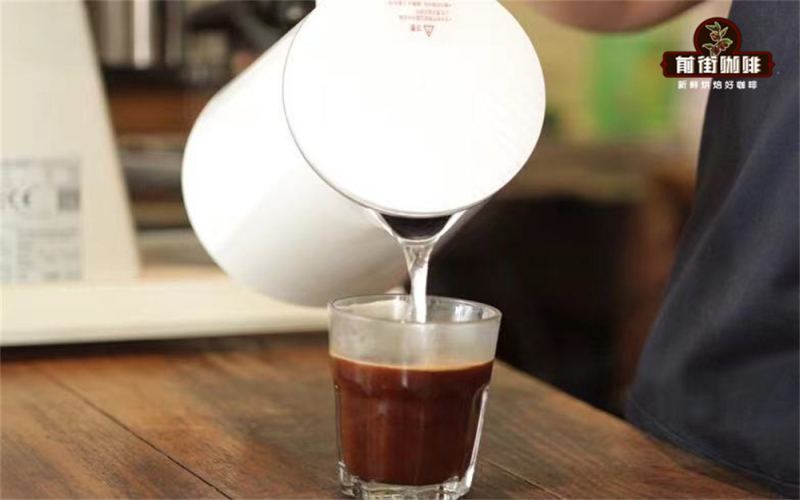
Health Benefits and Brewing Tips of Americano: A Comprehensive Guide from Reducing Bloating to Boosting Energy
Americano is not only a great choice for an energy boost, but it has also been found to potentially help reduce bloating, promote metabolism, and assist with fat burning. But do you know the difference between it and regular black coffee? This article takes an in-depth look at the origins of Americano, its drinking culture in different regions, and helps you understand the unique flavor profile of Americano made with espresso. It also offers scientific drinking advice and temperature pairing tips to help you enjoy it both healthily and deliciously. [more…]
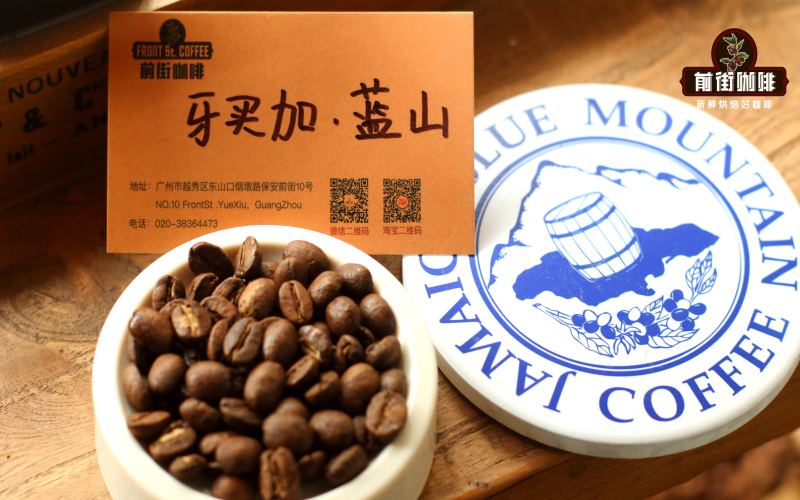
What is Jamaican Blue Mountain coffee called in English? Learn how to identify authenticity and understand the market
Jamaican Blue Mountain coffee (Blue Mountain Coffee) is one of the world’s top-tier coffees, grown in the high-altitude regions of Jamaica’s Blue Mountains. This article delves into its growing environment, variety characteristics, processing methods, and market distribution. It also provides a detailed analysis of how to effectively distinguish genuine products from counterfeits by focusing on three key aspects: the exporting company, wooden barrel packaging, and official certification. Additionally, it offers a reference for the market price of Blue Mountain coffee, giving you a more comprehensive understanding of this legendary brew. [more…]
A Complete Guide to Starbucks' 13 Coffee Beans: From Kenya to Guatemala, with Pour Over and Extraction Parameter Recommendations
Starbucks offers 13 different coffee beans sourced from renowned global coffee-growing regions — from Kenya in Africa to Antigua in Central America. Each bean boasts a unique flavor profile and regional characteristics. This article takes an in-depth look at two classic offerings: beans from Kenya and Antigua, Guatemala. It covers details such as coffee variety, processing method, roast level, and pour over brewing recommendations, along with practical extraction parameters and flavor descriptions to help coffee enthusiasts make better bean choices and improve their brewing skills. [more…]
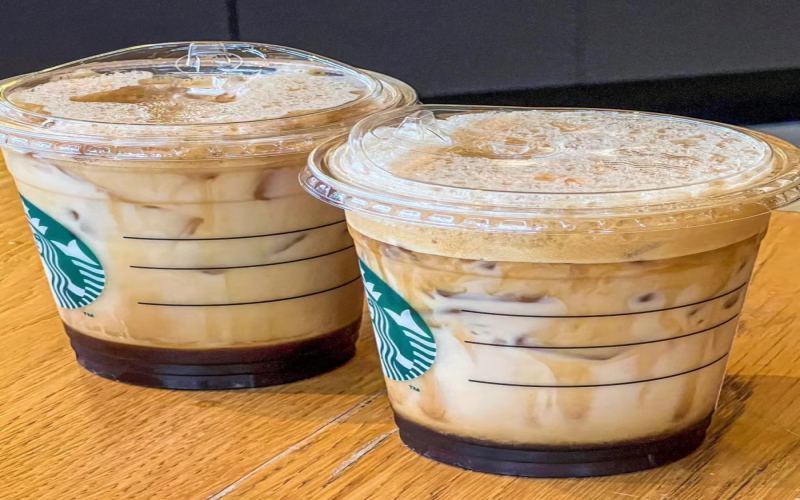
Starbucks 2023 Summer New Arrivals Cheat Sheet: Iced Shaken Espresso, Cold Brew, and Sparkling Cold Brew – Prices & Flavors at a Glance
This summer, Starbucks has introduced a variety of new beverages, including the vibrant Iced Shaken Espresso, the tangy and refreshing Sparkling Cold Brew with fruit flavors, and the caffeine-infused but coffee-free Sparkling Cold Brew series. This article provides a detailed list of medium to large sizes, main ingredients, and highlights for each. It also offers the latest menu and pricing references for classic offerings such as Espresso, Frappuccino, Teavana, and Cold Brew, helping customers compare and choose. Additionally, recommended coffee beans for home brewing are included to help you recreate similar flavors. [more…]

Does iced latte lose its flavor? Risks of adding ice to hot latte and professional preparation tips
Does removing ice from a latte affect its overall flavor? Is it appropriate to add ice to a hot latte? Many people assume it's just a matter of temperature change, but in reality, it involves the balance of coffee and milk extraction, ratio design, and temperature control. This article delves into the preparation logic behind different types of lattes, analyzes common flavor issues such as being too bitter, too light, or unbalanced in texture, and provides practical adjustment suggestions. Whether you're a beginner or a professional barista, you can gain practical insights from this. [more…]
Will iced lattes become weaker? The truth about adding ice to hot coffee and the best ratio explained
Have you ever wondered why iced lattes aren't recommended without ice, or why adding ice to hot coffee affects the taste? This article delves into the golden ratio of lattes, common issues and their causes, and provides practical extraction parameters and milk temperature recommendations to help you understand why serving a hot latte with fresh milk at room temperature offers the best flavor. It also debunks the myth that "it just tastes like milk" when iced lattes are served without ice. [more…]

The Complete Guide to Cold Drip Coffee: A Professional Introduction from Equipment Selection to Flavor Tuning
Cold drip coffee is beloved by many coffee enthusiasts for its uniquely refreshing sweet and sour notes and delicate layers of flavor. But every detail—from equipment selection, bean variety and flavor profile, grind size, drip rate, to post-brew refrigeration—affects the final taste. This article provides an in-depth breakdown of the entire cold drip brewing process, covering practical parameters such as bean selection recommendations, pre-wetting techniques, coffee-to-water ratio, and flow rate control, along with expert-level operational details to help you consistently brew balanced and rich cold drip coffee at home. [more…]
The Ultimate Guide to Cold Drip Coffee: From Equipment Selection to Brewing Parameters and Flavor Tuning
Cold drip coffee, with its unique low-temperature slow extraction process, delivers a refreshing, sweet and acidic flavor with distinct layers, making it a popular choice for home-brewed specialty coffee among enthusiasts. This guide covers key elements such as recommended cold drip kettle brands, coffee bean selection, grind size, dripping speed, and coffee-to-water ratio, along with practical operational details like pre-wetting techniques, filter paper placement, and refrigerated fermentation time—to help you master the skills for brewing balanced, long-finishing cold drip coffee at home. [more…]
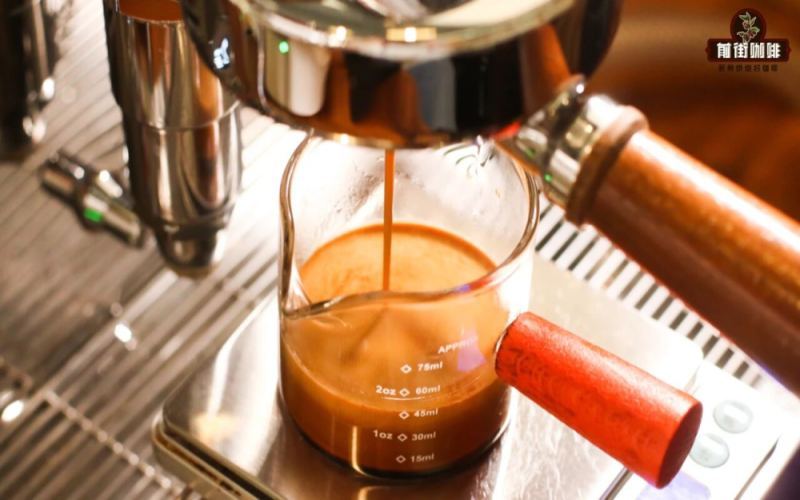
Moka Pot vs Espresso Machine: In-depth Analysis of Pressure, Crema, and Suitability for Specialty Drinks
Many people see the moka pot as an economical alternative to the espresso machine, but in reality, the two differ significantly in extraction pressure, concentration, and crema fineness. This article will break down the technical parameters of the moka pot and espresso machine—such as the key difference between 9bar and 3–4bar in pressure performance—as well as coffee concentration and crema texture. We’ll also conduct practical comparisons of their performance when making specialty drinks like lattes and Dirty coffees, helping you decide which tool is better suited to your daily routine. [more…]

Latte Milk Coffee Flavor Analysis: A Guide to Choosing Milk and Blends & Brewing Essentials
To make a latte with balanced flavor and a rich mouthfeel, besides mastering latte art, selecting the right milk and coffee beans is key. This article delves into the differences between pasteurized fresh milk and UHT shelf-stable milk, and recommends suitable medium-dark and dark roasted blends tailored to the characteristics of a latte. From flavor profiles to practical brewing applications, it helps you master the essence of making milk coffee. [more…]
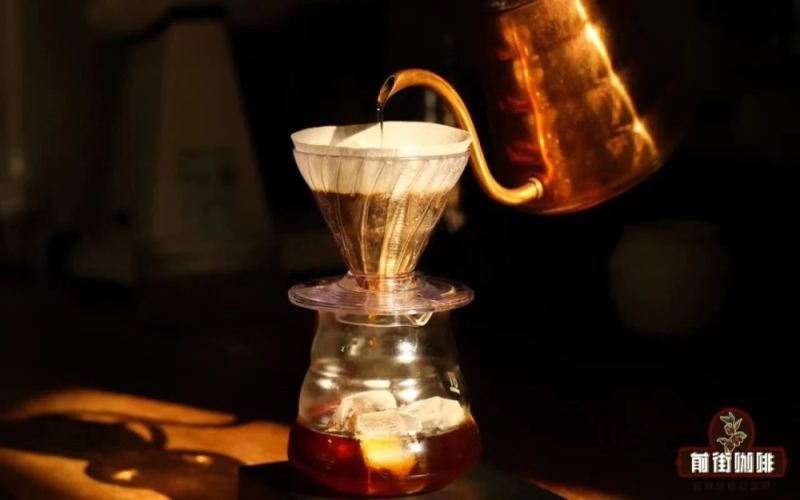
The Ultimate Guide to Coffee Grind Size: From Resting Period to Sieve Calibration, Enhance Pour Over and Extraction Flavor
Grind size is one of the core variables that affects coffee extraction efficiency and flavor performance, yet it often puzzles coffee enthusiasts. This article delves into everything from the resting period after fresh roasting, the differences in extraction between fine and coarse grinds, to how to use a 0.85mm sieve to test pass-through rate. It also provides reference ranges for light, medium, and dark roast beans, along with a practical guide to judging grind size by equipment when a sieve isn’t available—helping you master the key to extraction for every cup. [more…]
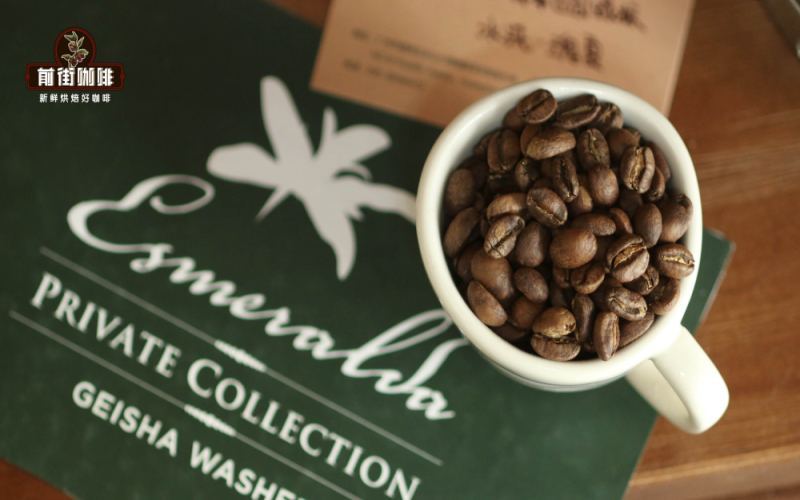
Complete Guide to Panamanian Hacienda La Esmeralda Geisha Grading: How to Choose Between Red, Green, and Blue Labels? Pour Over Parameters and Flavor Analysis
Hacienda La Esmeralda’s Geisha coffee is renowned for its meticulous grading system. The Red Label, Green Label, and Blue Label not only represent different altitudes and processing methods, but also directly influence flavor profiles and pricing. This article provides an in-depth analysis of the origin sources, cupping characteristics, and actual brewing differences among the three grades, along with professional roasting and pour over recommendations to help coffee enthusiasts select the most suitable Geisha beans based on their preferences. [more…]
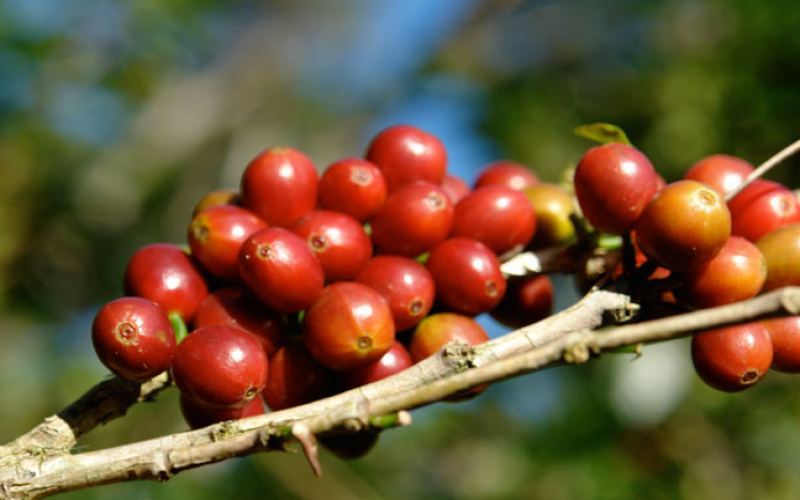
Analysis of the Three Grades of Panama Geisha Finca El Bosque | Complete Guide to Pour Over Flavors and Brewing Parameters
Finca El Bosque’s Geisha is hailed as a top-tier gem in the coffee world, but what exactly sets the Red Label, Green Label, and Blue Label apart? This article delves into the clear differences among the three grades in terms of origin, altitude, processing method, and flavor, and also provides practical pour over brewing parameter recommendations. This will help you master the key insights from selection to brewing and truly appreciate the layered flavors of Geisha. [more…]
Analysis of Panama Geisha Green Tip Beans: Differences Between Red, Green, and Blue Labels & Pour Over Brewing Recommendations
Want to understand what the red, green, and blue labels of Panama Geisha beans from Finca El Velo represent? This article will take you through the historical origins of Finca El Velo, the distribution of its three major plots, the classification logic behind the red, green, and blue labels, their flavor profiles, and suitable brewing methods—offering an in-depth look at this legendary bean in the specialty coffee world. Whether you're a beginner or a coffee connoisseur, you’ll gain practical tips on selection and brewing. [more…]