








Introduction:Does removing ice from a latte affect its overall flavor? Is it appropriate to add ice cubes to a hot latte? Many people assume it’s just a change in temperature, but in reality, it involves the balance of coffee and milk extraction, ratio design, and temperature control. This article delves into the preparation logic behind different types of lattes, analyzes common flavor issues such as being too bitter, too light, or unbalanced in texture, and offers practical adjustment suggestions. Whether you’re a beginner or a professional barista, you can gain valuable hands-on insights.
Have you ever wondered why some lattes have distinct, layered flavors while others taste as bland as water or overly bitter and harsh? A seemingly simple latte actually involves many professional details — from coffee bean selection and espresso extraction parameters to milk proportion and temperature control — all of which influence the final texture. Especially when adjusting temperature, such as choosing an iced version or adding ice cubes, these variables can significantly alter the originally designed flavor profile.
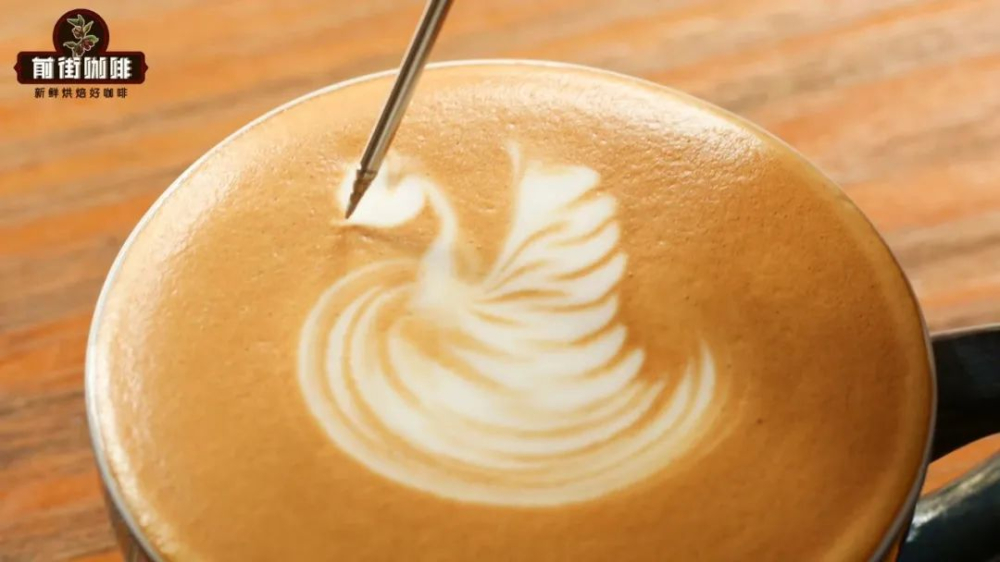
Many people are initially drawn to lattes by their delicate latte art. However, what truly lingers is the smooth mouthfeel of the first sip, where coffee crema blends with milk, followed by layers of flavor — from a slight bitter-sweetness to the sweetness of milk, and then the creamy and chocolatey notes in the aftertaste, all achieving excellent balance. But to achieve such a result, a stable recipe and correct preparation process are essential.
The foundation of an ideal latte lies in the rigorous proportioning between coffee and milk. For example, if you simply remove the ice from an iced latte and top it up with milk, it may look the same in volume, but it actually dilutes the original coffee concentration, resulting in a thinner overall flavor. Meanwhile, a hot latte relies on the optimal temperature range to bring out the harmony between milk and espresso. Arbitrarily adding ice not only cools it instantly but may also disrupt the original balance, affecting the texture.
But what exactly is the standard recipe for a latte? Taking common practices in professional coffee shops as an example, most use medium-dark roasted blends. These beans tend to yield flavors like vanilla, cream, chocolate, and caramel cookies, making them well-suited to pair with milk. For the espresso, a 1:2 powder-to-liquid ratio is applied — extracting about 2 grams of coffee liquid per gram of coffee powder, with the extraction time controlled between 25–35 seconds. Specifically, using a double shot basket with 20 grams of coffee powder to extract 40 grams of espresso within 27–33 seconds, while ensuring there are no channeling, splashing, or unstable flow rate issues during extraction.
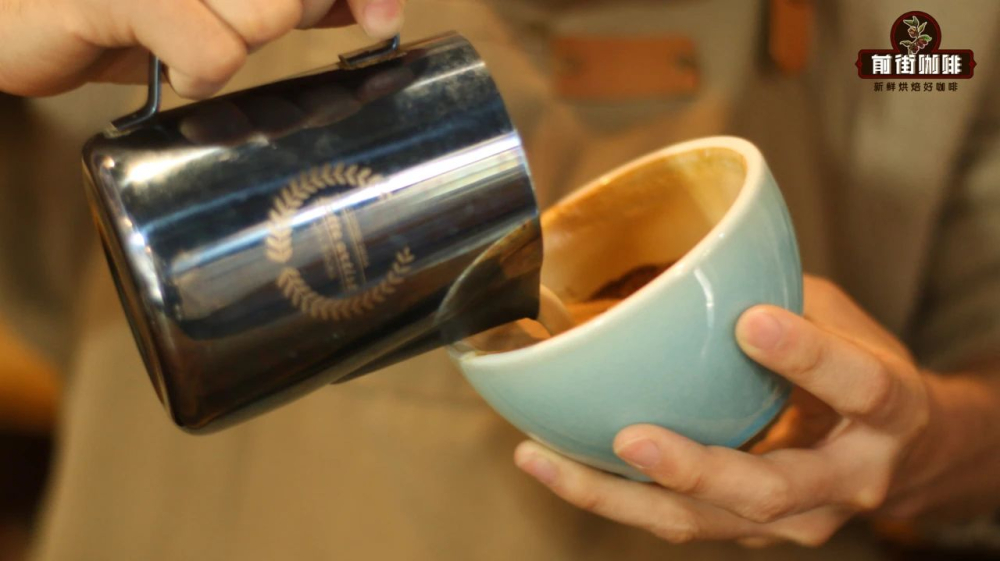
When preparing a hot latte, it is recommended to use 220 milliliters of fresh milk, steamed to a temperature of 55–65°C, forming a fine microfoam that is 0.3–0.5 centimeters thick, then combining it thoroughly with the espresso, pouring it into a ceramic cup, and finishing with latte art. Every step of the process must be precisely controlled to present a latte that is perfect both visually and in taste.
However, the preparation logic for iced lattes is vastly different from that of hot lattes. Some consumers assume that an iced latte is just a hot latte with ice added, but that’s not the case. To maintain the coffee’s concentration and layered feel, most shops will start by placing 3 ice cubes at the bottom of the cup and control the coffee-to-milk ratio at 1:5 — pouring 200 grams of fresh milk first, then drizzling 40 grams of espresso, preserving a clear layered effect while avoiding excessive dilution.
Ultimately, if a latte exhibits obvious flavor issues — such as being overly bitter, overly light, or even both — the problem often lies in a few key areas: espresso extraction parameters, milk quality and proportion, and temperature control. Below, we take an in-depth look at three common issues to help you identify the direction for adjustments.
First, why is a latte too bitter? In normal circumstances, because a latte contains a large amount of milk, the bitterness should be greatly muted. When noticeable bitterness appears, it is usually related to the quality and brewing method of the espresso. It could be due to using coffee beans that are roasted too dark or over-extracted. Common problems include slow flow rate (extraction exceeding 35 seconds), channeling, or splashing of the liquid column — all of which lead to over-extraction, resulting in unwanted bitter and astringent notes. If you notice pinholes in the coffee puck, it’s likely a sign of channeling. It’s recommended to adjust the grind to be slightly coarser or break up clumped coffee grounds to improve extraction uniformity.
As for a latte tasting too watery or too light, it’s usually due to improper milk proportion or poor milk quality. It’s recommended to prioritize using full-fat fresh milk, as its higher milk fat content results in more stable foam when steamed, providing a richer and smoother mouthfeel. Additionally, if you use a light-roasted SOE (Single Origin Espresso) bean, the lighter roast level can easily lead to under-extraction, making the latte taste weak, like hot milk with added spices. Therefore, when selecting bean varieties and adjusting proportions, corresponding adjustments should be made based on roast characteristics.
Finally, if you encounter a latte with the contradictory taste of being both bitter and light, it may be due to using a dark-roasted bean while also having a relatively high extraction yield, leading to over-extraction and diluted concentration. For example, using 18 grams of coffee powder to extract 40 grams of coffee liquid, with a powder-to-liquid ratio of 1:2.22, may result in noticeable bitterness, but because the total liquid volume is high, the coffee ends up tasting thin. In such cases, it’s recommended to slightly reduce the extracted liquid weight — for instance, by 5 grams — which helps increase concentration while avoiding over-extracted flavors, bringing the latte back to its intended richness and balance.
The above content is compiled by CoffeeHunters, a coffee news website.


