







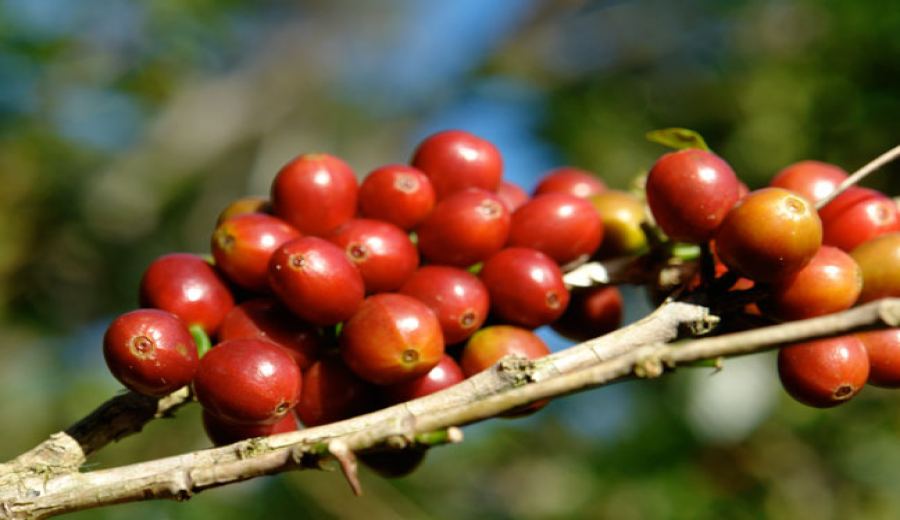
Introduction:La Esmeralda’s Geisha is hailed as the pinnacle of specialty coffee, but what exactly sets the Red Label, Green Label, and Blue Label apart? This article delves into the clear differences among the three grades in terms of origin, altitude, processing method, and flavor, while also offering practical pour over parameters to help you master the key insights from selection to brewing and truly appreciate the layered complexity of Geisha.
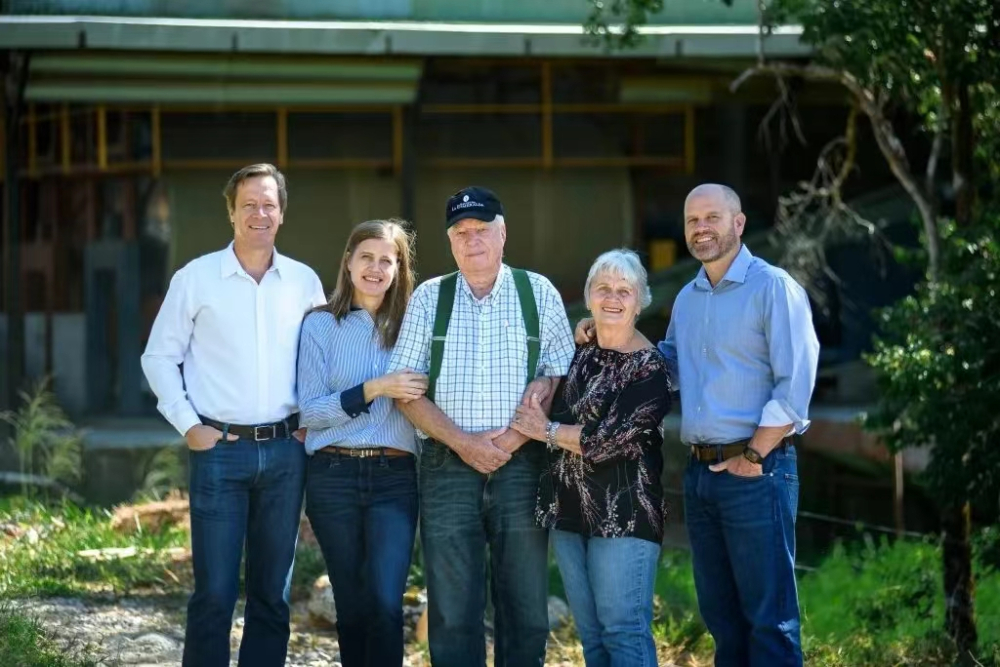
The Geisha (Geisha) coffee has long reigned at the top of the specialty coffee scene, and Panama’s La Esmeralda is the key force that brought this variety to the global stage. From an obscure Pamela farm to the sought-after specialty estate coveted by coffee enthusiasts worldwide, the history of La Esmeralda dates back to 1964. That year, American banker Rudolph Peterson purchased the farm, which was initially focused on dairy farming, until his son decided to abandon his medical career in 1987, return home to help manage the farm, and introduce the Caturra and Catuai varieties, gradually transforming its direction. In 1994, a washed processing facility was established, laying the foundation for future production of high-quality Geisha.
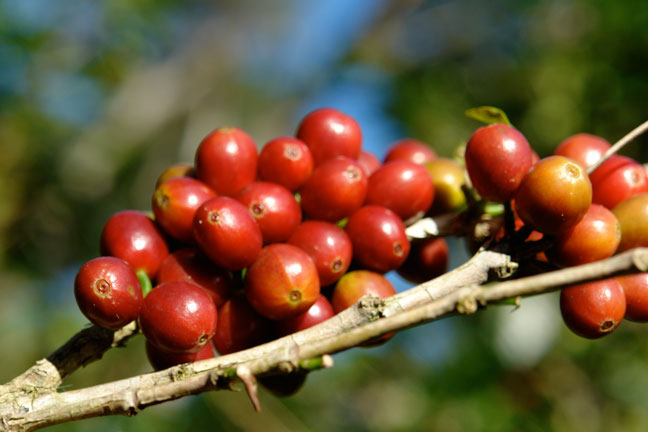
In 1997, the third-generation manager Daniel joined, just as the specialty coffee wave was rising. He delved deeply into cupping techniques and, in 2003, during his first tasting of the Geisha variety, discovered its extraordinary potential through rigorous altitude zoning and cupping. The following year, he sent a batch of Geisha exhibiting bright floral and fruity acidity characteristics to the Best of Panama competition, which won the championship in one fell swoop, kicking off the myth of La Esmeralda’s Geisha.
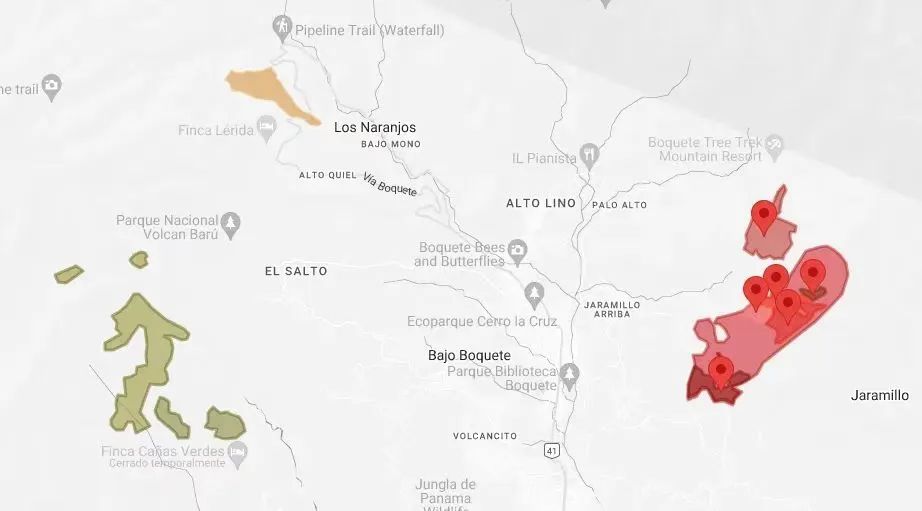
La Esmeralda also owns three important sub-farms: El Velo, Cañas Verdes, and Jaramillo, with the primary flavor sources of Geisha also concentrated in these higher-altitude micro-regions.
La Esmeralda’s Geisha is categorized into Red Label, Green Label, and Blue Label based on grade. The distinction between each grade lies not only in price but also in clear differences in origin, processing method, and flavor. The Red Label (Esmeralda Special) corresponds to the Esmeralda Special series, the Green Label (Private Collection) corresponds to the Private Collection, and the Blue Label (Geisha1500) corresponds to the Geisha 1500 series. This market classification makes it easier for consumers to understand the product positioning.
The beans of the Red Label Geisha all come from a specific single plot, such as the renowned Jaramillo plot, which is also the source of many auction lots. A certain well-known coffee brand’s Red Label Geisha is produced in the Cañas Verdes sub-farm of the Boquete region, at an altitude of over 1700 meters, using the natural (sun-dried) processing method, with a cupping score of over 90 points. This grade of Geisha often features bright fruit acids such as lemon, honey, berries, orange peel, and mango, paired with a creamy body and a citrusy finish, offering distinct layers—perfect for coffee lovers who prefer intense fruity flavors.
Although the Green Label Geisha does not indicate a single plot, it is still selected from the two high-altitude micro-regions of Jaramillo and Cañas Verdes, with altitudes ranging between 1600 and 1800 meters, maintaining equally high quality. This grade is usually a blend of batches, without publicly disclosing specific plot names, so its flavor shares some similarities with the Red Label, but overall presents a more balanced and refreshing profile. A certain well-known coffee brand’s Green Label Geisha also uses the natural processing method, sourced from the same area, with flavor descriptions including jasmine, ginger flower, citrus, lemon, green tea, and a creamy finish. The overall profile is more refreshing, suitable for those who enjoy delicate acidity and floral notes.
The Blue Label Geisha is the only one among the three grades that uses only the washed processing method. It selects Geisha grown at altitudes of 1400 to 1500 meters, spanning three major sub-farms. This grade was temporarily suspended from supply between 2019 and 2022, with the Geisha from this block later launched by an external brand as “Las Rocas” (Volcanic Rock Geisha). The Blue Label’s flavor tends to be softer, with clear but less intense acidity compared to the Red and Green Labels, making it suitable for coffee newcomers or consumers who prefer milder flavors.
In terms of processing methods, the Red and Green Labels are mostly sun-dried, though washed versions are also available, showcasing richer and more complex fruitiness and sugary sweetness; the Blue Label is exclusively washed, with a more restrained flavor, featuring soft and clear acidity, ideal for highlighting a clean base flavor.
Many coffee enthusiasts are curious about the actual drinking experience of Geisha. According to professional cupping and consumer feedback, the Red Label Geisha often delivers a rich tropical fruit profile upon entry, such as mango and pineapple, accompanied by pronounced floral notes and honey-like sweetness, with an overall silky-smooth mouthfeel and strong flavor persistence; the Green Label showcases a fresher citrus, lemon, and green tea aftertaste, with brisk yet non-aggressive acidity, suitable for a relaxing afternoon sip; the Blue Label exhibits mild fruit acidity and soft aromatics, with an overall balanced tone, making it suitable for pairing with light snacks or as a daily brew bean.
If you plan to brew Geisha yourself, it is recommended to use a medium-light roast to preserve its rich floral and fruity acidity. A certain well-known coffee brand’s suggested pour over parameters are as follows: use a V60 filter, control the water temperature at 92-93°C, use about 15 grams of coffee grounds, with a powder-to-water ratio of 1:15, and a grind size recommended to be 80% through a #20 sieve (close to medium-fine grind). During brewing, start with a 30-second bloom using 30 grams of water, followed by a second pour of 95 grams, then a third pour of 100 grams, with a total extraction time of about 2 minutes. These parameters can fully highlight Geisha’s delicate aromas and balanced sweet-and-acid profile.
In actual tests, the Red Label Geisha immediately emits a strong rose floral aroma upon grinding, with an entry reminiscent of tropical fruit tea, featuring a noticeable fruit flesh texture and an excellent sweet-and-acid balance; the Green Label showcases a fresher citrus and lemon profile, paired with a green tea-like aftertaste, delivering an overall refreshing and pleasant experience. No matter which grade you choose, as long as you master the correct processing method and brewing technique, you can experience the unique charm of Geisha, the “Queen of Coffee.”
The above content is compiled by CoffeeHunters, a coffee news website.


