







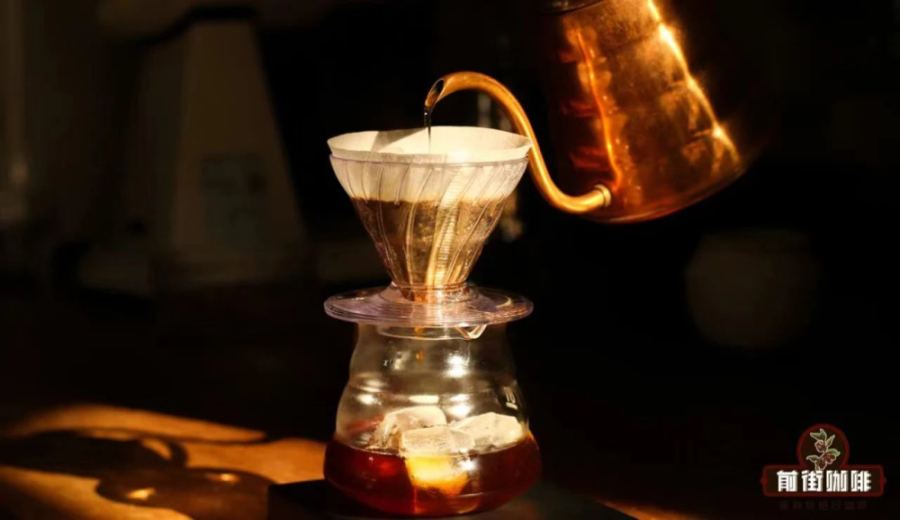
Introduction:Grind size is one of the core variables that affect coffee extraction efficiency and flavor expression, yet it often puzzles coffee enthusiasts. This article delves into everything from the resting period after fresh roasting, the extraction differences between fine and coarse grounds, to how to test the pass-through rate using a 0.85mm sieve. It also provides reference ranges for light, medium, and dark roasted beans, along with a practical guide on determining grind size based on brewing equipment when no sieve is available — helping you precisely master the key to extraction for every cup.
Whether your coffee grounds are ground coarse or fine directly affects the surface area in contact with water, thereby altering extraction time and the final flavor profile in the cup. But finding the optimal grind size is a common challenge for many coffee beginners. This article will take you from the resting stage, helping you understand how freshly roasted beans impact grind performance, then gradually analyzing how different grind sizes influence flavor, and teaching you how to use a 0.85mm cupping sieve for calibration to find the best pass-through rate. Finally, it also offers reference values for light, medium, and dark roasted beans, and even shows you how to determine the appropriate grind size based on your brewing device — even without a sieve.
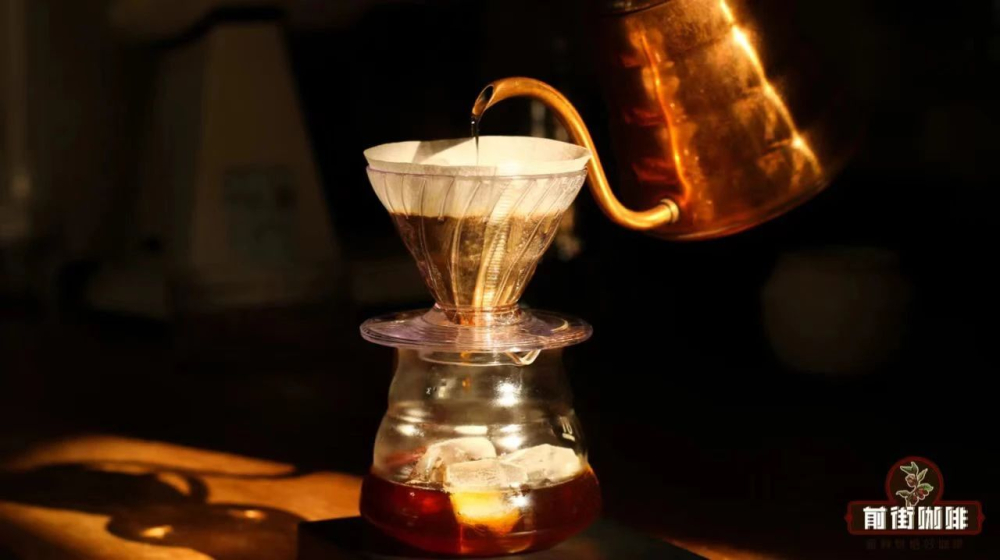
The coarseness or fineness of coffee grounds determines the total surface area exposed to water, as well as the time it takes for water to penetrate through the coffee bed. These two factors combined significantly alter extraction efficiency and flavor presentation. However, many people adjust grind size based on intuition, leading to unstable extractions or imbalanced flavors. So how do you adjust to the most suitable grind size according to the characteristics of different coffee beans?
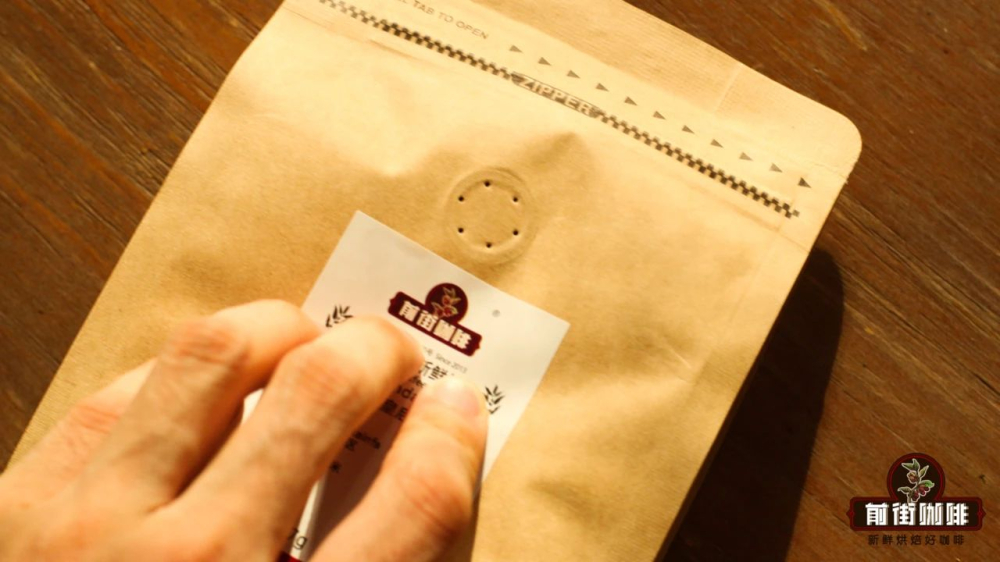
First, you must confirm whether the coffee beans you have are in their optimal roasted state. Whether you choose single-origin beans or espresso blends, pay attention to whether the packaging has a one-way degassing valve and a clear roast date. This small button-like valve allows carbon dioxide released after roasting to escape while preventing external oxygen from entering, thus slowing down flavor loss. Generally, upon receiving the beans, it’s recommended to observe the roast date and let the beans rest for 3 to 7 days. Especially for light to medium roasted beans, a rest period of 3 to 4 days is advised; for medium to dark roasted beans, 4 to 5 days is suggested, allowing enough CO₂ to release for more stable extraction performance.
The freshness of coffee beans not only affects the release of carbon dioxide but also directly determines the expression of aroma and flavor. Aromatic compounds that make up the aroma are mostly small molecules, which are more volatile than the large molecules that produce bitterness. Therefore, the longer coffee beans sit, not only does the carbon dioxide decrease, but the aroma also gradually dissipates, ultimately affecting the overall flavor layers of the extraction. If the beans are no longer fresh, even adjusting the grind size can hardly salvage the flavor performance.
So, how does grind size affect coffee flavor? Simply put, under the same coffee-to-water ratio, the finer the grind, the larger the surface area of the coffee particles, increasing the area in contact with water and thereby improving extraction efficiency. At the same time, the shorter path water takes through fine particles makes it easier to extract flavor substances, but it can also lead to over-extraction, resulting in increased bitterness and astringency. Conversely, when the grind is coarser, the contact area between water and coffee grounds is smaller, extraction time is shortened, fewer flavor substances are released, and the taste can easily become thin and lack complexity.
What problems can overly fine grinding bring? When coffee particles are too small, the gaps between them shrink, slowing down water flow and extending extraction time. At the same time, due to the large contact area, water more easily extracts high concentrations of substances, including excessive bitterness and astringency, causing an unbalanced overall flavor — intense but not refreshing.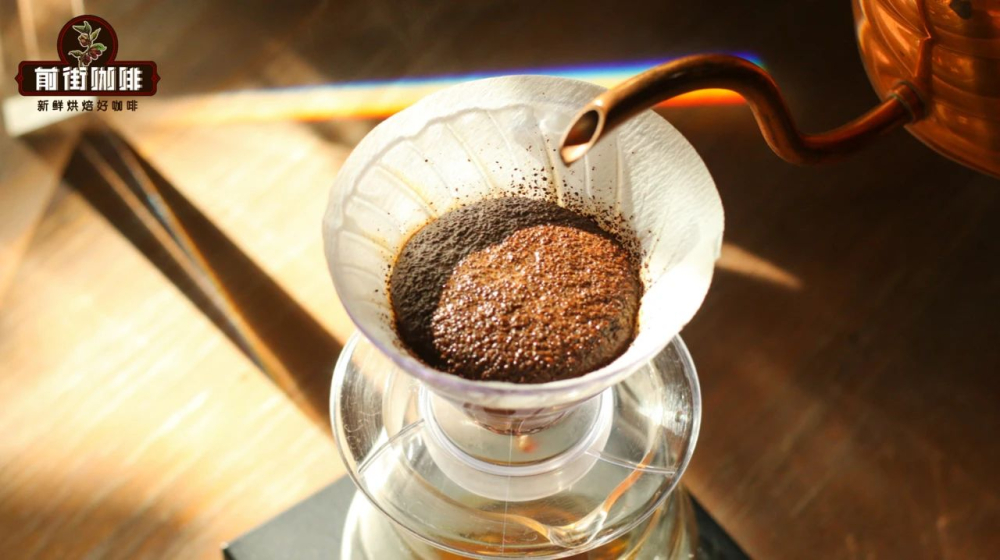
On the other hand, when the grind is too coarse, the gaps between particles are larger, allowing water to pass through quickly, resulting in too short an extraction time and insufficient extraction of flavor substances. Such coffee often tastes weak, with acidity overly prominent but lacking sweetness and body, resulting in an overall dull performance.
So, how can you accurately determine grind size? One practical method is to use a 0.85mm cupping sieve to test the pass-through rate. Take about 10 grams of coffee beans, roughly grind them to your target grind size, pour them into the sieve to filter, and observe the amount of coffee grounds left on the sieve to calculate the pass-through rate. Based on experience, the ideal pass-through rate ranges for different brewing methods are as follows: cold drip > pour over, siphon 80% > moka pot, drip coffee 75% to 80% > cupping 70% to 75% > French press 65% to 70%. It is recommended that for beans of different roast levels, you can refer to the following values: light roasted beans use a pass-through rate of 80% to 85%, medium roasted beans 70% to 75%, dark roasted beans 65% to 70%. Of course, these values are for reference only and can be fine-tuned according to personal taste.
If you don’t have a sieve, you can also determine the appropriate grind coarseness based on the brewing equipment you use daily. Generally, coffee grind sizes can be divided into five types: extra fine, fine, medium-fine, medium, and coarse.
Extra fine grind is suitable for espresso preparation, such as moka pots or espresso machines. These brewing methods require high-pressure hot water to pass through a compact coffee puck, so the grind needs to be very fine and uniform to ensure sufficient resistance during extraction, bringing out rich crema and concentrated flavors.
Fine grind is suitable for drip bags. Since drip bags mainly rely on paper filters and lack the flow-reducing design of pour over filters, a slightly finer grind is needed to increase the extraction surface area and ensure full release of flavor substances.
Medium-fine grind is suitable for pour over brewing of light to medium roasted coffee, approximately the size of fine sugar granules, with a pass-through rate typically between 75% and 80%. This grind size can better balance acidity and sweetness, especially suitable for bright and acidic light roasted beans.
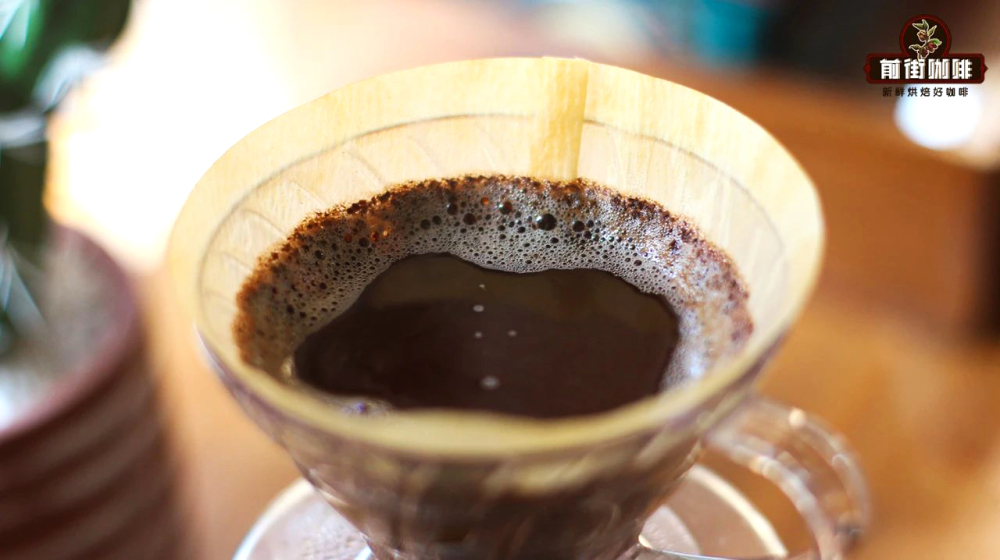
Medium grind is suitable for medium to dark roasted coffee, with particle size similar to coarse sugar, and a pass-through rate of about 70% to 75%. This grind size helps avoid over-extraction during the initial stages of pouring due to unstable water flow, while reducing the production of fine particles to maintain a clean and balanced mouthfeel.
Lastly, coarse grind is suitable for French press. Since the French press uses a metal filter and involves a longer steeping time, using coarse particles prevents too many fine particles from seeping into the coffee liquid, while allowing flavors to release slowly, resulting in a fuller, lower-acidity mouthfeel.
The above content is compiled by CoffeeHunters, a coffee news website.


