







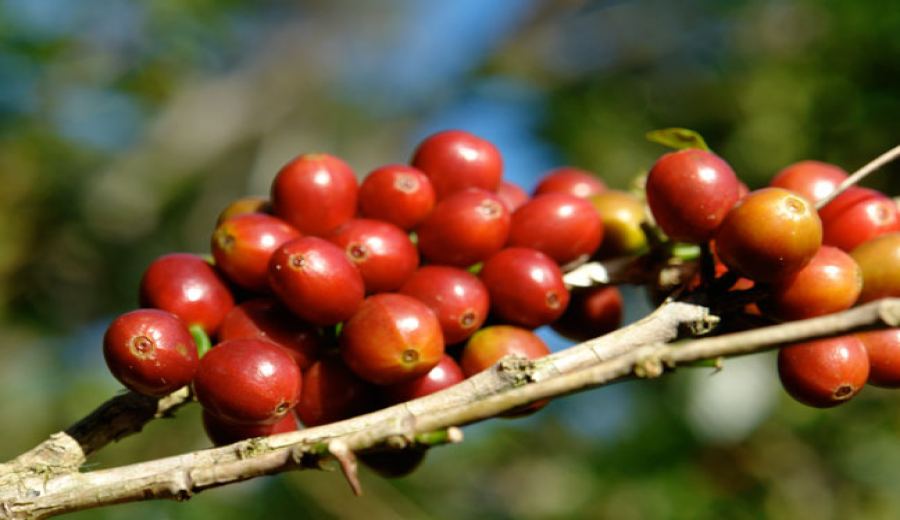
Introduction:Want to understand what the Red Label, Green Label, and Blue Label on Panamanian Geisha coffee from Hacienda La Esmeralda represent? This article will take you from the historical origins of Hacienda La Esmeralda, the distribution of its three major plots, to the classification logic behind the Red, Green, and Blue Labels, their flavor profiles, and suitable brewing methods—offering an in-depth analysis of this legendary bean in the specialty coffee world. Whether you’re a newcomer or a seasoned coffee enthusiast, you’ll gain practical tips for selection and extraction.
Geisha (Geisha) coffee has long been ranked among the top varieties in the global specialty coffee scene, thanks to its unique floral aroma, complex fruitiness, and delicate balance of acidity and sweetness. The fame of Geisha was propelled to new heights by Panama’s Hacienda La Esmeralda. The estate’s Red Label, Green Label, and Blue Label Geishas not only represent different grades and growing regions, but also embody diverse flavor potentials. This article will detail the background of the estate’s three sub-farms, the grading criteria and unique characteristics of the Red, Green, and Blue Labels, and provide professional pour over recommendations and parameter references.
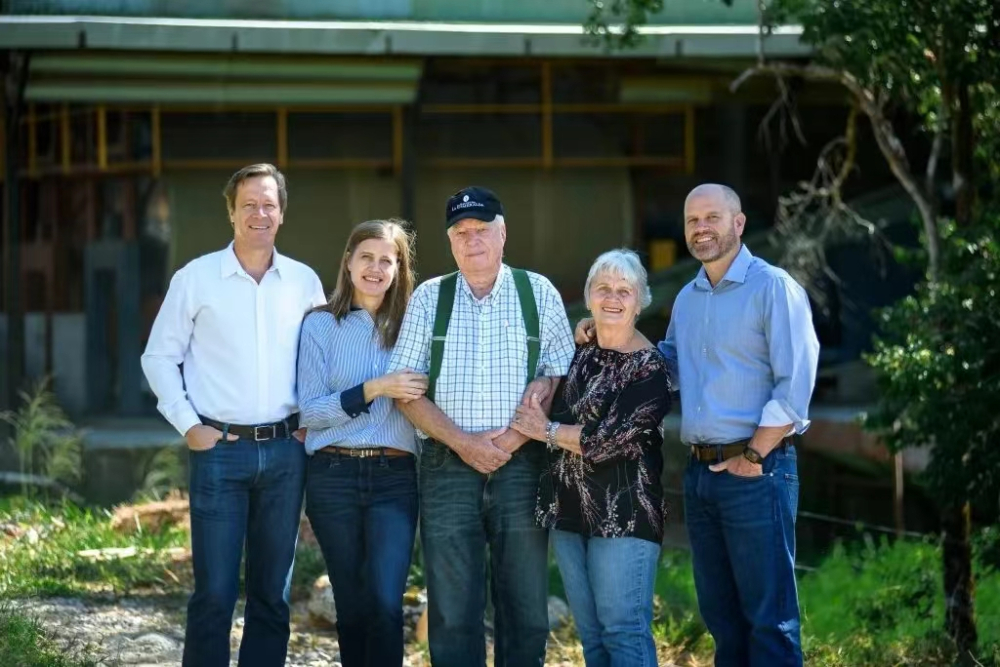
 The history of Hacienda La Esmeralda dates back to 1964, when American banker Rudolph A. Peterson purchased the Panamá Farm after retirement, initially focusing mainly on dairy farming. It wasn’t until his son gave up his medical career to return home and assist with management, and introduced the Caturra and Catuaí varieties in 1987, that the farm officially transitioned to coffee cultivation and was renamed “Hacienda La Esmeralda.” After establishing a washed processing facility in 1994, the production model became more stable, laying the foundation for its future specialty coffee path.
Starting in 1997, the third-generation owner Daniel Peterson took over operations, just as the global specialty coffee movement was gaining momentum. He honed his cupping skills, and in 2003, he cupped the Geisha variety for the first time, zoning the tree varieties according to altitude. In the following harvest season, a batch of Geisha exhibiting distinct floral notes and fruity acidity was sent to the “Best of Panama (BOP)” competition, where it won top honors with extremely high scores, thereby establishing the legendary status of Hacienda La Esmeralda’s Geisha.
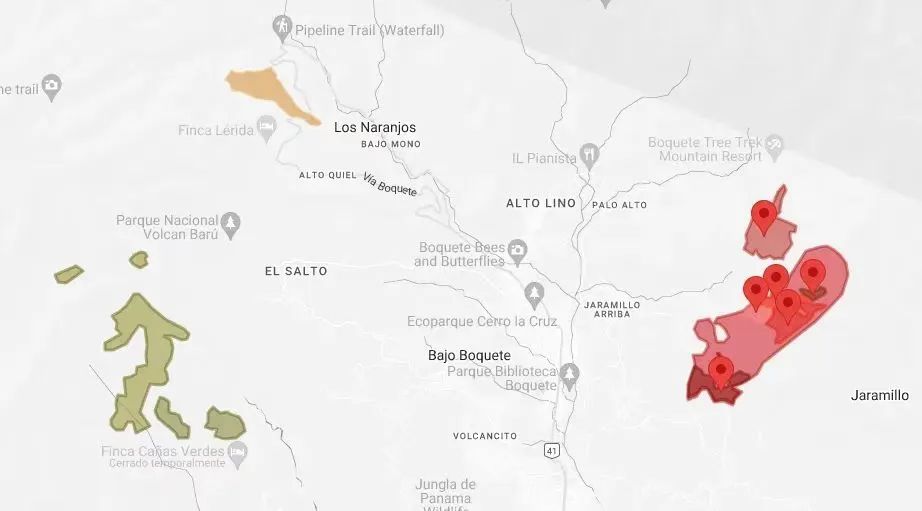
 Hacienda La Esmeralda oversees three main sub-farms: El Velo, Cañas Verdes, and Jaramillo. The altitude, microclimate, and soil conditions of these blocks became key factors in the subsequent classification of the Red, Green, and Blue Labels.
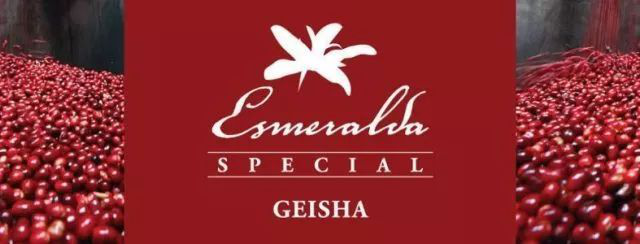
The grading system of the Red Label, Green Label, and Blue Label originates from a certain well-known coffee estate’s detailed classification of Geisha-growing blocks. Simply put, the Red Label corresponds to “Esmeralda Special,” the Green Label to “Private Collection,” and the Blue Label to “Geisha1500.” The Red Label includes both auction and non-auction lots, and its most distinctive feature is that each batch comes from a specific single plot—for example, the commonly seen Jaramillo plot—with extremely high information transparency. A certain shop once sold a Red Label Geisha sourced from this area, grown at an altitude exceeding 1700 meters and processed using the natural method, showcasing intense tropical fruit and citrus notes.
Although the Green Label Geisha does not participate in independent competitions, it also comes from high-altitude micro-lots (1600–1800 meters) in Jaramillo and Cañas Verdes, but without indicating specific plots. Instead, beans from multiple areas are blended during processing, so the flavor still retains the classic characteristics of Geisha, such as jasmine aroma and the bright acidity of citrus and berry fruits. The Blue Label is selected from Geisha grown at altitudes of 1400–1500 meters, covering all three sub-farms, and is only available in washed processing. It’s worth noting that between 2019 and 2022, due to brand strategy adjustments, the Blue Label Geisha was temporarily discontinued, with some similar products launched by external brands, commonly referred to as “volcanic rock Geisha” or “Las Rocas.”
 The Red Label and Green Label offer both natural and washed processing methods, while the Blue Label is only available in washed. Generally speaking, the Red Label features intense and bold flavors, complex layers, and rich sweetness; the Green Label, though slightly less prominent than the Red Label, still possesses the classic jasmine and citrus juice-like characteristics of Geisha, with a long-lasting aftertaste; the Blue Label exhibits softer fruit acidity and clearer floral notes, making it suitable for those who prefer a cleaner taste profile.
In actual tasting, the Red Label Geisha often presents notes of lemon, honey, berries, orange peel, mango, and a creamy mouthfeel, while the Green Label focuses on jasmine, ginger flower, citrus, lemon, and green tea aromas, with brighter acidity. The Blue Label, though more limited in processing methods, still has recognizable traits with its gentle acidic fragrance and fruit character.
If you’d like to explore different flavors of Geisha, consider trying various Panamanian Geishas offered by a certain coffee brand online, including Red Label, Green Label, and Costa Rican strawberry sugar blends, to experience the unique charm of each producing region and processing method.
In terms of brewing, since Geisha is a high-altitude hard bean, medium-light roasting is generally recommended to highlight its delicate floral and fruity acidity layers. A certain roasting brand adjusts roast levels based on different batches, but the focus remains on developing “floral and fruity notes.” It is recommended to use a V60 filter cone, with water temperature controlled at92–93°C, which helps release more aromatic compounds, especially suitable for natural-processed lots with pronounced acidity.
Specific parameters are as follows: coffee dosage15 grams, brew ratio1:15, grind size is80% through a #20 sieve. The brewing steps recommend proceeding in stages: first, place the ground coffee into the filter paper, pour30 grams of water for a 30-second bloom, then gently circle with a small stream of water from the inside out; next pour95 grams of water, wait for the water level to drop, then pour100 grams of water, with total extraction time controlled atapproximately 2 minutes, with an error margin of no more than 10 seconds.
A side-by-side comparison of natural and washed Geisha shows that the former immediately emits a strong rose aroma upon grinding, with tasting notes of mango and tropical fruits, and a velvety mouthfeel like floral fruit tea; the latter offers a cleaner flavor profile, with distinct jasmine and citrus, balanced acidity and sweetness, and a green-tea-like refreshing aftertaste.
The above content is compiled by CoffeeHunters, a coffee news website.


