








Introduction:Jamaica Blue Mountain coffee is world-renowned for its unique flavor and high price, but the so-called "Blue Mountain-flavored" coffee commonly found in the market often falls short of expectations. This article delves into the origin regions, grading system, and barrel packaging identification of authentic Blue Mountain coffee. It also explores everything from processing methods and roast profiles to pour over parameters, offering a comprehensive understanding of its flavor profile and the correct way to select it—helping you avoid spending money on imitations.
There is a world of difference between Blue Mountain coffee and Blue Mountain-flavored coffee, despite the similarity in name. Authentic Jamaica Blue Mountain coffee is grown exclusively in specific areas of the Blue Mountains at elevations above 1,000 meters. Not only is its production limited, but its unparalleled geographical and climatic conditions also create an irreplaceable coffee flavor. In contrast, many commercially available products labeled as "Blue Mountain-flavored" may not contain any genuine Blue Mountain beans at all, relying instead on blends and flavoring to mimic the taste.
When selecting Jamaica Blue Mountain coffee, consumers often face two major misconceptions: first, some merchants use dark roasts or beans from other regions to produce a taste similar to Blue Mountain, yet label it as "Blue Mountain-flavored coffee"; second, there's the outdated belief that "all Blue Mountain coffee is bought by Japan, making it hard to find genuine products on the market." In reality, with the growing demand in the Chinese market, authentic Jamaica Blue Mountain coffee has been imported through official channels in recent years. As long as you have the ability to identify the real deal, it’s still possible to purchase genuine product.
The history of Jamaica Blue Mountain coffee dates back to the early 18th century. In 1717, King Louis XV of France ordered the planting of coffee in the region. By the mid-1720s, Governor Sir Nicholas Lawes introduced Arabica coffee from Martinique and promoted its cultivation in the St. Andrew area, gradually expanding into the Blue Mountains. Blue Mountain coffee is divided into three main categories: Jamaica Blue Mountain coffee, Jamaica High Mountain coffee, and regular Jamaica coffee. Among them, Blue Mountain coffee is considered top-tier due to its cultivation at elevations between 1,000 and 1,700 meters.
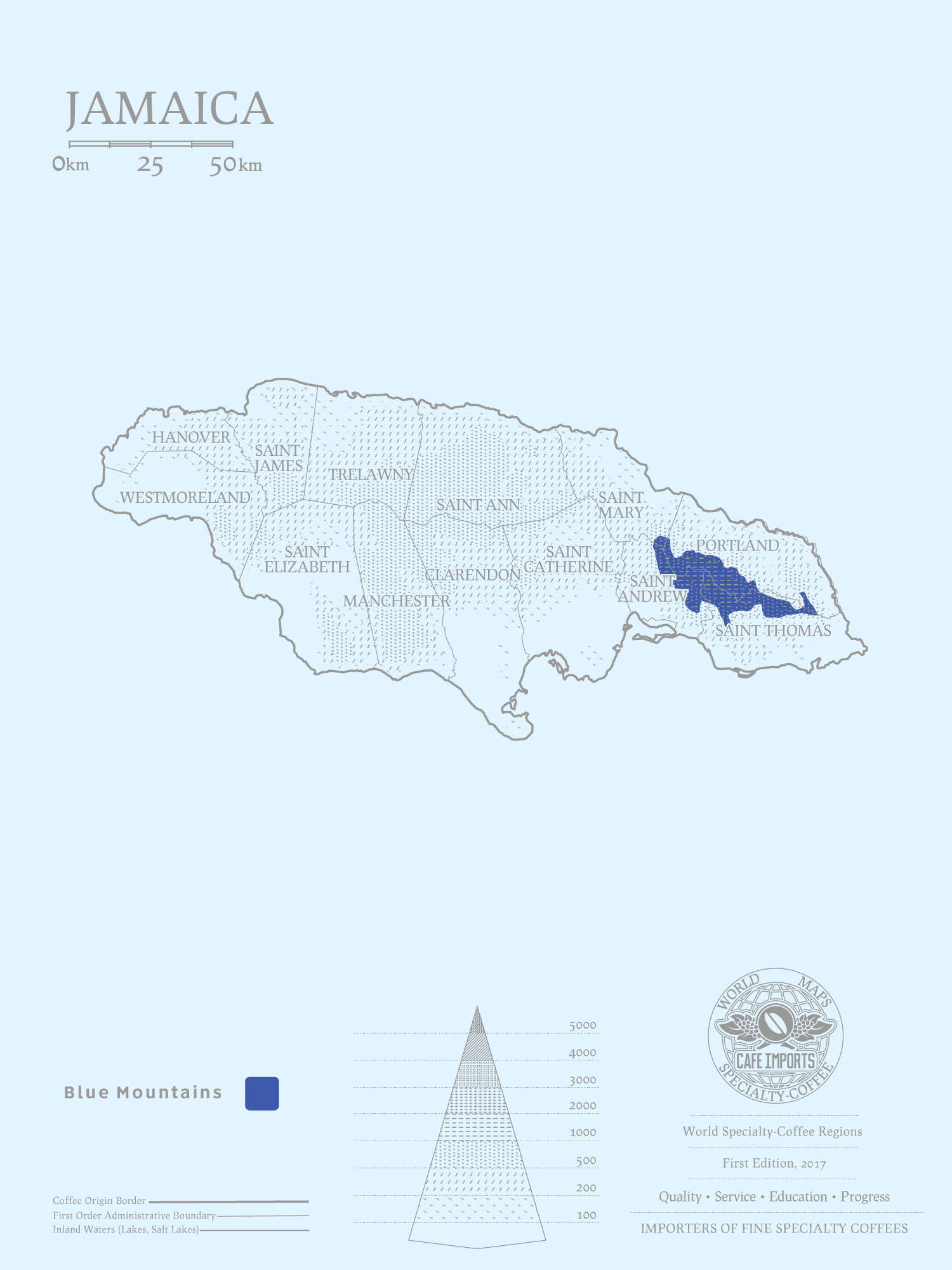
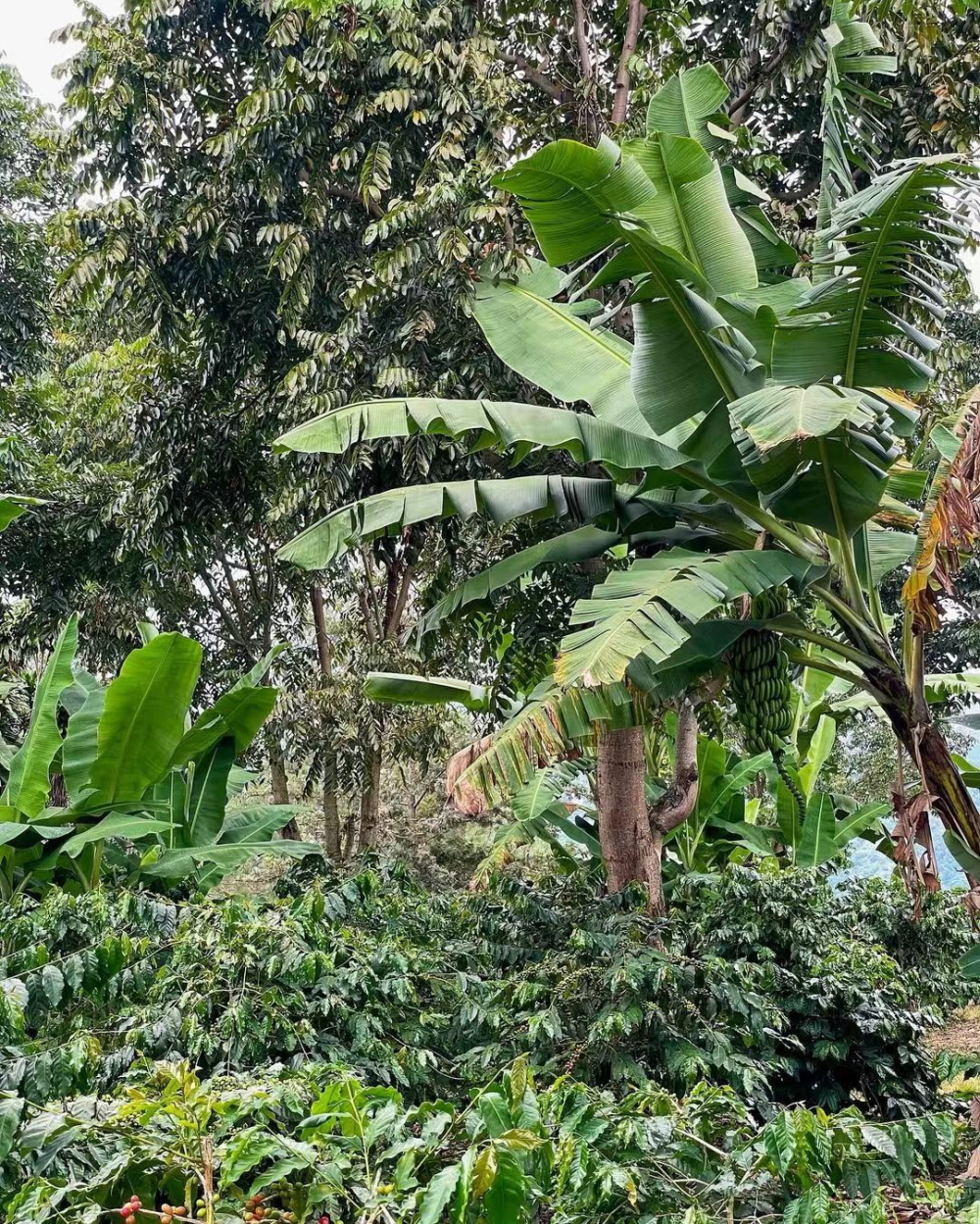
The Blue Mountains are located in eastern Jamaica, with the highest peak reaching 2,256 meters, making it the tallest point in the Caribbean. Surrounded by the blue ocean, the mountaintops take on a captivating blue hue under sunlight, hence the name "Blue Mountains." The region boasts fertile volcanic soil, high humidity, and a misty environment, with annual precipitation of about 1,980 mm and stable day-night temperature differences, providing nearly perfect growing conditions for coffee trees. It's worth noting that due to the rugged terrain, harvesting is mostly carried out by skilled women who carefully pick only perfectly ripe coffee cherries to ensure consistent and excellent final flavors.
The grading system of Jamaican coffee is primarily based on altitude and bean shape: Jamaica Blue Mountain coffee, Jamaica High Mountain coffee, and regular Jamaica coffee. Within these, Jamaica Blue Mountain coffee is further divided into NO.1, NO.2, NO.3, and Peaberry (PB). Only coffee beans grown at elevations between 1,000 and 1,700 meters can be called "Jamaica Blue Mountain coffee." Among them, NO.1 is the highest grade, featuring large beans, a defect rate below 2%, and the most balanced acidity, sweetness, bitterness, and aromatic profile. Peaberry (PB), which makes up only a tiny portion of the yield, is also considered a premium grade.
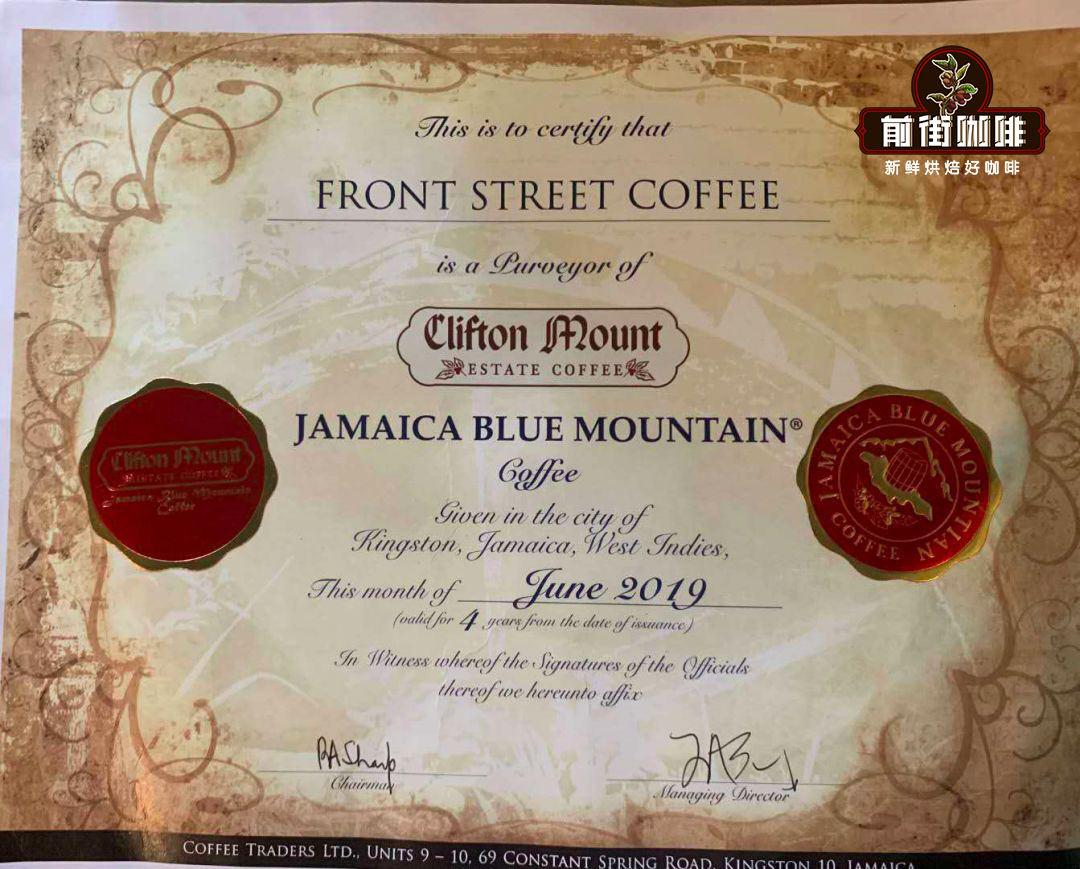
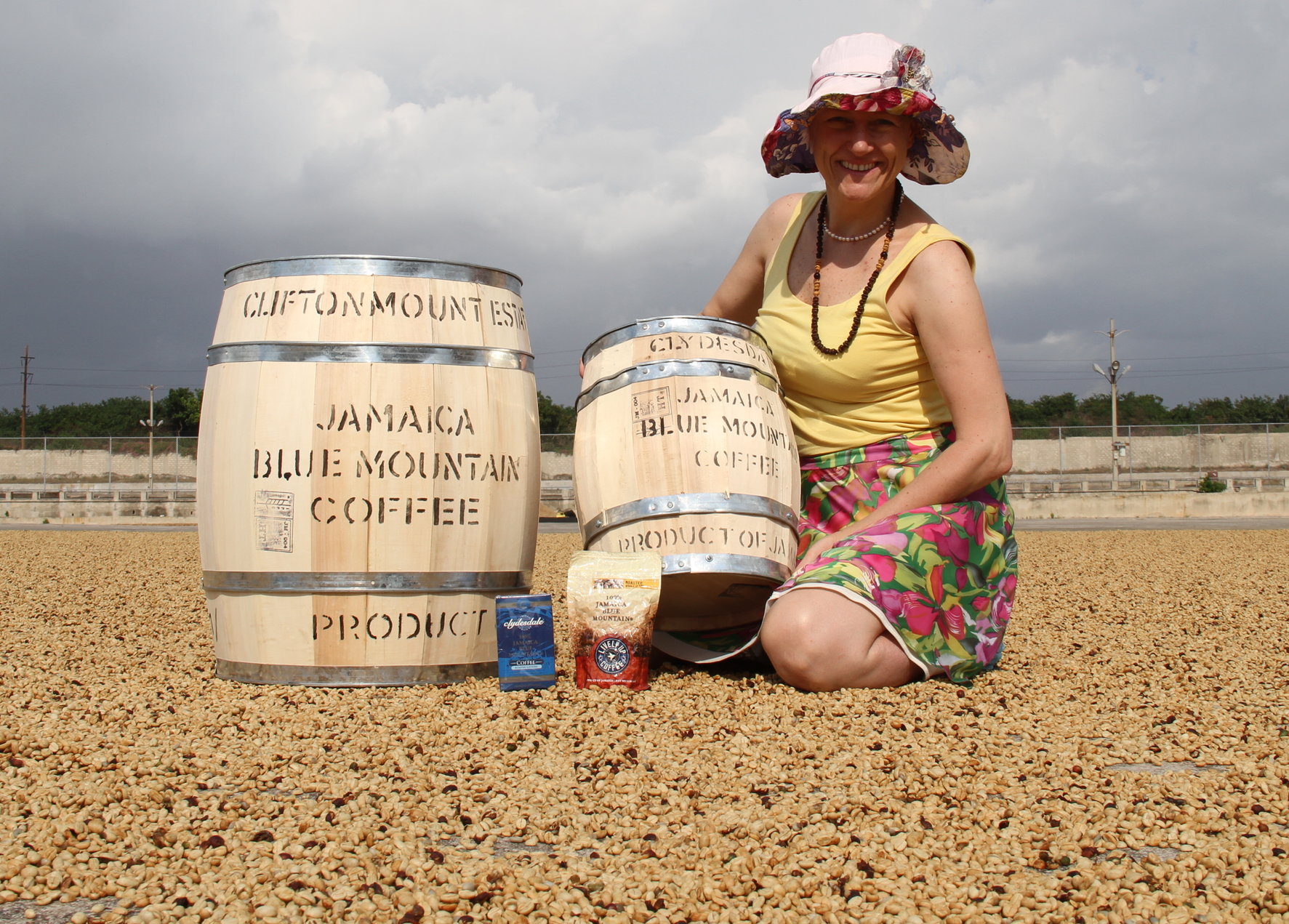
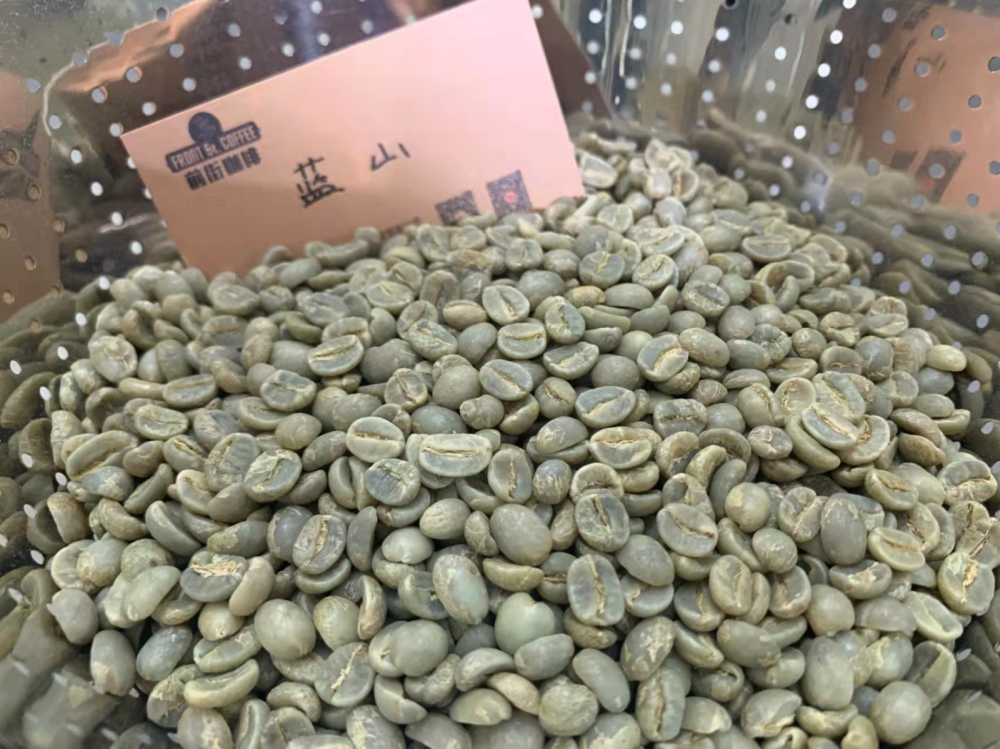
To identify genuine Jamaica Blue Mountain No. 1 coffee, several aspects can be considered:AppearanceWashed Blue Mountain green beans appear bluish-green in color, with a medium-to-small shape, and become plump and swollen after roasting;Hand-grinding feelThanks to their high-altitude growth, the cellular structure is loose, resulting in a crisp, smooth tactile sensation;AromaIs rich and full-bodied—a quality difficult for ordinary blends to replicate;FlavorIs characterized by a balanced profile without any extreme dominance, which is the most distinctive trait of Blue Mountain beans. Additionally,Jamaica is the only producing region in the world that uses wooden barrels for green bean packagingOfficially imported Blue Mountain coffee barrels bear a green frog emblem and come with a certification issued by the Jamaica Coffee Industry Board—key indicators for authenticity.
In terms of processing, traditional Jamaica Blue Mountain coffee mostly employs the washed method, using fermentation and water washing to remove the pulp and mucilage, followed by prolonged drying and screening to ensure clean beans with pure flavor. Recently, some estates have introduced officially certified natural (sun-dried) processed Blue Mountain coffee, offering consumers a different flavor option. The natural process imparts a richer fruity aroma and fermentation complexity, appealing to those who enjoy more intense taste profiles.
For roasting, medium roasts are generally preferred to preserve the delicate acidity, sweetness balance, and complex layers of Blue Mountain coffee. Both washed and natural Blue Mountain coffees are roasted with carefully controlled profiles to avoid over-extraction and flavor loss. In cupping evaluations,natural Blue Mountain highlights nutty and woody notes, with fruity, fermented sensations, and a tea-like finish upon entry;washed Blue Mountain showcases black chocolate, nuts, and a creamy, silky mouthfeel, with well-balanced acidity, sweetness, and bitterness—a true representation of the classic Blue Mountain flavor.
During actual brewing, it is recommended to use freshly roasted beans (ideally within 5 days post-roast) with a 4 to 7-day rest period to fully express their flavor potential. A Kono filter cone is recommended, along with a water temperature of 88°C, a 1:15 coffee-to-water ratio, and a grind size adjusted to achieve a 70–75% extraction through a #20 sieve. Use a three-stage pouring method: start with a 30g bloom for 30 seconds, then pour to 125g and pause, wait for the liquid level to drop, then pour to 225g to complete extraction, with a total brew time of about 2 minutes. These parameters help prevent over-extraction under low water temperature and slow flow rate, while fully releasing the nuanced flavors of Blue Mountain coffee.
In summary, the high price of Jamaica Blue Mountain coffee is attributed not only to its limited production and stringent growing conditions, but also to its irreplaceable flavor characteristics and rigorous grading system. When purchasing, consumers should pay attention to regional certification, wooden barrel packaging, grade labeling, and flavor traits to truly appreciate the unique charm of this world-class coffee.
The above content is compiled by CoffeeHunters, a coffee news website.


