







Introduction:Jamaican Blue Mountain Coffee is one of the world’s top-tier coffees, grown in the high-altitude regions of Jamaica’s Blue Mountains. This article delves into its growing environment, variety characteristics, processing methods, and market distribution, while also providing a detailed analysis on how to effectively identify genuine products versus counterfeits through three key factors: export companies, wooden barrel packaging, and official certification. Additionally, it offers a market price reference for Blue Mountain Coffee to give you a more comprehensive understanding of this legendary brew.
The official English name for Blue Mountain Coffee is Blue Mountain Coffee, originating from the high-altitude areas of Jamaica’s Blue Mountains and renowned as one of the most esteemed coffees globally. This article not only introduces the origin, historical background, variety traits, and processing techniques of Blue Mountain Coffee, but also takes you through its global market distribution. More importantly, it teaches you how to correctly distinguish authentic Blue Mountain coffee beans through three core elements—export companies, wooden barrel packaging, and official certification—while helping you avoid purchasing counterfeit products. Furthermore, the article covers market prices and purchasing advice for Blue Mountain Coffee to assist coffee enthusiasts in making more informed choices.
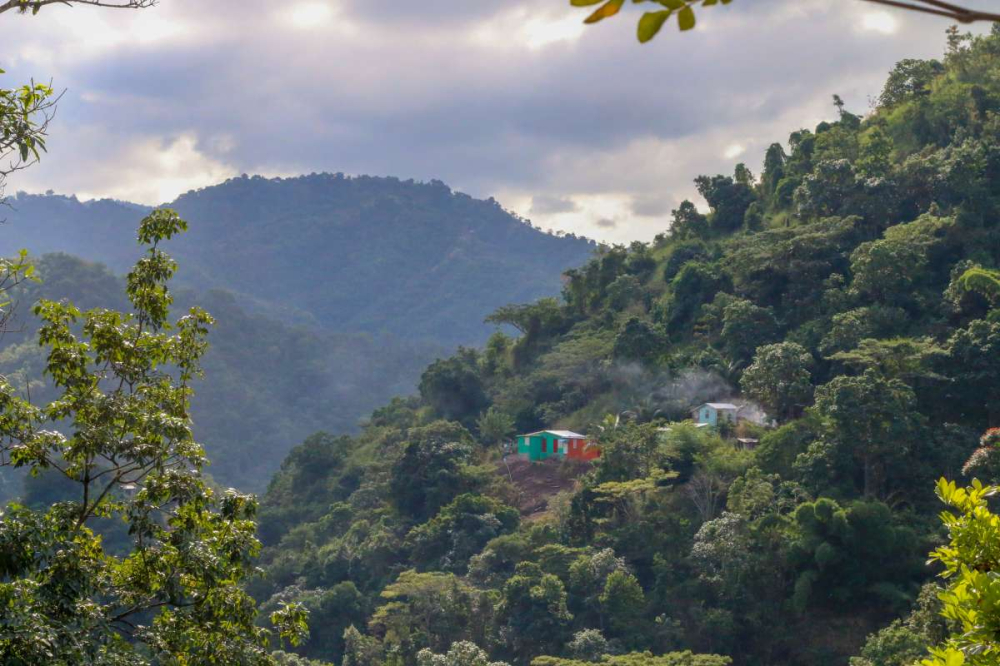
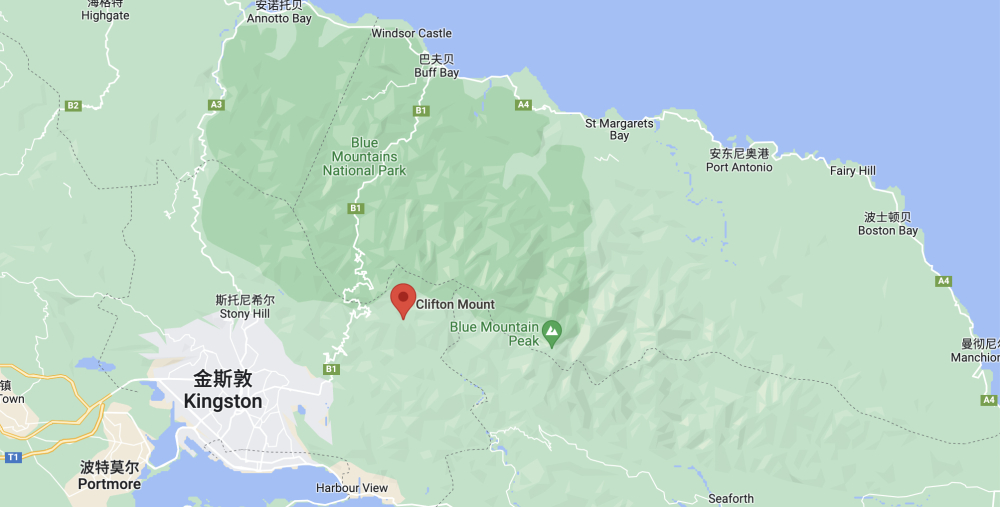
The Blue Mountain Coffee growing region is located in the Blue Mountains of eastern Jamaica, situated along the Caribbean coast, and is named for the blue haze that the mountain peaks reflect over the sea. This area lies within a seismic zone, featuring fertile volcanic soil, along with year-round humidity and frequent fog. With an average annual rainfall of about 1,980 mm and an average temperature of around 27°C, this unique environment gives rise to the exceptional flavor profile of Blue Mountain Coffee, also making it one of the world’s most expensive coffees after civet coffee.
Jamaican Blue Mountain Coffee is primarily divided into two grades: Jamaica Blue Mountain and Jamaica High Mountain Supreme. Among them, Blue Mountain Coffee must be grown at elevations above 910 meters (approximately 3,000 feet), and can only be processed by four legally designated estates certified by the Jamaica Coffee Industry Board (CIB) to bear the authentic title of “Blue Mountain.”
Blue Mountain Coffee is mainly cultivated from the Typica variety, which was introduced in the 18th century. Due to Jamaica’s long-term limited external contact, it successfully avoided the global coffee leaf rust epidemic that swept the world in the 19th century, allowing this pure Typica strain to be preserved to this day. In addition, Jamaica was also one of the first regions in the world to adopt modern washed processing methods. This technique significantly enhances the cleanliness and flavor expression of the coffee, and is one of the key factors contributing to the smooth, sweet-and-acid balanced characteristics of Blue Mountain Coffee.
To identify genuine Blue Mountain coffee beans, the first thing to check is their export origin. According to regulations, authentic Blue Mountain Coffee must be exported by authorized export companies designated by Jamaica’s national coffee agency. Historically, most Blue Mountain Coffee was monopolized by Japan—of the 688 tons exported by Jamaica in 1992, all 688 tons went to the Japanese market, compared to just 75 tons to the United States and 59 tons to the United Kingdom. However, since policy changes in 2005 encouraged direct coffee circulation to consumer countries, China has gradually become an important importing nation. For instance, Blue Mountain beans from farms such as Clifton Mount Estate and Silver Hill Estate are now entering the Chinese market in large quantities.
Secondly, Blue Mountain Coffee is the only coffee-growing region in the world that ships green beans in wooden barrels. Coffee beans from other regions are typically transported in jute sacks, but to maintain its unique quality and aroma, Blue Mountain Coffee has used wooden barrels made from recycled flour barrels imported from Britain since the colonial era. Nowadays, these barrels are mostly made from temperate hardwoods in the United States, which help isolate odors and preserve the original flavor of the coffee beans.
Lastly, certification documents are a crucial basis for determining the authenticity of Blue Mountain Coffee. Authentic Blue Mountain Coffee must have the following three certifications: a quality certificate issued by the Jamaica Coffee Board (CIB); an authorized sales certificate issued by a legal processing producer or authorized exporter; and a certificate of origin. When purchasing, it is advisable to confirm with the seller whether the original wooden barrel, relevant certificates, and origin from one of the four CIB-approved statutory estates—such as Wallenford, Jablum, Silver Hill, or Moy Hall—are included. Coffee products from these estates will clearly indicate the name of the processing estate on the packaging.
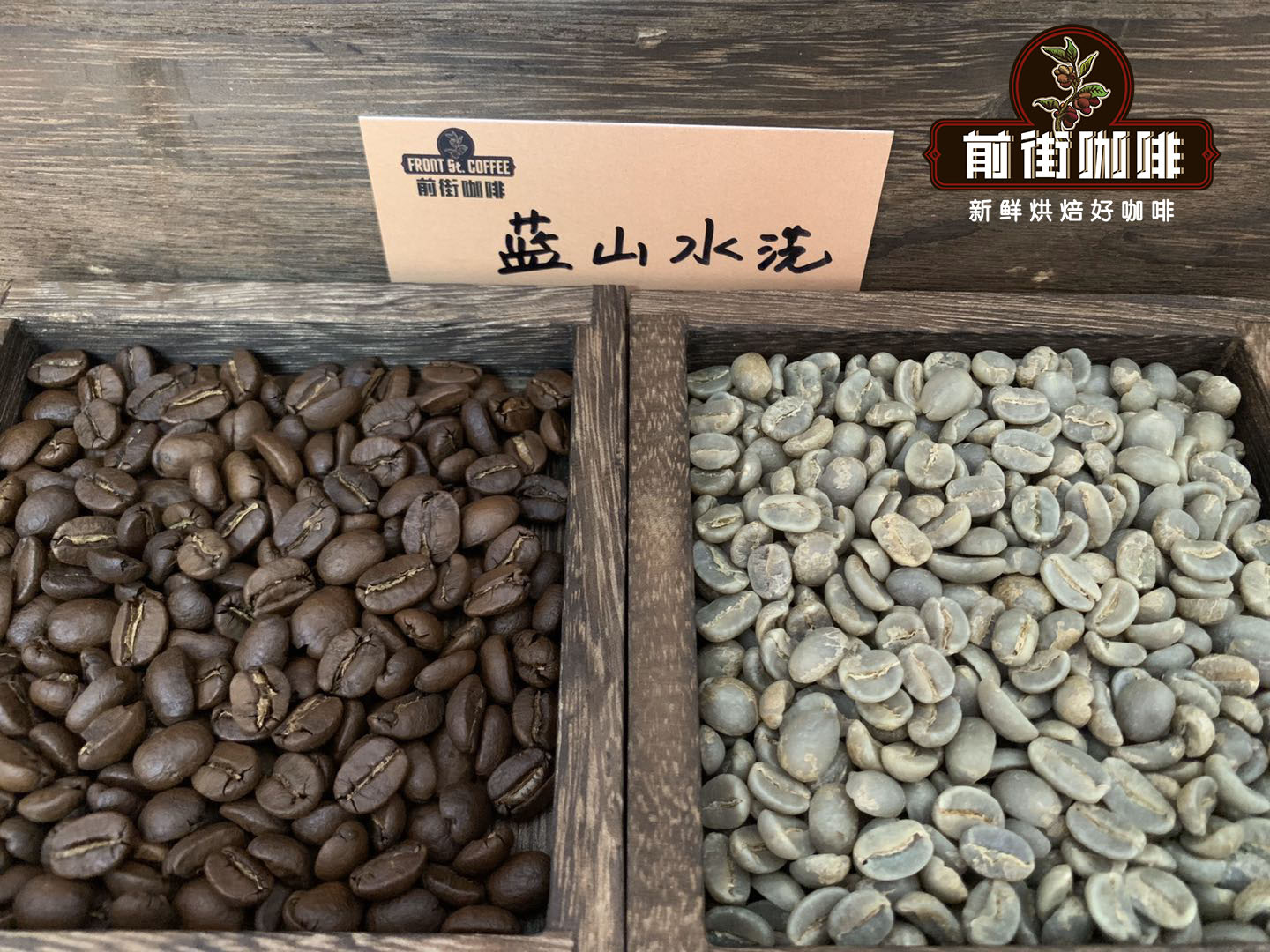
Regarding pricing, Blue Mountain Coffee belongs to the high-price market segment, but compared to the recently emerged Geisha coffee, its price remains relatively reasonable. Taking common market retail prices as an example, the roasted bean price for Jamaican Blue Mountain No. 1 is approximately 158 yuan / 100 grams, which is still more affordable compared to some well-known Geisha coffees. If you’re enjoying it at a café, the price for a cup of Blue Mountain pour over is usually around 60 yuan. Though not cheap, it remains attractive to coffee enthusiasts seeking top-tier flavor.
In summary, Blue Mountain Coffee is not only a gift of geography and climate, but also the result of strict quality control, traditional craftsmanship, and the interplay of international market supply and demand. From the region’s unique environment and rigorous grading system to the multiple checkpoints in export, packaging, and certification, every step ensures the nobility and rarity of Blue Mountain Coffee. If you wish to experience the true charm of Blue Mountain Coffee, remember to grasp the identification points mentioned above, so you can truly savor the ultimate flavor from the heights of Jamaica’s Blue Mountains.
The above content is compiled by CoffeeHunters, a coffee news website.


