








Introduction:Both drip-bag coffee and pour-over coffee are drip extraction methods, but they differ in operation, suitable scenarios, and details in brewing. This article delves into the production process, grind size, and optimal water temperature for drip-bag coffee, compares it with pour-over, and introduces the characteristics of common drip-bag coffee varieties along with practical brewing tips — helping you brew a richly layered single-origin coffee even with simple tools.
What’s the difference between drip-bag coffee and pour-over coffee? The original intention behind drip-bag coffee was to allow fans of single-origin coffee to easily brew a flavorful cup at home or in the office, even without professional pour-over equipment. Though it also falls under the drip extraction category, there are many nuances in its production process, grind size, and brewing method that are worth exploring. This article will break down everything from the extraction principles and popular varieties of drip-bag coffee to water temperature control, pouring techniques, and shelf life, so you can better appreciate this convenient yet flavorful form of coffee.
What is drip extraction? In short, it involves evenly pouring hot water over ground coffee, allowing the water to pass through the coffee bed to extract its flavor compounds, then filtering out the coffee grounds through paper to produce a clear and layered coffee liquid. Although drip-bag coffee was designed to simplify the pour-over process, its extraction principle is still based on drip filtration. Therefore, water temperature, grind size, and pouring method all directly affect the final flavor. It’s worth noting that drip-bag coffee isn’t limited to drip brewing — if you’re in a hurry, you can also use a brief immersion method, but the immersion time must be kept within 1 minute and 30 seconds, otherwise over-extraction may occur, resulting in unpleasant bitterness and astringency.
So, how are drip-bag coffee packs made? During the production process, staff first wear hairnets and masks, thoroughly clean their hands, and disinfect them. Then, they put on sterile gloves to ensure the entire process meets hygiene standards. Freshly roasted coffee beans that have degassed CO₂ are used, and the grinder is cleaned before grinding to prevent flavor interference between different bean varieties. Drip-bag coffee typically uses a fine grind (90% passing through a standard 20-mesh sieve). This grind size ensures that even with simple home tools, the aroma and layers of the coffee can be stably extracted. The ground coffee is then packed into a non-woven fabric bag with attached hanging ear paper flaps, and undergoes a double sealing process — first an internal seal, then an outer package — effectively slowing flavor loss and making it convenient to carry around.
Currently, the market offers a wide variety of drip-bag coffees. Common types include seasonal limited-edition flavors, sun-dried Red Cherry drip bags, auction-grade Hua Kui drip bags, Yunnan small-bean variety drip bags, and Brazilian Red Bourbon drip bags, among others. Each type, depending on the origin of the coffee beans, processing method, and roast level, presents unique flavors — from fruity and floral notes to rich chocolatey profiles — all experienceable with simple tools at hand. If you have specific preferences, you can also consult a professional barista to customize a drip-bag recipe tailored to your taste.
Regarding brewing water temperature, since the grind size of drip-bag coffee is finer, it is recommended to use water at 88–90°C. Water that is too hot can cause excessive release of impurities or woody fibers from the coffee, leading to bitterness and a rough mouthfeel; water that is too cold can inhibit flavor release, making the coffee taste dull and uninteresting. Mastering the correct water temperature is one of the keys to brewing a great-tasting drip-bag coffee.
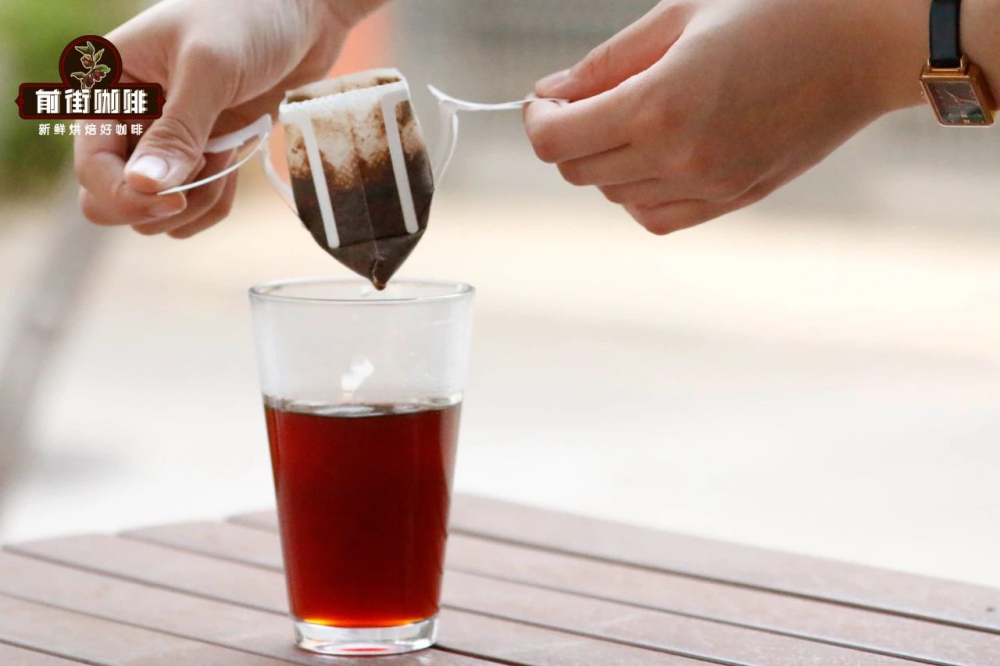
Drip-bag coffee is generally recommended to be brewed only once, and the filter bag should be removed immediately after brewing to avoid over-immersion affecting the flavor. Although drip-bag packs are affordable, each one is a concentrated essence of coffee beans — using them in moderation allows you to fully experience their flavor potential.
As for shelf life, although drip-bag coffee comes in individually sealed packaging, because the coffee powder has a small volume and a large surface area exposed to air, its flavor can easily deteriorate over time. It is recommended to use the product within 30 days of purchase to ensure the best flavor performance.
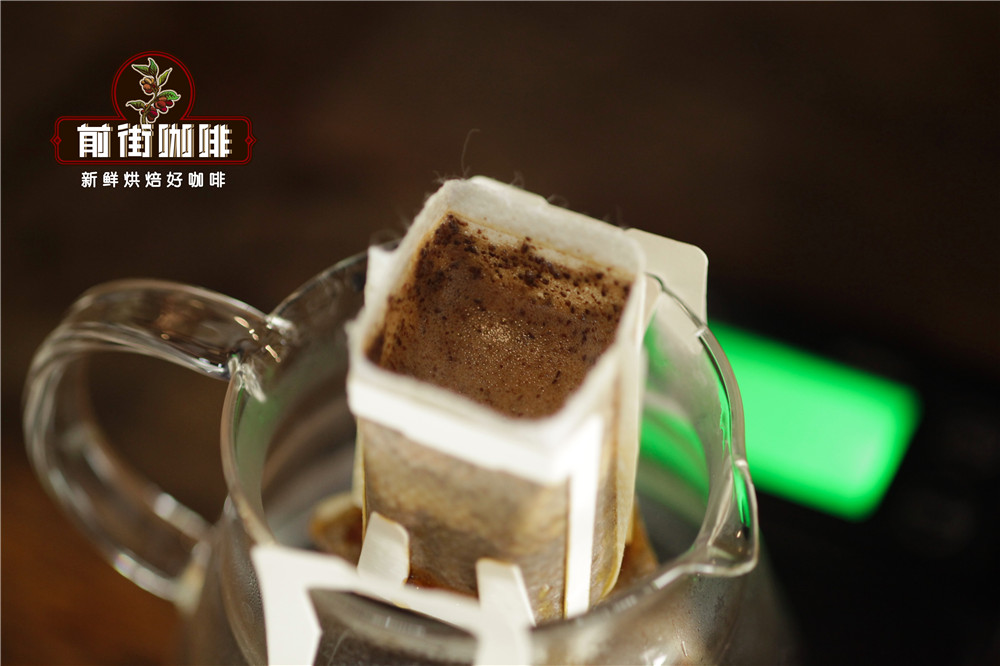
During actual brewing, first tear open the outer pouch of the drip-bag, take out the inner filter bag, and along the “OPEN” dashed line indicated on the packaging, tear it open. Spread the filter bag open, then hang the two “ear” paper flaps on the rim of a cup or the spout of a kettle. Each drip-bag contains approximately 10 gramsof coffee powder, and it is recommended to use a 1:15 coffee-to-water ratio(i.e., 10 grams of coffee powder to 150 milliliters of water), which yields a coffee liquid with the most balanced flavor.
In terms of brewing steps, the first step is to pour a small amount of hot water, about 20–30 milliliters, to evenly wet all the coffee grounds. This process is called “bloom,” and should last about 10–20 seconds. Its purpose is to release CO₂ from the coffee grounds, laying a stable foundation for subsequent extraction. Next, begin segmented pouring: pour water up to near the edge of the filter bag, wait until the coffee liquid drops by about half, then pour again to the same level. Repeat this action about three times until the total water volume is reached. Finally, wait for the coffee liquid to completely drip through, remove the drip-bag, and enjoy a cup of drip coffee with a clear and distinct flavor.
The above content is compiled by CoffeeHunters, a coffee news website.


