







Introduction:Starbucks' 13 coffee bean offerings span multiple renowned global producing regions, from Kenya in Africa to Guatemala in Central America. Each bean has its own unique flavor profile and regional characteristics. This article delves into the characteristics of two classic regional beans—Kenya and Antigua, Guatemala—including their varieties, processing methods, roast levels, and pour over recommendations. It also provides practical extraction parameters and flavor descriptions to help coffee enthusiasts make better bean selections and brewing choices.
The 13 coffee bean varieties launched by Starbucks each represent the flavor characteristics of different producing regions, from the highlands of Africa to the volcanic soil of Central America. Each bean embodies a unique terroir and processing craftsmanship. These 13 beans are: Fengwu Xiangyun Blend Coffee Beans, Pike Place Roast Coffee Beans, Kenya Coffee Beans, Starbucks Reserve Coffee Beans, Antigua Guatemala Coffee Beans, Ethiopian Coffee Beans, Colombian Coffee Beans, Starbucks Breakfast Blend Coffee Beans, Sumatra Coffee Beans, Decaf Xianglong Blend Coffee Beans, Italian Roast Coffee Beans, Espresso Roast Coffee Beans, and Verona Coffee Beans. This article will focus on the Kenya and Antigua Guatemala beans, taking you deep into their regional backgrounds, variety characteristics, and processing methods, along with practical roast and pour over suggestions. It offers readers who want to explore the world of coffee a comprehensive bean selection and tasting guide.
Kenya coffee beans are one of Starbucks' classic offerings. Since their launch in 1971, the iconic African elephant pattern on the packaging has become the visual symbol of this bean. Many coffee enthusiasts describe the taste of Kenya beans as steady and layered, much like an elephant, which is a reflection of their bright acidity and full body. Kenya is located in East Africa, with the equator running through it. The terrain is mainly plateau, with an average altitude of about 1,500 meters. The highest peak, Mount Kenya, reaches 5,199 meters above sea level, with year-round snow and a cool climate featuring large day-to-night temperature variations—providing ideal conditions for coffee growth. Kenya’s coffee is primarily produced in six regions: Thika, Kirinyaga, Mt. Kenya West, Nyeri, Kiambu, and Muranga. These regions have two harvest seasons: the main season (October to December) and the fly season (June to August).
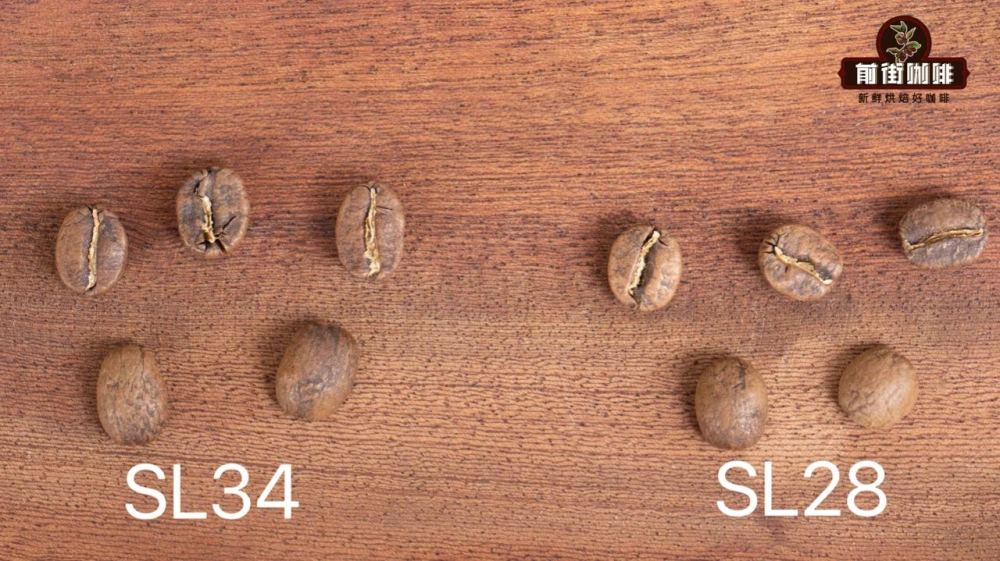
In terms of variety, Kenya coffee is most famous for SL28 and SL34, which were developed by the Scott Agricultural Laboratories in the 1930s. These varieties are well-suited to high altitudes and variable climates, offering strong acidity and complex fruity notes. SL28 belongs to the Bourbon genetic group, exhibiting bright citrus acidity and rich layers. SL34 has softer acidity, with underlying notes of chocolate and nuts. Additionally, to combat coffee leaf rust, the hybrid variety Ruiru11 was developed. Though highly disease-resistant, its flavor profile is not as distinguished as the former two. Kenya’s most renowned processing method is the so-called K72 washed process, where harvested coffee cherries undergo three cycles of 24-hour fermentation and washing, totaling 72 hours. This extended fermentation enhances clarity in acidity and aroma.
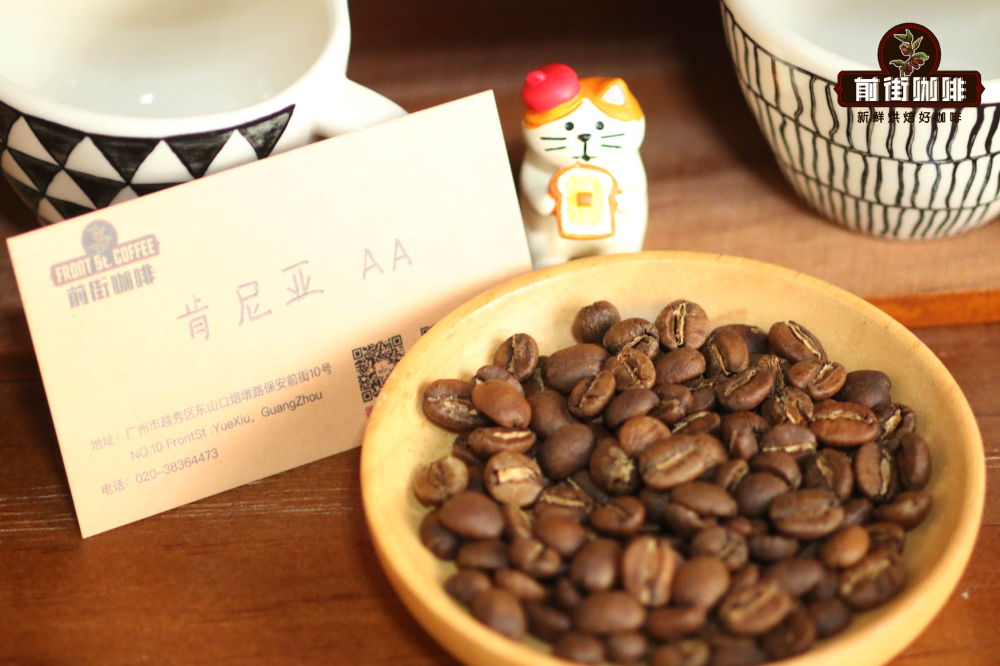
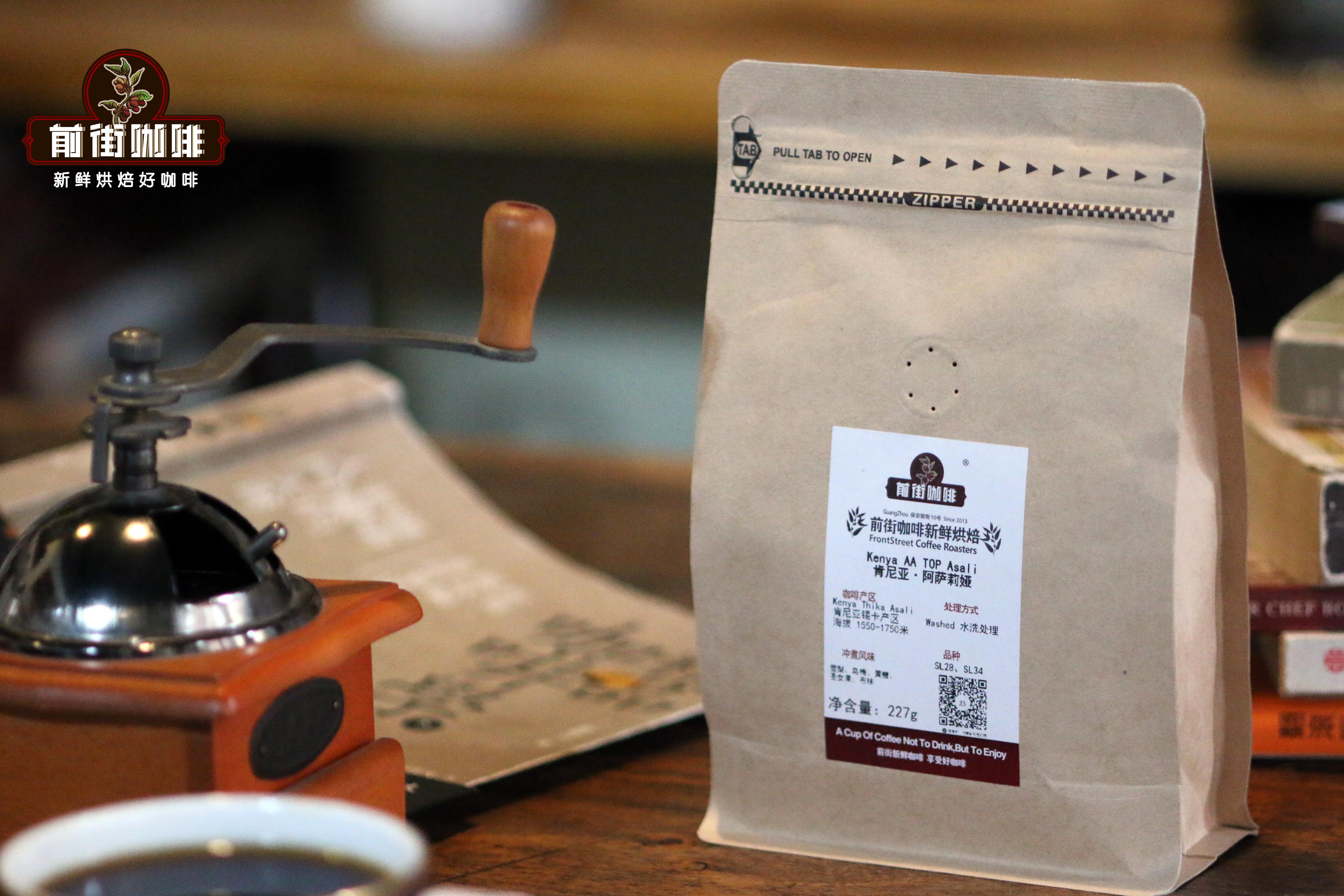
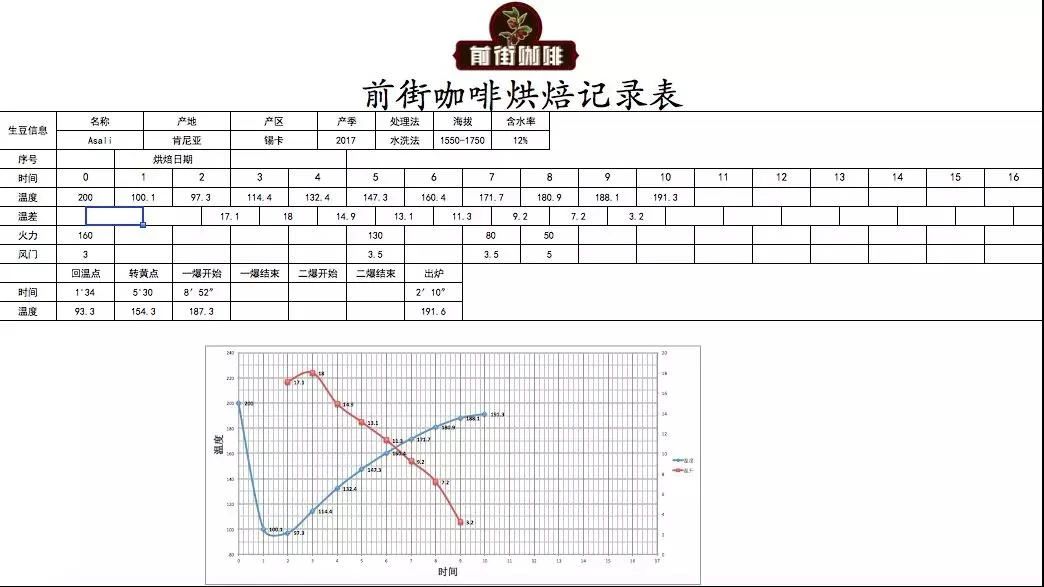
Take the well-known chain brand’s Kenya Assaliya as an example—it comes from the Asali washing station in the Thika region, grown at altitudes between 1,550 and 1,750 meters, classified as AA TOP grade, with varieties SL28 and SL34, processed using the K72 washed method. For roasting, a light roast is recommended to highlight its bright acidity and fruity notes. The brand uses a Yangjia 800N roaster, with a charge temperature of 200°C, and dropping the beans at 191.6°C during the first crack development stage, fully showcasing the bean’s potential.
For pour over recommendations, since it’s a medium-light roast, you can choose a V60 filter with a water temperature of 90°C to 91°C. The coffee-to-water ratio is set at 1:15, with a grind size similar to superfine sugar (approximately 80% passing through a #20 sieve). The first pour is 30 grams of water for a 30-second bloom, followed by 95 grams of water. When the water level drops to two-thirds of the coffee bed, pour the final 100 grams. The total extraction time is about 2 minutes, fully bringing out the Kenya beans’ unique black plum and dried cherry tomato aromas, as well as caramel and citrus wet aromas.
Another Starbucks coffee bean worth exploring is the Laminta Estate Fleur de Guatemala from the Antigua region of Guatemala. Antigua is considered one of the birthplaces of Guatemalan coffee. The region is surrounded by three volcanoes, including the active Volcan Fuego, which not only brings rich minerals but also creates a unique soil structure. Coupled with a stable climate, moderate humidity (around 65%), cool nights, and gentle day-to-night temperature differences, the coffee can slowly ripen on gentle slopes above 1,500 meters, accumulating richer flavors. The geographic isolation of the Antigua region helps prevent soil erosion, while the protection of native forests ensures that the coffee here maintains consistently high quality.
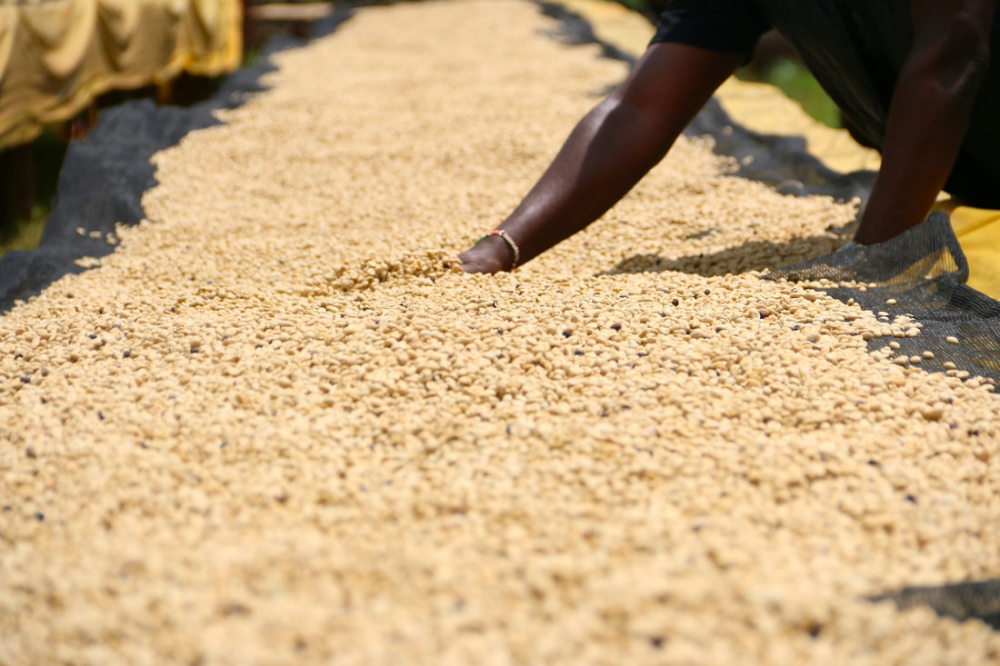
The well-known chain brand’s Guatemala Antigua Fleur is made with Bourbon and Caturra varieties. Bourbon is a natural mutation of Typica, characterized by round beans and rich aromas. Caturra is a further mutation of Bourbon, with brighter acidity, lemon and citrus notes, slightly lower sweetness but distinct layers. This coffee bean is also processed via the washed method. After selecting ripe coffee cherries, floaters are first removed, then the pulp is stripped using a depulper, leaving beans covered in mucilage for 16 to 36 hours of fermentation. The mucilage is then washed off with clean water, followed by sun drying until the moisture content reaches 10% to 14%. Finally, the parchment is removed to complete the process.
For roasting recommendations, to balance its bright acidity with the rich, full-bodied flavors typical of Guatemala, the brand opts for a medium-light roast. Using a Yangjia 800N roaster, the charge temperature is 200°C, the turning point is around 149°C, and the beans are dropped at 195.3°C after first crack development, fully highlighting Fleur’s fruity notes and regional terroir.
For pour over, a V60 filter is also suitable, with a coffee-to-water ratio of 1:15, water temperature controlled at 91°C, and a grind size of about 78% passing through a #20 sieve. The first pour is 30 grams of water for a 30-second bloom, followed by 95 grams of water. When the water level drops to two-thirds, pour the final 100 grams. The total extraction time is about 2 minutes and 10 seconds. These parameters fully showcase Fleur’s unique floral notes, citrus tones, and wine-like aftertaste. The flavors are delicate and layered, with a slight smoky finish, delivering an overall silky and elegant profile.
The above content is compiled by CoffeeHunters, a coffee news website.


