







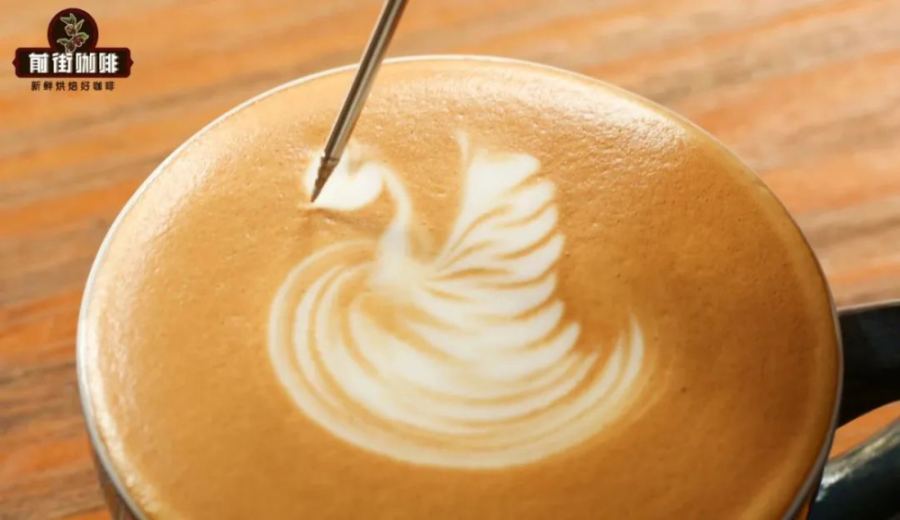
Introduction:Have you ever wondered why iced lattes aren’t recommended, or why adding ice to hot coffee affects the flavor? This article delves into the golden ratio of lattes, explores common issues and their causes, and provides practical brewing parameters and milk temperature recommendations. It helps you understand why serving hot lattes with fresh milk at room temperature offers the best flavor, while also debunking the myth that “de-iced” iced lattes end up tasting “just like milk.”
Many people’s first impression of tasting a latte has faded over time, yet an unforgettable latte often begins with the first sip—the rich, aromatic crema with a hint of bitterness—followed by a delicate balance between the smooth, full-bodied coffee and the sweet warmth of hot milk, ending with a lingering note of creamy chocolate. One key to achieving a well-balanced latte with distinct flavors lies in the ratio of milk to coffee. Once this balance is disrupted, whether by removing ice or adding it, the overall experience can be significantly diminished.
When you order an iced latte but ask for it without ice, the barista will typically top up the cup with extra milk to fill the space left by the missing ice. As a result, the proportion of coffee relative to the total volume decreases, making the coffee flavor noticeably weaker. Similarly, a hot latte is crafted with the milk temperature carefully controlled to maintain the perfect harmony between coffee and milk aroma. Adding ice at this stage not only dilutes the overall flavor but also affects the drink’s layered texture and mouthfeel.
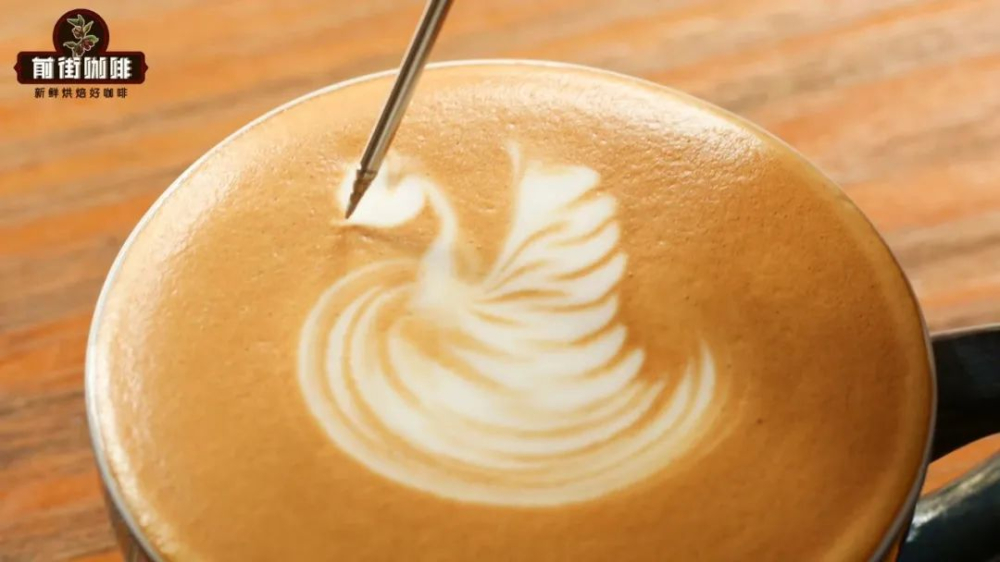
Everyone has different preferences when it comes to lattes. Some love their hearty portion size and satisfying fullness, others are drawn to the balance of richness and subtlety, and many are captivated by the artistry of latte designs. Yet, when a latte tastes either too bitter, too weak like water, or even both, it’s inevitably disappointing. What factors lead to these common issues? We’ll explore them one by one, from recipe ratios and brewing methods to milk temperature.
In a café setting, shops typically use their house-blended “Sunflower · Warm Sun” blend to make lattes. This medium-to-dark roasted bean showcases layered flavors of vanilla, creamy chocolate, and caramel cookie notes. Using this bean as the base, paired with the standard espresso extraction formula—a 1:2 coffee-to-water ratio, meaning about 2 grams of coffee liquid extracted per 1 gram of coffee grounds—and an extraction time controlled between 25–35 seconds, ensures a consistently balanced and flavorful espresso base.
In practice, when using a double-shot portafilter, 20 grams of coffee grounds are used, aiming to extract 40 grams of espresso within 27–33 seconds, ensuring there are no irregularities such as channeling, splashing, or unstable flow rate during the process.
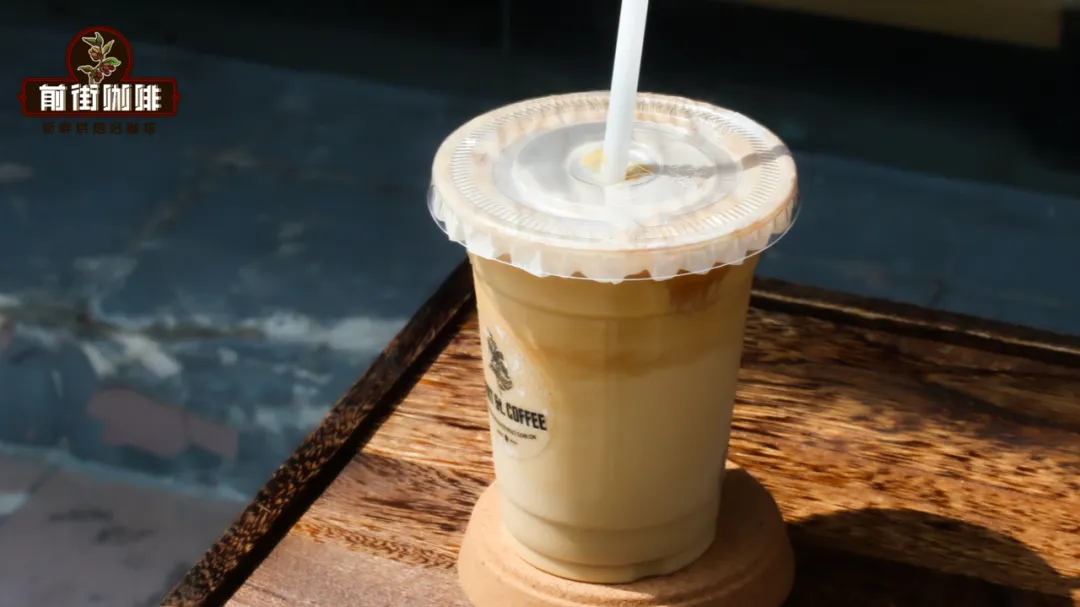
To prepare a hot latte, 220 milliliters of fresh milk is heated to 55–65°C, while microfoam about 0.3–0.5 centimeters thick is frothed. This is then combined evenly with the previously prepared espresso and poured into a ceramic cup, finished with a clean, well-defined latte art design. For an iced latte, the method is quite different. To preserve the coffee’s strength, three ice cubes are placed as a base, and the coffee-to-milk ratio is set to 1:5—typically starting with 200 grams of fresh milk, then pouring 40 grams of espresso on top. This approach maintains the visual layering effect while preventing the coffee flavor from being diluted.
In summary, as long as you master the selection of coffee beans, the extraction parameters for the espresso, and the ratio and temperature of the milk, making a well-balanced latte isn’t difficult. Conversely, if your latte tastes either too bitter or too watery—sometimes even both—then the issue is almost certainly rooted in one or more of these critical factors.
First, why does a latte sometimes taste too bitter? Generally, because lattes contain a lot of milk, the bitterness should be relatively muted. But when you clearly perceive a strong bitterness, the issue usually lies in the espresso extraction—it could be due to the coffee beans being roasted too dark, or improper extraction parameters. Most common espresso blends are medium-to-dark or dark roasted to retain a moderate level of acidity and a balanced bitterness and sweetness, allowing the coffee and milk to harmonize well.
The main causes of over-extraction, which leads to excessive bitterness, are usually an overly long extraction time (exceeding 35 seconds), a slow flow rate, or issues like channeling, splashing, or unstable flow. One customer reported that despite using the same parameters, their latte suddenly became bitter and lacked aroma. It turned out the coffee puck had developed a hole, likely due to clumped coffee grounds causing channeling, which led to over-extraction of some coffee particles. Solutions include adjusting to a coarser grind or breaking up any clumps before brewing.
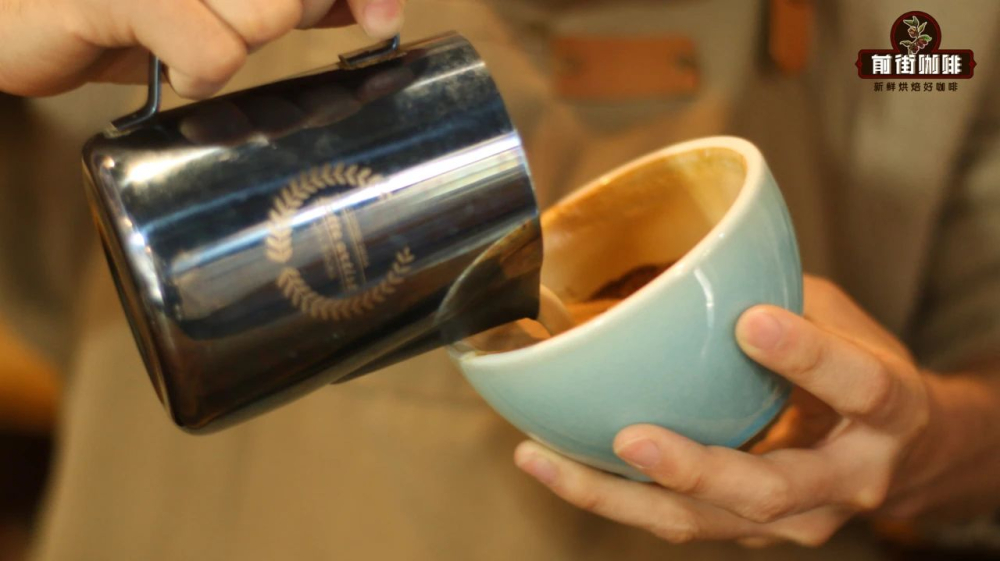
As for lattes that taste too watery or weak, it’s usually due to incorrect milk proportions or poor milk quality. It’s recommended to prioritize whole fresh milk, which has a higher fat content and produces richer, more stable microfoam, giving the coffee a fuller body. Using low-fat or skim milk not only results in thinner foam but can also make the entire drink feel insipid and thin.
Additionally, if you’re using a light-roasted single-origin bean (such as an SOE) without adjusting the extraction parameters or ratio, the lighter roast level may lead to under-extraction, resulting in a flat-tasting latte that resembles spicy hot milk. For example, when making an SOE latte with Huakui 8.0, even after adjusting the milk ratio, the flavor still felt lacking. Therefore, it’s recommended to use the corresponding SOE version when working with light-roasted or fruity beans, and to adjust the espresso extraction accordingly.
Finally, what causes a latte to taste both bitter and weak? This contradictory flavor profile is commonly seen when using dark-roasted beans. If the espresso is over-extracted, it tends to release excessive bitter, woody, and off-flavors from the later stages of extraction, making the coffee taste intense yet hollow. For instance, some operators might use 18 grams of coffee grounds to extract 40 grams of espresso, with a coffee-to-water ratio of about 1:2.22. While it may seem like a sufficient yield, the high water content actually reduces concentration and leads to unpleasant over-extracted flavors.
If you find your latte suffering from similar issues, try reducing the yield by around 5 grams. This not only increases concentration but also improves over-extraction, resulting in a thicker, more balanced latte.

The above content is compiled by CoffeeHunters, a coffee news website.


