







Category: Coffee Knowledge
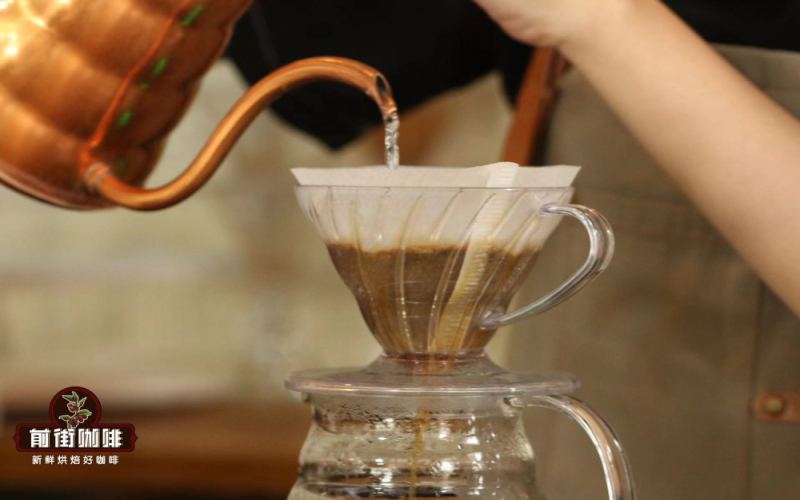
Analysis of the 1:15 Coffee-to-Water Ratio for Pour Over | How Much Water Should Be Used with 15g of Coffee for the Most Balanced Extraction? Three-Stage Pouring Technique
To brew pour over coffee at home with consistent taste and balanced flavor, the key lies in mastering a stable coffee-to-water ratio. This article delves into why 15g of coffee powder paired with 225g of water (a 1:15 ratio) has become the foundational reference for many professional baristas and cafés. It also analyzes the yield weight, concentration, and suitable range of this ratio. Additionally, it provides grind size and water temperature recommendations for both medium-light and medium-dark roasted coffee beans, along with a practical three-stage pouring method to help you improve every brew. [more…]
China’s Coffee Market Transformation: From Instant to Specialty Beans, Local Flavors and Market Trends Post-Pandemic
As the pandemic reshapes consumer habits, China’s coffee market is undergoing profound transformation. From the expansion of chain brands to the rise of independent cafés, from instant coffee consumption to specialty coffee appreciation, local bean processing techniques have also steadily matured. This article delves into China’s coffee consumption trends, regional advancements, and market dynamics, while drawing comparisons with Taiwan’s experience, helping you grasp the most noteworthy local specialty bean selections and current market movements. [more…]
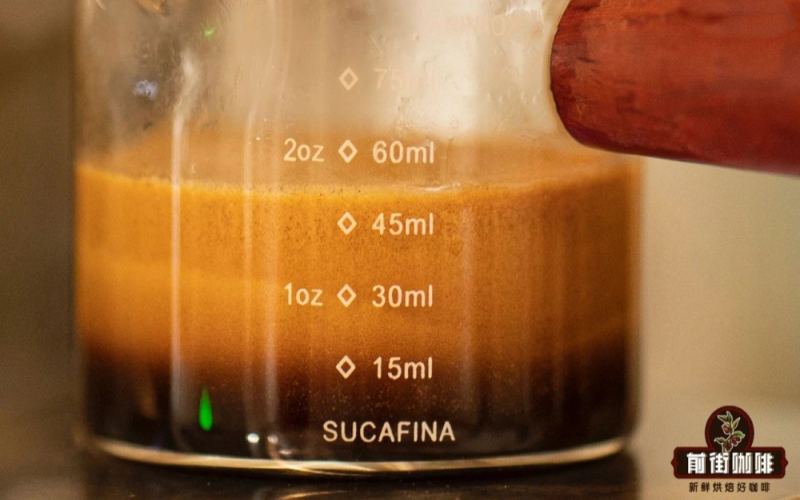
How to Choose Between Pour Over and Espresso? A Complete Guide to Extraction Principles, Flavor Differences, and Beginner Tips
Want to understand the fundamental differences between pour over and espresso? This article provides an in-depth analysis of the extraction principles, brewing processes, and flavor profiles of both methods — from the 9-bar high-pressure extraction of espresso to the three-stage pouring technique of pour over. We also recommend beginner-friendly Yirgacheffe beans along with complete parameters to help you find the coffee experience that best suits your taste preferences. [more…]

How to Choose SOE Single-Origin Espresso? Analysis of 3 Major Flavor Profiles & Recommended Bean Selections
SOE (Single Origin Espresso) uses single-origin coffee beans to craft espresso, delivering more concentrated and distinct flavors—but it demands higher standards in roasting and extraction. This article explains the difference between SOE and blended beans, highlights common mistakes when selecting SOE, and recommends three practical bean choices—Colombia Gesha, Costa Rica Blackberry, and Brazil Queen Estate—based on three major flavor types: acidic, winey/fermented, and bold/bitter—to help you find the one that suits your taste. [more…]

SOE Single-Origin Espresso vs Blended Beans: A Flavor Analysis and Bean Selection Beginner’s Guide
SOE (Single Origin Espresso) has become a hot topic in the specialty coffee community in recent years, but many people are still confused about how it differs from traditional blended beans. This article delves into the origins and background of SOE, its flavor characteristics, and key points in roasting and extraction. It will help you understand how single-origin beans can showcase regional traits, and based on three major flavor profiles—bright acidity, fruity richness, and rich balance—it recommends classic bean varieties that are actually well-suited for making SOE. This will assist you in selecting beans according to your taste preferences. [more…]
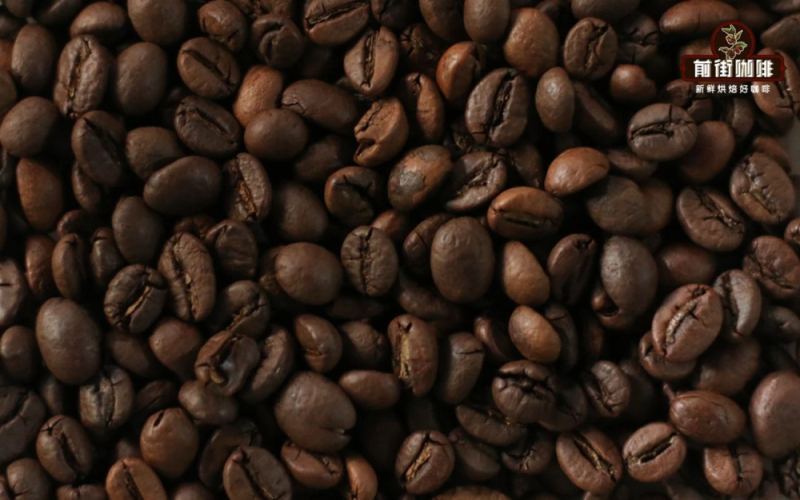
Coffee Bean Roast Color Value Analysis: Agtron Numbers Corresponding to Flavor Profiles and Pour Over Recommendations
Want to understand how coffee beans change in flavor from light to dark roasts? The Agtron color value is a key industry indicator for determining roast level—from 95 for extremely light roast to 25 for extremely dark roast, each number represents different aromas, acid-sweet balance, and suitable brewing methods. This article compiles a detailed comparison of eight major roast levels to help you grasp when beans are optimally roasted, understand their flavor profiles, and learn why Yirgacheffe suits light roasts while Mandheling prefers dark roasts—so you can find your ideal coffee. [more…]
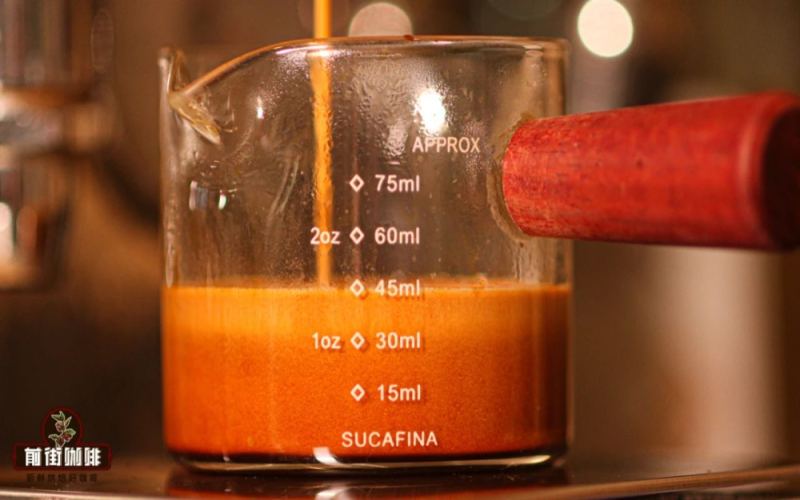
Analysis of the Differences Between Single-Origin and Espresso Beans | Recommended Pour Over Beans and Flavor Comparison
Many people think that espresso is only enjoyable with sugar and milk, but the truth lies in the roasting method and brewing technique. This article delves into the flavor differences between single-origin coffee and espresso beans, introduces high-quality espresso blends suitable for home use, and provides practical tips and precautions for using espresso-roasted beans for pour over brewing—helping you uncover their diverse flavor potentials. [more…]
How to Choose Espresso Beans for Home Brewing? Flavor Profiles of 5 Major Coffee Regions & Secrets to Perfect Espresso Extraction
Want to successfully brew rich and full-bodied espresso at home? Choosing the right coffee beans is key. This article delves into the historical background and fundamental principles of espresso, introducing you to the unique charm of espresso, and provides a detailed look at the flavor characteristics and ideal roast levels of five common base beans — Kenya, Colombia, Indonesia Mandheling, Ethiopia Mocha, and Brazil. It also offers practical standards for evaluating a good cup of espresso, helping you choose beans from... [more…]
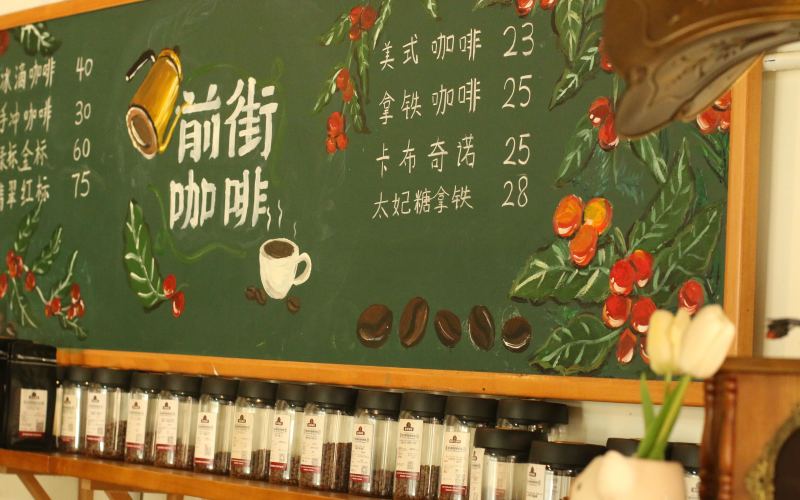
How to choose between espresso and Americano coffee beans? Recommended medium-dark roasts + hot & cold Americano brewing guide
To understand the difference between espresso and Americano coffee, you first need to know that they are not parallel categories but rather one includes the other. This article delves into the logic behind bean selection for both, explains why medium-dark roasts are most suitable for making Americano coffee, and recommends several practical blends, along with the golden ratio for both hot and iced Americanos, to help you choose the right beans and brew a well-balanced cup. [more…]
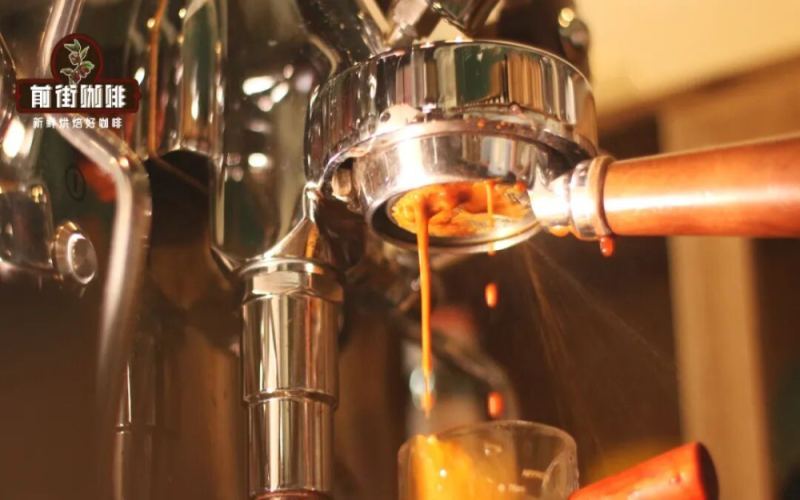
Espresso Splashing Woes: A Comprehensive Guide to Channeling Causes and Solutions
When crafting a well-balanced shot of espresso, issues such as sudden coffee splashing or uneven extraction caused by channeling often arise. These problems not only diminish the aroma and taste of the coffee but can also strip away the rich layers that should be present. This article will delve into the various causes of channeling—from distribution techniques and dose control to common issues like clumping—and provide professional solutions. We’ll also explore the practical effectiveness of bottomless portafilters to help you improve your espresso quality. [more…]
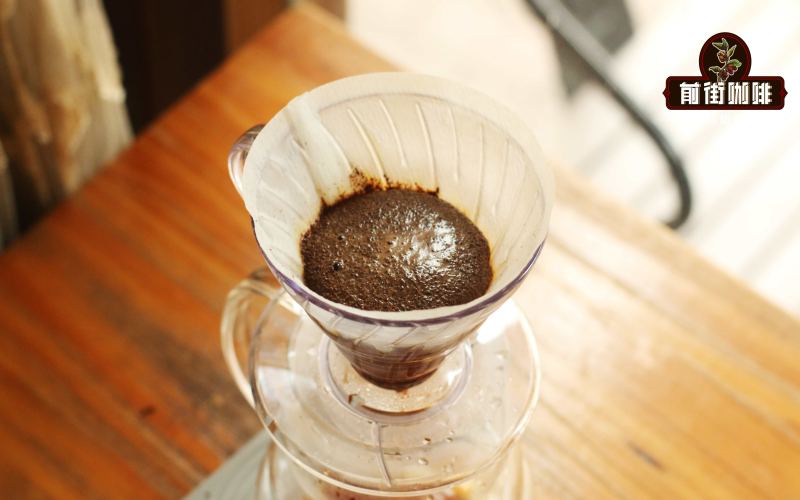
Complete Guide to Blooming & Pouring Techniques in Pour Over Coffee: Explaining the Exhaust Principle and Three-Stage Extraction Parameters
The blooming and pouring stages of pour over coffee directly impact the flavor profile and extraction uniformity. This article delves into the exhaust mechanism of blooming, key variables (such as roast level, water temperature, and grind size), and provides a step-by-step breakdown of the practical essentials of three-stage pouring, including time allocation and pouring techniques. Through comparative experiments, it explores how different numbers of pouring stages affect flavor layers, helping coffee enthusiasts master the science behind pour over brewing. [more…]
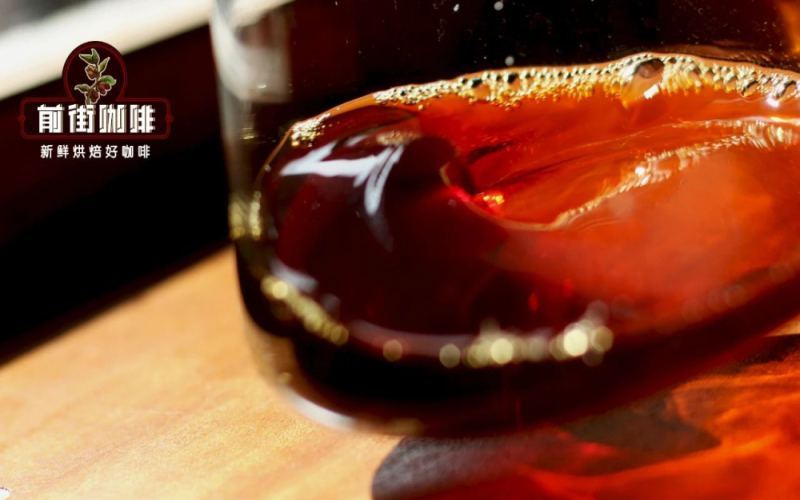
Complete Guide to Pour Over Coffee with a 1:15 Coffee-to-Water Ratio | Techniques for Three-Stage Extraction & Flavor Balance
Discover the secrets of the golden pour over coffee ratio. This article dives deep into the practical principles behind a 1:15 coffee-to-water ratio, debunks the myth of why 225ml of water yields only 195ml of brewed coffee, and breaks down the three-stage pouring steps—from precise blooming to layered extraction—teaching you how to consistently bring out the floral, fruity aromas and body of your coffee. Whether you're a beginner or an advanced enthusiast, you can find your ideal flavor through scientific parameters and sensory adjustments. [more…]

Pour Over Coffee Beginner’s Guide: From Roast Level Selection to an Eight-Step Full Extraction Tutorial
Want to brew a pour over coffee at home with distinct layers and unique flavors? First, you need to understand the characteristics of different roast levels and the correct extraction process. This guide analyzes the flavor differences brought by light roast, medium roast, and dark roast, and provides a detailed breakdown of the eight key steps in pour over brewing — including filter paper preparation, cup warming, blooming, pouring techniques, and more. It also includes answers to common questions and recommended parameters to help beginners consistently brew delicious coffee. [more…]
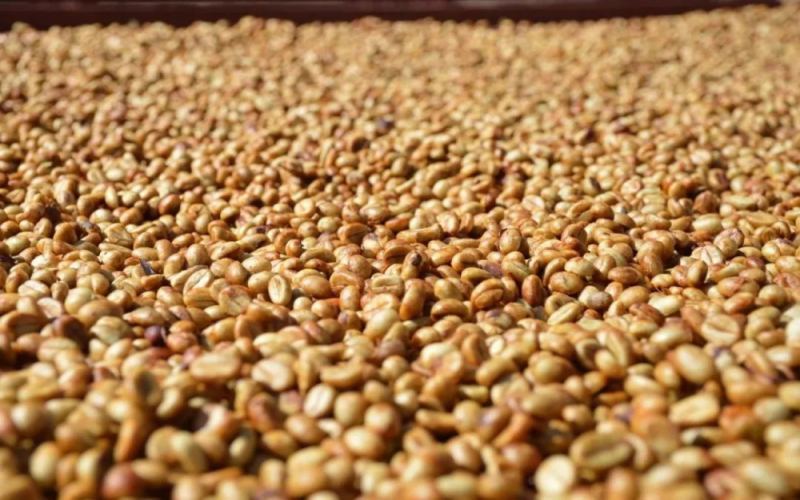
Complete Guide to Honey Processed Coffee Beans: From Black Honey to White Honey, Understand Flavor and Processing Methods All at Once
Honey processing is a coffee processing method that lies between washed and natural processes. Originating in Costa Rica, it involves retaining varying degrees of mucilage to influence the final flavor. This article delves into the origins of honey processing, the differences among its four main categories, as well as the drying times, fermentation characteristics, and typical flavor profiles of each type—helping you choose the right beans more precisely for your brewing method. [more…]
Complete Guide to Pour Over Bloom Techniques: Analyzing the Flavor Impact from Gas Release to Water Segmentation
Bloom is a crucial initial step in pour over coffee, yet its importance is often overlooked by beginners. This article delves into the science behind blooming, exploring the coffee grounds' degassing mechanism, how freshness affects extraction uniformity, and the impact of different water segmentation methods on flavor and extraction time. We break down the core variables that affect bloom quality — including water temperature, grind size, water volume, and duration — to help you master the underlying logic and operational boundaries of the three-stage water pouring method. [more…]
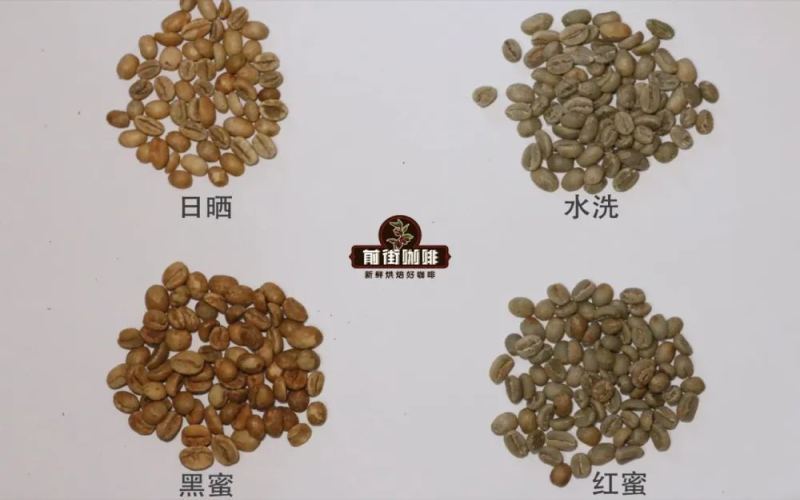
Analysis of the Three Major Coffee Processing Methods and Emerging Techniques: A Complete Guide to Flavor Differences and Processing Essentials
The way coffee beans are processed directly affects their flavor profile. From traditional methods like natural (sun-dried), washed, and honey processing to the increasingly popular enzyme anaerobic techniques, each method carries its own unique charm and technical challenges. This article delves into the processes of these mainstream and emerging processing methods, explains how they shape flavor characteristics, and includes practical parameters such as drying time and fermentation conditions to help you understand how to choose the right coffee flavor through processing methods. [more…]

What’s the difference between natural and honey-processed coffee beans? A guide to processing methods and flavor comparison
Natural and honey processing are two common methods of coffee bean processing. Both can impart rich sweetness and fermented flavors to coffee, but their processing procedures and final flavor profiles differ significantly. This article will detail the differences in processing steps between the two, starting with the structure of the coffee cherry, explaining how natural processing involves drying and skin removal, while honey processing retains varying levels of mucilage. It also covers the distinctions among yellow honey, red honey, black honey, and raisin honey. Additionally, it provides roasting recommendations, cupping insights, and pour over parameters for two representative beans. [more…]
Do oily coffee beans mean they've gone bad? Unraveling the truth behind roast levels and oil sheen
You may have heard the claim that “oily coffee beans mean they’re no longer fresh,” but this is actually a common misconception. The glossy appearance on coffee beans is closely related to the degree of roasting, rather than being a straightforward indicator of freshness. This article will take you deeper into the characteristics of coffee beans at different roast stages—including when they naturally develop an oily surface, the evolution of various roast styles, and how to properly store coffee beans to achieve the best flavor—giving you more confidence when selecting and preserving your coffee. [more…]
Panamanian Duncan Estate Geisha Beans: Flavor Differences Between Natural and Washed Processes and Harvesting Secrets
Delve into the unique charm of Panamanian Duncan Estate Geisha coffee beans—from comparing the flavor profiles of natural and washed processing methods to understanding how altitude and climate shape the coffee’s character. This article provides a comprehensive analysis of the craftsmanship and varietal traits behind this competition-winning bean, and introduces you to estate-level harvesting techniques and ecological conservation practices. A must-read guide for pour over enthusiasts and specialty coffee aficionados. [more…]
A Complete Guide to Coffee Roasting: From Homogenization to the Second Crack, Mastering the Key Steps to Flavor
Dive deep into the coffee roasting process — from bean homogenization, the first crack, to the second crack — and understand how each stage influences the final flavor and aroma. This article provides an easy-to-understand analysis of key technical aspects in commercial roasting, helping you grasp the characteristics of different roasting stages and choose the beans that best suit your taste. [more…]