







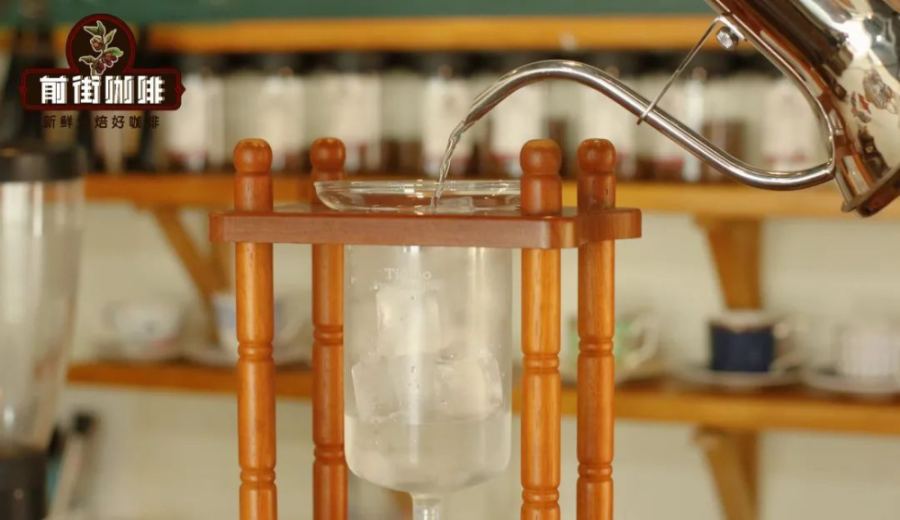
Introduction:Drip coffee, with its unique low-temperature slow extraction process, delivers a refreshing, sweet-and-sour flavor with distinct layers, making it a popular choice for home-brewed specialty coffee among enthusiasts. This article delves into key elements such as recommended drip brewer brands, coffee bean selection, grind size, drip rate, and coffee-to-water ratio, along with practical operational details like pre-wetting techniques, filter paper placement, and refrigerated fermentation time — all to help you master the art of brewing balanced, long-finishing drip coffee at home.
Drip coffee, also known as ice-brewed or water-drip coffee, is a low-temperature extraction method where melted ice water slowly seeps through a bed of coffee grounds. Compared to traditional hot brewing, the drip process takes much longer — usually starting from several hours — and uses more coffee grounds, which is why it is generally pricier than regular iced Americanos. For instance, a typical cup of drip coffee is priced around 40 RMB, precisely due to its time-consuming process and material costs.
So, how should a memorable cup of drip coffee be defined? While there’s no absolute standard, every step — from bean selection and grinding, to drip rate, coffee-to-water ratio, pre-wetting, and refrigerated fermentation — influences the final flavor. This article will break down the entire brewing process in an easy-to-understand way, helping you go from beginner to pro and effortlessly craft a clean, sweet-and-sour balanced drip coffee.
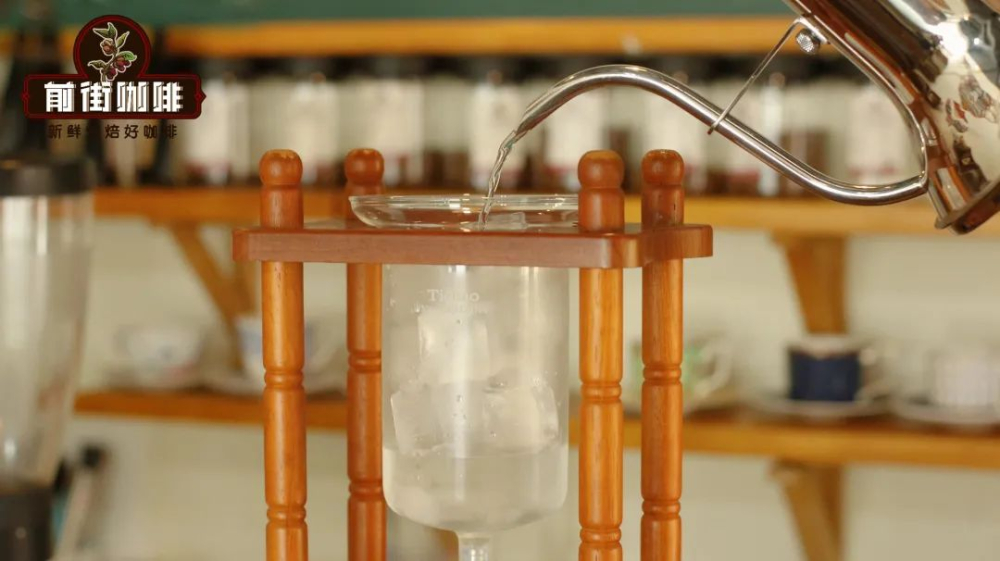
Drip brewing is a low-temperature extraction technique, with water temperature typically maintained between 0 to 7°C. Within this range, extraction efficiency is lower, and it’s less likely to release large-molecule bitter substances, resulting in a cleaner taste with more pronounced acidity and sweetness. Since ice water can’t extract high-boiling aromatic compounds from medium-to-dark roasted beans as effectively as hot water, it’s recommended to choose single-origin beans with bright flavors, distinct sweet-and-sour notes, or natural fermentation characteristics, preferably in light to medium roasts.
If you prefer a sweeter iced coffee, consider beans with ripe fruit profiles; if you favor brighter acidity, opt for those with lively fruity notes. Additionally, many baristas experiment with blending two types of beans to create richer layers — for example, mixing beans with strawberry and red cherry notes in specific proportions to evoke dried fruit, sweet orange, and rose floral aromas, with a finish that blooms with lemon and berry freshness.
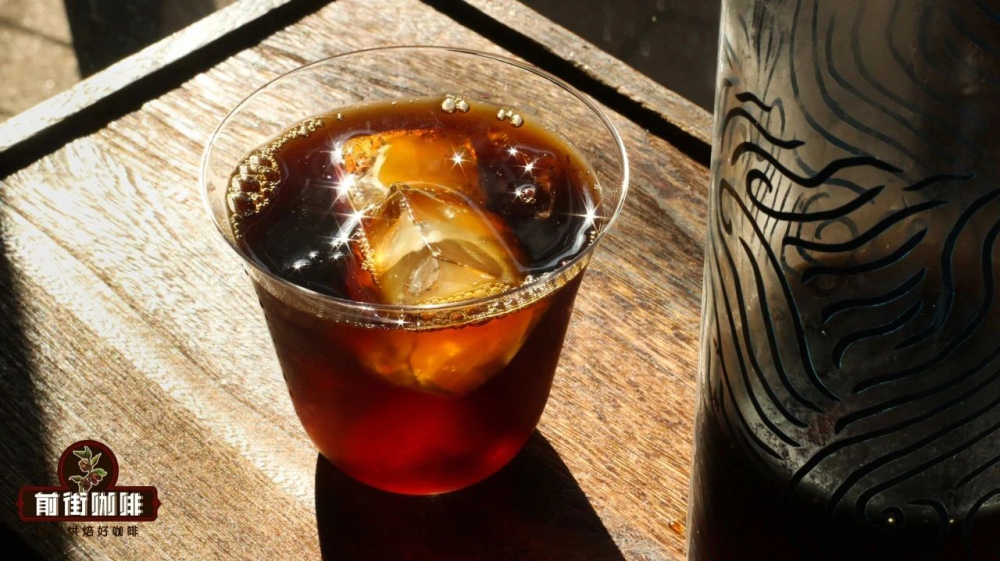
It’s worth noting that coffee beans intended for drip brewing are best used about 20 days after roasting. Freshly roasted beans are still releasing carbon dioxide, and using them directly for drip can cause the coffee bed to form channeling effects due to gas expansion, leading to uneven extraction and ultimately affecting overall flavor.
Tamping is also a crucial step in drip brewing, but unlike the firm pressing used for espresso, drip only requires gently leveling the coffee bed, then uniformly compressing it with a flat tamper. Over-tamping can hinder water penetration, causing water pooling in the coffee bed and poor filtration flow, which negatively impacts extraction efficiency and uniformity. Moreover, drip filters or filter discs are usually placed at the bottom and lack the ventilation structure found in filter cones; if the coffee bed is too dense, poor air release can also lead to uneven extraction.
Pre-wetting is a key step to enhancing the stability of drip extraction, similar to the bloom step in pour over. By initially wetting the coffee bed with ice water, it not only helps the grounds fully expand, but also prevents localized over- or under-extraction during subsequent dripping, further shortening overall brewing time and improving flavor consistency.
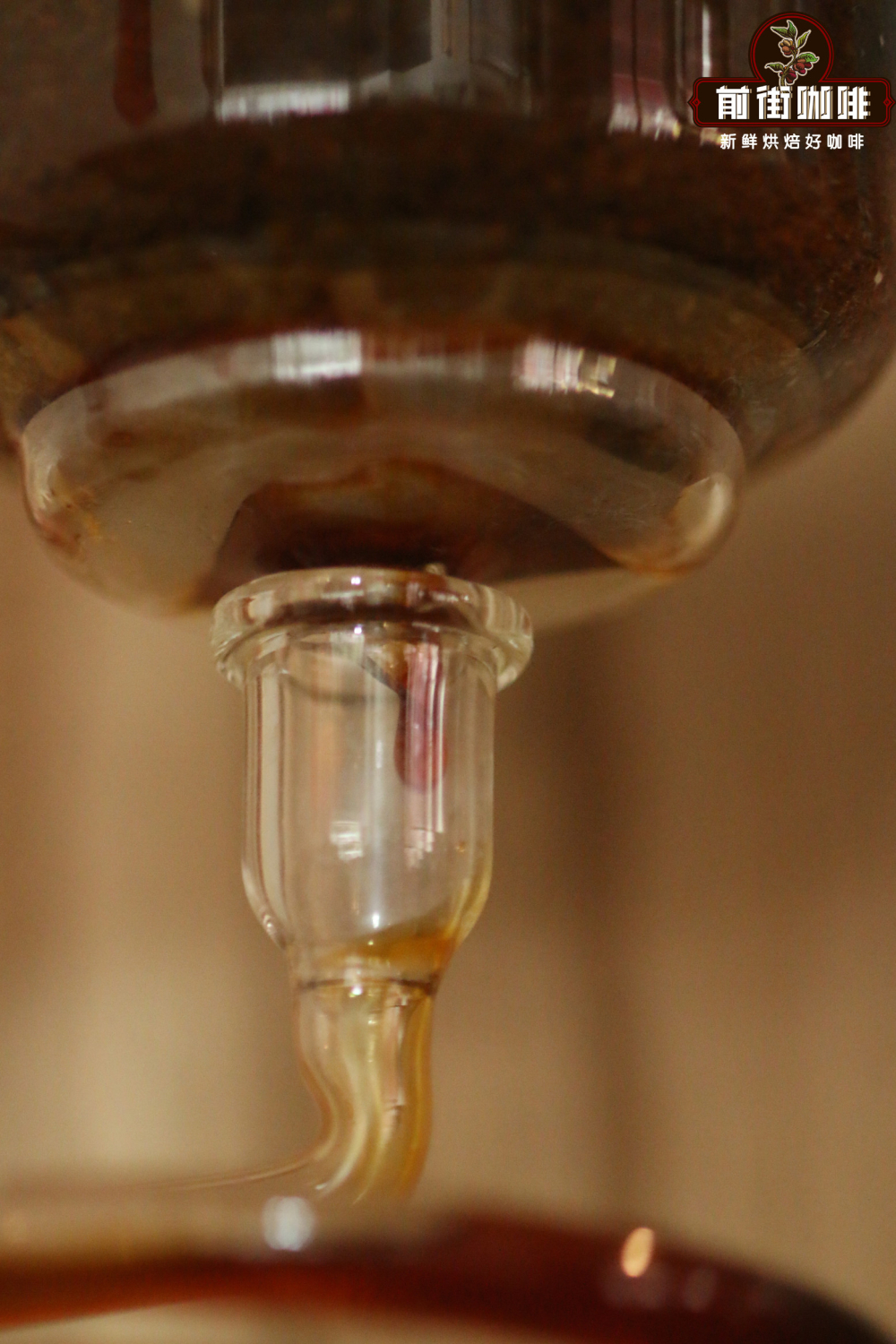
Before starting the actual drip, it’s recommended to place a round filter paper on top of the leveled coffee bed. This layer of filter paper not only provides good pre-soaking and air permeability, but also increases the contact area between water droplets and coffee grounds, ensuring every particle is evenly moistened. This avoids under-extraction in areas where water flow is concentrated, which could otherwise compromise overall extraction. As water drips down, the filter paper guides the flow to penetrate the coffee bed uniformly, preventing the coffee liquid from only flowing along fixed paths and creating extraction blind spots.
Choosing the right grind size is one of the important parameters affecting drip flavor. It’s generally recommended to use a grind passing 80% to 85% through a Chinese No. 20 standard sieve, with fine adjustments possible based on your grinder. If the grind is too coarse, flavor extraction may be insufficient, resulting in a thin taste; if too fine, it can easily cause clogging, not only prolonging drip time but also potentially leading to over-extraction and bitterness due to poor drainage.
Take the bright and refreshing Kenyan “little tomato” beans as an example — this double-washed lot offers distinct flavors of cherry tomato, dark plum, and Asian pear, and is suitable for various brewing methods. Due to the slower extraction rate in low temperatures, it’s recommended to use a slightly finer grind than for pour over, such as about 82% passing through a Chinese No. 20 sieve. For the commonly used ek43s grinder in shops, this equates to around a 9.5 setting; for hand grinders like the C40, a setting between 20 to 22 is advised.
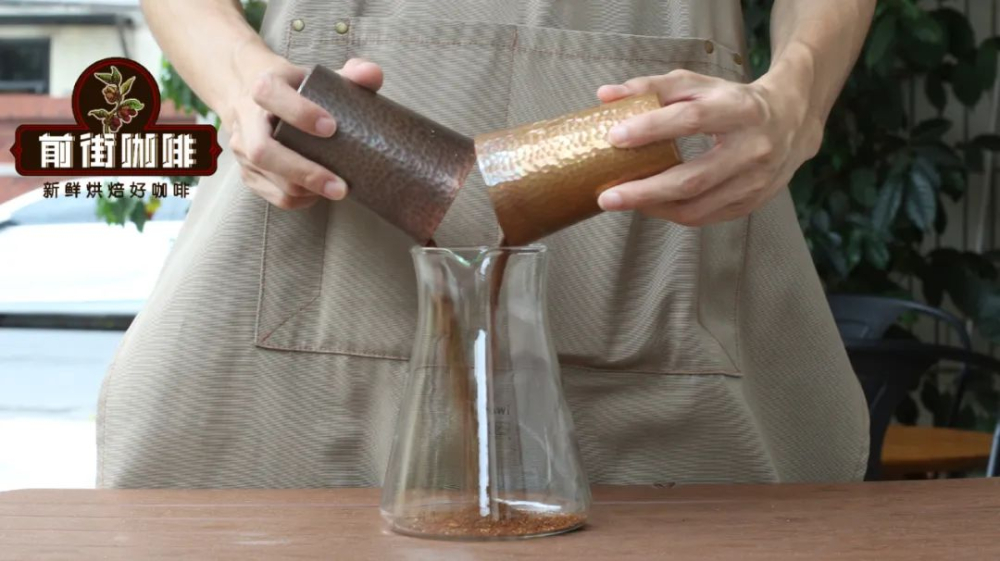
Controlling drip rate and coffee-to-water ratio is the core technique of drip brewing. The drip rate is usually measured by the number of drops per 10 seconds, with a recommended range of 7 drops per 10 seconds. Going too slow may lead to over-extraction, while going too fast may result in under-extraction. As for the ratio, 1:10 is commonly used. If you plan to dilute with ice cubes later, you can moderately increase the concentration. For home brewing, ratios of 1:12 to 1:14 can also be chosen, adjusted according to personal taste.
In practice, you can grind 60 grams of coffee beans and place them in the filter cup, with a round filter paper laid on both the bottom and top layers. Pre-wetting the coffee grounds with ice water first helps shorten the dripping time and improves extraction uniformity. For the upper chamber, it’s recommended to use an ice-water mixture with a ratio of about 1:1 ice to water, aiming to collect a total of about 600 grams of coffee liquid to achieve a well-balanced base drip coffee.
After completing the drip, it’s recommended to pour the drip coffee into a glass bottle with a sealing gasket, and let it sit in the refrigerator for about 12 hours before drinking. This low-temperature fermentation process allows the originally layered coffee liquid to fully integrate, while also stimulating richer fermented aromas, making the overall flavor more intense and refined. It’s worth noting that although the refrigerator may seem clean, it actually harbors many microscopic organisms invisible to the naked eye. Therefore, using a well-sealed container can effectively prevent external contamination, ensuring beverage hygiene and flavor integrity.
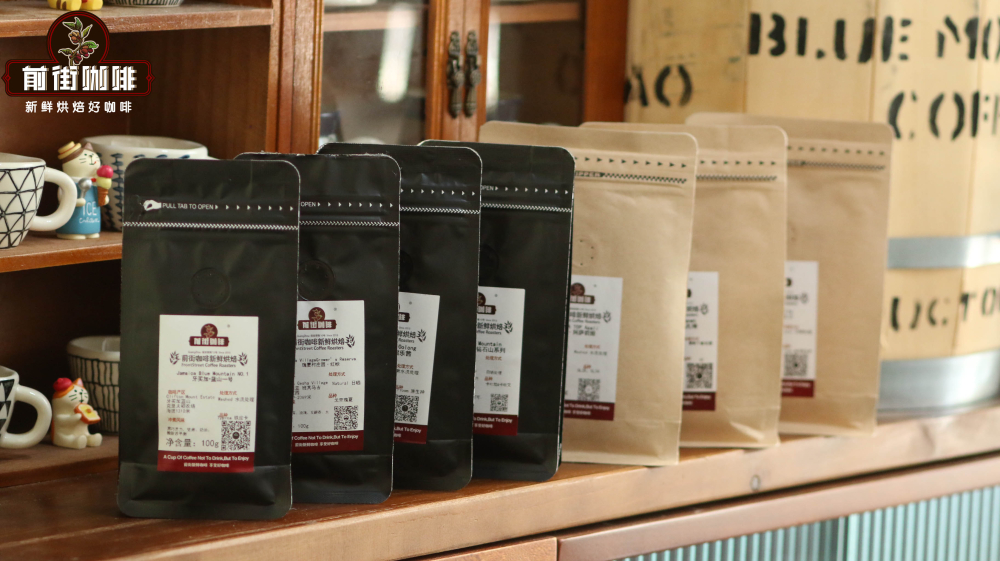
Based on practical experience, drip coffee that has undergone 12 hours of low-temperature resting usually demonstrates optimal flavor expression. This period not only aids in flavor integration, but also enhances the coffee’s layered complexity — a golden waiting period widely acknowledged by professional baristas and home enthusiasts alike.
The above content is compiled by CoffeeHunters, a coffee news website.


