







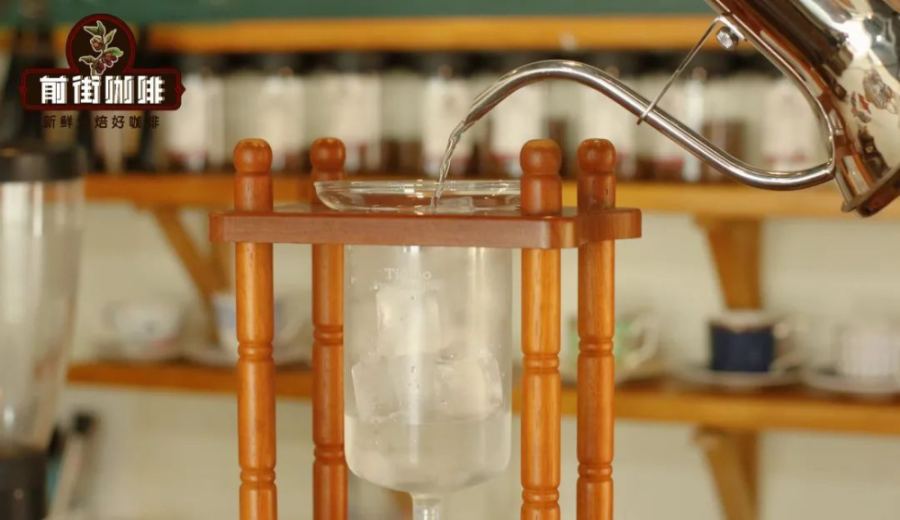
Introduction:Iced drip coffee, with its unique refreshing sweet-and-sour profile and delicate layers, has become a challenging goal for many coffee enthusiasts. But from equipment selection, bean flavor profiles, grind size, dripping speed to post-brew refrigeration, every detail affects the final flavor. This article provides an in-depth breakdown of the full iced drip brewing process, covering practical parameters such as bean selection advice, pre-wetting techniques, coffee-to-water ratios, flow rate control, along with professional-level operational details to help you consistently brew balanced and mellow iced drip coffee at home.
Iced drip coffee is a brewing method that uses slow extraction via low-temperature water drips. By allowing ice or cold water to continuously drip through a bed of coffee grounds over several hours, it gradually releases flavors. Compared to traditional hot brewing methods, the iced drip extraction process is gentler, reducing the risk of over-extraction and delivering a clearer acidity and rich complexity—especially suitable for those who enjoy fruity, sweet, or fermented flavor notes.
One of the appeals of iced drip coffee lies in its lengthy extraction time,which typically ranges from 4 to 12 hours, allowing more ample reaction time between the aromatic compounds in the coffee and the water. However, because the process is time-consuming, each step needs to be precisely controlled—from the roast level of the coffee beans, grind size, dripping speed, coffee-to-water ratio, to the final refrigerated fermentation stage—all of which significantly impact the final result.
First and foremost, selecting the right coffee beans for iced drip is crucial. Due to the lower extraction efficiency at low temperatures, where large-molecule bitter substances are less likely to be released, it’s recommended to prioritizelight to medium roasted single-origin beans with pronounced floral-fruity or fermented flavor characteristics,such as those with notes of citrus, berries, roses, or honey. These types of beans can exhibit more vibrant acidity and clearer layering in a low-temperature environment.
It’s worth noting,the optimal usage period for coffee beans is around 20 days after roasting.Freshly roasted beans are still in their degassing phase; using them immediately for iced drip can cause internal residual carbon dioxide to lead to bloating of the coffee bed and channeling effects, resulting in uneven extraction and flavor loss. After an appropriate resting period, the beans’ flavors become more stable, and the iced drip process will proceed more smoothly.
Although often overlooked in iced drip preparation, tamping actually serves an important function.Iced drip doesn’t require the intense pressure used for espresso, but a uniform and level coffee bed is key to ensuring even water penetration.During operation, it’s recommended to gently tap the coffee grounds to distribute them evenly, then lightly press them flat with a tamper. Applying too much force can cause water pooling in the coffee bed, affecting flow rate and extraction efficiency. Additionally, since most iced drip devices lack dedicated ventilation designs, overly compacted coffee may also hinder gas release, leading to incomplete extraction.
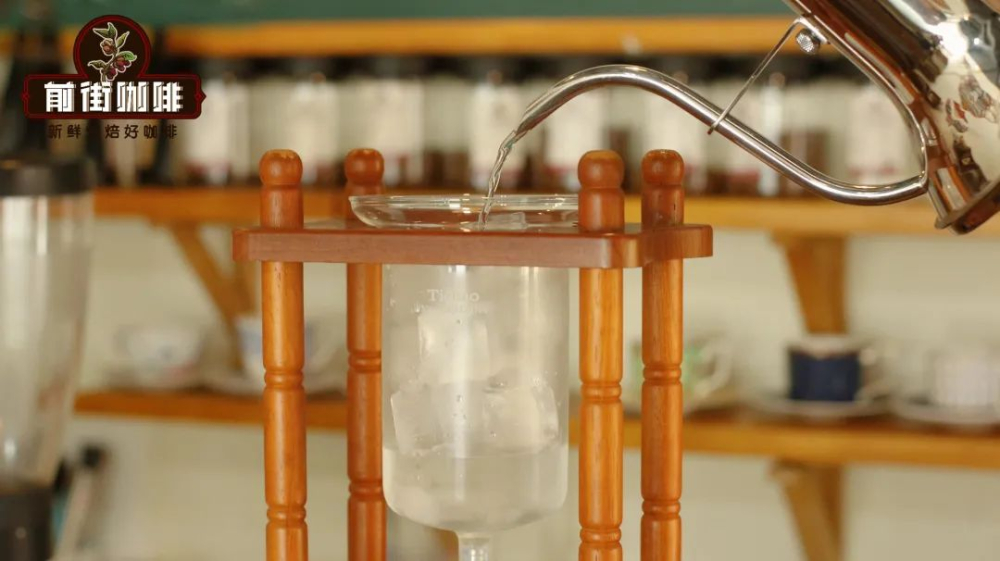
Pre-wetting is an important step in enhancing the consistency of iced drip extraction. Briefly pre-soaking the coffee grounds with ice water, similar to the bloom step in pour over, helps awaken the aromatic compounds in the coffee and allows the coffee bed to uniformly absorb moisture. This facilitates stable subsequent water penetration, avoids localized over- or under-extraction, and can also slightly shorten the overall brewing time.
Placing a round filter paper on top of the coffee chamber is a practice recommended by many experienced brewers. The filter paper not only helps filter out fine particles but also provides additional space for airflow and pre-wetting, allowing more comprehensive contact between the water and coffee grounds and preventing concentrated flow in one spot that could cause uneven extraction. With the filter paper in place, water can spread more evenly, contributing to a more balanced overall flavor.
Choosing the right grind size is also one of the key factors in the success of iced drip.It is generally recommended to use a setting where about 80% to 85% of the grounds pass through a Chinese No. 20 standard sieve—or roughly equivalent to a slightly finer than pour over grind.If the grind is too coarse, the water flows through too quickly, leading to incomplete flavor extraction and a potentially weak taste; if too fine, it can cause poor drainage, clogging, or even overly bitter and astringent over-extraction. In practice, adjustments can be made based on the specific grinder model used—for example, around 9.5 on the Ek43s, or between 20–22 on the hand grinder C40.
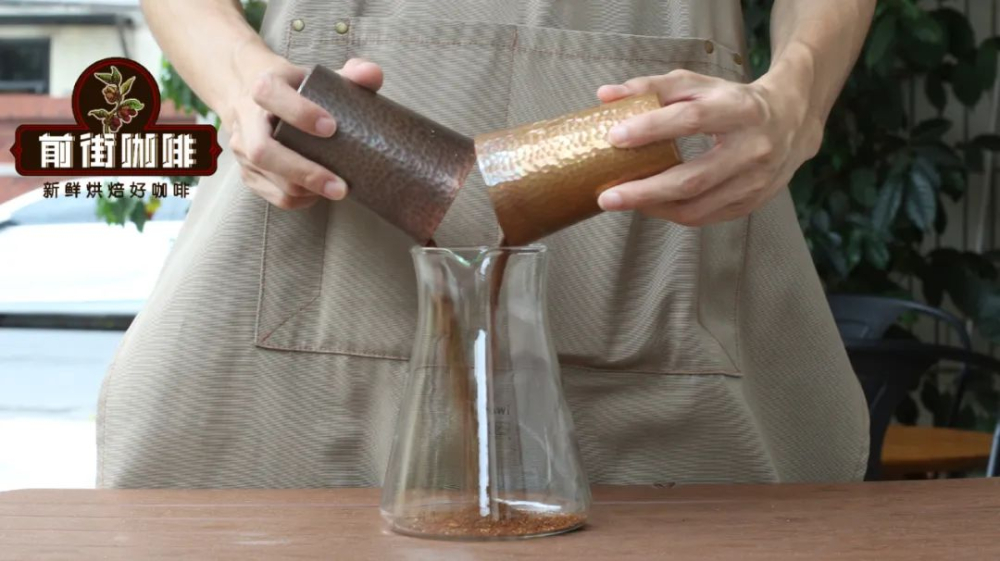
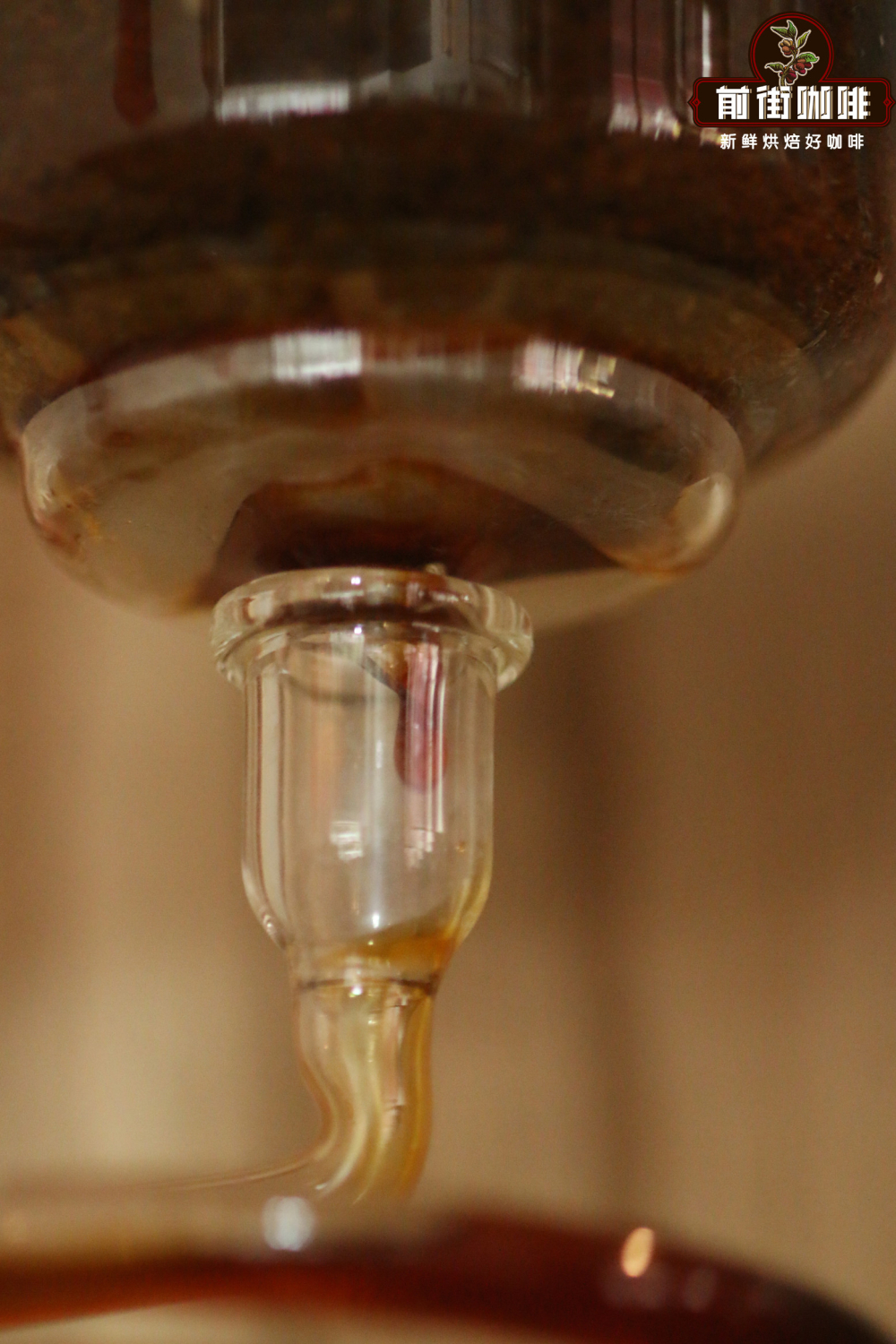
Dripping speed and coffee-to-water ratio are two core parameters for controlling iced drip extraction.It is recommended to maintain a dripping speed of 7 drops per 10 seconds, approximately 40–45 drops per minute. Too fast can lead to under-extraction, while too slow may result in over-extraction.As for the coffee-to-water ratio, it is advised to use a range of 1:10 to 1:14, depending on whether ice will be added for dilution later. For direct consumption after brewing, a more concentrated 1:10 ratio can be chosen; if you prefer to drink it over ice, you can go up to 1:12 or 1:14 for a more balanced taste.
Finally, once the iced drip coffee is brewed, it is recommended to let it sit in a sealed container,and place it in the refrigerator for at least 12 hours for post-brew fermentation.This stage allows the various flavor compounds in the coffee to further meld, developing richer aromas and layers, while also reducing any initial harshness that might be perceived in the fresh brew. The refrigeration process also helps stabilize the flavors, making the coffee’s mouthfeel rounder and the fermented aromas more pronounced.
The above content is compiled by CoffeeHunters, a coffee news website.


