







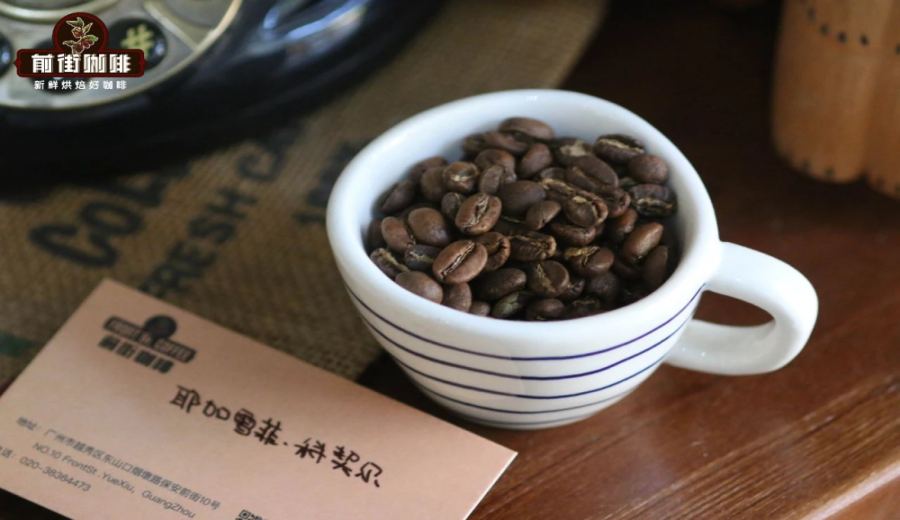
Introduction:G1 washed coffee beans produced in the Kochere region of Yirgacheffe are widely praised for their refreshing floral aroma and citrus notes. This article delves into the origin environment, processing methods, and flavor characteristics of these beans, and also provides practical brewing tips to help you fully unlock their potential—whether using pour over or cold brew, it’s easy to get started.
As one of Ethiopia’s most representative specialty coffee regions, Yirgacheffe’s Kochere area produces G1 grade washed coffee beans that are highly sought after by coffee enthusiasts for their distinct floral notes, bright acidity, and citrus profile. This article not only analyzes the regional background, production model, and washed processing techniques of this coffee, but also introduces its flavor profile and suitable extraction methods, helping you gain a deeper understanding of the charm of this classic bean.
The Kochere region is part of Ethiopia’s Sidama province, located at an altitude of approximately 1,900 to 2,000 meters in a highland area with a cool climate and significant day-night temperature variation, providing an ideal growing environment for coffee trees. The coffee grown here mainly consists of local native varieties, cultivated traditionally by numerous smallholder farmers, who then deliver their harvests to cooperatives for unified post-harvest processing, ensuring consistency and stability in quality.
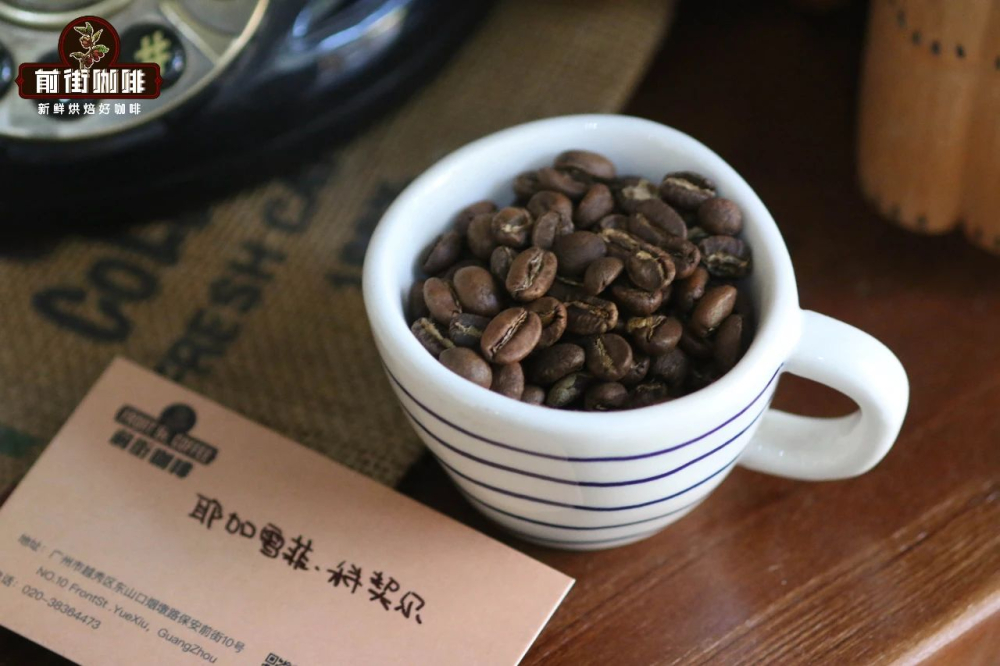
Although Yirgacheffe is just a small town with a population of around 20,000, its surrounding micro-regions—including Kochere, Gelena Abaya, and others—are grouped under the Yirgacheffe classification due to their similar microclimates and variety traits, and are equally highly regarded. The coffee from this area is known for its clear floral notes, bright acidity, and smooth mouthfeel, with the washed processing method showcasing these qualities in the purest form, resulting in a clean and layered drinking experience.
The Yirgacheffe Kochere G1 washed coffee is classified as Grade G1 by the ECX (Ethiopian Commodity Exchange), indicating a low defect rate and excellent cupping quality. This bean, commonly medium-light roasted, perfectly highlights its inherent flavors and is suitable for brewing methods such as pour over, drip bags, French press, or cold brew. It offers both aromatic expression and convenience, making it an ideal choice for many beginners entering the world of specialty coffee.
This coffee is planted and harvested by local cooperative smallholders, and after collection, it is sent to the cooperative for washed processing. The washed method effectively removes the pulp and impurities, making the coffee’s acidity cleaner and brighter, while also greatly reducing the likelihood of off-flavors. This results in a refreshing taste with bright citrus notes such as orange, lemon, and grapefruit upon entry, subtle hints of spices and herbs in the mid-palate, and a gentle, sweet finish with undertones of vanilla and black tea.
Brief flavor profile:Prominent floral and lemon peel aromas lead the way, with ripe citrus, orange, and grapefruit acidity as the main theme on the palate. The mid-palate subtly reveals complex notes of ginger and lemon thyme, while the finish lingers with soft vanilla and black tea sweetness. The overall profile is clean and well-layered.
In terms of processing and storage, the cooperatives in the Kochere region have adopted advanced packaging technologies, including those from the U.S.-based Grain Pro, Inc. They use multi-layer moisture-proof and oxygen-barrier plastic bags specifically designed for agricultural products, effectively shielding the beans from external moisture and oxygen, preventing issues such as dampness, mold, or pest infestation. This extends the shelf life and flavor stability of the green beans, ensuring that roasters and consumers still experience the beans at their best upon receipt.
For coffee enthusiasts who enjoy brewing at home, it is recommended to use a medium-fine grind with water temperature between 90–94°C. When using the pour over method, a coffee-to-water ratio of 1:15 to 1:16 is ideal, with a brewing time controlled between 2 to 2 minutes and 30 seconds, which can effectively highlight its fresh citrus and floral notes. If choosing cold brew, it is advised to extend the brewing time to 12–16 hours, using a low-temperature slow extraction method to preserve the fruit acidity and aroma layers, resulting in a smoother and more balanced flavor profile.
The above content is compiled by CoffeeHunters, a coffee news website.


