







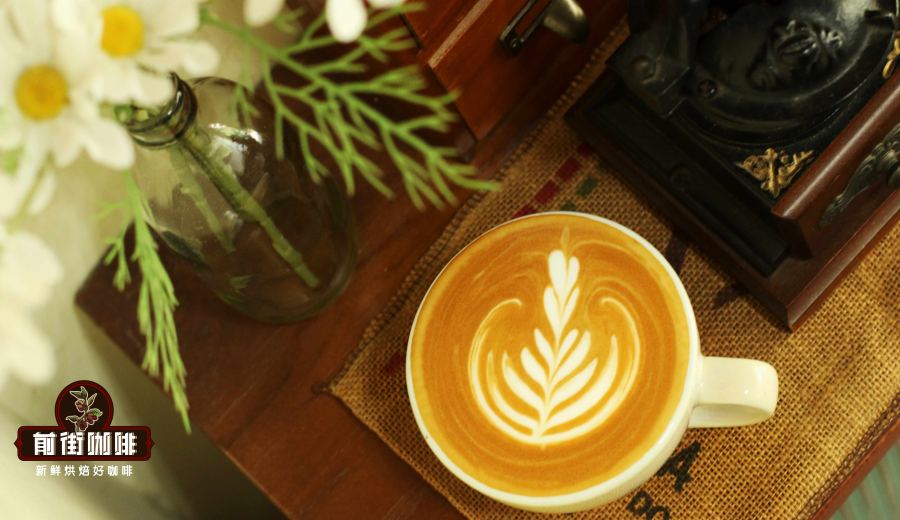
Introduction:To make a latte with balanced flavors and a rich mouthfeel, besides mastering latte art techniques, selecting the right milk and coffee beans is key. This article delves into the differences between pasteurized fresh milk and UHT long-life milk, and recommends medium-dark to dark roast blends suitable for lattes. From flavor profiles to practical brewing applications, it helps you master the essence of making milk-based coffee.
A memorable latte actually hinges on the rigorous selection of ingredients. Among them, espresso and milk are the two most essential elements. Milk accounts for over 70% of the entire drink and plays the dual role of complementing the aroma of the coffee while showcasing its own smoothness and sweetness. The coffee beans, on the other hand, form the foundation of the overall flavor. Only when the two are perfectly paired can a truly captivating milk coffee be achieved.
Currently, the commonly available types of milk on the market are mainly divided into two categories: fresh milk treated with pasteurization, and long-life milk processed using ultra-high temperature (UHT) instant sterilization technology. Pasteurized fresh milk is sterilized at temperatures between 72°C and 85°C. This temperature range effectively eliminates harmful bacteria while preserving milk globulin, vitamins, and some active enzymes, resulting in a more natural and rich milk aroma, with a slight natural sweetness upon tasting. However, its shelf life is relatively short, usually requiring refrigeration and lasting about 7 to 10 days. In contrast, UHT long-life milk is treated at temperatures above 135°C, which significantly extends its shelf life but also destroys the natural active substances, some calcium, and vitamins in the milk, leading to a blander taste and noticeably weaker milk aroma compared to pasteurized fresh milk. Its advantage lies in ease of long-term storage and portability.
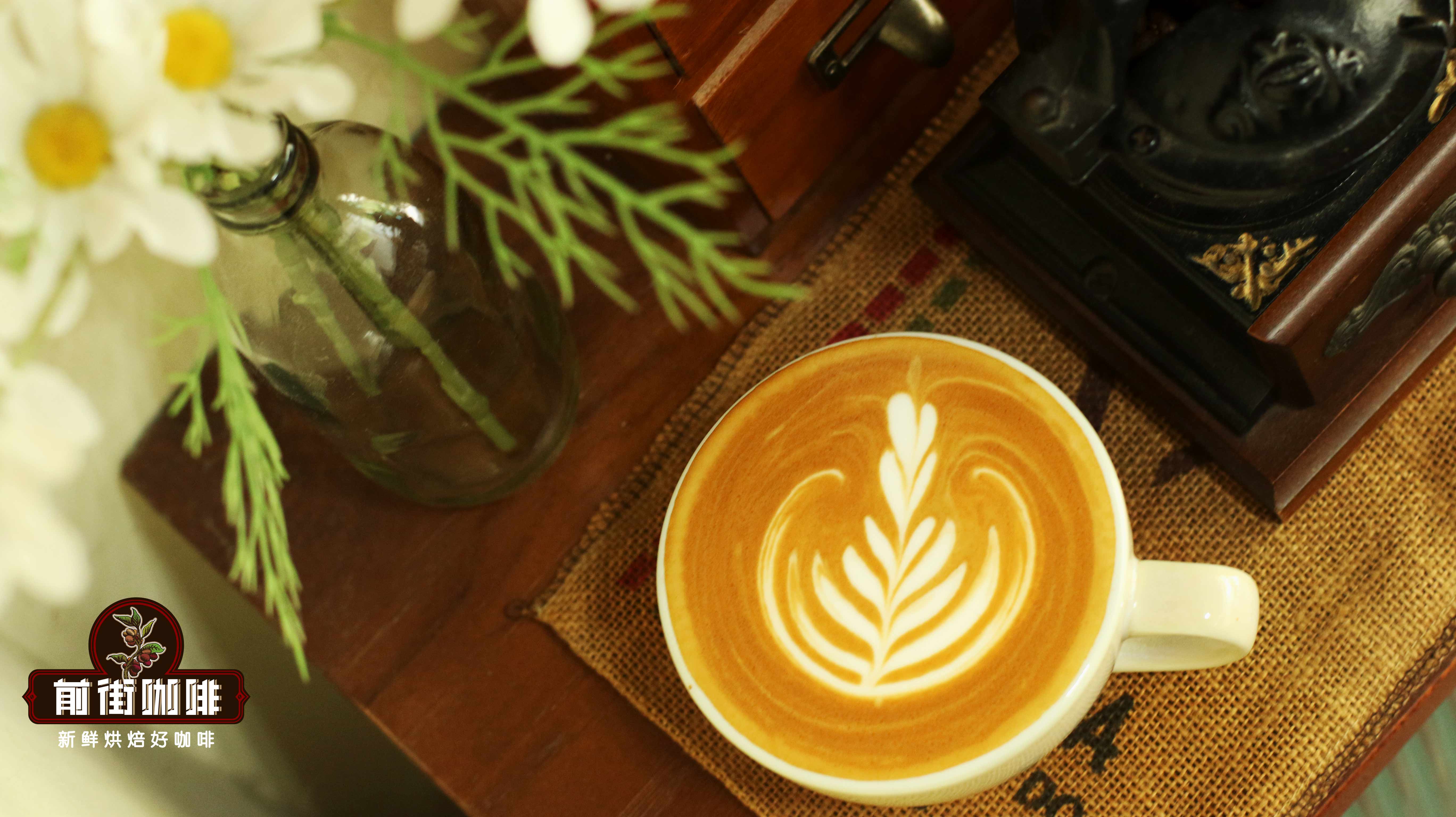
As for the choice of blend, it directly determines the flavor framework of the latte. Since a large amount of fresh milk is added to a latte, if the espresso itself lacks sufficient flavor or body, it can easily be overshadowed by the sweetness of the milk, causing the entire drink to lose its layers. Therefore, it is recommended to choose medium-dark to dark roast espresso blends. These types of beans often exhibit distinct notes of nuts, chocolate, caramel, butter, and even spices, which can present a richer and smoother mouthfeel when blended with milk.
Many beginner coffee enthusiasts may feel overwhelmed by the wide variety of coffee beans available on the market. In fact, although there are many purchasing channels, having a stable and well-reviewed supply source is particularly important. It is recommended to prioritize brand flagship stores with good market feedback, as these platforms usually have stricter quality control, fresher bean roast dates, and can ensure optimal flavor performance.
Taking several popular classic espresso blends on the market as examples, if you prefer milk coffee with prominent caramel and butter aromas, you can opt for classic blends that combine elements of Indonesian Mandheling and Brazilian beans. Such formulas often further enhance the crema performance and flavor balance based on the traditional Mocha-Java style, making them suitable for home brewing or café operations. They are especially good for latte art, providing fuller milk foam support for clearer and more three-dimensional patterns.
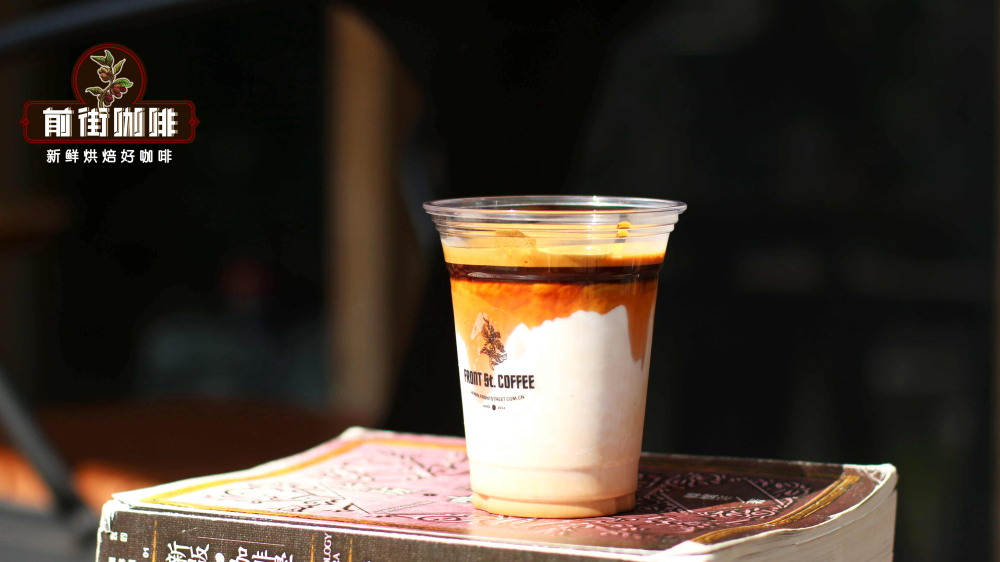
If you’re aiming for an overall balanced taste without any overpowering notes, and also want to consider cost-effectiveness, some blend combinations often recommended by baristas are worth trying. These beans typically feature gentle fruit acidity, caramel sweetness, along with distinct notes of nuts and dark chocolate. They offer a smooth mouthfeel and moderate viscosity, making them suitable for daily drinking or for use in high-volume café settings, meeting the taste preferences of most consumers.
Additionally, if you want your latte to have a refreshing floral and fruity profile while still retaining sweetness, you might consider using multi-region, multi-processing-method blends. For example, blends combining beans from Costa Rica, Colombia, and Ethiopia, and integrating various processing methods such as natural, washed, and honey processing, can present diverse flavor layers like rose, grape, orange, cream, and almond after extraction. Lattes made from such beans often carry aromas reminiscent of cream and strawberry cookies, especially suitable for summer drinking, bringing a refreshing experience different from typical hot drinks.
In summary, an outstanding latte is not just a simple combination of coffee and milk, but a comprehensive consideration from ingredient selection, roast level, to final brewing parameters. Master the characteristics of different types of milk, choose the right blend, and pair it with stable extraction and appropriate milk foam thickness — and you too can easily create professional-grade milk coffee flavors either at home or in a café.
The above content is compiled by CoffeeHunters, a coffee news website.


