







Introduction:The Geisha coffee from Panama's Hacienda La Esmeralda is renowned for its meticulous grading system. The Red Label, Green Label, and Blue Label not only represent different altitudes and processing methods but also directly influence flavor profiles and pricing. This article provides an in-depth analysis of the origin, cupping characteristics, and actual brewing differences among the three grades, along with professional roasting and pour-over recommendations to help coffee enthusiasts choose the most suitable Geisha beans based on their preferences.
Hacienda La Esmeralda is globally recognized for its rigorous altitude-based grading and plot management. Its Geisha series is subdivided into auction-grade Red Label, Green Label, and Blue Label based on cultivation conditions, with each grade exhibiting significant differences in altitude, processing method, and flavor profile. Understanding this grading logic not only helps consumers select beans that align with their budget and taste preferences but also allows for a deeper appreciation of the diverse potential of the Geisha variety.
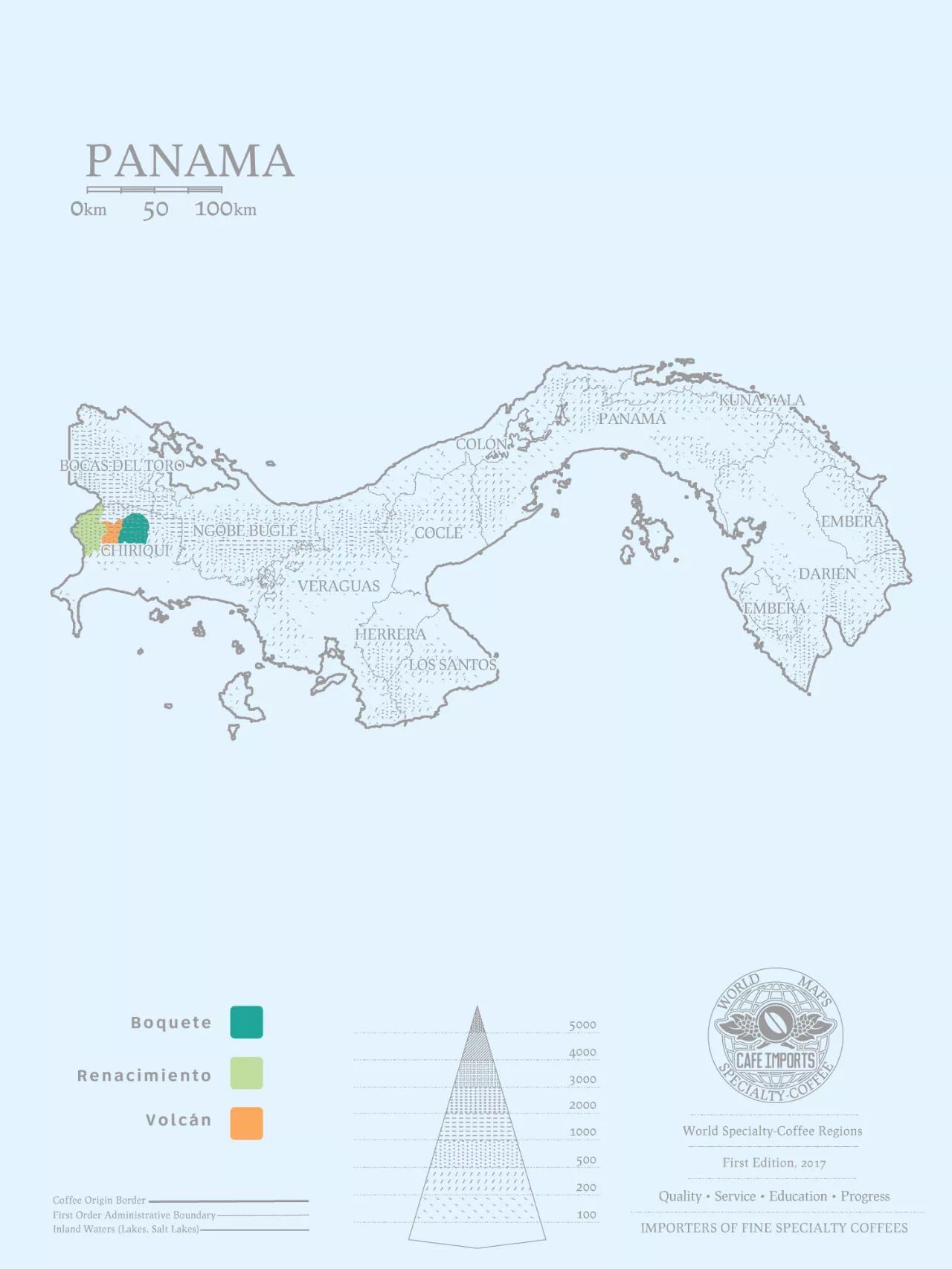
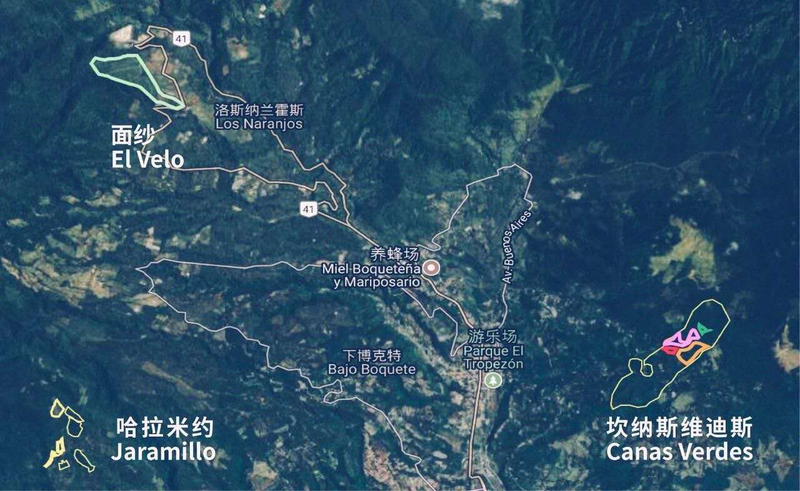
As a key specialty coffee-producing region in Central America, Panama's coffee industry has risen in tandem with its geographic conditions and international exchanges. Since European immigrants introduced coffee cultivation in 1780, Panama experienced a long period of stagnant quality until the late 20th century, when it turned a corner thanks to refined management and international market demand. Hacienda La Esmeralda played a pivotal role in this transformation, with its three core farms in the Boquete region—Jaramillo, Cañas Verdes, and El Velo—providing an ideal growing environment for the Geisha variety.
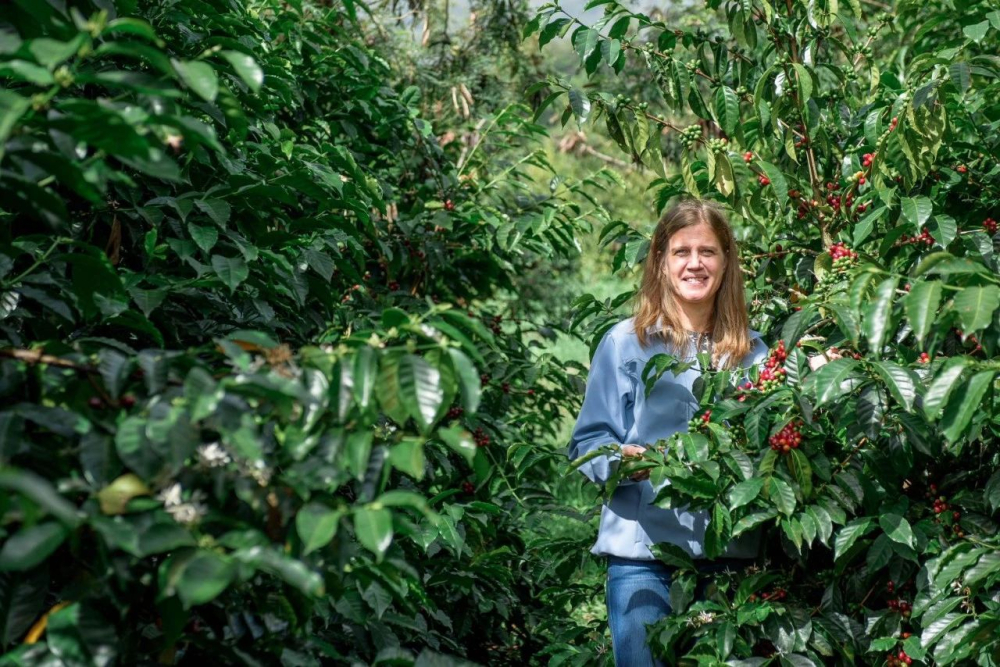
The history of Hacienda La Esmeralda dates back to 1964, when American banker Rudolph A. Peterson retired and settled in Panama, purchasing the estate. His son, Dr. Peterson, introduced the Caturra and Catuaí varieties in 1987 and established a washed processing facility in 1994, laying the foundation for modern production. Currently, the estate’s dedicated Geisha plots include Jaramillo (1600–1700 meters), Cañas Verdes (1500–1600 meters), and the high-altitude El Velo farm (1650–1900 meters), acquired in 2012. Jaramillo, in particular, is the birthplace of the Geisha variety, which was initially considered mere windbreak due to its limited yield.
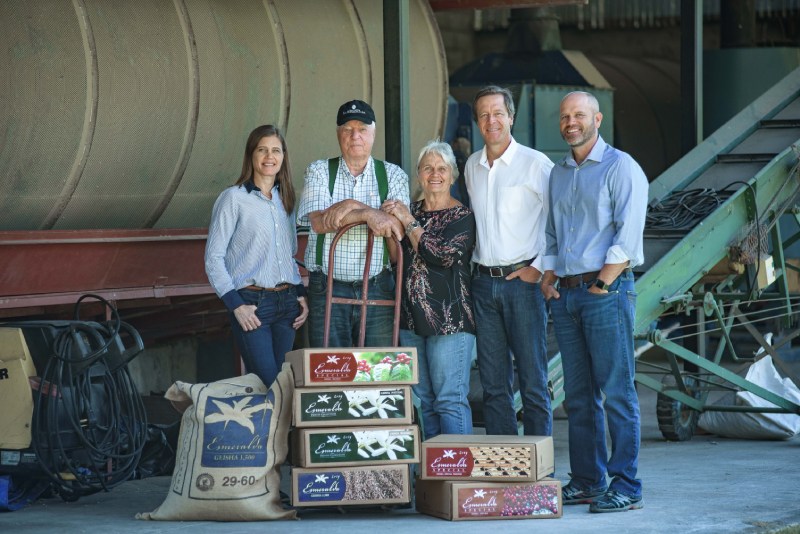
Hacienda La Esmeralda categorizes its Geisha into three grades based on altitude and plot: auction-grade Red Label, Green Label, and Blue Label. The Red Label Geisha is exclusively sourced from the top lots of Jaramillo and Cañas Verdes at altitudes of 1600–1800 meters, with cupping scores above 90. These beans are either sold through independent auctions or selected distribution channels, processed via natural or washed methods, and showcase intense floral aromas and citrus notes.It’s worth noting that non-auction Red Labels available on the market, while sharing the same origin and processing, bypass the auction process. They offer relatively more affordable pricing while retaining comparable quality.
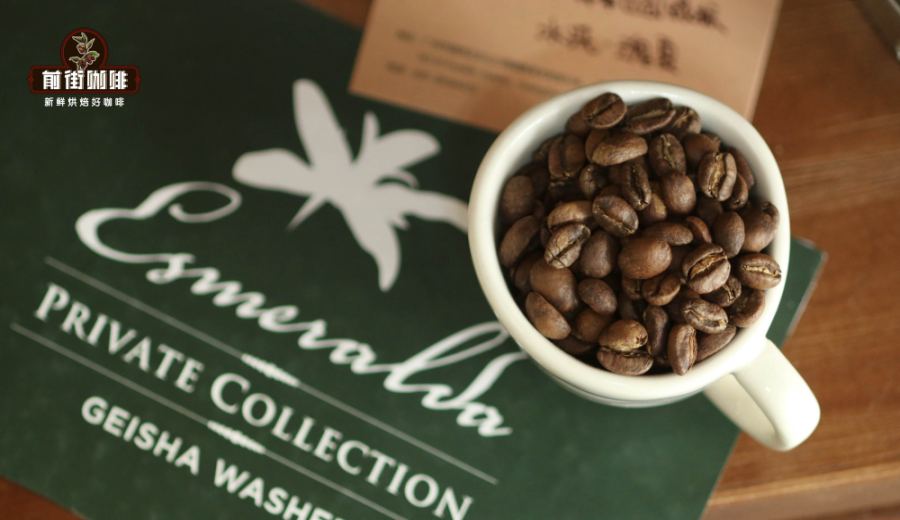
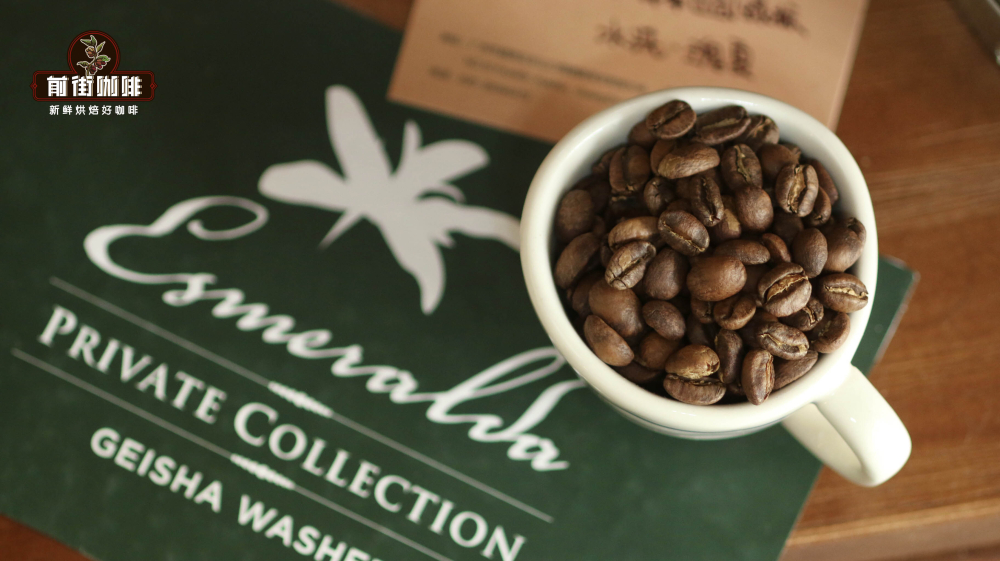
The Green Label (Private Collection) blends Geisha from multiple micro-plots within Jaramillo and Cañas Verdes at altitudes of 1600–1800 meters. Though not part of the auction, it maintains high selection standards. Due to its blended nature, flavor profiles may vary slightly between batches, but the core traits—bright acidity, citrus aroma, and full body—remain consistent. Processing methods include both washed and natural.
The Blue Label (Geisha 1500), positioned as an entry-level Geisha, uses a blend of beans from all three farms at altitudes of 1400–1500 meters. Its flavors are characterized by soft floral notes, citrus acidity, and a sweet finish, with only washed processing available (a natural version was added starting in 2020). Despite its lower altitude, this grade retains the estate’s signature refined processing, making it ideal for first-time Geisha drinkers.
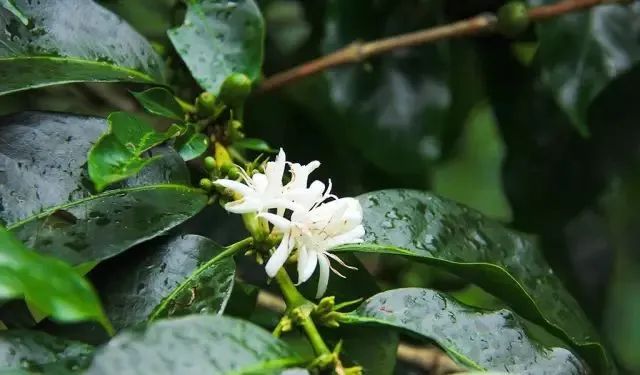
Examining plot details, Jaramillo receives 4000 mm of annual rainfall and experiences significant diurnal temperature variations (daytime 19–25°C / nighttime 11–15°C), giving rise to five sub-zones such as Mario and Ferris Wheel. Cañas Verdes boasts complex terrain, volcanic soil, and 3500 mm of annual rainfall, comprising 11 micro-plots like Linaza and Coronation. The highest-altitude El Velo farm spans 50.25 hectares, with 37.9 hectares exclusively dedicated to Geisha, further divided into seven finely managed plots like Handsome and Gate, where over 400 rare varieties such as SLN-28 and Pacamara are trial-planted.
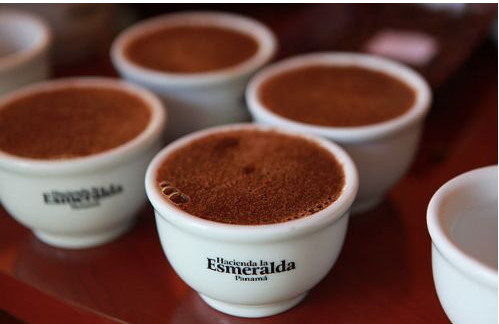
Regarding roasting strategies for different grades, one brand adopts light roasting as the core approach to highlight the vibrant floral and fruity notes of Geisha, fine-tuning parameters based on altitude characteristics:For the Red Label, the charge temperature is 150°C, with the first crack development phase maintained at 189.5°C to preserve acidity sharpness. The Green Label raises the charge temperature to 190°C, with first-crack development at 193.5°C to enhance sweetness. The Blue Label adjusts the charge temperature down to 180°C and finishes at 190°C to balance acidity and sweetness.In actual cuppings, the Red Label exhibits jasmine and dried citrus aromas, with berry and honey wet aromas. The cup delivers a layered profile of lemon, mango, and cream. The Green Label centers on ginger flower and sweet orange, with almond and green tea aftertastes. The Blue Label presents gentle acidity of lemon and grapefruit, with an oolong tea and cane sugar sweetness in the finish.
For pour-over brewing, it’s recommended to use a Hario V60 dripper with a water temperature of 90°C, a 1:15 coffee-to-water ratio (15g coffee to 225ml water), and a medium-fine grind size (approximately BG #5R, 80% passing through a standard No. 20 sieve). Employ a three-stage extraction: 30g bloom for 30 seconds, followed by incremental pouring up to 125g and then to 225g, with a total brew time of around 2 minutes. These parameters effectively extract the nuanced flavors of each Geisha grade, particularly highlighting the complex fruitiness of the Red Label and the bright citrus notes of the Blue Label.
In summary, Hacienda La Esmeralda’s Geisha grading system not only reflects differences in altitude and plots but also delivers a comprehensive selection—from auction-grade premium beans to entry-level options—through stringent cupping selection and processing techniques. Whether you’re pursuing ultimate flavor expression or exploring the charm of Geisha for the first time, understanding the core distinctions among the Red Label, Green Label, and Blue Label will help you find the perfect specialty coffee experience to match your taste.
The above content is compiled by CoffeeHunters, a coffee news website.


