







Introduction:Jamaican Blue Mountain No. 1 coffee is hailed as one of the world’s finest coffees, yet the market is rife with counterfeits and misconceptions. This article delves into the legal growing regions, grading system, and authentication tips for Blue Mountain No. 1, while also detailing the characteristics and flavor differences between the washed and natural processing methods. Additionally, it provides professional pour over recommendations and parameters to help you truly understand and enjoy the authentic taste of Blue Mountain.
Jamaican Blue Mountain coffee enjoys global renown, but much of what consumers buy as “Blue Mountain flavor” has little to do with genuine Blue Mountain No. 1. Most so-called Blue Mountain flavor coffees are blends that only mimic the flavor profile of Blue Mountain, rather than being grown in the Blue Mountain region. Only coffee beans cultivated at elevations above 1,000 meters in Jamaica’s Blue Mountain range can be officially called “Blue Mountain coffee,” and the highest quality among them is Blue Mountain No. 1.
Authentic Blue Mountain No. 1 comes from four officially designated administrative regions in Jamaica: St. Andrew, St. Thomas, St. Mary, and Portland. These areas are located in the Blue Mountain mountain range, characterized by rugged terrain, pleasant climate, fertile volcanic soil, and abundant rainfall and mist, all of which nurture uniquely flavorful and well-balanced coffee beans. The altitude, temperature, and humidity here collectively contribute to the delicate, smooth, and multi-layered taste of Blue Mountain coffee.
Blue Mountain coffee is categorized into three main classes based on altitude and quality: Jamaican Blue Mountain coffee, Jamaican High Mountain coffee, and regular Jamaican coffee. Among these, Blue Mountain coffee must be grown at elevations between 1,000 and 1,700 meters, making it rare in production. The beans are large with low defect rates, offering an excellent balance of acidity, bitterness, aroma, richness, and sweetness, and are widely recognized as the world’s top-tier coffee. Blue Mountain coffee is further graded by bean size and defect rate into No. 1, No. 2, No. 3, and Peaberry (abbreviated as PB), with No. 1 being the highest grade.The defect rate must not exceed 2%, and the bean size specification is 17/18.
Jamaican High Mountain coffee is grown at elevations between 500 and 1,000 meters. Though not as refined as Blue Mountain coffee, it still boasts respectable quality and serves as a budget-friendly alternative for those who appreciate the Blue Mountain flavor profile. Coffee grown at altitudes below 500 meters is generally referred to as Jamaican coffee, usually featuring more ordinary flavors that differ markedly from the Blue Mountain series.
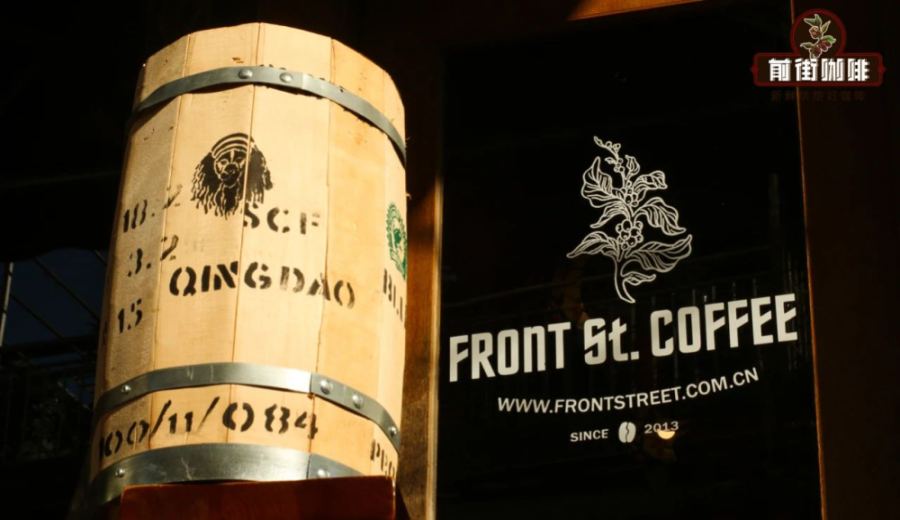
Due to the high fame of Blue Mountain No. 1, the market is flooded with imitation products, such as “Blue Mountain-style coffee,” “Blue Mountain blends,” or even products directly labeled as “Blue Mountain coffee” that may contain no actual Blue Mountain beans at all. When purchasing, besides checking for origin certification and import information, consumers can also perform preliminary identification using the following practical criteria: First, Blue Mountain No. 1 green beans are typically bluish-green, plump, and uniformly sized; roasted beans appear full-bodied and glossy. Second, when hand-grinding, high-altitude-grown Blue Mountain beans have loose cell structure, feeling crisp and smooth. Thirdly, genuine Blue Mountain beans exhibit exceptionally rich and layered dry and wet aromas, distinctly different from ordinary blends. Moreover,Jamaica is one of the few coffee-producing regions in the world that still ships green beans in wooden barrels, often marked with a green frog symbol, which signifies Rainforest Alliance certification and quality.
In terms of processing methods, Blue Mountain No. 1 has traditionally been primarily washed, utilizing water washing and fermentation to remove the pulp and mucilage. This process requires precise control of fermentation time (usually 12 to 18 hours), followed by thorough rinsing until the bean surface is smooth, and then shade drying to reduce moisture content to 12%–14%. Recently, some Blue Mountain coffee has also been processed using the natural (sun-dried) method, preserving more fruity notes and fermentation character, thus delivering different layers of flavor. Washed Blue Mountain typically showcases flavors of dark chocolate, nuts, and a creamy-smooth mouthfeel with balanced acidity and sweetness; whereas natural Blue Mountain may present berry acidity, nuttiness, and subtle fermentation notes, with tea-like undertones and dark chocolate flavors intermingling, resulting in a more vibrant and layered profile.
Regarding roasting, Blue Mountain No. 1 is mostly medium roasted, which helps preserve its delicate regional characteristics while bringing out a rich array of layers. For pour over, it is recommended to use a Kono dripper, with water temperature controlled at 88°C, a brew ratio of 1:15, and a grind size suggested to be 70-75% through a 20-mesh sieve. These parameters help avoid over-extraction, especially when handling darker roasts, allowing the refined flavors of Blue Mountain coffee to be fully expressed. During brewing, it is advised to use a three-stage pouring method: start with a 30g bloom for 30 seconds, followed by pours of 125g and 225g, with total extraction time kept around 2 minutes.
In terms of flavor, washed Blue Mountain No. 1 often presents a rich base of dark chocolate and nuts, with a creamy-smooth mouthfeel and a finely balanced acidity and sweetness; the natural version features berry acidity, nuttiness, and mild fermentation notes, interweaving tea-like tones with dark chocolate flavors, resulting in a more dynamic and layered profile. Regardless of the processing method, both showcase the unique harmonious flavors of Blue Mountain coffee — a classic choice not to be missed by coffee enthusiasts.
The above content is compiled by CoffeeHunters, a coffee news website.


