







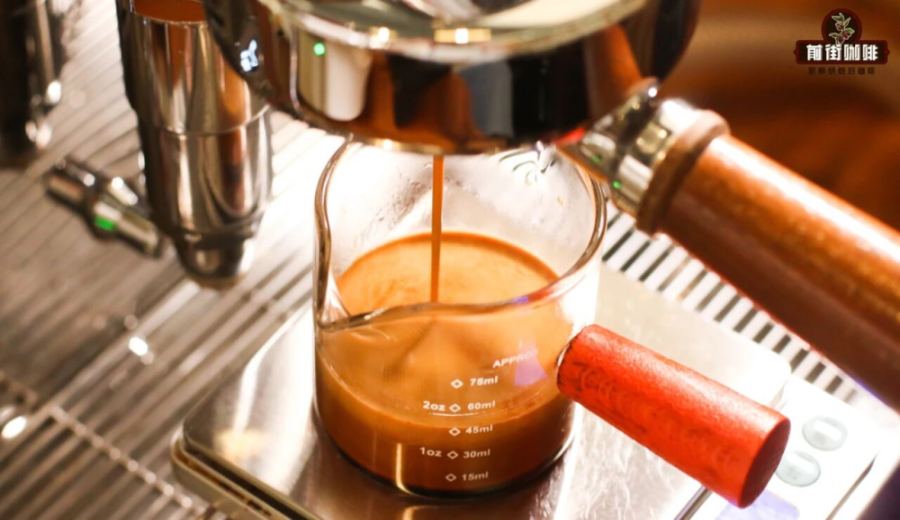
Introduction:Many people view the Moka pot as an economical alternative to an espresso machine, but in reality, there are significant differences between the two in terms of extraction pressure, concentration, and the fineness of crema. This article will delve into the technical parameters of the Moka pot versus the espresso machine—such as pressure performance (e.g., the key difference between 9bar and 3–4bar), coffee concentration, and the texture of crema—and includes practical comparisons of their performance when making specialty drinks like lattes and Dirty coffees. This will help you determine which brewing tool better suits your daily coffee needs.
The Moka pot has long been hailed as a “stovetop espresso maker.” With its affordable price and rich flavor, it has become the go-to choice for many coffee enthusiasts just starting out. While it can brew dark roast coffee with a certain level of crema, how does it truly compare to a professional espresso machine in terms of pressure, espresso extraction, and its use in specialty coffee drinks? This article will take you through a comprehensive understanding of whether the Moka pot can truly replace an espresso machine—from extraction principles and pressure differences to coffee concentration—and analyze its suitability for various everyday scenarios.
How Does a Moka Pot Work?
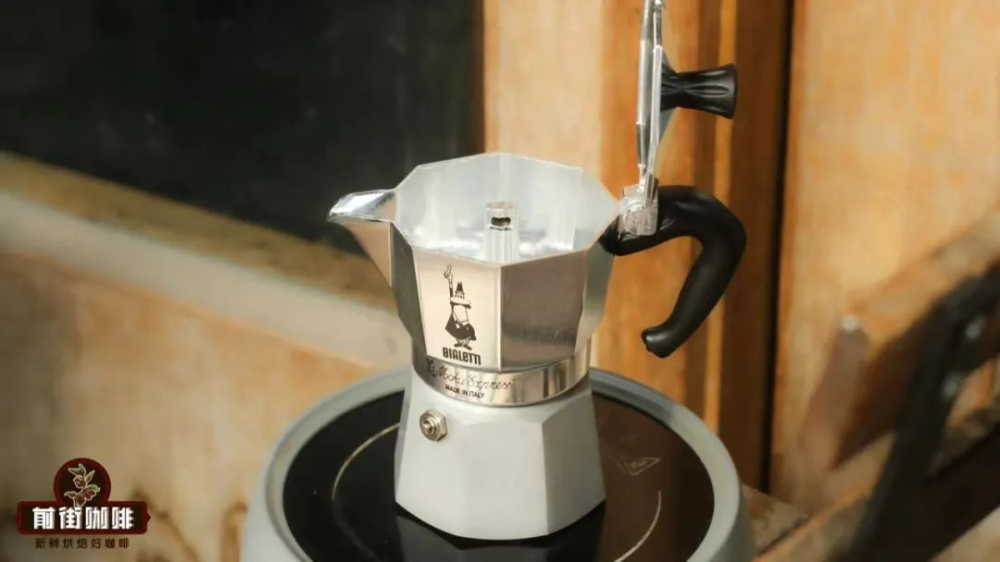
The Moka pot is typically heated directly on a stovetop. It uses the steam pressure generated by the heat to push hot water through a bed of ground coffee to extract the brew. Thanks to its simple operation and low equipment cost—usually priced at just a few hundred yuan—it is often regarded as a “budget-friendly espresso-making tool.” But does being inexpensive mean it can fully replace a professional machine? In the following sections, we’ll break down the actual differences between the two.
Pressure Difference Is Key: Moka Pot’s 3–4bar vs Espresso Machine’s 9bar
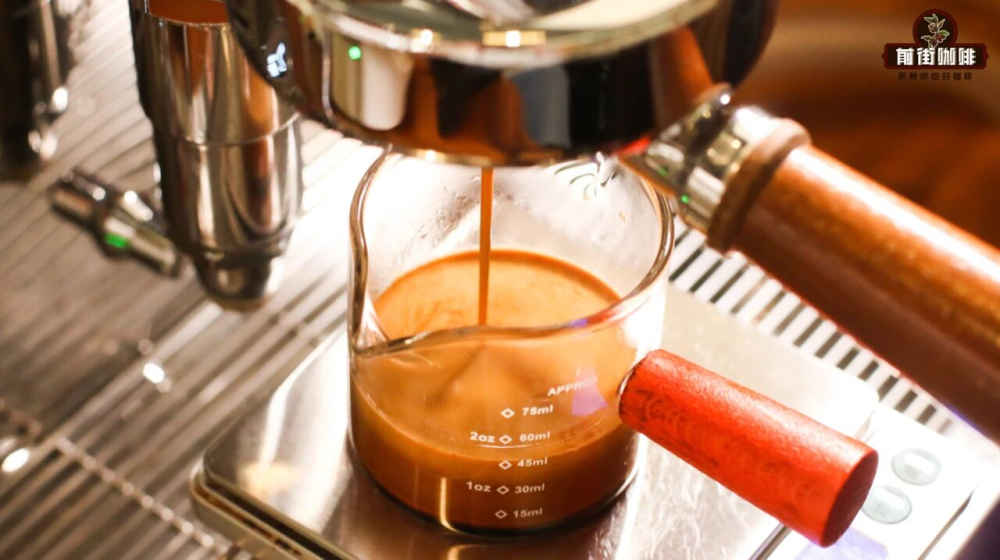
Both the Moka pot and the espresso machine rely on pressurized extraction, but the sources and intensity of the pressure are fundamentally different. An espresso machine uses a built-in high-pressure pump to steadily deliver approximately9barbars of extraction pressure, enabling water to rapidly pass through finely ground coffee in an extremely short time. This extracts a highly concentrated coffee liquid rich in delicate flavors and forms a stable, thick crema. The Moka pot, on the other hand, relies on the steam pressure produced by heating, usually achieving only3~4barbars—far lower than the standard of a professional machine.
This significant pressure gap means the Moka pot cannot fully extract the delicate aromatic compounds from coffee in a short time, nor can it produce the uniform and stable fine crema that an espresso machine can. Even if you use the same coffee beans—such as common dark roast blends—the resulting coffee liquid will show notable differences in concentration and taste.
Concentration and Crema Performance: What the Moka Pot’s Test Data Shows
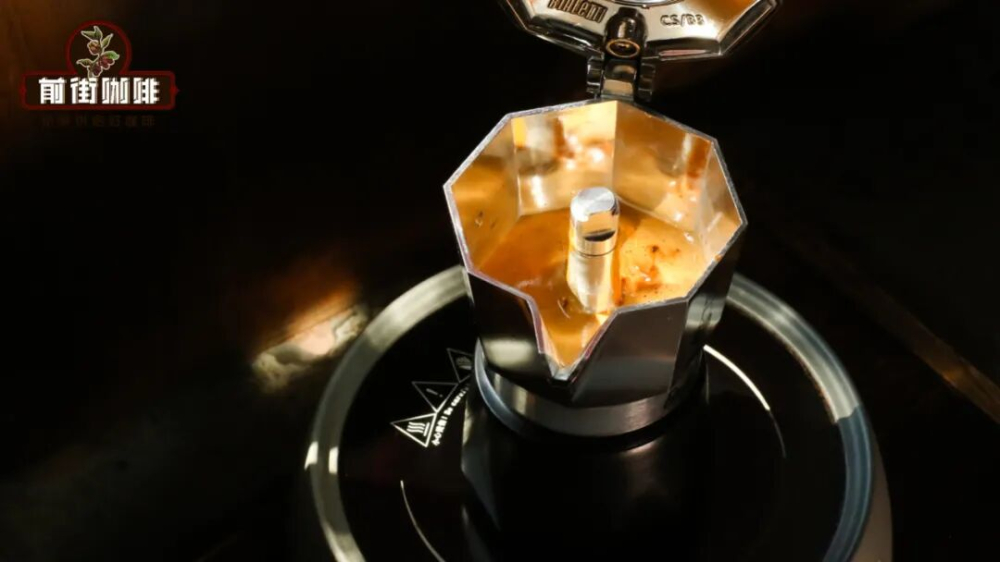
Taking a practical test as an example, using the same coffee dose (around 20 grams), the same grind size (approximately 1.0, similar to the setting on a Galileo Q18), and aiming for a target brew weight of 40ml, the Moka pot—even with extended extraction time and reduced heat—still results in a coffee liquid thathas significantly lower concentration than espresso made with an espresso machine. Although both may appear to have a layer of “crema” on the surface, what the Moka pot produces is mostly foam formed by valve compression, not the truly fine and stable crema. It lacks stability and dissipates quickly.
This concentration difference also directly affects its performance in specialty coffee drinks. For example, when making a latte with high-concentration espresso, the recommended coffee-to-milk ratio can be 1:5 while still maintaining distinct coffee flavor. But if you use coffee brewed from a Moka pot, you’ll need to adjust the ratio to around 1:4 or even lower to avoid the milk overwhelming the coffee flavor—and even then, it’s hard to achieve the same depth of flavor.
Specialty Coffee Application Comparison: Lattes, Dirty Coffees Differ Significantly
When actually making specialty coffee drinks, the limitations of Moka pot coffee become even more apparent. For instance, a Dirty coffee emphasizes the quick contrast and layering effect between high-concentration coffee and cold milk. But because Moka pot coffee has a lower concentration, the layering effect often becomes blurred quickly, failing to deliver the visual and textural contrast that professionally extracted espresso provides. Additionally, the thinner and less stable crema from the Moka pot cannot offer the same rich mouthfeel support as espresso, further affecting overall flavor performance.
Who Is the Moka Pot Suitable For? Uses and Limitations Summarized
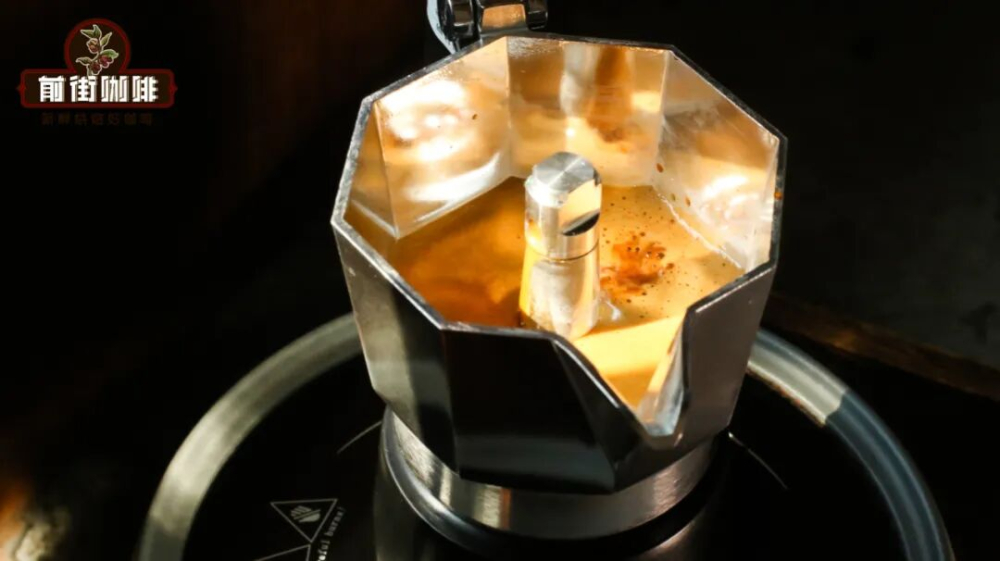
In summary, the Moka pot cannot fully replicate the performance of an espresso machine in terms of pressure, concentration, and the fineness of crema. But it is definitely a convenient and affordable option for making coffee. If you simply want to easily brew a cup of coffee with some crema at home—suitable for pairing with breakfast or simple milk drinks—the Moka pot is sufficient. Especially for beginners on a budget who are just entering the world of coffee, it’s a great pain-free entry tool.
However, if you’re aiming for café-level espresso, or want to make lattes, cappuccinos, or Dirty coffees with stable quality and delicate flavors, then an espresso machine remains an irreplaceable choice.
The above content is compiled by CoffeeHunters, a coffee news website.


