







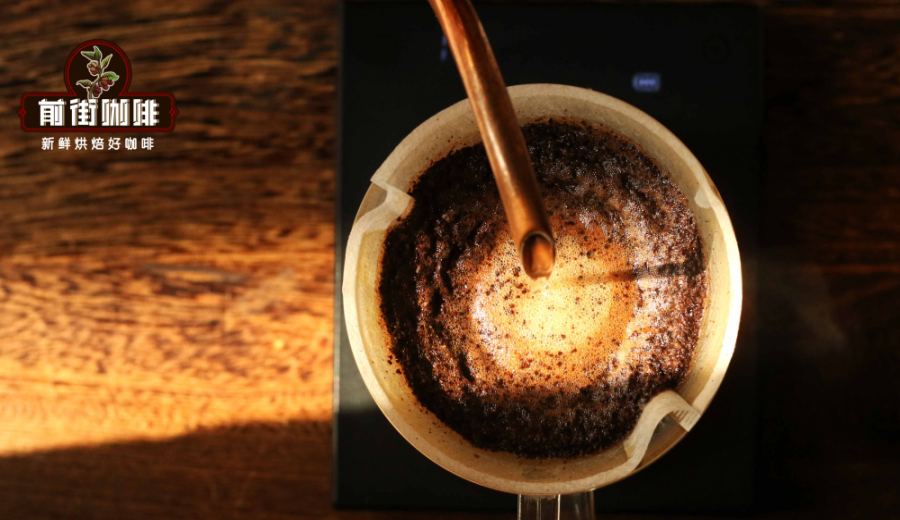
Introduction:Finding your pour over coffee tasting watery and lacking flavor is a common issue many coffee enthusiasts face. This problem usually stems from two main causes: under-extraction or low coffee concentration. This article will delve into the specific manifestations and causes of these two scenarios, and provide practical adjustment suggestions including grind size, water temperature, coffee-to-water ratio, and brewing time to help you master pour over techniques precisely and brew rich, well-balanced coffee.
Many novice pour over brewers, even seasoned baristas, have brewed a cup of “watery and flavorless” coffee. Such outcomes can be frustrating, but the issue often lies in the control of extraction and concentration. If you frequently find your coffee tasting as weak as plain water with little flavor, it’s likely due to “under-extraction” or “low coffee liquid concentration.” Once you understand the underlying principles, you can make targeted adjustments to parameters and quickly improve your brewing results.
First, when you find your pour over coffee weak and tasteless, the first thing to consider is: is the coffee bean you selected suitable for your taste preference? If you prefer bold, full-bodied, and low-acid coffee, it’s recommended to choose medium to dark roasted beans, such as Indonesian Golden Mandheling, Blue Mountain No.1, or estate beans with a rich texture. These types often exhibit intense notes of nuts, chocolate, and caramel, making them ideal for those who enjoy a fuller mouthfeel.
On the other hand, if you prefer bright, refreshing coffee with floral and fruity notes, you might opt for medium to light roasted African beans, such as Yirgacheffe or Rwandan Red Bourbon. These coffees often showcase vibrant flavors of citrus, flowers, and berries. However, if you’ve already chosen a suitable bean variety but still end up with a bland cup, the issue is likely in the brewing process.
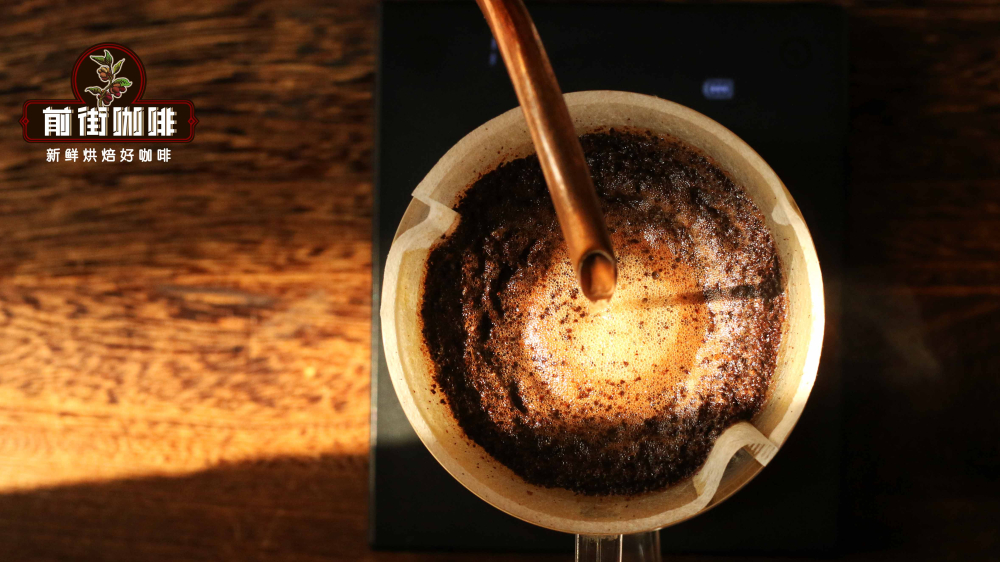
Why does pour over coffee sometimes turn out “as weak as water”? The primary reason is “under-extraction.” Simply put, during the brewing process, the water fails to effectively extract enough of the “good stuff” from the coffee grounds, resulting in a lack of sufficient flavor support. Ultimately, the coffee tastes thin, watery, and may even carry slight saltiness or astringency.
The extraction process is actually a combination of chemical and physical reactions, influenced by multiple parameters, includinggrind size,water temperature,coffee-to-water ratio, andbrewing time. These factors collectively determine how much aromatic compounds and flavor components the water can draw out from the coffee grounds. If any one of these parameters is set improperly, the overall extraction efficiency will drop, leading to a weak and tasteless cup.
For example, if you use 15 grams of coffee beans with a typical pour over brewing time of around 2 minutes, but the actual brewing time is noticeably shorter than 2 minutes (by more than 10 seconds), it likely means your grind is too coarse, causing the water to pass through the coffee bed too quickly without extracting enough material. In this case, it’s recommended to grind finer to extend the contact time between water and coffee grounds, thereby improving extraction yield.

Conversely, if the brewing time exceeds 2 minutes but the coffee still tastes weak and bland, it could be due to low water temperature. It’s generally recommended to use hot water at 90–94°C for brewing medium to light roasted beans. If the water temperature is too low, flavor compounds are not easily released, which can also result in under-extraction. In this case, moderately increasing the water temperature can help release more beneficial components and improve the coffee’s performance.
Of course, if you’re limited by your grinder or using pre-ground coffee and cannot adjust the grind size, you can compensate through other variables. For instance, slightly increasing the water temperature, extending the brewing time, or even altering the brewing technique (such as using a multi-pour method or switching filter cone designs) can all effectively enhance extraction efficiency and compensate for the drawbacks caused by overly coarse grinding.
Another common issue is “low coffee concentration.” This differs from under-extraction; it occurs because you’re using too much water to extract a relatively small amount of coffee grounds, resulting in the coffee’s flavor compounds being “diluted.” Even with sufficient extraction, the final coffee liquid may appear weak and insipid.
For example, using a 1:17 coffee-to-water ratio (i.e., 1 gram of coffee to 17 milliliters of water) may not have extraction issues per se, but because the water proportion is high, the brew color appears lighter and the flavor expression is also reduced. If you notice that the coffee liquor is clear and the color is pale, it’s likely a sign of insufficient concentration.
If you also perceive noticeable off-flavors or excessive bitterness and astringency while tasting, it’s recommended to directly reduce the coffee-to-water ratio—for instance, changing from 1:17 to 1:15. This can effectively boost the intensity of the coffee liquid, and usually doesn’t require additional adjustments to other parameters.
However, if the coffee flavors are clean with no negative notes, it means the original extraction parameters are largely appropriate. In this case, simply reducing the coffee-to-water ratio might lead to under-extraction due to a shortened brewing time. Therefore, a better approach is to adjust the coffee-to-water ratio while simultaneously optimizing other extraction conditions—such as extending the brewing time, adjusting the water temperature, or even altering the pouring technique—to ensure the overall extraction efficiency remains unaffected, thereby brewing a cup that is both rich and balanced.
In summary, pour over coffee tasting too weak essentially boils down to these two main causes: under-extraction or insufficient concentration. As long as you understand the real impact each parameter has on extraction and observe the results of each brew, you’ll gradually develop an intuition and feel for coffee extraction. Whether you’re brewing a bold, rich dark roast or a bright, fragrant light roast, you’ll be able to confidently adjust to achieve your preferred flavor profile.
The above content is compiled by CoffeeHunters, a coffee news website.


