







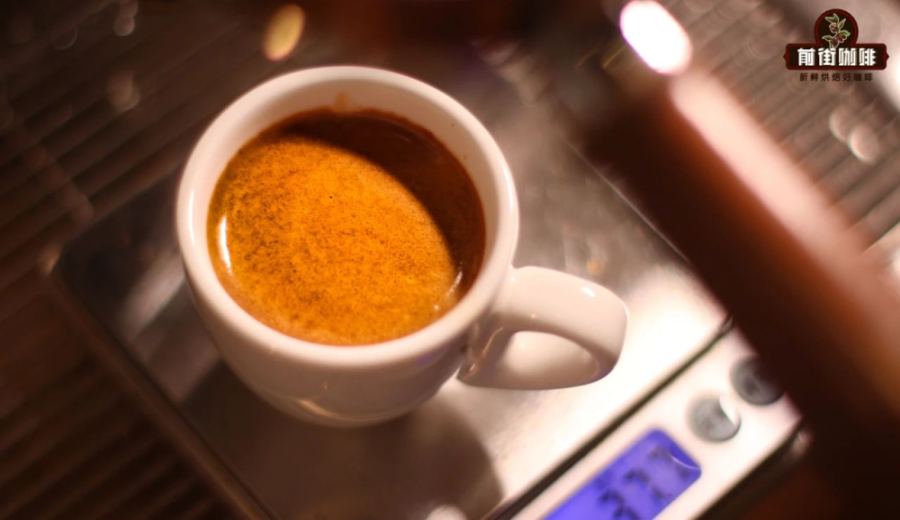
Introduction:Decaf coffee has become the top choice for many consumers who want to reduce their caffeine intake without sacrificing the flavor of coffee. But what exactly is decaf coffee? What are the common decaffeination methods? And how does it compare to regular coffee in terms of nutrition and antioxidants? This article will thoroughly explore the history of decaf coffee, international standards, the four major decaffeination technologies, and compare their pros and cons with regular coffee to help you make a smarter choice.
In recent years, as health awareness has grown, many consumers have started seeking alternatives that allow them to enjoy the aroma of coffee while reducing caffeine intake, making decaf coffee increasingly prominent. However, many still have only a vague understanding of decaf coffee’s definition, processing methods, and actual differences compared to regular coffee. This article will delve into the origins of decaf coffee, internationally recognized caffeine content standards, and analyze the four common decaffeination processes, providing a comprehensive understanding of the advantages, disadvantages, and flavor characteristics of decaf coffee.
The birth of decaf coffee can be traced back to the early 19th century. It is said that the German writer Goethe, troubled by long-term sleep disturbances due to coffee, asked his friend Runge to analyze the components of coffee beans to find the substance affecting sleep. Around 1820, Runge successfully identified that the substance was caffeine and developed an initial caffeine separation technology, which is considered a precursor to decaf coffee. However, due to technological limitations at the time, decaf coffee could not be produced on a large scale. It wasn’t until 1903 that German importer Ludwig Roselius discovered that coffee beans soaked in seawater had significantly reduced caffeine content. He then organized a team to develop extraction technology, marking the official entry of decaf coffee into mass production.
What is decaf coffee? What is the caffeine content standard?
Generally speaking, decaf coffee refers to coffee products with significantly reduced caffeine content. According to international practice,decaf coffee beans must have at least 97% of their original caffeine removed, hence also referred to as 'Decaf,' short for 'decaffeinated coffee.' However, this does not mean it is completely caffeine-free, as trace amounts still remain. For example, common Arabica coffee beans contain about 0.9% to 1.4% caffeine (averaging around 1.2%), while Robusta varieties contain even more, at 1.8% to 4% (averaging around 2.2%). In terms of weight, the caffeine difference between a regular cup of coffee and a decaf cup can be more than tenfold.
Decaf coffee can be divided into two main categories: naturally decaffeinated and artificially processed decaffeinated. According to EU and U.S. FDA standards,the EU requires the decaffeinated caffeine content to be no more than 0.1% of the original bean, while the U.S. FDA stipulates it should be below 3% of the original content. Therefore, decaf coffee is definitely not zero-caffeine beverage, and those extremely sensitive to caffeine should still monitor their intake.
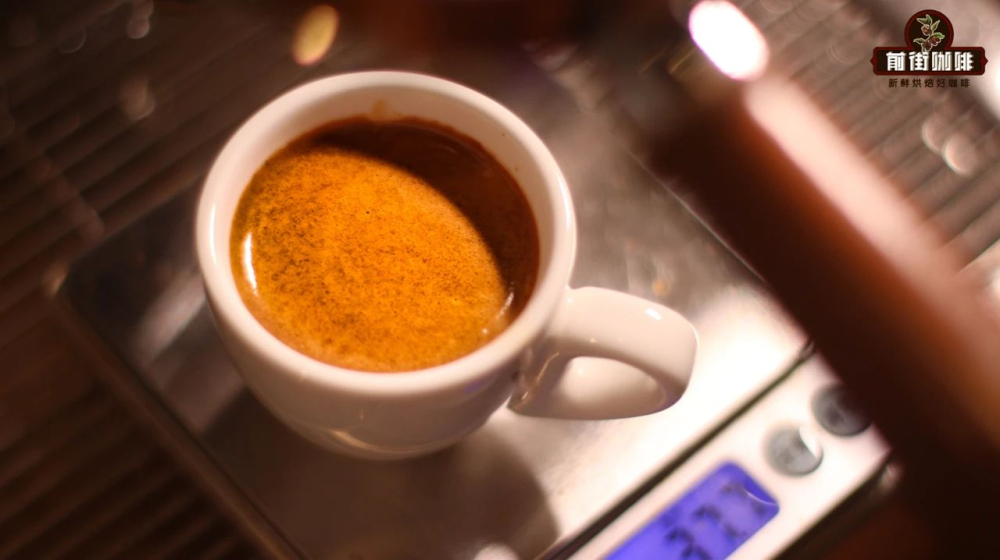
An Analysis of the Four Major Decaffeination Processes
Currently, there are four common decaffeination methods on the market: Swiss Water Process, Direct Solvent Process, Indirect Solvent Process, and Supercritical CO₂ High-Pressure Extraction Method. These methods all aim to effectively remove caffeine while preserving as much of the original coffee flavor as possible.
Swiss Water Processis one of the most widely used decaffeination technologies. Its principle involves soaking green beans in hot water to extract both caffeine and some flavor compounds, then using activated carbon to filter out the caffeine from the solution, and finally returning the decaffeinated extract back to the beans so they can reabsorb the flavor compounds. This method does not use chemical solvents, and the processing solution can be reused, making it relatively low-cost, though some delicate flavors may be lost during filtration. However, it achieves a caffeine removal rate of up to 99.9%, offering a balance between efficiency and safety.
Direct Solvent Processuses chemical solvents such as dichloromethane or ethyl acetate to directly contact the coffee beans and dissolve the caffeine. The process starts by steaming the green beans to open their pores, then adding the solvent, waiting for the caffeine to be absorbed, and finally removing residual solvent with steam. Although some previously worried about dichloromethane’s potential carcinogenicity, its boiling point is only 39.8°C and it almost completely evaporates during roasting or brewing, making the actual risk extremely low.
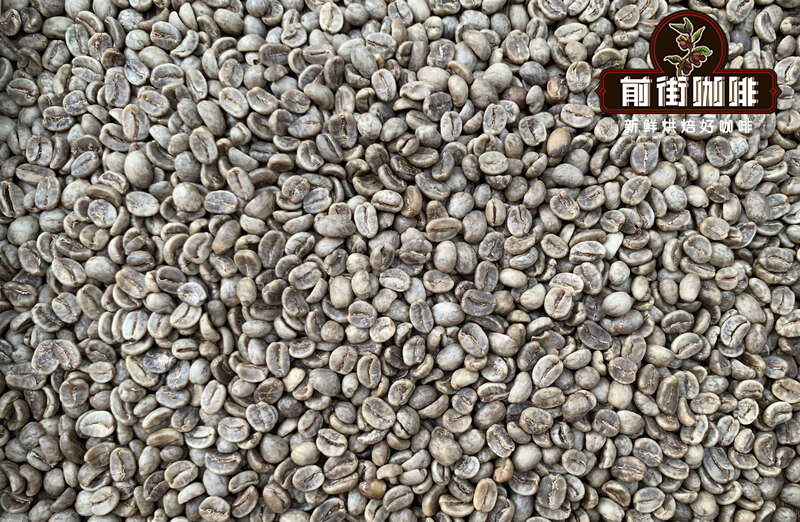
Indirect Solvent Processfirst soaks the green beans in hot water to extract various flavor components including caffeine, then separates the water solution and adds dichloromethane or ethyl acetate to selectively remove the caffeine, finally returning the decaffeinated but flavor-rich solution back to the beans. This process can precisely remove caffeine, but if not handled carefully, it can easily affect the final flavor profile.
Supercritical CO₂ High-Pressure Extraction Methodutilizes the properties of carbon dioxide under high pressure, which combines the permeability of a gas with the dissolving ability of a liquid. During processing, dry supercritical CO₂ is first used to extract aromatic compounds from the beans, then water-saturated CO₂ absorbs the caffeine, and finally the aromatic compounds are returned to the beans. This method can precisely remove caffeine and hardly damages flavor or color, but it requires expensive high-pressure equipment and is less commonly used in large-scale production.
Is decaf coffee tasty? It depends on the bean selection
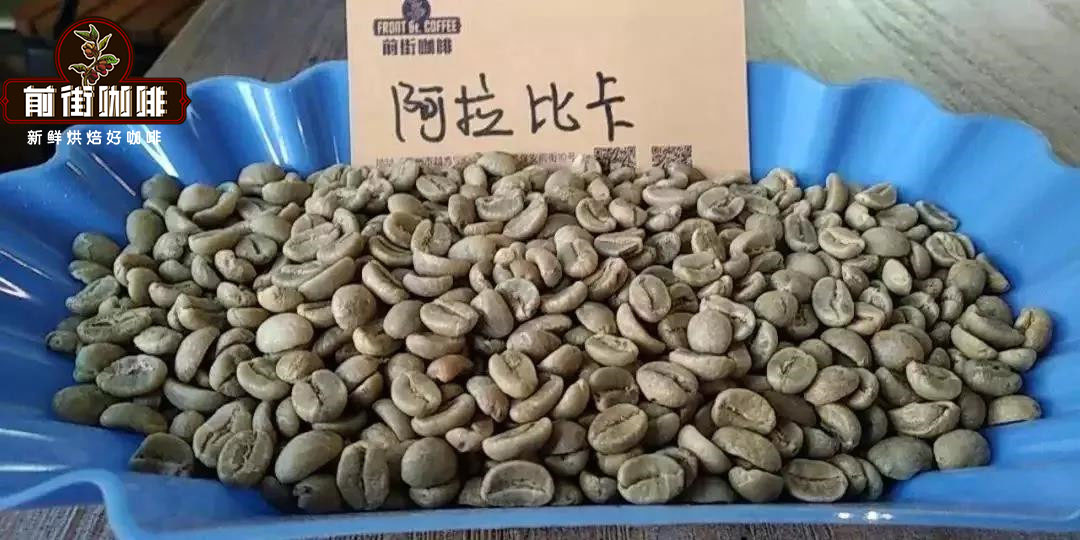
Many consumers believe that decaf coffee has a blander flavor and lacks the richness of regular coffee, but this is actually not directly related to the decaffeination process. In fact,if high-quality Arabica beans are selected for decaffeination, the flavor can still retain rich layers. On the other hand, if the starting material is cheap commercial beans or varieties that lack flavor to begin with, even without decaffeination, the performance is unlikely to be outstanding. Therefore, the variety, origin, and processing method of the beans are the keys to determining whether decaf coffee tastes good.
The Advantages and Nutritional Value of Decaf Coffee
Decaf coffee has more advantages than disadvantages, especially for those who are sensitive to caffeine, prone to insomnia at night, or wish to reduce caffeine intake without giving up the flavor of coffee. Although the decaffeination process may lead to the loss of some antioxidants, studies show that decaf coffee still retains antioxidant components similar to regular coffee, possibly reduced by only about 15%. Antioxidants such as hydroxycinnamic acid and polyphenols can effectively combat free radicals and help reduce the risk of chronic diseases like heart disease, cancer, and type 2 diabetes.
In addition, decaf coffee still contains trace amounts of important nutrients such as magnesium, potassium, and niacin (vitamin B3). Although the amount per cup is not high, drinking 2–3 cups daily still contributes a meaningful cumulative nutrient intake.
In summary, decaf coffee can not only meet the need to reduce caffeine intake, but also preserve the flavor and health benefits of coffee to a certain extent. By choosing the appropriate decaffeination process and high-quality beans, you can still enjoy a delicious cup of coffee that doesn’t affect your sleep.
The above content is compiled by CoffeeHunters, a coffee news website.


