







Introduction:Tanzania and Kenya are both premier coffee-growing regions in East Africa, yet their coffees exhibit vastly different flavor profiles. Kenyan beans are celebrated for their vibrant acidity, while Tanzanian beans offer a softer, rounder body with pronounced wine-like aromas. This article delves into the production environment, variety characteristics, washed processing methods, grading system, and professional roasting profiles and pour-over parameters of Tanzania’s Kilimanjaro AA-grade coffee beans. It also explains the formation and selection logic of peaberry beans, helping you select and brew the most flavorful Tanzanian coffee.
As two major coffee-producing nations in East Africa, Tanzania and Kenya are often compared. Kenyan coffee is known for its lively acidity and distinct fruitiness, making it a favorite among fans of bright, sweet acidity in light roasts. In contrast, Tanzanian coffee, though slightly less renowned, boasts a smoother mouthfeel and enchanting wine-like aromas, with more gentle acidity. This article will guide you through the unique characteristics of coffee from these two regions, focusing on Tanzania’s most iconic Kilimanjaro AA-grade coffee. We’ll explore its growing regions, variety background, processing methods, grading system, and brewing recommendations.
[Tanzanian Coffee Growing Regions and Flavor Profiles]
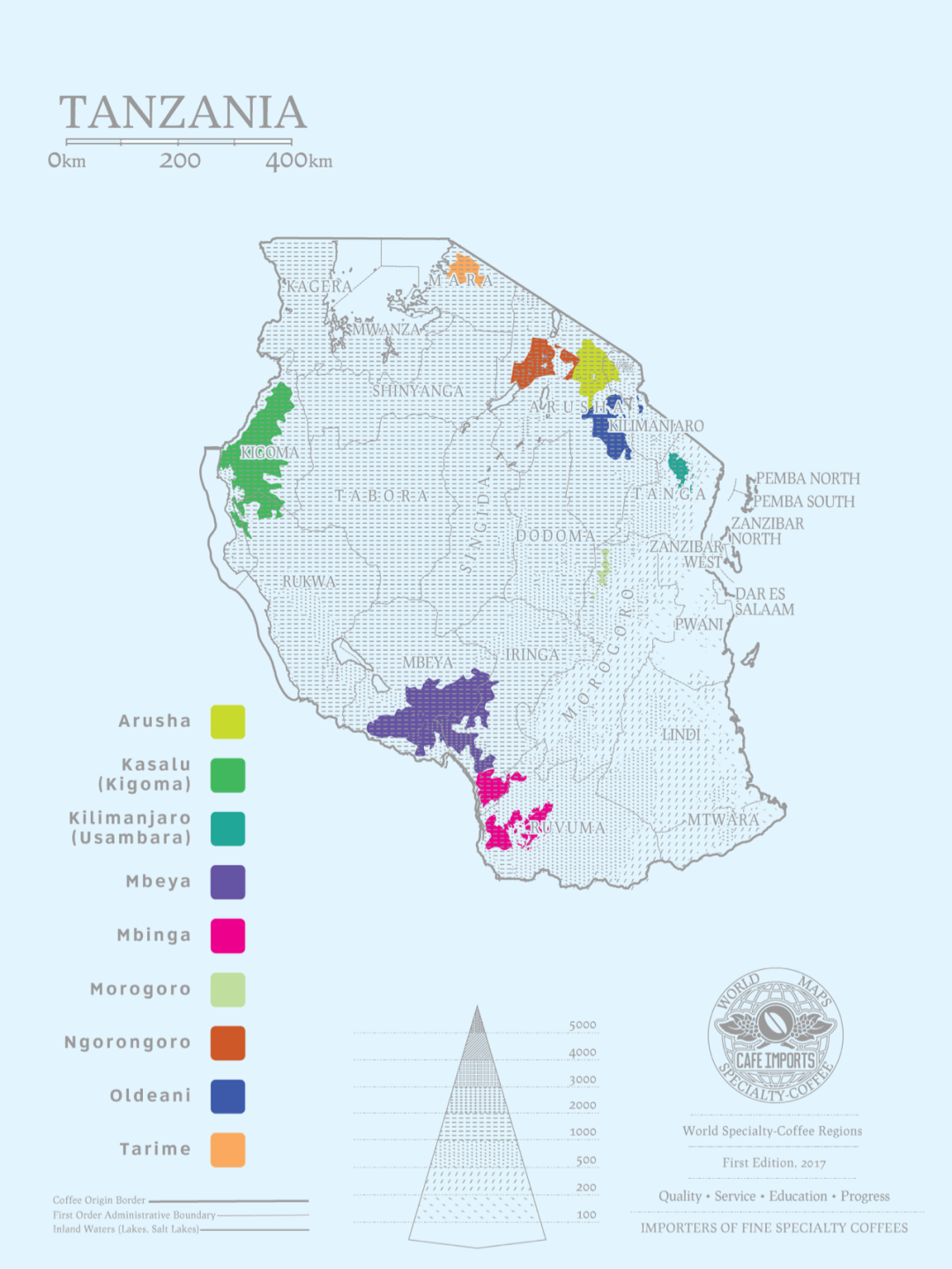
Tanzania is located in the heart of East Africa, bordering countries such as Kenya, Uganda, and Malawi. The country is mountainous with a favorable climate, especially in high-altitude areas, which provide excellent conditions for coffee cultivation. Tanzania’s coffee-growing history dates back to the late 19th century when Arabica seeds were first introduced from Réunion Island (then French territory) and trialed in regions like Bayamoyo and Mogoro. Eventually, the foothills of Mount Kilimanjaro proved to be the most ideal environment for growth. Today, Tanzania produces around 50,000 tons of coffee annually—comparable to Kenya—with approximately 75% grown at elevations between 1,300 and 2,100 meters, contributing to its distinctive flavor profile.
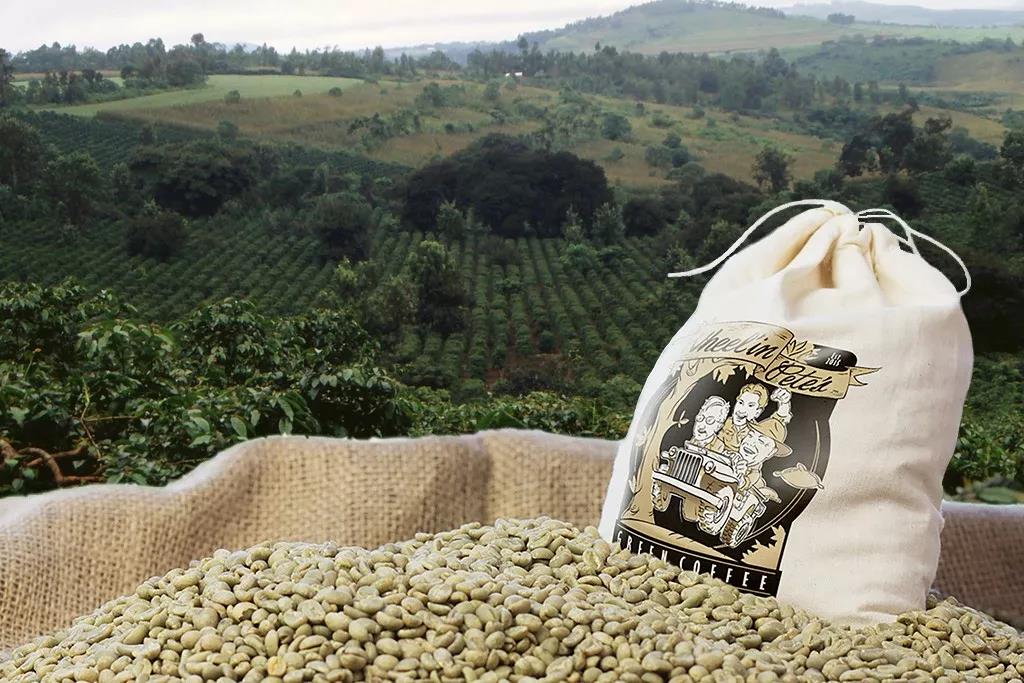
Compared to its neighbors, Tanzanian coffee tends to have less sharp acidity but a prominent sweetness, often accompanied by a rich body and delicate wine-like aromas. This gives it a unique position in the international market. Coffee beans are commonly packaged in coarse agave fiber bags—a measure to support the local sisal industry—as the government has mandated a ban on jute materials.
[An In-depth Look at Kilimanjaro AA Coffee]
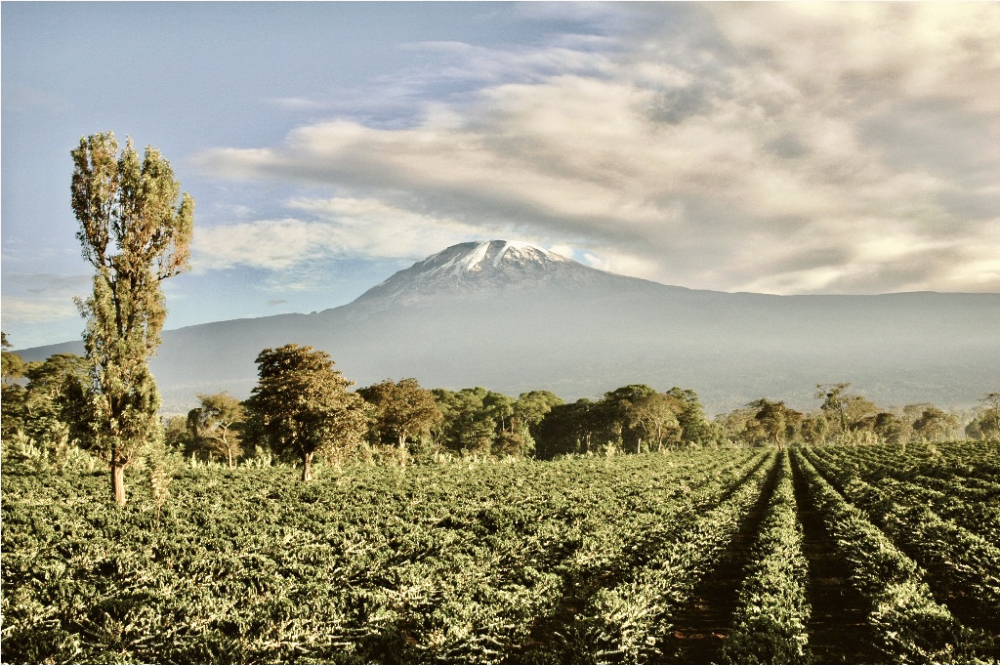
Mount Kilimanjaro, Africa’s highest peak, is also Tanzania’s most important coffee-growing region, accounting for about 75% of the country’s total coffee production. Since 1893, Bourbon variety coffee plants have been cultivated here, primarily processed using the washed method, resulting in bright acidity and a full-bodied flavor. Kilimanjaro AA-grade coffee beans typically come from highlands at elevations between 1,300 and 2,000 meters, with main growing areas concentrated around Moshi and Mbeya. These beans are produced by over 85% smallholder farmers and undergo strict selection—featuring plump, uniformly sized beans—making them the top grade among Tanzanian coffees.
In contrast to the coffee from the northern volcanic areas, the Songea-Ruvuma region in the southern Ruvuma River basin offers a different flavor profile. Coffees from this area are known for their floral and fruity notes, gentle fruit acidity, and unique wine-like tones, making them well-suited for consumers who prefer a more delicate cup.
[The Science and Selection of Peaberry Beans]
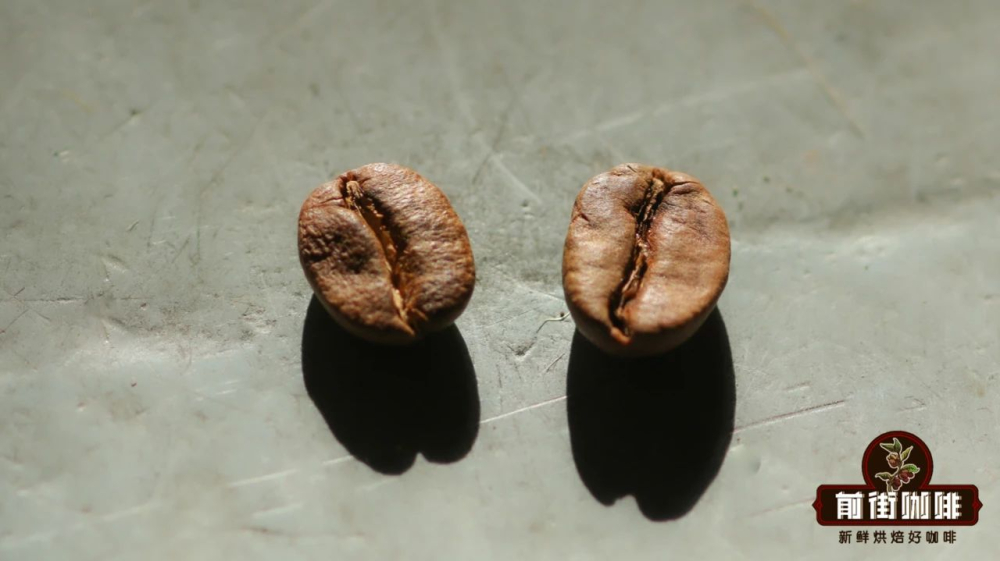
Among Tanzanian coffee beans, you may occasionally encounter a uniquely shaped, noticeably smaller bean known as a “peaberry” (Caracol or Caracolillo). These beans result when only one seed fully develops inside a coffee cherry, usually due to uneven pollination or nutrient distribution, often occurring at the tips of branches. Normally, each coffee cherry contains two flat beans, but peaberries make up only about 3% to 5% of the yield, making them relatively rare. During green bean processing and grading, peaberries are separated through mesh screening and have become highly sought-after items among coffee enthusiasts.
[Washed Processing and Green Bean Grading System]
Kilimanjaro AA-grade coffee from Tanzania is generally processed using the washed method to ensure clean flavors and bright acidity. The process includes: selecting ripe red cherries, removing the pulp, fermenting naturally for 12 to 24 hours, washing with clean water, soaking again for 24 hours, and finally sun-drying. This method effectively reduces impurities and off-flavors, highlighting the coffee’s inherent fruity notes and balanced acidity-sweetness.
In terms of green bean grading, Tanzania’s official highest grade is AAA. However, common market terms like AA, AA Top, and AB Plus are typically further refinements by traders based on the official base grades. Among these, AA grade usually indicates larger bean size and low defect rates, symbolizing high quality.
[Roasting and Brewing Recommendations]
Taking the Typica variety grown in Tanzania’s Kilimanjaro volcanic region as an example, a medium-light roast is recommended to highlight its bright acidity and sweet aromatic qualities. Suggested roasting parameters: charge temperature at 170°C, initial flame power at 130, air damper set to 3. Once the bean surface turns yellow and grassy notes dissipate, gradually adjust the air damper and flame until the first crack begins (around 10’16”), then extend the first crack development for about 1’45”. The roast should finish at 193°C to preserve optimal flavor complexity.
Recommended pour-over parameters are as follows: 15 grams of coffee, a 1:15 coffee-to-water ratio, using a medium-fine grind (approximately 80% through a #20 sieve), with water temperature controlled at 90°C. The step-by-step extraction process: start with a 30-second bloom using 30 grams of water, then pour in a slow circular motion until reaching 125 grams for the first pour. After the water level drops, continue pouring to 225 grams, then remove the filter just before the bed is exposed. Total extraction time is about 2 minutes, fully showcasing the balance between fruity notes, acidity, and a full body.
[Conclusion: A Unique Tanzanian Pour-Over Experience]
Tanzania’s Kilimanjaro AA-grade coffee combines fruity, floral, and delicate wine-like notes, with soft, layered acidity and noticeable sweetness, all wrapped in a smooth mouthfeel. Compared to Kenyan coffee, it has less sharp acidity but more body and gentleness, making it ideal for coffee lovers who enjoy fruitiness paired with balance. Whether enjoyed hot or as an iced coffee, it showcases the unique flavors of East Africa and is a classic choice for exploring the flavor profile of African coffee.
The above content is compiled by CoffeeHunters, a coffee news website.


